Introduction
Among the many tea types that have emerged from centuries of tea cultivation, white tea often stands apart for its quiet character. It is light in colour, gentle in aroma, and remarkably simple in its making. Yet behind this softness lies a long tradition of craftsmanship that has shaped some of the most refined Chinese teas.
Like all true teas, white tea comes from the Camellia sinensis plant. The same tea plant also produces green tea, black tea, and oolong. What distinguishes white tea is not the plant itself, but the way the tea leaves are handled after harvest.
The production process of white tea is intentionally restrained. Tea makers allow the leaves to wither and dry with minimal interference. Because the leaves undergo minimal oxidation, the final tea retains a delicate flavour that reflects the natural character of the leaf.
Most Chinese white tea originates from Fujian Province, a region known for producing some of the best quality teas in China. Over time, white tea has become valued not for intensity but for subtlety. In a well prepared cup, its sweetness appears slowly, carried by soft floral notes and a lingering aroma.
Understanding how white tea is produced and the types of white tea that exist helps reveal why it remains one of the most respected teas in the world.
What Is White Tea
White tea is often described as the least processed of all traditional teas.
Unlike green tea, which is heated to stop oxidation, or black tea, which undergoes full oxidation, white tea follows a much gentler path. Freshly harvested young tea leaves and young buds are simply allowed to wither and dry.
This simple process allows the natural qualities of the leaf to remain intact.
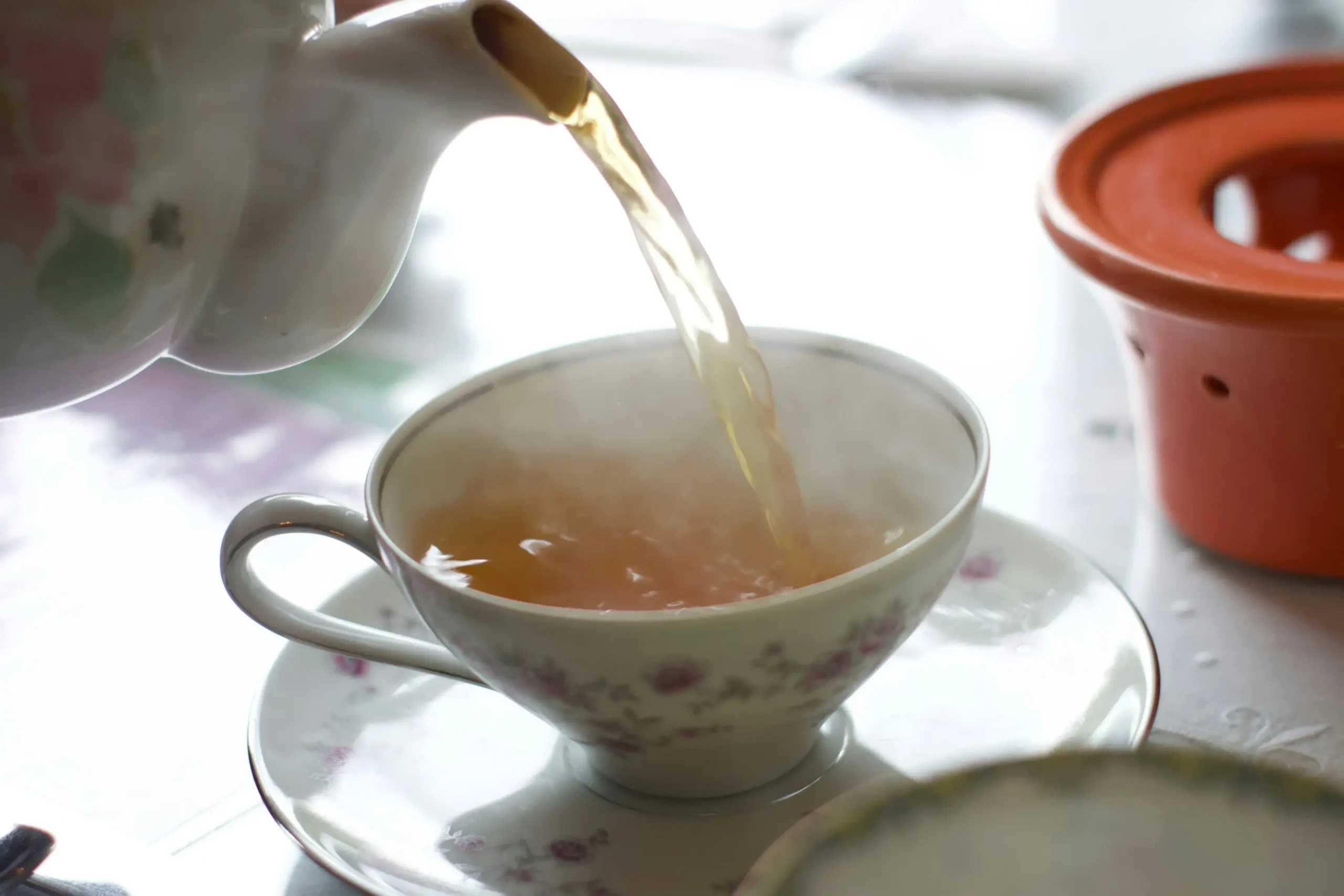
Many white teas are made from unopened buds that are covered with fine white hairs. These small silver hairs are what give the tea its name. When brewed, the tea produces a pale golden liquor with a soft fragrance.
Common characteristics of white tea include:
- minimal oxidation
- delicate sweetness
- light floral aroma
- smooth texture in the cup
Because the leaves are handled so lightly, white tea preserves the original character of the tea plant more than most other tea types.
Chinese White Tea and Its Origins
The story of Chinese white tea is closely connected to Fujian Province in China.
Areas such as Fuding County have long been known for producing excellent white tea. The region’s climate, soil, and tea plant varieties allow the buds to develop slowly during the early spring season.
Two important tea plant varieties are widely used:
- Da Bai
- Da Hao
These tea bushes produce large buds with the fine white hairs that are essential for producing high grade white tea.
Historical records suggest that early forms of white tea were already appreciated during the Song Dynasty. At the time, refined teas were sometimes offered as tribute tea to the imperial court.
Today, while white tea is also produced in other countries and other regions, the traditional style from Fujian continues to represent the standard for quality.
How White Tea Is Made
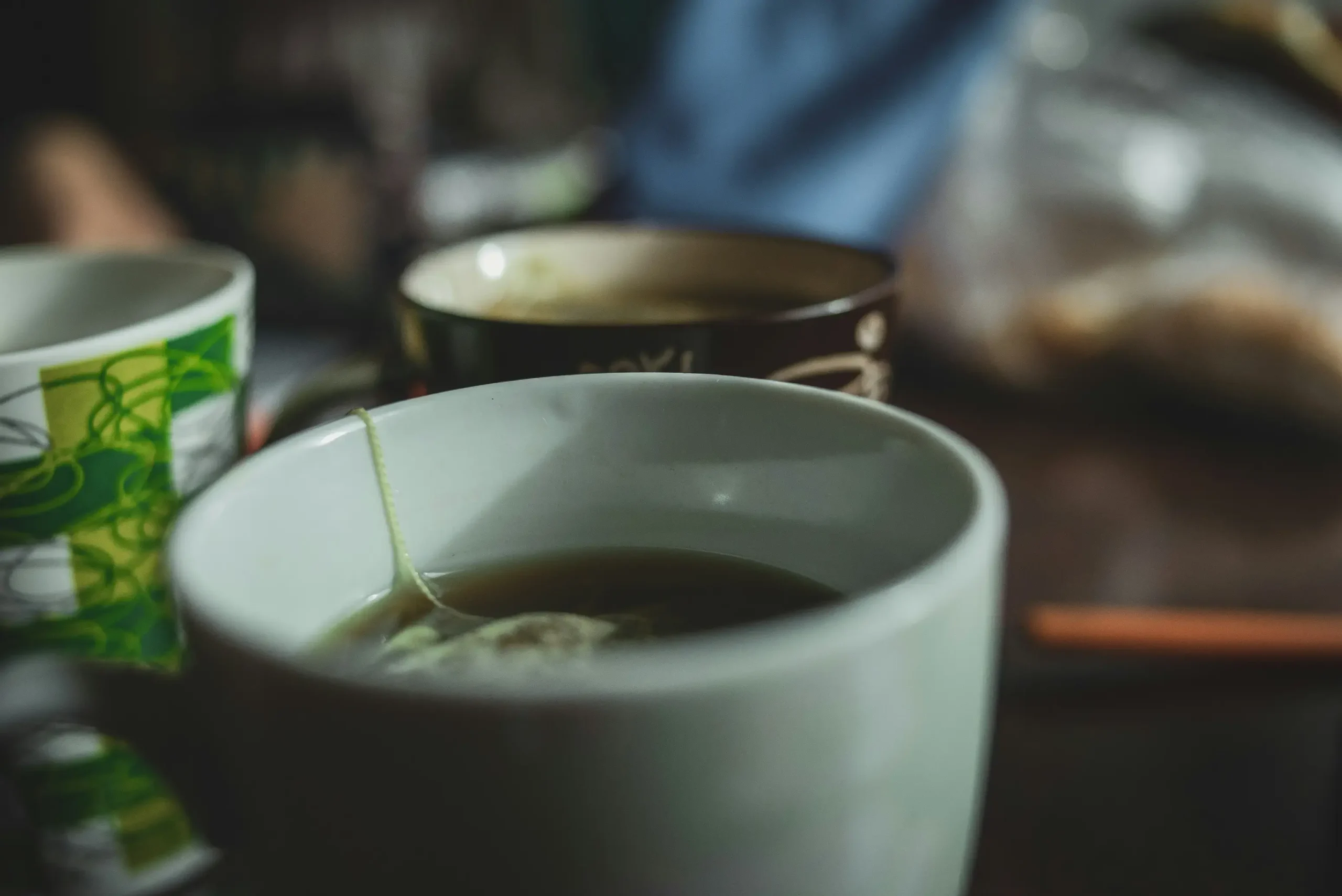
Understanding white tea production reveals why the tea feels so gentle in flavour.
The white tea manufacture process generally follows three key stages.
First Phase: Solar Withering
The first phase is known as solar withering.
Freshly harvested buds and young leaves are spread out in thin layers and exposed to soft sunlight. During this stage the leaves begin to lose moisture while subtle enzymatic changes occur.
The warmth of the sun allows the leaf to soften naturally without heavy processing.
This stage contributes greatly to the delicate aroma found in good quality white tea.
Second Stage: Natural Drying
After withering, the leaves are moved to shaded areas where solar drying continues under careful supervision.
The aim is to gradually reduce the moisture content while keeping the structure of the leaf intact. Unlike other tea types, the leaves are not rolled or aggressively heated.
Because of this restrained method, the leaves often appear almost unchanged after drying.
Final Phase: Stabilising the Tea
The final phase of white tea processing ensures that the leaves are fully dried and stable for storage.
At this point the tea is considered supposedly dried, meaning it has reached the appropriate dryness to preserve its aroma and flavour.
The tea is then sorted and packed as loose leaf tea, ready for distribution.
Popular Types of White Tea
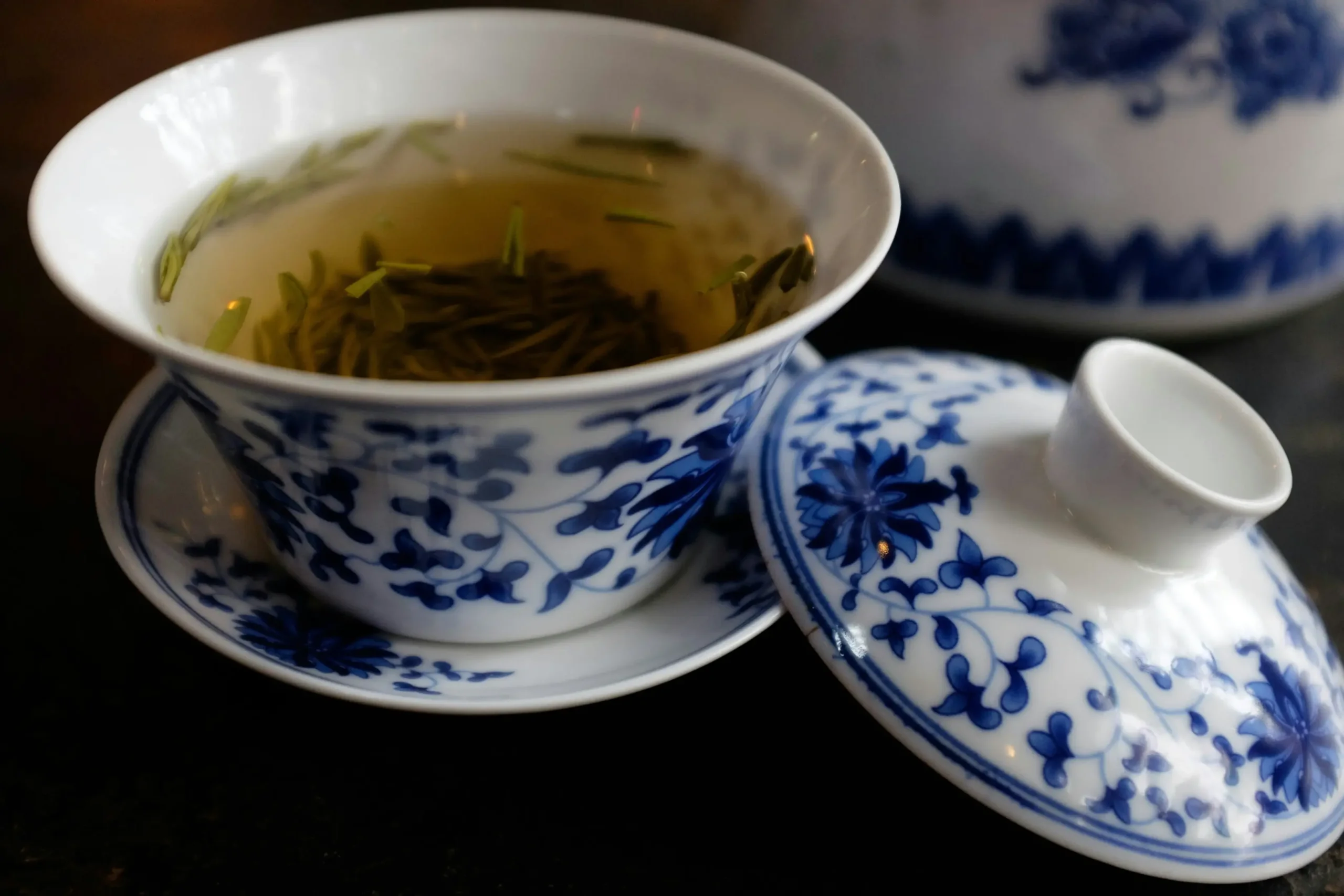
Several popular types of white tea are widely recognised among tea drinkers.
Each type differs slightly depending on the balance of buds and leaves used.
Silver Needle
Silver Needle tea, known in Chinese as Bai Hao Yin Zhen, is often considered the highest quality white tea.
It is made entirely from young buds, harvested before they open. Because of this careful selection, the tea produces a very smooth and delicate flavour.
The aroma is soft and sweet, with a light floral cha Bai Mu Dan.racter.
White Peony
Another respected tea is White Peony, or Bai Mu Dan.
This tea combines buds with young leaves. The result is a fuller body compared with Silver Needle while still maintaining the gentle character of white tea.
Many tea drinkers find White Peony slightly richer while remaining soft and balanced.
Other Types of White Tea
Additional varieties include:
- Shou Mei
- Gong Mei
- Tribute Eyebrow
- Yue Guan Bai
- Ya Bao
These teas often include more mature leaves and produce deeper flavours while still retaining the smooth nature of white tea.
Caffeine Content in White Tea
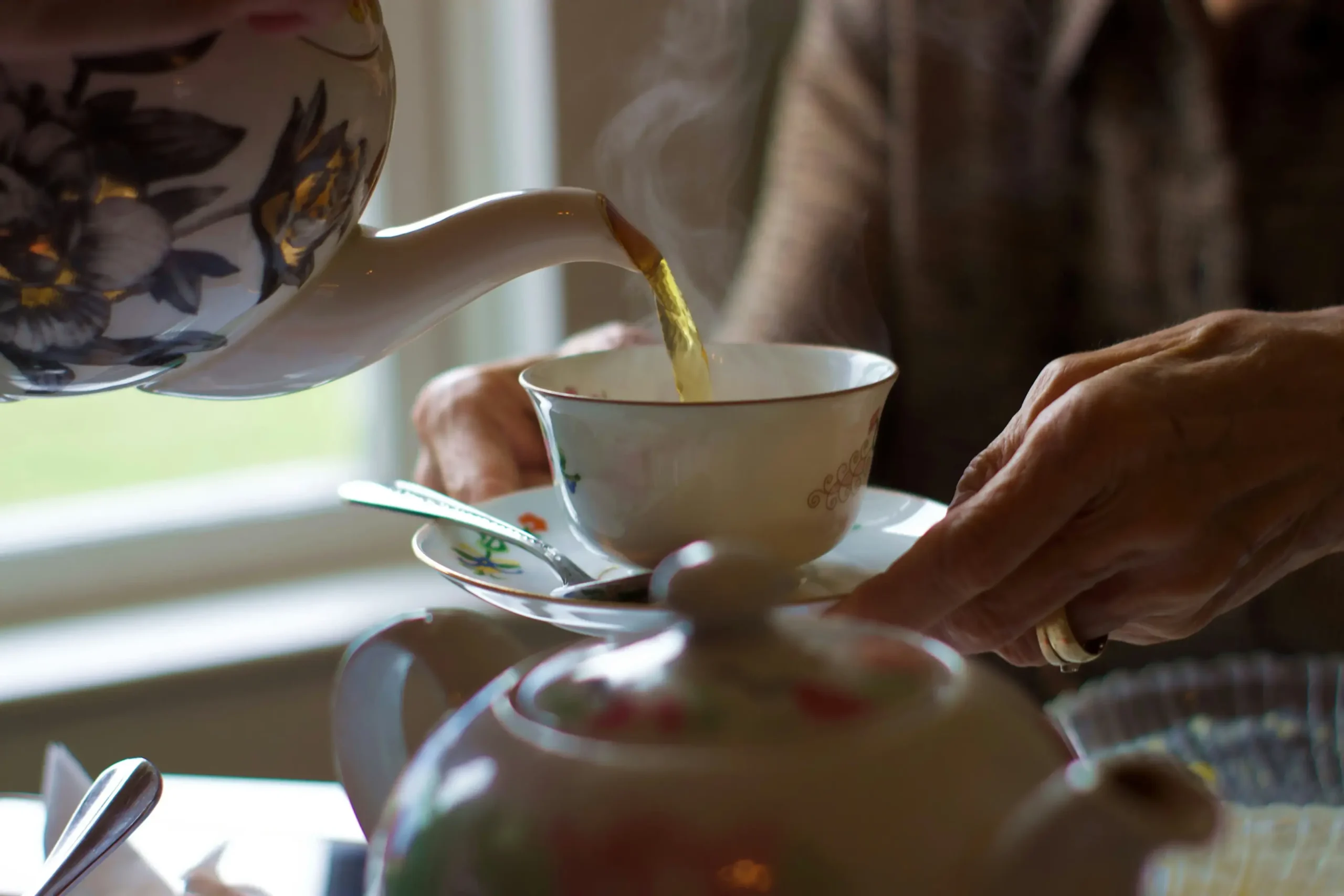
Many people wonder about the caffeine content of white tea.
In general, white tea tends to contain less caffeine than many green or black teas. However, the exact amount depends on several many factors, including:
- the age of the leaf or bud
- brewing temperature
- steeping time
- tea plant variety
Teas made primarily from buds, such as Silver Needle, can sometimes contain slightly higher caffeine because the buds store concentrated nutrients.
Even so, white tea remains one of the gentler teas in terms of stimulation.
Preparing White Tea
Preparing white tea requires a lighter approach than brewing stronger teas.
Because the leaves are delicate, very hot water can overwhelm their subtle flavour.
A simple method for preparing white tea includes:
- Use fresh loose leaf white tea.
- Heat water to moderate low temperatures.
- Pour water gently over the leaves.
- Allow the tea to steep for two to three minutes.
Many white teas can produce multiple infusions, revealing slightly different aromas with each brewing.
Storing White Tea
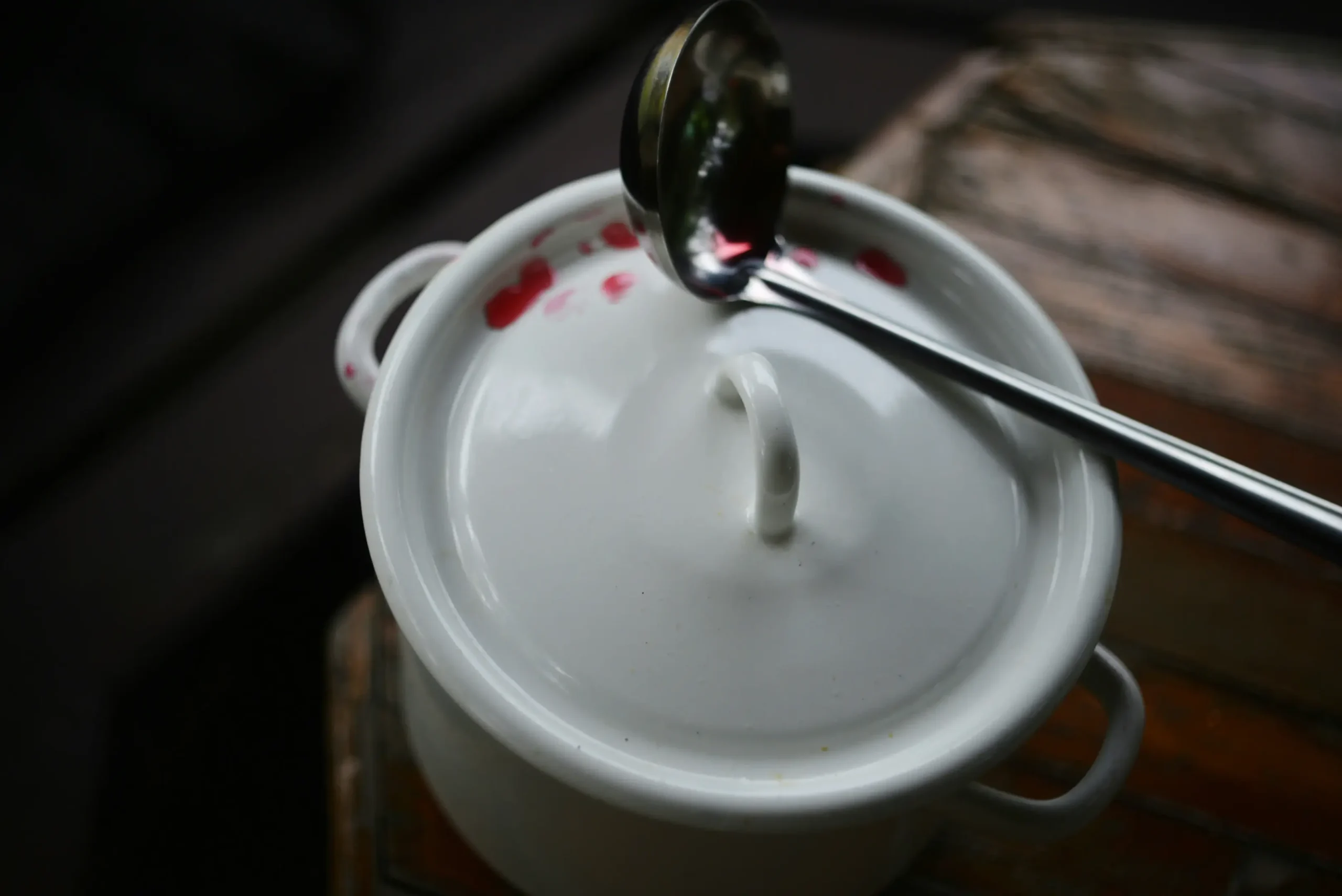
Properly storing white tea helps preserve its delicate aroma.
Tea should be protected from moisture, heat, and strong smells.
Good storage practices include:
- placing tea in an airtight container
- keeping it away from sunlight
- storing it in a cool, dry place
When handled carefully, good quality white tea can maintain its character for a long time.
A Quiet Expression of Tea Craft
Among the many tea types produced from the Camellia sinensis plant, white tea remains one of the most understated.
Its production process relies on patience rather than intervention. The sun, the air, and careful observation guide the transformation of leaf into tea.
In the cup, white tea does not shout for attention. Instead it offers a gentle sweetness, a delicate aroma, and a reminder that sometimes the most refined flavours come from the simplest approach to tea.

Not All Comfort Is Sweet: The Bitterness I Now Appreciate
I used to think comfort was supposed to be easy. A familiar drink. A familiar taste. Something that immediately made me feel better. For a long time, I gravitated towards teas that were gentle. Soft flavours. Natural sweetness. Anything that felt welcoming from the first sip. Then I started appreciating bitter teas. Not because I…
-
Understanding the Herb Behind the Refreshing Cup: Peppermint Tea
There is a moment, just after the hot water meets the fresh peppermint leaves, when the whole room seems to change. A sharp, green coolness lifts from the cup and settles somewhere behind your eyes. Drinking peppermint tea does this quietly, without fuss. It asks for nothing and offers a great deal. Most of us…
-
Why Most People Hate Oolong: Overcomplicated Advice Ruined It
I have always found it interesting that oolong tea is one of the most misunderstood teas. People often describe it as complicated. Too many varieties. Too many brewing methods. Too many rules. The leaves should be prepared this way. The water should be at this temperature. The teapot should be a certain material. The first…
-
Kempinski Singapore High Tea Review: When Afternoon Tea Feels Like an Occasion
The rain had come and gone by the time I arrived, leaving the street outside slick and quiet. I stepped in without knowing quite what I wanted from the afternoon. Only that I wanted it to be slow. The Lobby Lounge at The Capitol Kempinski Hotel Singapore does not rush you. It waits. And there…
-
Scent, Memory, and a Kettle: How Tea Anchors My Days
There are certain smells that bring us somewhere else before we even realise it. The scent of rain on warm pavement. A familiar perfume. The food someone used to make when we were younger. For me, tea belongs in that category. Sometimes, before I even take a sip, the aroma is enough to bring back…
-
The Chinese Yixing Teapot: More Than a Teapot, a Living Tea Tradition
The first time I held a Chinese Yixing teapot, I wasn’t ready for how warm it would feel. Small, reddish-brown, sitting in my palm like a river stone that had been kept somewhere warm. I’d just rinsed it with hot water, the way you’re supposed to before the first brew, and the clay drank up…
-
Your “Tea Sommelier” Might Be Selling You a Vibe, Not a Better Cup
There is a particular moment that has become increasingly familiar in modern tea culture. A tea is presented. Before the first sip, we are introduced to its story. The region. The altitude. The history. The carefully chosen words that describe its character. Perhaps there are notes of wildflowers, distant forests, roasted grains, or forgotten memories….
-
Does Tea Contain Caffeine? Understanding What’s Really in Your Tea
There’s a quiet moment many of us know well. The kettle clicks off. Steam curls up. You wrap your hands around a warm cup and feel your shoulders drop, just a little. Tea has always carried this sense of calm, of slowing down. So it can feel almost contradictory to ask: does tea contain caffeine?…
-
“Detox Tea” Is Mostly Marketing: Here’s What Tea Actually Does
I have always found the phrase “detox tea” a little strange. Not because I dislike tea. Quite the opposite. Tea has been part of my daily life for years. I love the quiet ritual of choosing leaves, waiting for the water, and taking a moment to slow down. But somewhere along the way, tea became…
-
The Tea House That Time Did Not Forget: Tea Chapter Trading Pte Ltd
I almost walked past it. Located at Nine Neil Road, Tea Chapter Trading Pte Ltd sits quietly, a three-storey shophouse just across from Maxwell MRT in Singapore, its restored facade catching afternoon light. Around it, Chinatown moves at its usual pace. Inside, something slower has been happening since October 1989. I stepped in on a…