I used to think comfort was supposed to be easy.
A familiar drink. A familiar taste. Something that immediately made me feel better.
For a long time, I gravitated towards teas that were gentle. Soft flavours. Natural sweetness. Anything that felt welcoming from the first sip.
Then I started appreciating bitter teas.
Not because I suddenly changed my preferences, but because I began to understand that comfort does not always arrive in the form we expect.
Some teas ask us to stay a little longer.
They do not immediately offer sweetness. They introduce themselves slowly. There may be a bitterness at first, a sharpness that makes you pause.
And then, if you give them time, something else appears.
A deeper flavour.
A lingering finish.
A character that was hidden beneath the first impression.
I think tea teaches us this better than almost anything else.
We live in a world that often encourages us to avoid discomfort. We choose the easiest option. The quickest reward. The most immediately satisfying experience.
Tea does not always work that way.
Some of the most memorable teas are not the ones we love instantly. They are the ones we learn to understand over time.
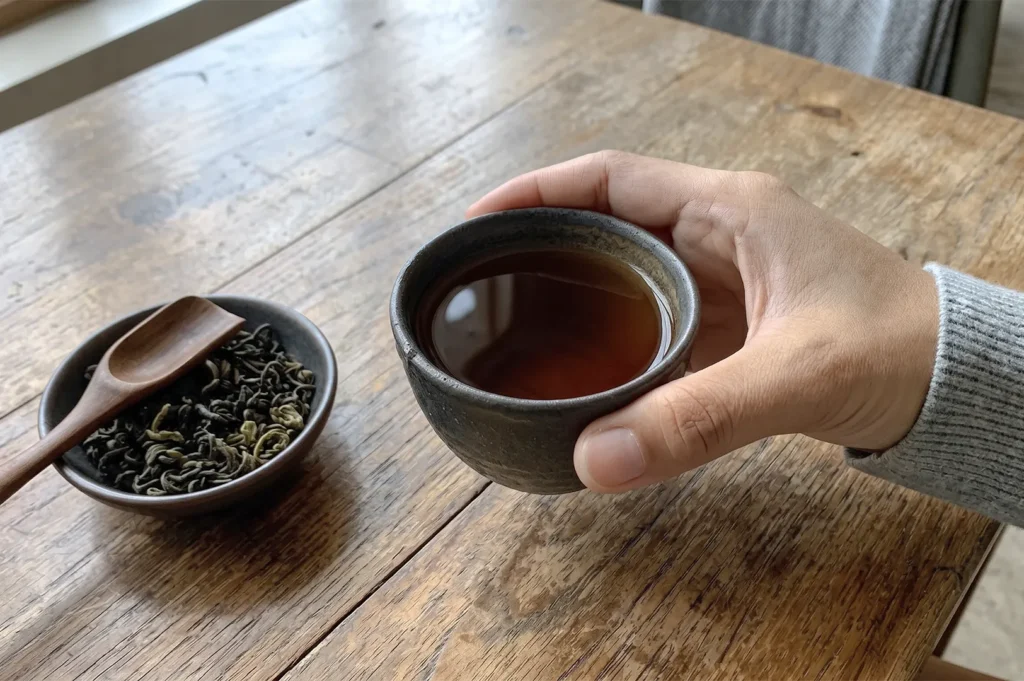
A roasted oolong with a slightly bitter edge. A green tea with a stronger vegetal character. A tea that feels unfamiliar at first but slowly becomes something we look forward to.
Perhaps this is why bitterness has become something I appreciate.
Not because it is pleasant immediately.
Because it feels honest.
There is something refreshing about a tea that does not try to hide what it is. It does not cover itself with sweetness or ask for approval. It simply presents itself and waits for us to decide.
And maybe people are like that too.
Some things we appreciate instantly. Others take patience. Some people, places, and experiences only reveal their value after we spend enough time with them.
Tea reminds me that not everything meaningful needs to be effortless.
Sometimes, the things that challenge us a little are the things we remember most.
I still enjoy sweet and comforting teas. I still love a cup that feels familiar after a long day.
But I have learned not to dismiss bitterness so quickly.
Because sometimes, what we first mistake for a flaw is simply another kind of beauty waiting to be understood.
— Maria Tan
On tea, culture, and everyday rituals.

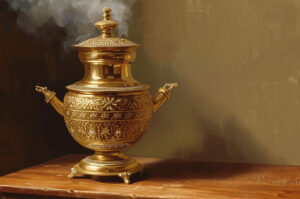
The Samovar’s Role in Russian Tea Culture: How This Unique Device Shaped Russian Tea Tradition
Picture a cozy room in the heart of a Russian winter, snow blanketing the world outside. Inside, at the center of a family table, stands a gleaming metal urn, steam gently puffing from its chimney. This is the samovar-the traditional self-boiler that has shaped Russian tea culture for centuries. More than a tool to heat…
-
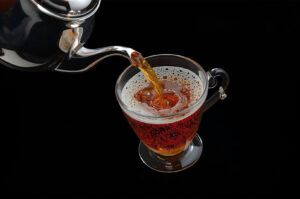
The Art of Pouring: Height, Froth, and Hospitality in Moroccan Tea Service
Imagine this: you’re seated on low cushions in a Marrakech riad, surrounded by patterned tiles and the scent of spices wafting through the air. Your host approaches with a polished silver teapot, or berrad, holding it high above a small glass. A thin stream of steaming green tea flows gracefully, landing perfectly in an ornate…
-
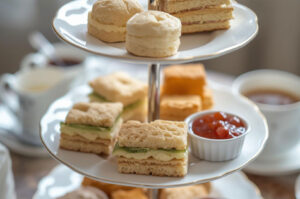
British Tea Traditions: Beyond Cucumber Sandwiches and Modern Tea Accompaniments
The ritual of British tea-especially the celebrated afternoon tea-conjures a very specific image: tiered cake stands laden with delicate finger sandwiches, fluffy scones, and exquisite cakes. This cherished tradition, born in the 1840s, is often attributed to Anna, the seventh Duchess of Bedford, who sought a small meal to bridge the long gap between lunch…
-
The Dance of Aroma: Appreciating Tea Through All Senses in Gongfu Cha
Imagine a wisp of steam carrying the scent of orchids from a tiny tea cup, a fragrance so vivid it transports you to a misty mountainside in China. This sensory immersion lies at the heart of the gongfu cha method, the traditional Chinese tea ceremony where every movement, from handling the tea leaves to pouring…
-
Japanese Tea Ceremony Principles: Harmony, Respect, Purity, and Tranquility
In a quiet tea room, a host moves with deliberate grace. The sound of hot water being ladled from an iron pot fills the air. This is the Japanese tea ceremony, known as Chanoyu or the Way of Tea, an art form that transforms the simple act of drinking tea into a profound experience. Far…
-
Beyond Chamomile: Exploring Lesser-Known Herbal Infusions from Around the World
Tea is one of the most popular drinks worldwide, cherished for centuries as much for its taste as for its role in tradition and culture. While many people immediately think of green tea, black tea, or perhaps a steaming mug of mint tea, the spectrum of herbal infusions—blends using various herbs, fruits, and flowers—offers countless…
-
Raw vs. Ripe: Understanding the Two Paths of Pu Erh Processing
In the vast and ancient world of Chinese tea, few categories carry as much mystery and prestige as pu erh tea. Pu’er tea is renowned for its unique fermentation and aging techniques, which not only develop its complex flavor profiles but also contribute to its cultural significance and traditional production methods. Unlike most teas such…

From Keemun to Darjeeling: A Global Tour of Premium Black Teas
Black tea is more than just a morning ritual; it’s a global phenomenon steeped in rich history, cultural significance, and craftsmanship. From the misty mountains of India to the ancient gardens of China, each cup tells a story of its origin, flavor, and tradition. Throughout history, brewed tea has been cherished in various cultures, with…
-
Understanding Oolong Tea Oxidation Levels: The Spectrum of Oxidation in Tea Classification
When you step into the world of tea, you quickly learn about the main categories: white, green, oolong, and black. For many, green tea is fresh and vegetal, while black tea is bold and malty. But what about oolong? This category seems to defy easy definition, with some oolongs tasting light and floral like a…
-
Beyond Matcha: Exploring the Diverse World of Japanese Green Tea Varieties
Let’s be honest, when you hear “Japanese green tea,” your mind likely pictures a vibrant, frothy bowl of matcha. From trendy matcha lattes in every café to ice cream and desserts, matcha has become the undisputed global face of Japanese tea culture. And for good reason! It’s a delicious, versatile ingredient with numerous health benefits….