I used to think comfort was supposed to be easy.
A familiar drink. A familiar taste. Something that immediately made me feel better.
For a long time, I gravitated towards teas that were gentle. Soft flavours. Natural sweetness. Anything that felt welcoming from the first sip.
Then I started appreciating bitter teas.
Not because I suddenly changed my preferences, but because I began to understand that comfort does not always arrive in the form we expect.
Some teas ask us to stay a little longer.
They do not immediately offer sweetness. They introduce themselves slowly. There may be a bitterness at first, a sharpness that makes you pause.
And then, if you give them time, something else appears.
A deeper flavour.
A lingering finish.
A character that was hidden beneath the first impression.
I think tea teaches us this better than almost anything else.
We live in a world that often encourages us to avoid discomfort. We choose the easiest option. The quickest reward. The most immediately satisfying experience.
Tea does not always work that way.
Some of the most memorable teas are not the ones we love instantly. They are the ones we learn to understand over time.
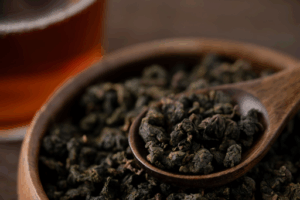
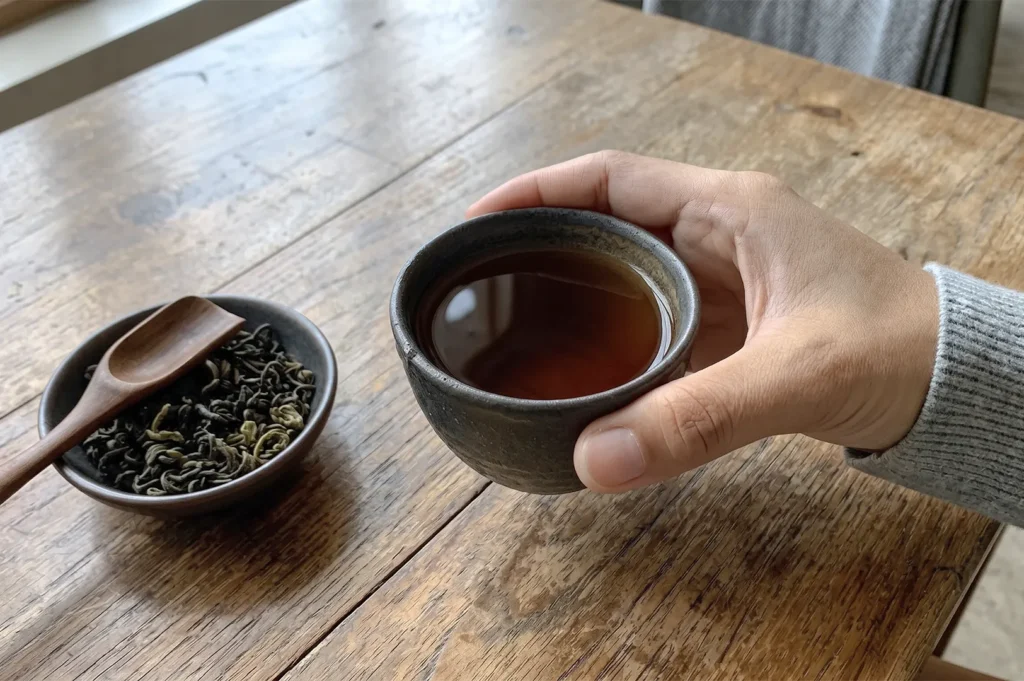
A roasted oolong with a slightly bitter edge. A green tea with a stronger vegetal character. A tea that feels unfamiliar at first but slowly becomes something we look forward to.
Perhaps this is why bitterness has become something I appreciate.
Not because it is pleasant immediately.
Because it feels honest.
There is something refreshing about a tea that does not try to hide what it is. It does not cover itself with sweetness or ask for approval. It simply presents itself and waits for us to decide.
And maybe people are like that too.
Some things we appreciate instantly. Others take patience. Some people, places, and experiences only reveal their value after we spend enough time with them.
Tea reminds me that not everything meaningful needs to be effortless.
Sometimes, the things that challenge us a little are the things we remember most.
I still enjoy sweet and comforting teas. I still love a cup that feels familiar after a long day.
But I have learned not to dismiss bitterness so quickly.
Because sometimes, what we first mistake for a flaw is simply another kind of beauty waiting to be understood.
— Maria Tan
On tea, culture, and everyday rituals.

Silver Needle White Tea: The Delicate Emperor of Chinese Tea
In the vast and storied world of Chinese tea, few varieties command the reverence and prestige of Silver Needle white tea. Celebrated as Bai Hao Yin Zhen (白毫銀針)-meaning “White Hair Silver Needle”-this exceptional Chinese white tea sits atop the hierarchy of not just white tea, but among all tea types. Each slender ‘needle’ is not…
-
Thai Oolong Tea: Thailand’s Oolong Revolution in Ancient Tea Territory
In the shadowy folds of Northern Thailand’s mountains, where cool, misty air hugs the slopes and the morning dew clings to fragrant tea leaves, a revolution is steeping. Once known largely for its role in the Golden Triangle, this region now blossoms as a new epicenter for Thai oolong tea and innovative tea beverages like…
-
Dong Ding Oolong: The Artisanal Craft Behind Taiwan’s Most Famous Tea
Imagine a warm, inviting aroma that fills the room with essence reminiscent of delicate flowers, toasted nuts, honeycomb, chocolate, and ripe stone fruit. The initial scent from a freshly opened tin of Dong Ding Oolong loose leaf tea can feel almost transportive. Upon brewing, the tea’s infusion shines with a brilliant golden colour, and your…

Yerba Mate Tea: Argentina’s Ancient Energy Brew and Modern Revival
Picture a sun-drenched plaza in Buenos Aires, where the air hums with laughter and the scent of fresh flowers. In the center, friends gather in a close-knit circle, a cherished gourd filled with fragrant yerba mate tea making its way from hand to hand. Each person sips this herbal tea-brewed from green yerba mate leaves-through…

The Complete Guide to Kenyan Tea Industry Transformation in the Great Rift Valley
Imagine standing at the edge of Kenya’s Great Rift Valley, the birthplace of world-renowned Kenya tea. Here, undulating hills blanket the landscape in a lush sea of deep green, where rows of thriving tea bushes stretch across the horizon. This breathtaking region forms the core of the Kenyan tea industry-a powerhouse producing some of the…
-
Ceylon High Grown Tea: The Bright, Crisp Profiles of Nuwara Eliya
Imagine standing amidst a sea of emerald green on the island of Sri Lanka, where manicured tea bushes climb rolling hills and disappear into a cool, persistent mist. This is the world of Ceylon high grown tea, centred in Nuwara Eliya – a region characterized by bright sunshine in the morning and cool, misty nights….
-
Masala Chai Origins: The Cultural Evolution of India’s Spiced Tea Tradition
The rhythmic clanging of metal kettles echoes through narrow lanes as steam rises from countless chai stalls across India. The intoxicating aroma of cardamom, cinnamon, and fresh ginger mingles with robust black tea, creating an olfactory symphony that has captivated souls for centuries. This is masala chai-not merely a beverage, but a cultural phenomenon that…
-
Matcha Tea: The Versatile Japanese Green Tea Powder
The vibrant green powder that transforms simple hot water into liquid jade has captivated tea enthusiasts worldwide. Matcha tea represents more than just a trendy beverage-it’s a bridge connecting ancient Japanese traditions with modern culinary innovation. This unique form of powdered green tea offers endless possibilities, from meditative ceremonial drinking to creative kitchen applications that…
-
The Dragon Well Legacy: Exploring China’s Legendary Longjing Tea
Among the world’s most revered green teas, few carry the prestige and cultural significance of China’s legendary Dragon Well. This premium tea has captivated tea enthusiasts for centuries, earning its place as an imperial favourite and modern icon alike. From its mystical origins at West Lake to its meticulous processing methods, Longjing represents the pinnacle…