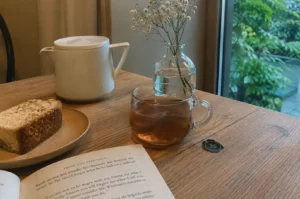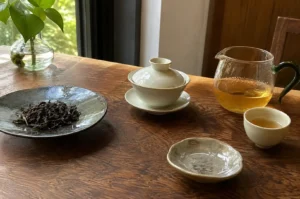
I don’t know when I first started believing this, but tea genuinely feels different when it rains.
Not scientifically different, of course. The leaves do not magically change because of the weather. And yet somehow, a cup of tea on a rainy afternoon feels softer, warmer, maybe even a little more comforting than usual. Just as how tea can feel different at night, too, when the world gets quieter and the smallest details become sharper.
Perhaps it’s because rain changes the pace of everything around us.
People move slower. Conversations become quieter. Even the light in the room feels different. Suddenly, making tea no longer feels like a routine task. It feels intentional.
I’ve noticed that rainy days have a strange way of turning ordinary tea into memorable tea. The kind you remember years later, even if you cannot remember the exact leaves that were used.
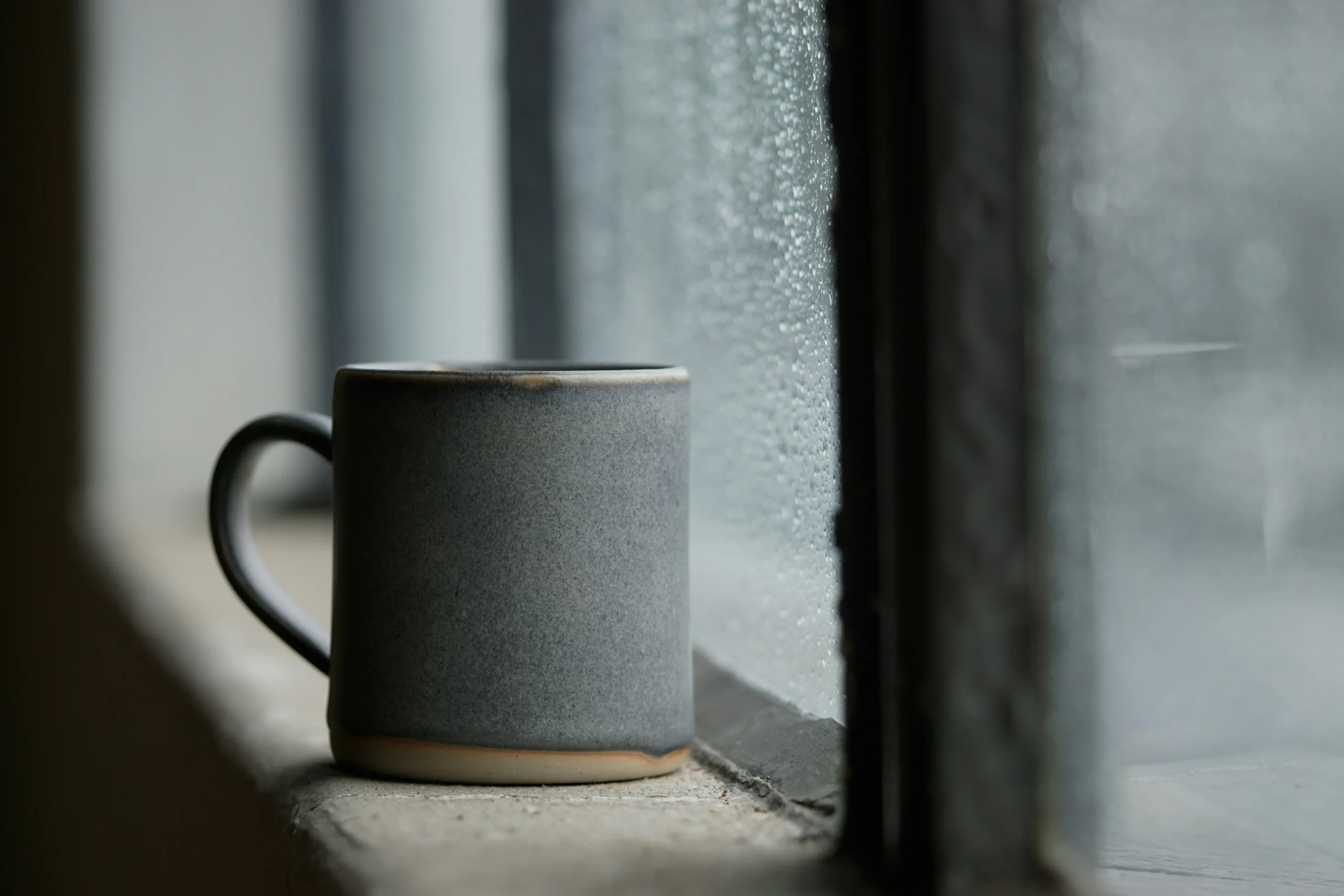
A simple cup beside a fogged-up window.
Steam rising while rain taps softly outside.
The feeling of warmth returning to your hands after coming indoors.
None of it is particularly dramatic.
But maybe that’s why it stays with us.
Tea has always carried a certain relationship with atmosphere. In many traditional tea spaces, from quiet Japanese tea rooms to old tea houses tucked into busy streets, the environment itself becomes part of the experience. The sound of water boiling, the weather outside, the silence between conversations. These small details shape the way tea feels.
Rain simply makes us notice them more.
Perhaps rainy days also give us permission to slow down without guilt. Staying indoors feels acceptable. Lingering over a second cup feels reasonable. Time stretches a little differently when the weather asks nothing from us except to stay warm.
And tea fits naturally into that mood.
Not as something grand or ceremonial, but as a small companion to the day itself.
Maybe that is why so many people instinctively reach for tea when it rains. Not because tea solves anything, but because it quietly matches the atmosphere.
Warm. Familiar. Unhurried.
Some drinks wake us up. Some energize us.
Tea, especially on rainy days, simply sits beside us while the world softens outside.
— Maria Tan
On tea, culture, and everyday rituals.

Hear Me Out, Tea Does Not Need to Be Serious All the Time
There is something I have noticed about tea culture. We take tea very seriously. Perhaps too seriously. We discuss origins, processing methods, brewing temperatures, and the history behind every leaf. We debate whether a tea should be enjoyed in a certain way. We carefully consider the correct vessel, the right water, and the ideal environment….
-
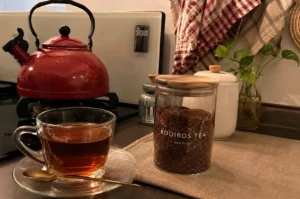
Red Bush Tea: The Tea That Does Not Need to Shout
There is a red pot in my mother’s kitchen that only comes out in the evening. By then the coffee has done its work and gone quiet. The day has loosened. She fills the kettle, drops in a spoonful of something the colour of dried autumn, and lets it sit while she tidies the last…
-
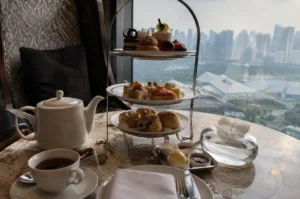
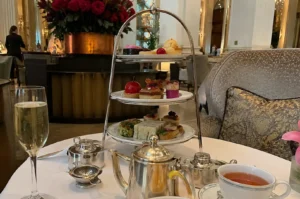
Hear Me Out: High Tea Is Overrated
Hear me out: high tea is one of the most convincing ways we have found to make snacking feel important. I understand the appeal. The room is polished, the cups are delicate, and everything arrives in miniature. There is something satisfying about sitting down in the middle of the afternoon and behaving as though time…
-
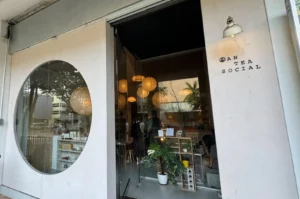
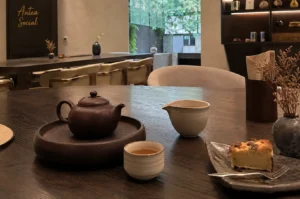
Where Tea Is Given Time to Speak: Anteasocial Review
I almost walked past it. Owen Road Singapore doesn’t announce much. A quiet stretch, low buildings, the kind of road you pass through on the way to somewhere louder. Then there it was, unassuming, just numbers on a wall: 117. Anteasocial is a contemporary Oriental specialty teahouse in Singapore, and if you’re looking for a…
-
A Table Set for Stillness: Inside Antea Social’s Quiet Tea Ritual
Luxury usually announces itself before we have time to question it. It arrives through marble lobbies, silver stands and tiny sandwiches placed in strict formation. Antea Social offers a quieter argument. This is not afternoon tea in the familiar hotel sense. There is no grand procession of pastries or waiter lifting a polished lid. Instead,…
-
9 High Tea in Orchard Places for Scones, Tea, and a Quiet Afternoon
There is a particular kind of tiredness that comes from Orchard Road. Not the tiredness of a hard day, but the softer sort, the ache of too many shopfronts, too much bright glass, too many people moving faster than you feel like moving. And somewhere in the middle of all that, if you know where…
-
High Tea Orchard: Why the City Still Does It Best
It is easy to dismiss high tea in Orchard as an expensive pause between shopping bags. The tiered stands are photogenic, the hotel lounges polished, and the prices increasingly difficult to defend. ome scones arrive dry. Some savouries feel like banquet food made miniature. Some desserts are designed more for cameras than appetite. Still, Orchard…
-
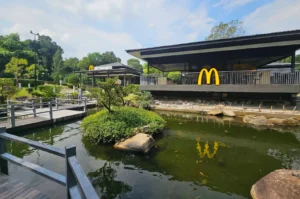
McDonald’s Queensway Ridout Tea Garden Review: What It Is Like Dining in a Heritage Setting
I did not expect to find quiet at a McDonald’s Queensway Ridout Tea Garden outlet. But there I was, standing outside the McDonald’s outlet at 580 Queensway, listening to the water instead of the traffic. A much loved pond sat just beyond the glass, surrounded by stone lanterns and trees leaning over it. Somewhere behind…
-
Understanding Tea Beyond the Cup
Tea is deceptively simple. A cup of hot water and leaves. And yet, it carries centuries of culture, craftsmanship, and subtlety that many of us may overlook. As tea lovers, we often focus on taste, aroma, or ritual, but there is more beneath the surface. Take the leaves themselves. Different cultivars, growing regions, and harvest…
-
Clifford Pier High Tea Review: Local Flavours by the Waterfront
I went looking for a building that no longer serves tea. The Clifford Pier still stands where it always has, at the edge of Marina Bay, its old timber trusses arching overhead like the ribs of something patient. But when I arrived, hoping to relive a Heritage Afternoon Tea I’d taken there years ago, I…