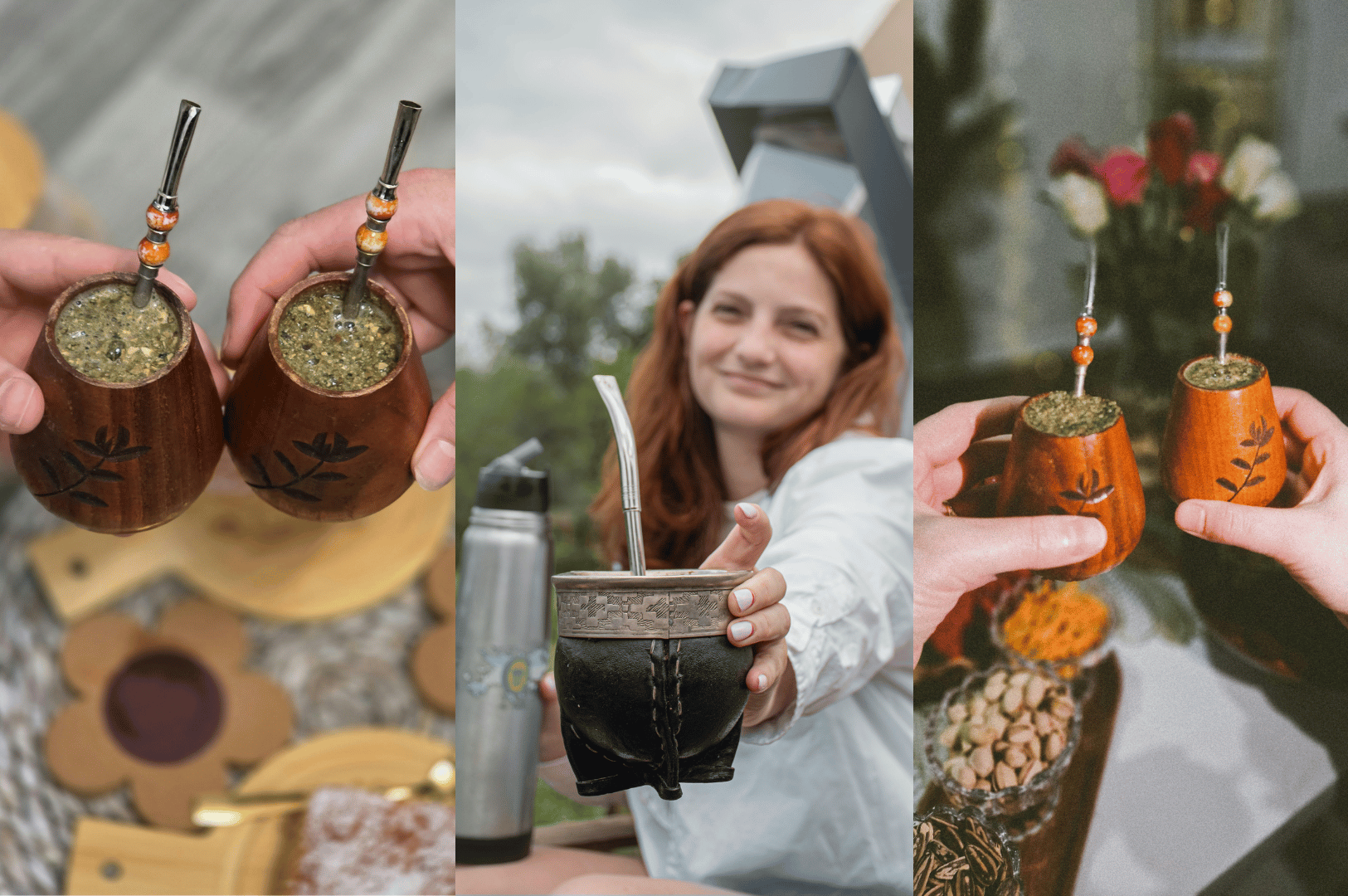
Picture a sun-drenched plaza in Buenos Aires, where the air hums with laughter and the scent of fresh flowers. In the center, friends gather in a close-knit circle, a cherished gourd filled with fragrant yerba mate tea making its way from hand to hand. Each person sips this herbal tea—brewed from green yerba mate leaves—through a bombilla, a traditional metal straw, before refilling the gourd and passing it to the next. This daily ritual, rooted in the traditions of indigenous people, is more than a drink—it's a symbol of Argentine camaraderie, history, and joy.
While yerba mate has centuries-old origins as a traditional South American drink, today it has emerged as a global wellness beverage, gaining international popularity for its bold flavor, rich nutrients, and distinctive health benefits. This is the story of mate’s remarkable journey from a sacred tribal ritual to a global health phenomenon, connecting ancient traditions with contemporary lifestyles.
The Indigenous Origins of Yerba Mate Leaves: A Traditional South American Drink
Long before the world knew mate, the indigenous Guaraní people of South America revered the yerba mate plant (Ilex paraguariensis). They discovered its energizing properties by brewing mate as a herbal tea, using wild yerba mate leaves found deep in the rainforest. One enduring legend tells how the moon goddess Yarí and her friend, the cloud, descended to earth and rewarded a kind old man and his daughter with the first yerba mate plant. This “drink of the gods” became essential for physical performance, tribal rituals, and spiritual ceremonies.
Drinking yerba mate fostered unity and gratitude, with the leaf and gourd passed around campfires to build trust and kinship. Traditional harvesting involved wild collection—gatherers would pack the fresh leaves, toast them over open flames to unlock their flavor, and store the dried mate in bags for future journeys. Whether chewed or brewed, yerba mate was prized for enhancing vitality, warding off stress, and providing sustenance during endurance treks—a living testament to the wisdom of indigenous people.
Colonial Influence and the Rise of Yerba Mate and Mate Tea Culture
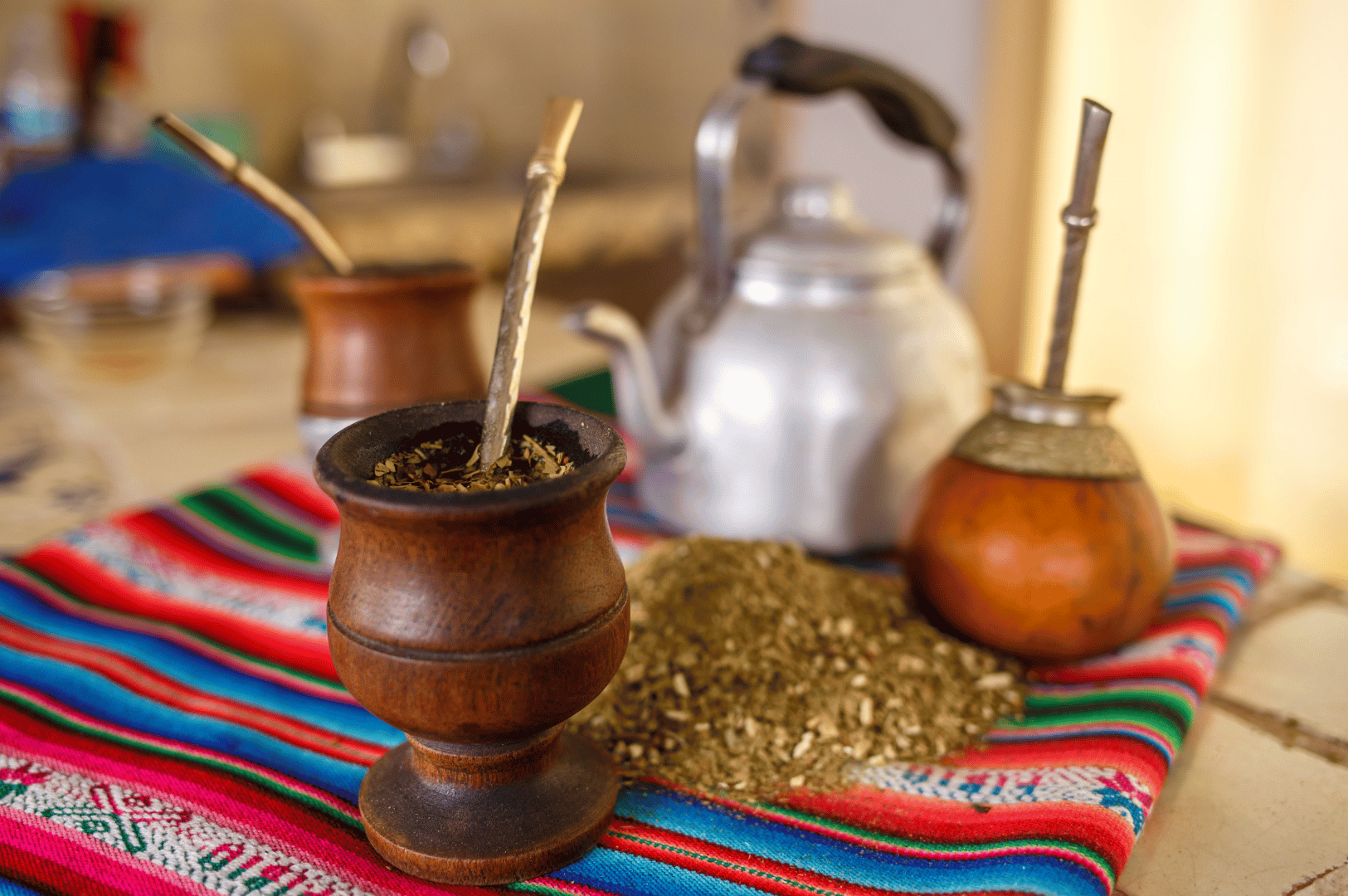
With the arrival of Spanish and Portuguese colonists in South America came both skepticism and fascination with mate consumption. Jesuit missionaries, recognizing the benefits and appeal of yerba mate tea, studied the Guaraní’s techniques and soon began cultivating the yerba mate plant on systematic plantations, known as reducciones. These efforts led to the first organized production and broader distribution of mate tea, which quickly became popular across social classes and regions. It was traditionally consumed hot with a metal straw, making its way from gauchos on the pampa to aristocrats in colonial salons. Because of its role in trade and daily consumption, yerba mate soon became a major regional commodity and hides in economic significance. The yerba maté trade flourished, and yerba mate tea was embraced as not just a beverage but an emblematic form of social and cultural identity across Argentina, Brazil, Paraguay, and beyond.
The Anatomy of Yerba Mate Tea
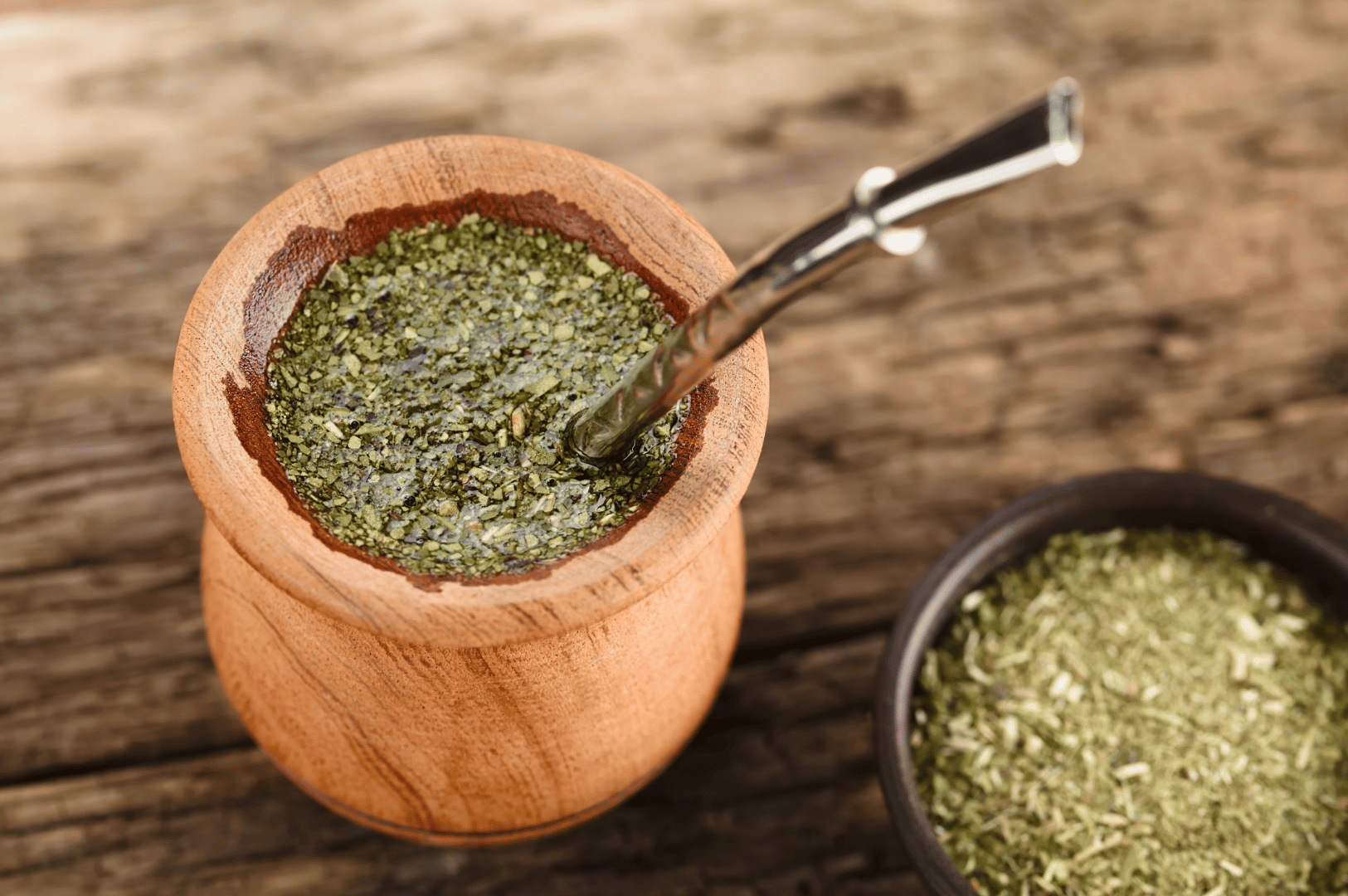
The source of this celebrated brew is Ilex paraguariensis, an evergreen tree belonging to the holly family. Native to the subtropical rainforests of South America, it thrives in the rich, acidic soil and humid climate found in specific regions. In Argentina, the primary growing zones are the provinces of Misiones and Corrientes, which together produce the vast majority of the world's yerba mate. Much like wine grapes, the flavor of mate can vary depending on its specific terroir. Modern harvesting is a careful process, typically occurring between April and September when the leaves have the highest concentration of flavor and nutrients. To ensure the longevity of the industry, many plantations now follow sustainable cultivation practices, focusing on soil health, biodiversity, and selective harvesting to protect the Ilex paraguariensis trees for future generations.
The Chemistry Behind the Energy Boost
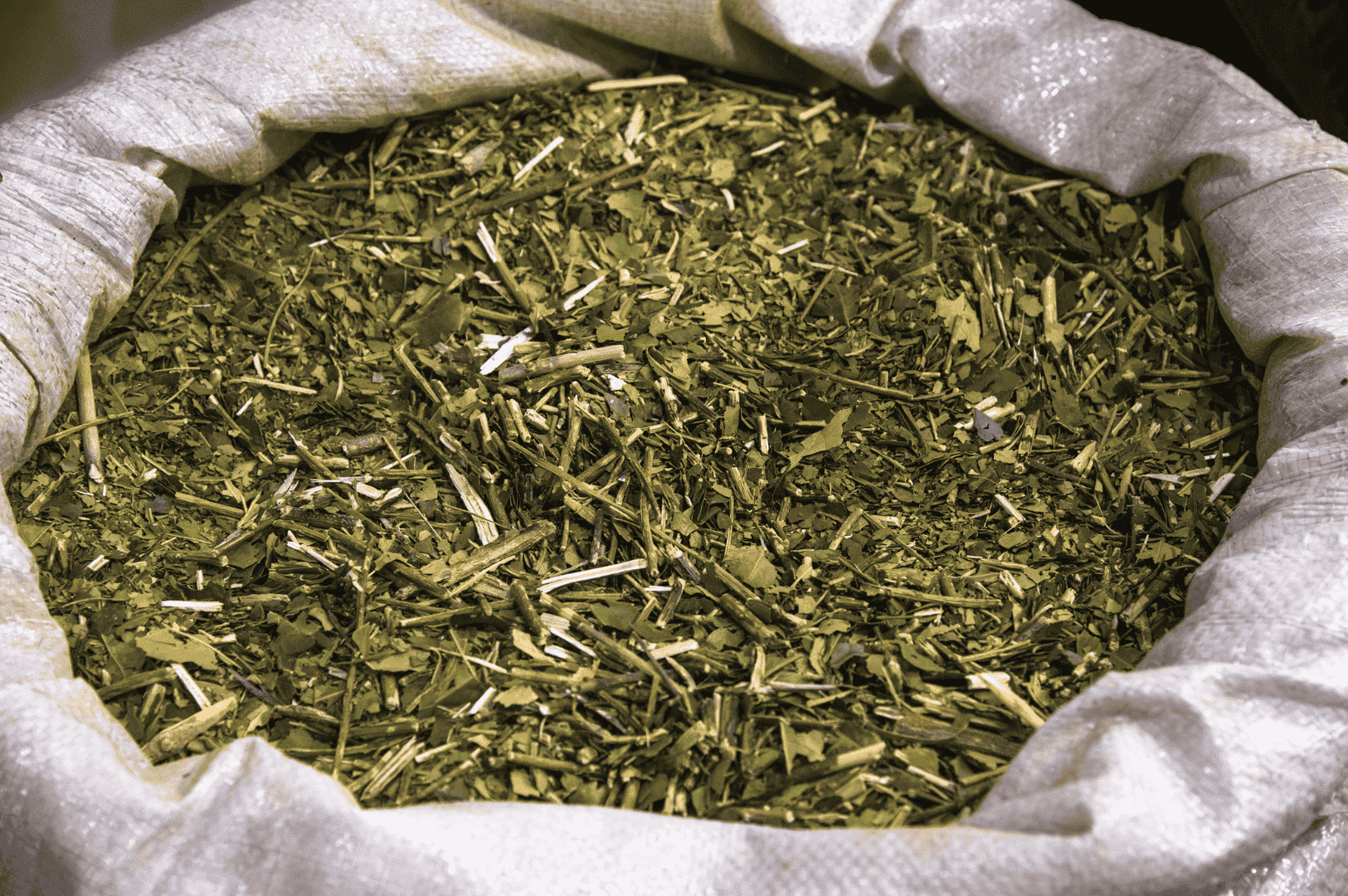
What sets yerba mate apart from every other beverage is its unique chemical makeup. Mateine—a compound nearly identical to caffeine—combines with theobromine and theophylline (also found in chocolate and tea) to deliver a “smooth” and sustainable energy boost. One cup of mate typically has 70–80 mg of caffeine, less than coffee but more than many teas. This balance means you get mental clarity and enhanced physical performance without the jitters or trouble sleeping often linked to coffee. Scientific research, including systematic reviews, shows that mate’s supportive compounds enhance focus, cognitive function, and can even reduce stress. The combination of mate tea’s herbal stimulants and B vitamins, minerals, and other nutrients contributes to its reputation as a functional drink—beloved by students, athletes, and workers seeking mindful productivity.
Health Benefits: Traditional Claims and Modern Research
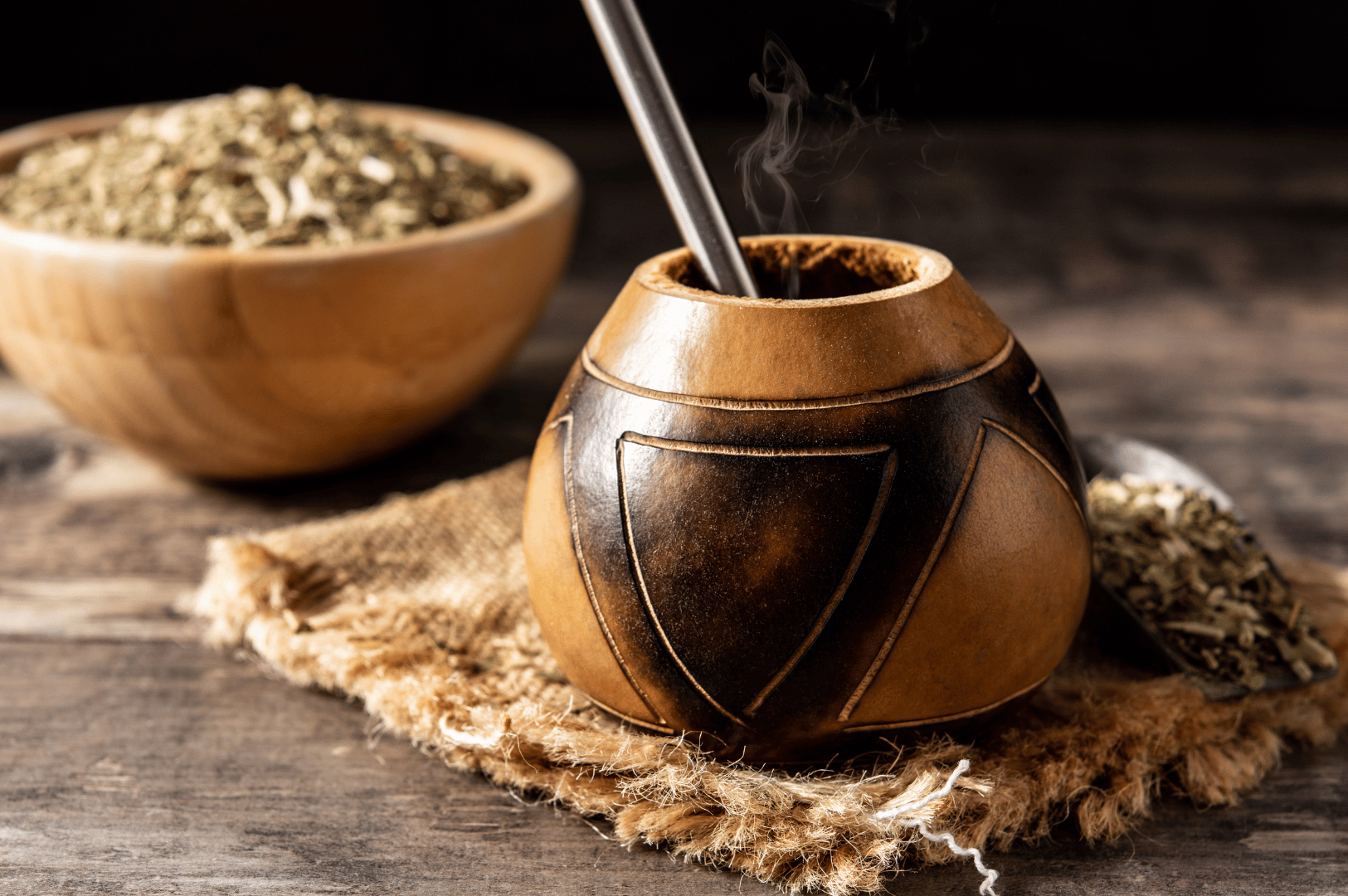
For centuries, South American cultures have used yerba mate as a traditional remedy for fatigue, digestive issues, and as a general health tonic. Modern science is now beginning to validate many of these claims. Mate is packed with antioxidants, particularly polyphenols like chlorogenic acid; absolute comparisons depend on leaves and prep. These compounds help combat oxidative stress and inflammation in the body. Some studies have also shown that mate can have a positive effect on metabolism, potentially aiding in weight management by increasing fat oxidation and promoting a feeling of satiety. However, it's important to have a balanced discussion. It’s also important to note that drinking very hot beverages (≥65 °C) is linked to increased esophageal cancer risk—the IARC emphasizes that temperature, rather than mate itself, is the main concern. As with any beverage, moderation and comfortable temperatures are key.
The Social Ritual: Mate Circle Etiquette
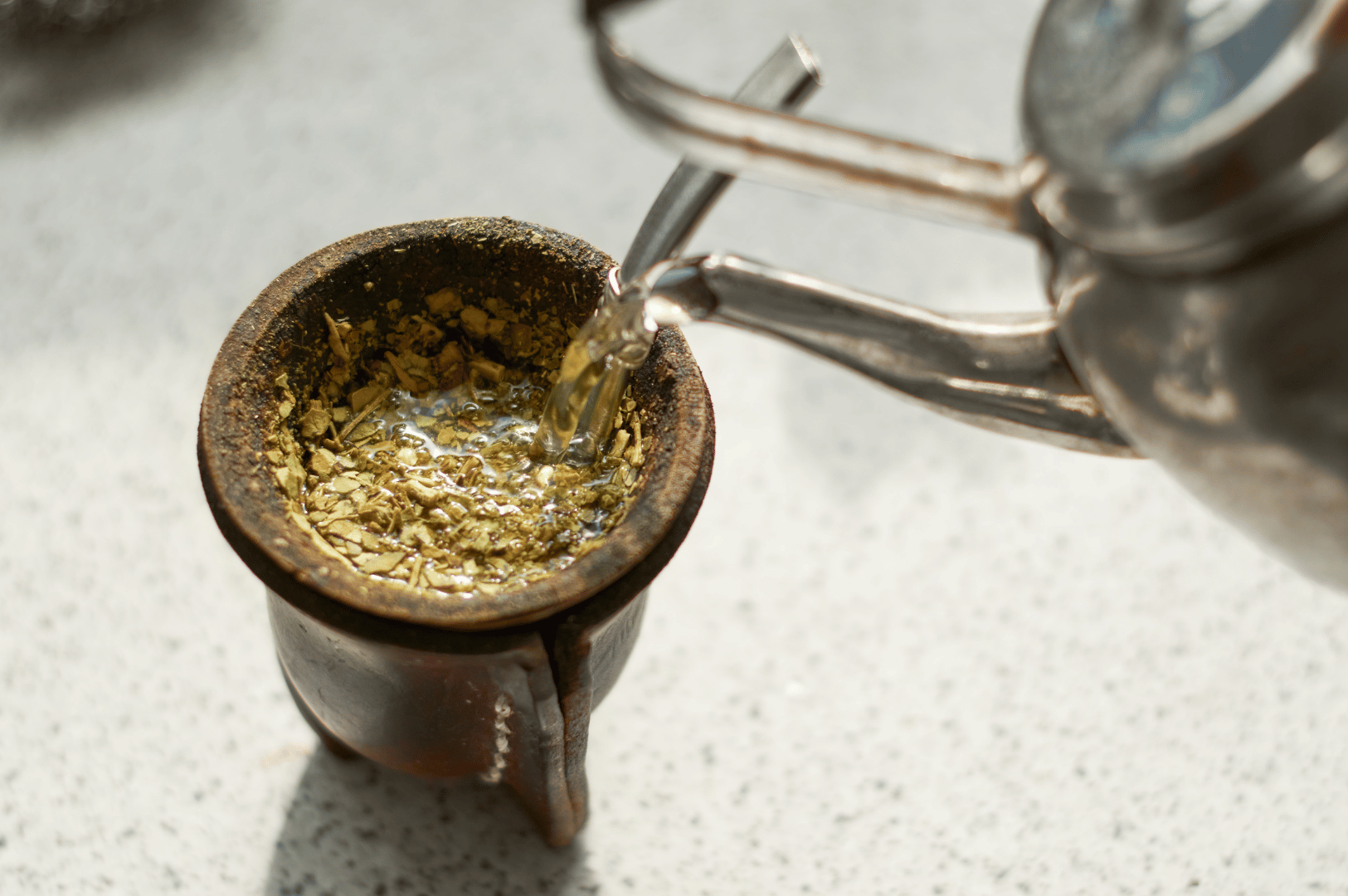
In Argentina, drinking mate is rarely a solitary act; it is a shared experience governed by a specific set of rules. The ronda de mate (mate circle) is a fundamental social institution. One person takes on the role of the cebador (server), who prepares, serves, and maintains the mate. The cebador drinks the first, often bitter, infusion to test the temperature and flavor. They then refill the gourd and pass it to the person on their right. Each person drinks the entire gourd, then passes it back to the cebador to be refilled for the next person in the circle. Saying "gracias" (thank you) is a signal that you are finished and do not wish to be served again. This ritual is more than just sharing a drink; it reinforces social bonds, encourages conversation, and serves as a powerful symbol of friendship and community.
Yerba Mate Beyond Argentina

The allure of mate extends far beyond Argentina’s borders. In Uruguay, mate tea is a beloved symbol of daily life, with residents often carrying a thermos for adding hot water as needed. In Paraguay, mate is commonly served cold as tereré, with ice and local herbs—ideal for hot summer days. Brazil treasures its own variant, chimarrão, a green, creamy mate brewed in a large container and sipped from a metal straw. The subtle flavor and versatile form mean this herbal tea adapts to each region’s climate, customs, and history. Across Europe, North America, and Asia, waves of South American immigrants (and many new enthusiasts) have helped propagate mate culture, making it a symbol of hospitality, wellness, and community from Berlin to Tokyo.
The Modern Revival and Global Spread of Yerba Mate

No longer limited to its South American roots, mate tea is enjoying a modern revival as a global beverage sensation. Health-conscious consumers recognize yerba mate for its high antioxidant content, natural caffeine, and overall health benefits. Its many forms—energy drinks, sparkling mate, sweetened or unsweetened iced mate, and even mate-infused herbal teas—are rapidly populating supermarket shelves in North America, Europe, and Asia. Celebrity endorsements (think Lionel Messi with his mate gourd in hand) have heightened awareness, propelling mate into the spotlight of superfood trends and wellness culture. As more research reveals its benefits, mate is being marketed not only as a traditional south american drink but as a powerful functional beverage for every lifestyle—traditionally consumed or innovatively reimagined.
Innovative Mate Products in the Global Market
Today's mate innovation scene is thriving. Ready-to-drink mate beverages, mate-infused chocolates, herbal supplements, and even skincare products now capture consumers' attention. Designer mate gourds made of silicone, glass, or stainless steel add flair to traditional rituals. Consumers can explore specialty mate blends with hints of peppermint, flowers, or chocolate, proving that mate’s appeal lies in both heritage and creativity. Each new product celebrates the versatility of the yerba mate plant and its role as a beverage of wellness and joy.
Conclusion: The Enduring Legacy of Yerba Mate
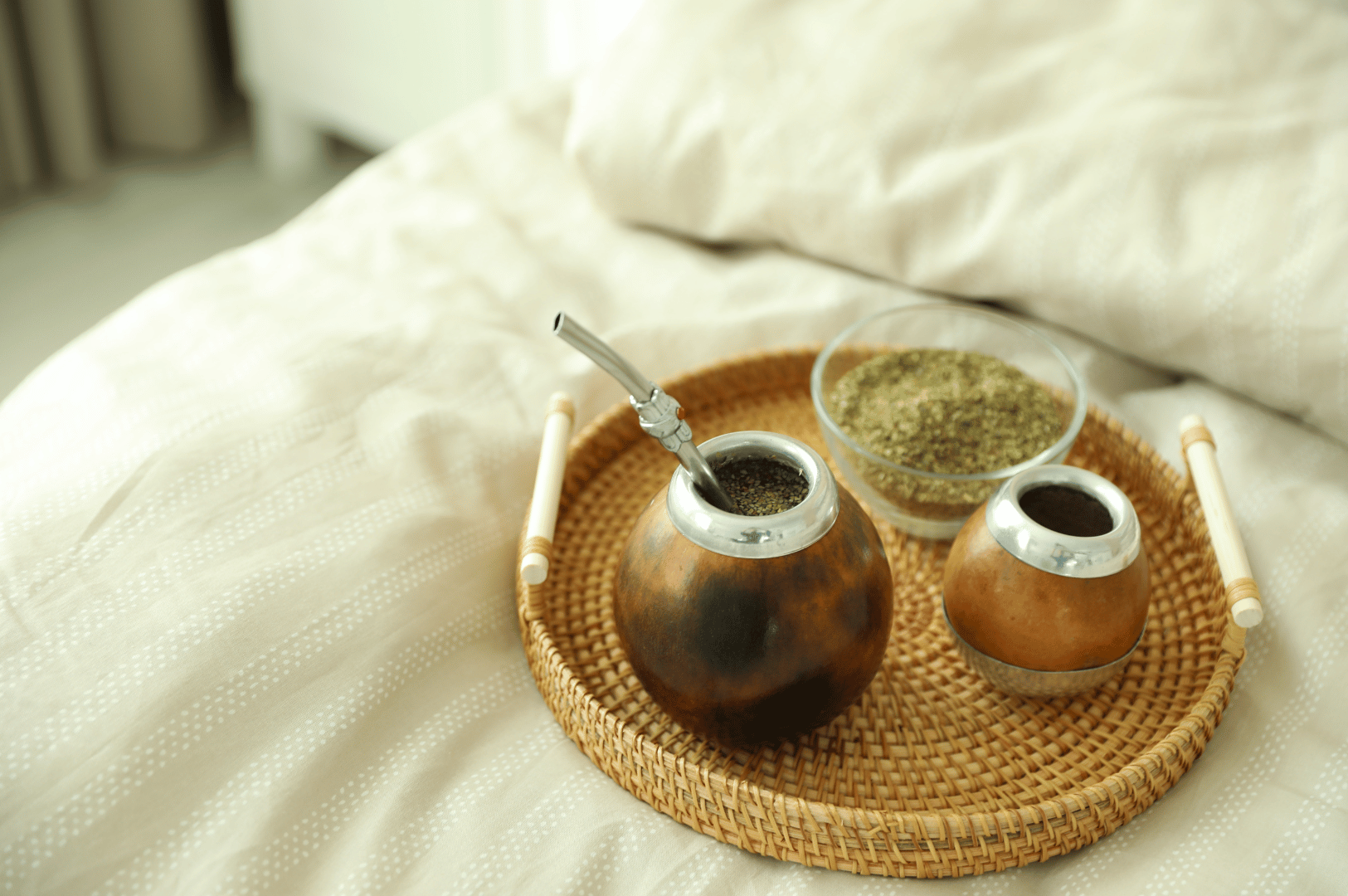
Yerba mate’s rich and current history—from an herbal tea of indigenous rainforests to a global energy drink enjoyed in stylish cafés and family circles—speaks to its ability to bridge cultures and eras. Balancing cultural authenticity with modern evolution, yerba mate continues to symbolize Argentine identity, wellness, and connection. As yerba mate consumption grows worldwide, its essence—the shared cup, the gourd passed among friends—remains unchanged, inspiring joy in every sip. Whether enjoyed hot from a traditional container or chilled with ice, yerba mate invites you to embrace a ritual steeped in heritage and to experience firsthand the enduring delight and benefits of this extraordinary drink. If you enjoy spiced traditions like masala chai or nuanced Chinese greens like Longjing (Dragon Well), explore our guides.

“Detox Tea” Is Mostly Marketing: Here’s What Tea Actually Does
I have always found the phrase “detox tea” a little strange. Not because I dislike tea. Quite the opposite. Tea has been part of my daily life for years. I love the quiet ritual of choosing leaves, waiting for the water, and taking a moment to slow down. But somewhere along the way, tea became…
-
The Tea House That Time Did Not Forget: Tea Chapter Trading Pte Ltd
I almost walked past it. Located at Nine Neil Road, Tea Chapter Trading Pte Ltd sits quietly, a three-storey shophouse just across from Maxwell MRT in Singapore, its restored facade catching afternoon light. Around it, Chinatown moves at its usual pace. Inside, something slower has been happening since October 1989. I stepped in on a…
-
Expensive Tea Doesn’t Guarantee a Better Cup, Here’s Why
There is a belief in tea that we rarely question. If something costs more, it must be better. It is an understandable assumption. A rare tea from a respected region, carefully harvested and beautifully packaged, naturally creates expectations. We associate price with effort, craftsmanship, and quality. And often, that connection is justified. But not always….
-
SUN with MOON Singapore at Wheelock Place: A Unique Tea Dining Cafe Experience on Orchard Road
The lunch crowd had gone. Dinner hadn’t arrived yet. I came in during that strange, in-between hour, a little after three on a weekday, when the escalators at Wheelock Place hum quietly and Orchard Road feels almost gentle. Most people were still at their desks. I wasn’t. I wanted tea, and I wanted to sit…
-
Cold Brew Tea Is Underrated (And Hot Purists Are Missing Out)
I used to think tea had to be hot. There was something about the ritual of it. Boiling water, warming the pot, watching the leaves open. A proper cup of tea seemed to require steam. Then I tried cold brew tea, and I had to admit something slightly uncomfortable. I liked it. More than I…
-
All Things Delicious Review: The Quiet Pleasure of Tea and Cake.
There’s a particular kind of afternoon that asks for tea, and All Things Delicious answers it with a quiet, comforting tea-and-cake experience on Arab Street: handmade sweet treats, warm approachable teas, and a room that makes simple pleasures feel like enough. Not coffee, with its urgency. Tea. The slow kind, poured while the conversation drifts…
-
Wellness Tea Is a Scam, but Tea Can Still Be Good for You
There is a strange contradiction in the way we talk about tea today. For centuries, tea was appreciated for its taste, its rituals, and the moments it created. Today, it is often sold as something else entirely. A solution. A promise. A shortcut. The language surrounding wellness tea has become increasingly familiar. Detox tea. Cleansing…
-
Camellia Tea: A Blossom, A Leaf, A Legacy Rooted in Camellia Sinensis
My grandmother kept her camellia tea in a battered tin that had once held biscuits. She never called it anything fancy. It was just cha, brewed strong in the mornings using fresh tea leaves from the tea plant, poured into small cups that had lost their matching saucers years ago. I didn’t know then that…
-
Why “Caffeine-Free Tea” Marketing Should Be Regulated (Seriously)
Hear me out: we have become far too comfortable with the phrase “caffeine-free tea.” It appears on beautiful packaging, wellness websites, and café menus with the confidence of a health guarantee. The words suggest calm evenings, better sleep, and a gentler relationship with what we drink. But there is a problem. The phrase sounds clearer…
-
The Forgotten Luxury of Sitting Still at Japanese Tea House
You stoop to enter the traditional japanese tea house. That is the first thing the tea house asks of you, before the tea, before the talk, before anything at all. The doorway is low, deliberately so, and even the tall must bow to pass through it. In that small act of folding the body, something…