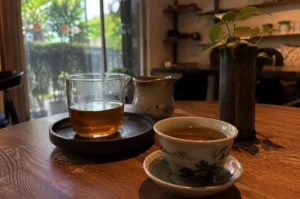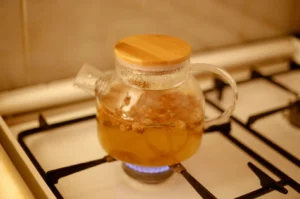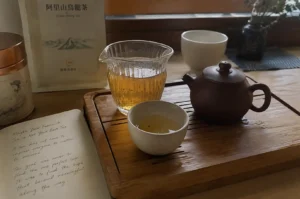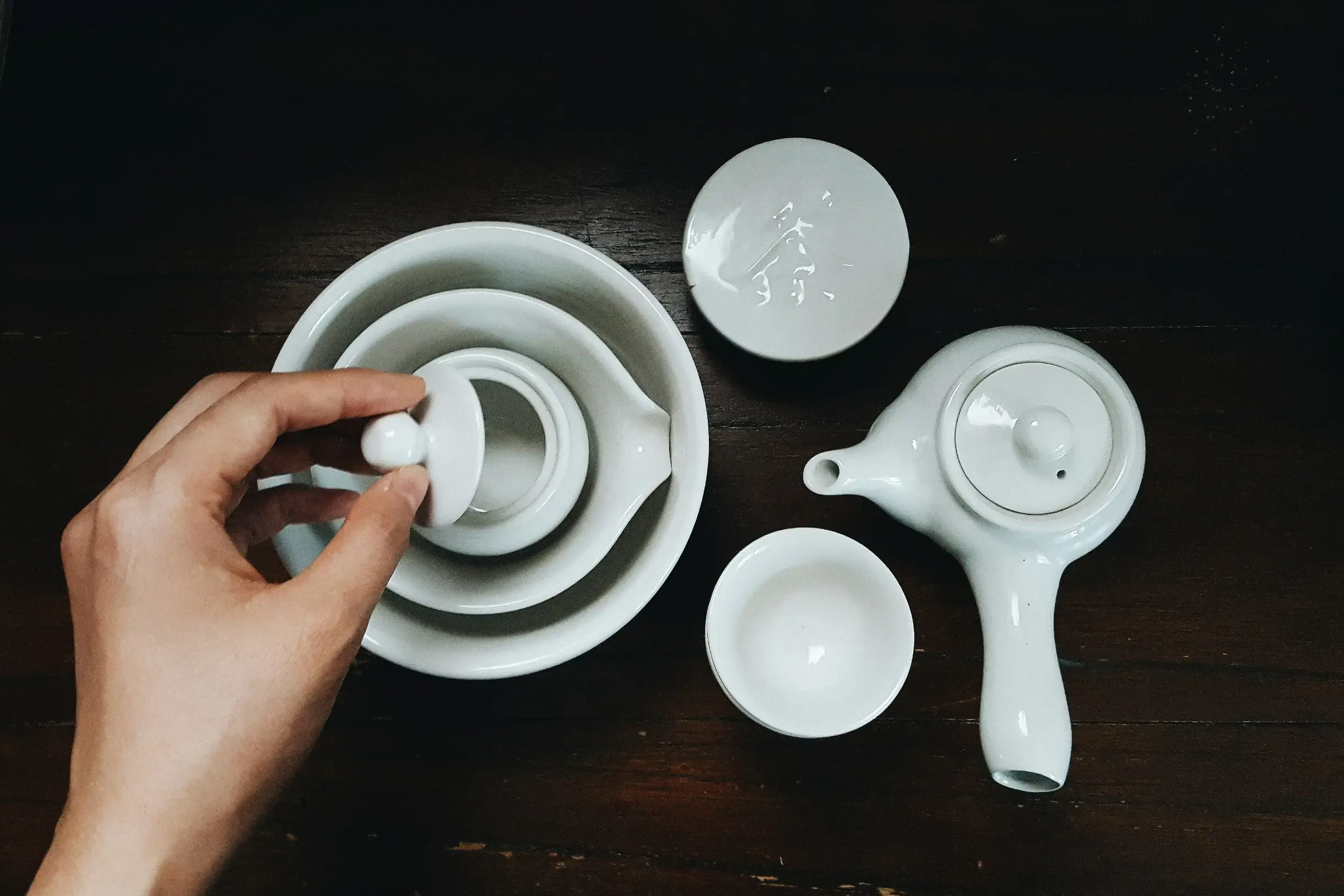
Walking through Chinatown’s Mosque Street, you encounter two distinct tea traditions that embody Singapore’s rich heritage and evolving culture. Pek Sin Choon, one of the oldest tea merchants in Singapore, stands as a living root of Chinese tea culture, while modern teaware shops offer a fresh perspective on tea appreciation through design and brewing systems. Together, they reveal the wide array of ways tea leaves and premium tea are experienced in this vibrant city.
Pek Sin Choon: The Heart of Chinese Tea Tradition
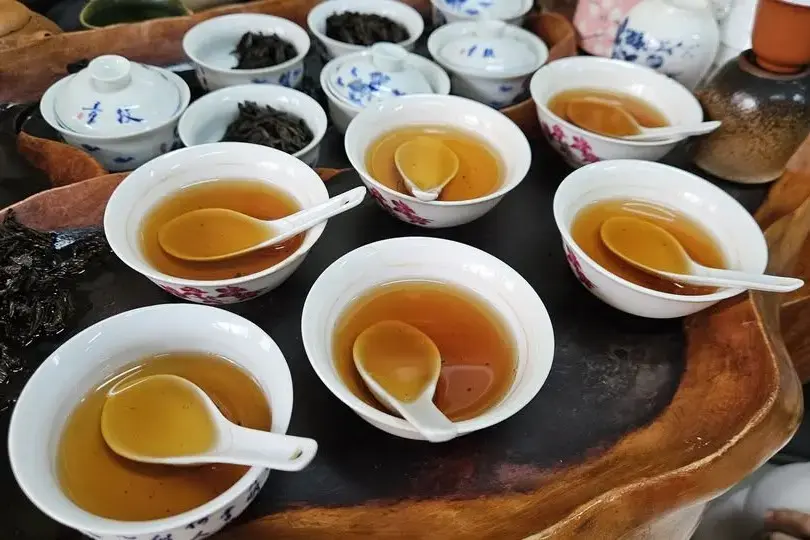
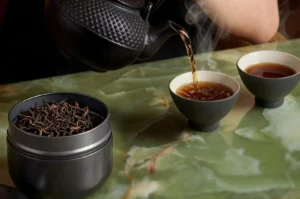
Established in 1925, Pek Sin Choon is a historic tea shop deeply rooted in Singapore’s tea culture. Known for its signature Nanyang tea blends, Pek Sin Choon supplies over 80% of bak kut teh shops, defining the taste of this iconic local food and beverage. The shop’s identity is tied to traditional methods: tea leaves are imported from China, roasted, blended, and packed manually, preserving a heritage that honors the senses and passion of generations.
At Pek Sin Choon, tea appreciation centers on the leaf itself. Customers purchase loose tea leaves, such as pu erh, oolong, and tie guanyin, selected by type, roast, and harvest grade. The tea is packed in simple, traditional packaging, often gifted as a small gift to friends or family, symbolizing respect and connection. The store’s atmosphere, thick with the roasted aroma of premium tea, invites visitors to sip and savor tea the same way their mothers and grandfathers did.
Read more about Chinese tea traditions here.
Modern Tea Shops: Curated Tea Appreciation and Brewing Systems
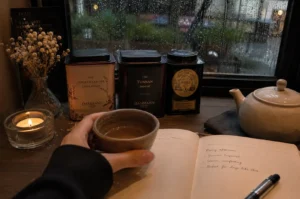
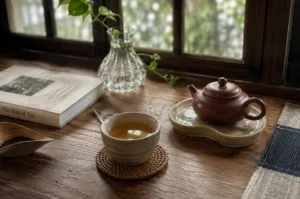
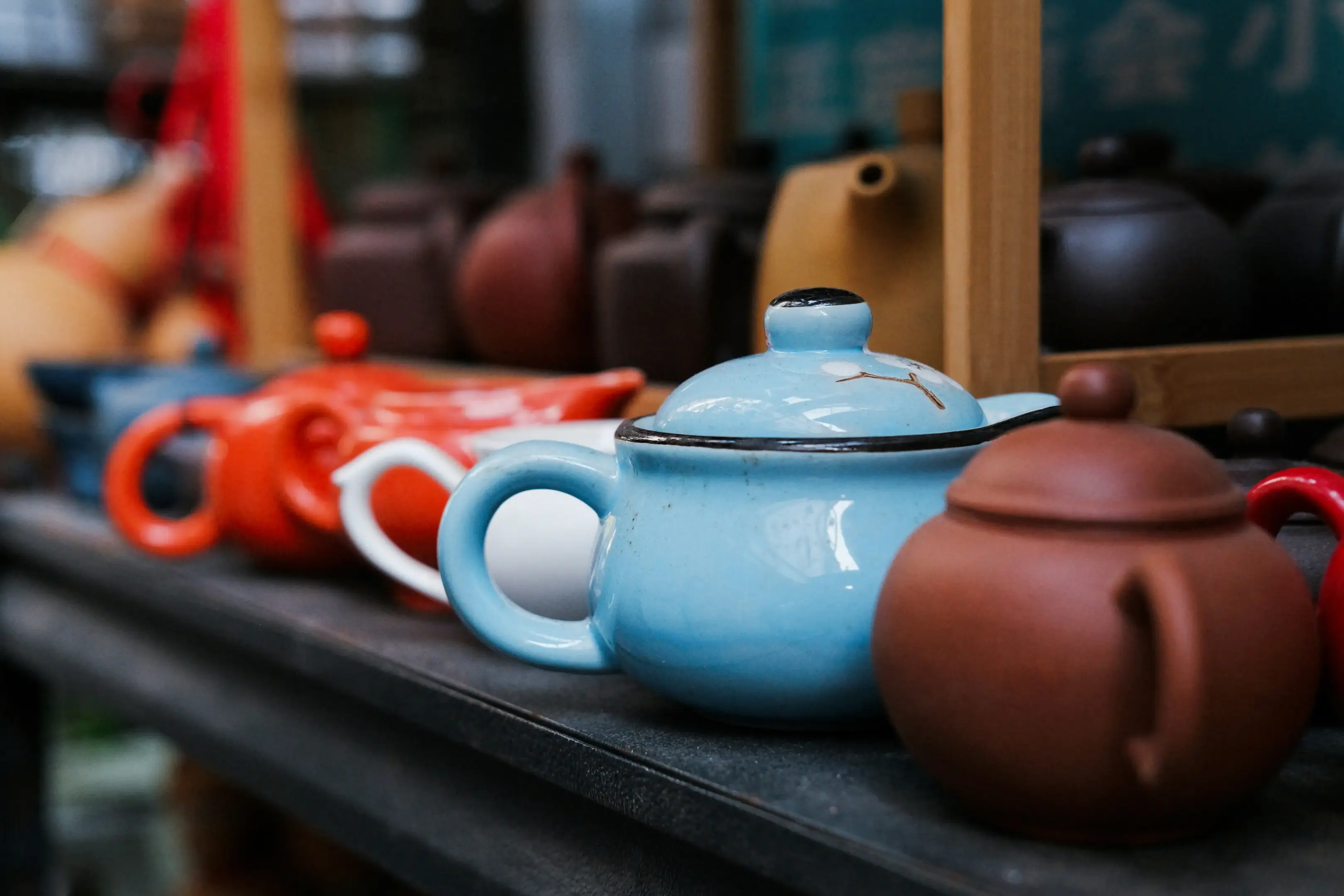
In contrast, modern tea shops in Singapore present tea appreciation as a curated experience centered on brewing tools and aesthetics. These shops showcase premium tea alongside a wide array of teaware like gaiwans, clay teapots, glass pitchers, and textured cups, each selected to enhance the flavour and aroma of specific tea leaves.
Here, tea is introduced as a structured system. Customers learn multi-step brewing techniques and the importance of temperature, steeping time, and vessel material. This approach transforms drinking tea into a mindful ritual that engages all senses, with the teaware often becoming a statement of personal taste and lifestyle.
Modern tea shops also offer educational experiences, guiding visitors through the nuances of tea types like tie guanyin or pu erh, and the subtle flavour notes that distinguish each harvest. This method appeals to a new generation eager to explore tea beyond mere consumption, turning each sip into a moment of discovery and appreciation.
Pek Sin Choon and Nanyang Tea: A Unique Blend
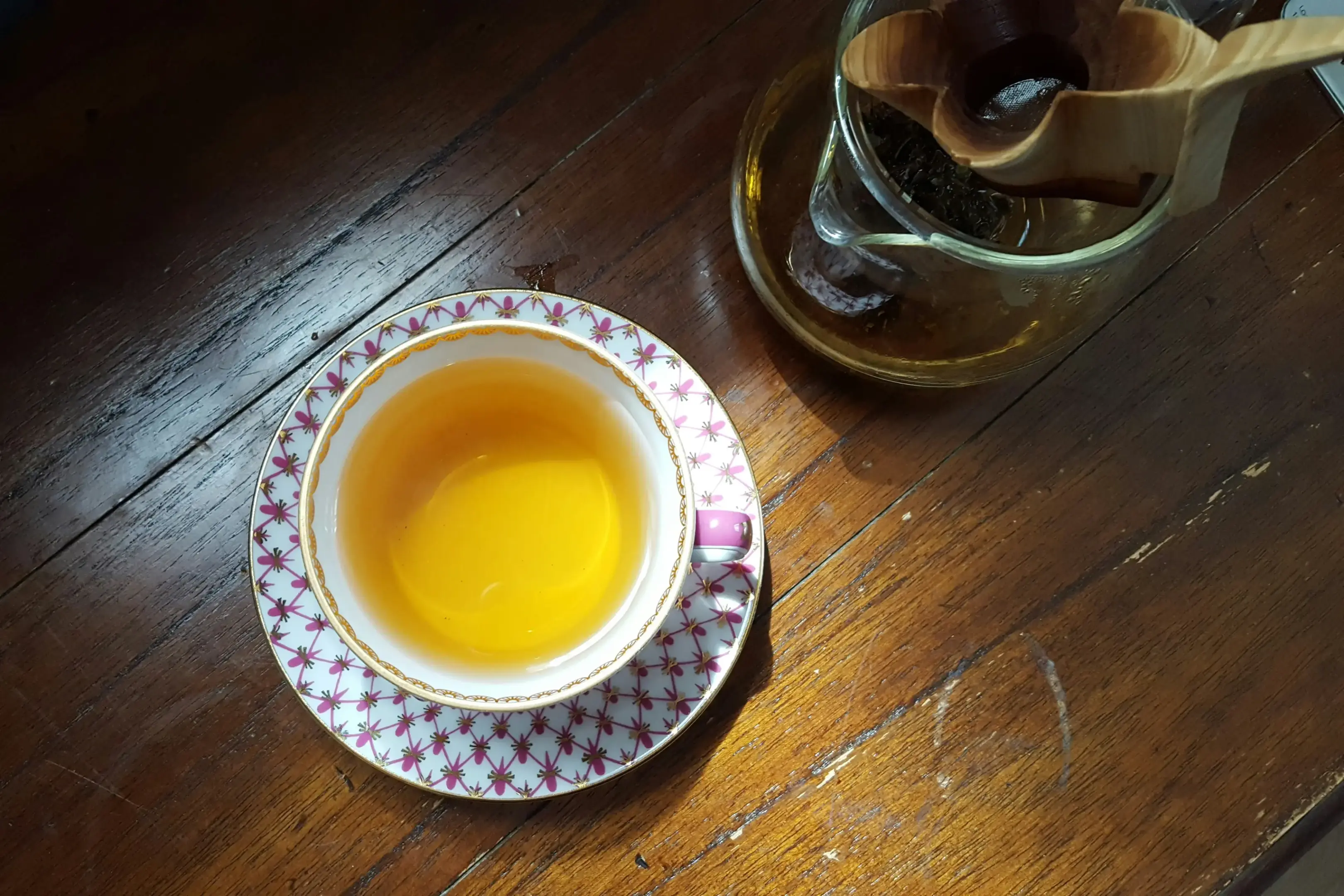
Pek Sin Choon’s Nanyang tea is a blend uniquely crafted in Singapore, reflecting the city’s multicultural palate. These blends are roasted and mixed locally to complement bak kut teh, a beloved food that pairs perfectly with the slightly bitter, roasted notes of the tea. This blend’s popularity underscores Pek Sin Choon’s role not just as a supplier but as a cultural custodian, preserving and promoting a traditional flavour profile that is distinctly Singaporean.
Tea Leaves and Premium Tea: The Common Ground
Despite their differences, both Pek Sin Choon and modern tea shops share a commitment to premium tea quality. Whether it’s the carefully sourced pu erh from China or the fragrant tie guanyin, the emphasis remains on the tea leaves’ origin, grade, and processing. Both traditions invite consumers to taste and decide for themselves, fostering a deeper understanding of tea’s complexity.
Tea Appreciation: Tradition Meets Modernity
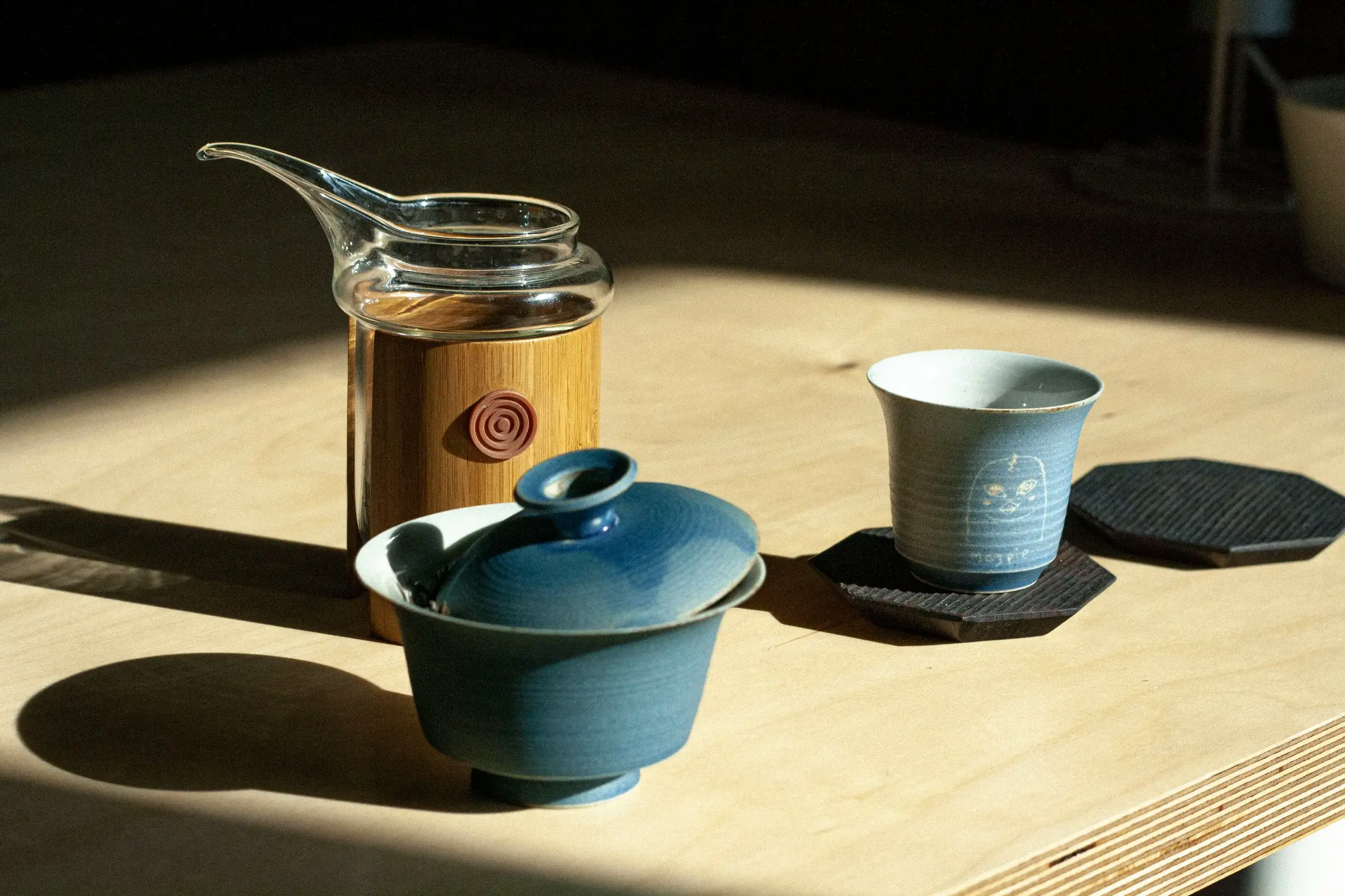
Tea appreciation in Singapore is undoubtedly enriched by the coexistence of these two tea cultures. Pek Sin Choon offers an authentic, tradition-rooted experience where tea is a daily beverage connected to family and history. Modern tea shops provide an interactive, design-focused exploration that elevates tea drinking to an art form. For those starting their tea journey, it can be helpful to check out guides about tea shops and tea ware shops.
Visitors to Chinatown can enjoy this duality: from sitting in Pek Sin Choon’s historic shop, watching tea packed and sold much like in decades past, to visiting contemporary tea shops where tea appreciation is taught through curated sets and brewing workshops.
Small Gifts and Cultural Connection
Tea from Pek Sin Choon often serves as a meaningful small gift, packed with cultural significance. Presenting premium tea leaves or a blend like Nanyang tea to friends or family is a gesture that transcends the beverage itself, symbolizing care and shared moments. This tradition continues to thrive alongside modern gifting trends that favor stylish teaware sets and curated tea blends.
Conclusion: Two Paths to the Same Cup
Pek Sin Choon and modern tea shops represent two complementary ways to engage with tea in Singapore. One honors the root of Chinese tea culture through simplicity and heritage; the other invites exploration through premium tea and the art of brewing. Together, they enrich Singapore’s tea landscape, offering every tea lover, whether beginner or connoisseur, a chance to sip, taste, and appreciate tea in their own way.
By embracing both traditions, Singapore continues to celebrate tea as a timeless beverage and a living culture, where every cup tells a story of passion, history, and community.

Pryce Tea: A Modern Pour with Old Tea-Room Ambitions
I visited on a weekday afternoon, around three, when the city had quieted into that particular lull between lunch and the evening rush. I’d been curious about Pryce Tea for a while, mostly because the brand keeps surfacing among people who talk about teas the way some people talk about wine. With a reputation built…
-
The Seasons in a Tin: How Weather Shapes What I Reach For
I have a small habit that I never really noticed until recently. The weather changes, and somehow, so does the tea I want. On a hot afternoon, I find myself reaching for something light and floral. When rain settles over the windows, I want something darker, warmer, perhaps a little more comforting. On those rare…
-
Ginger Lily Afternoon Tea on Orchard Road: A Floral Chapter in Singapore’s Culinary Story
I noticed the ginger lily flowers before I noticed anything else. Not real ones, exactly. A wall of them, suspended in resin, catching the light as I stepped off the lift on Level 5 at Hilton Singapore Orchard, home to Ginger Lily, a floral-themed afternoon tea lounge on Orchard Road. I stood there a second…
-
Minimalism, But Make It Warm: A Simpler Way to Drink Better Tea
There is a certain irony about tea. The more we learn about it, the easier it becomes to complicate it. A simple cup of leaves and water slowly becomes surrounded by equipment, measurements, techniques, and expectations. We begin collecting teapots, comparing brewing methods, and searching for the perfect setup. None of these things are wrong….
-
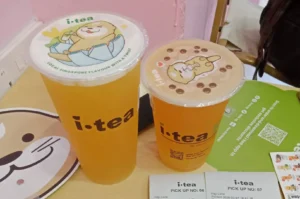
A Humble Cup in an Age of Overdesigned Drinks: iTea Review
The bubble tea I queued for last month came with a caramelized brûlée top I had to crack with the back of my spoon. It was fine. Pretty, even. But somewhere between the torched sugar and the cheese foam and the third topping I didn’t ask for, I lost the drink itself. So I went…
-
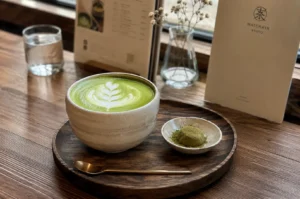
Matcha Hype Has Gone Too Far (But I Still Drink It)
I have a confession. I am slightly tired of seeing matcha everywhere. Not because I dislike matcha. In fact, I drink it quite often. But there is something amusing about watching a humble tea become the centre of every café menu, wellness conversation, and social media trend. Matcha has gone from a traditional Japanese tea…
-
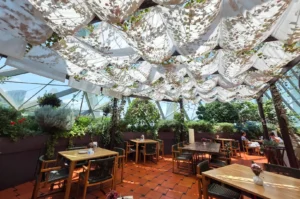
Hortus Afternoon Tea Review: When the Garden Becomes the Occasion in the Flower Dome
I forgot, for a moment, that I was indoors at Hortus, the Mediterranean restaurant nestled within the Flower Dome at Gardens by the Bay. There were trees above me, real ones, and the air held that cool, green stillness you usually find early in the morning somewhere far from the city. A leaf drifted down…
-
The Real Reason Your Tea at Cafés Tastes Flat
There is a particular disappointment that comes with ordering tea at a café. You see the menu. You notice the carefully written descriptions. Perhaps there is a mention of fragrant jasmine, roasted oolong, or a carefully selected blend. The presentation arrives beautifully arranged, and for a moment, there is anticipation. Then you take the first…
-
Herbal Tea in Chinese: A Cup Shaped by Heat, Balance, and Belief
The first sip was bitter. I was maybe seven, and my grandmother had pressed a small ceramic cup into my hands, dark liquid inside, steam curling up between us. She didn’t explain. She just said, “Drink. You’ve been too heaty.“ I made a face. She didn’t smile. She just waited until I finished. Years later,…
-
Maybe Your Favourite Tea Is Not Your Best Tea
I have a tea sitting in my cupboard that I would never call my “best” tea. It is not the rarest. It is not the most expensive. It does not come with an impressive story about ancient tea trees, remote mountains, or a limited harvest. And yet, I drink it more often than almost anything…