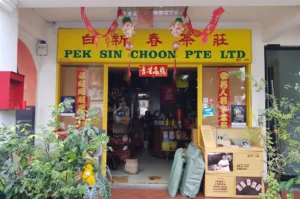
Walking through Chinatown’s Mosque Street, you encounter two distinct tea traditions that embody Singapore’s rich heritage and evolving culture. Pek Sin Choon, one of the oldest tea merchants in Singapore, stands as a living root of Chinese tea culture, while modern teaware shops offer a fresh perspective on tea appreciation through design and brewing systems. Together, they reveal the wide array of ways tea leaves and premium tea are experienced in this vibrant city.
Pek Sin Choon: The Heart of Chinese Tea Tradition
Established in 1925, Pek Sin Choon is a historic tea shop deeply rooted in Singapore’s tea culture. Known for its signature Nanyang tea blends, Pek Sin Choon supplies over 80% of bak kut teh shops, defining the taste of this iconic local food and beverage. The shop’s identity is tied to traditional methods: tea leaves are imported from China, roasted, blended, and packed manually, preserving a heritage that honors the senses and passion of generations.
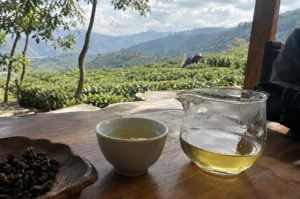
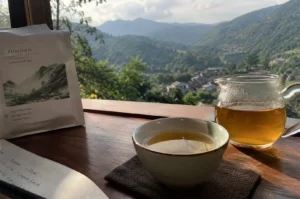
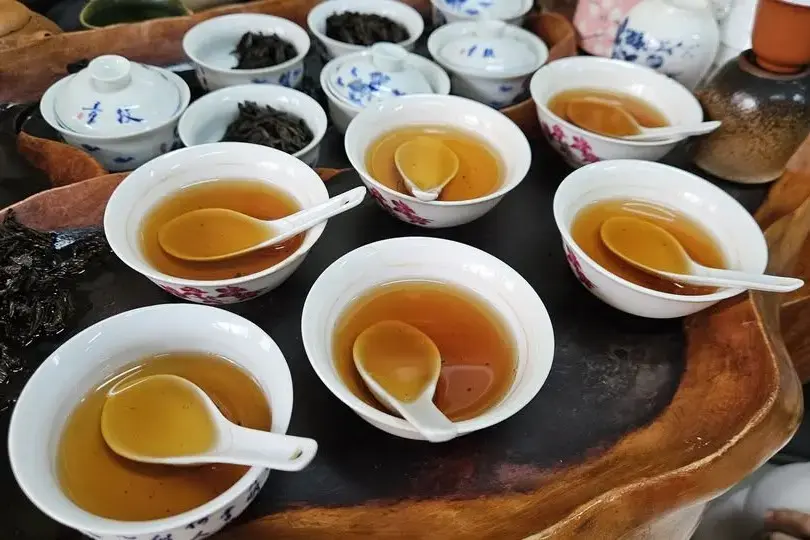
At Pek Sin Choon, tea appreciation centers on the leaf itself. Customers purchase loose tea leaves, such as pu erh, oolong, and tie guanyin, selected by type, roast, and harvest grade. The tea is packed in simple, traditional packaging, often gifted as a small gift to friends or family, symbolizing respect and connection. The store’s atmosphere, thick with the roasted aroma of premium tea, invites visitors to sip and savor tea the same way their mothers and grandfathers did.
Read more about Chinese tea traditions here.
Modern Tea Shops: Curated Tea Appreciation and Brewing Systems
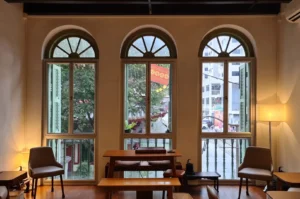
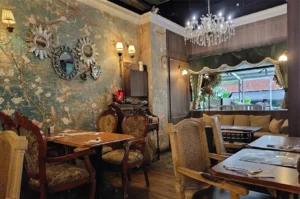
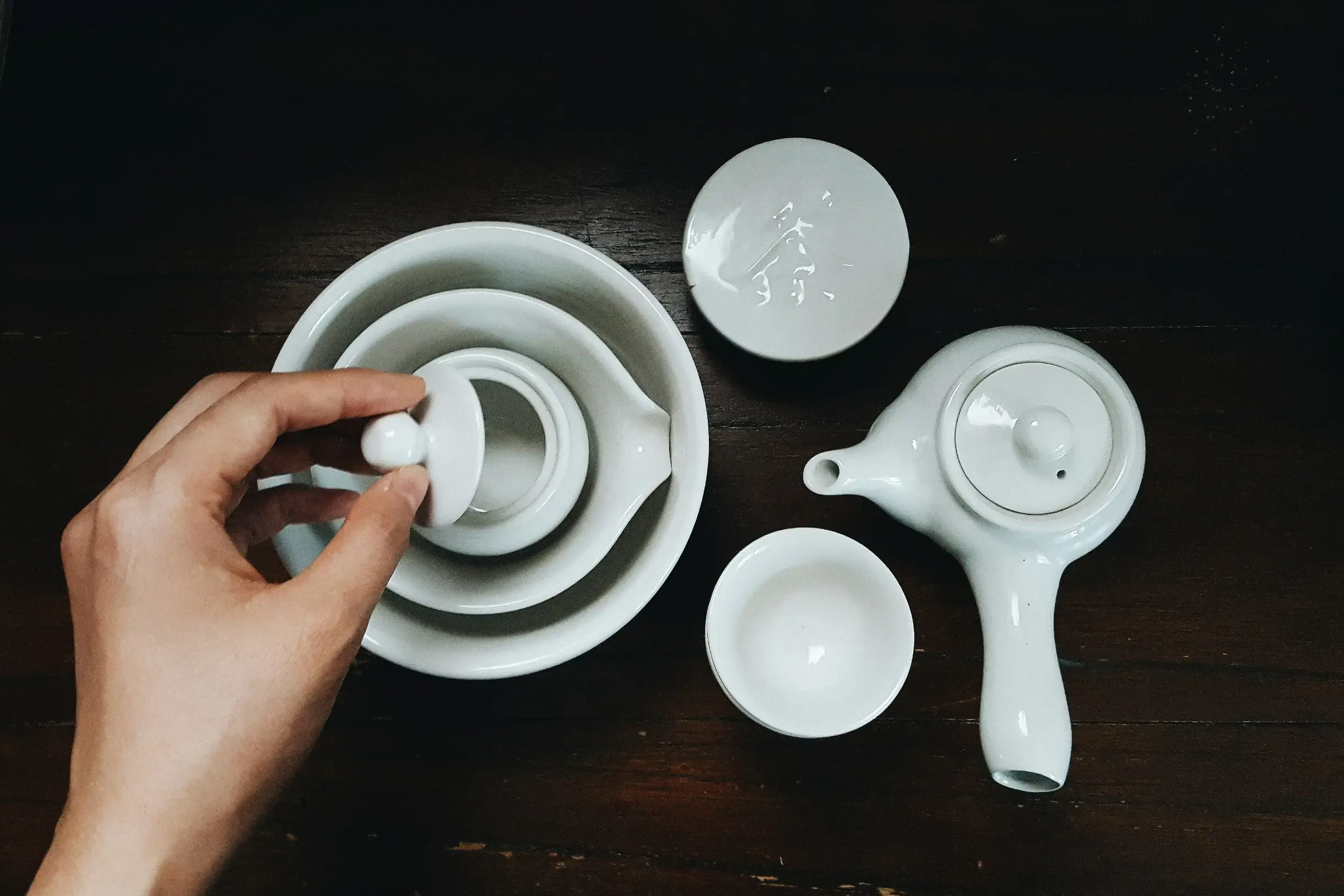
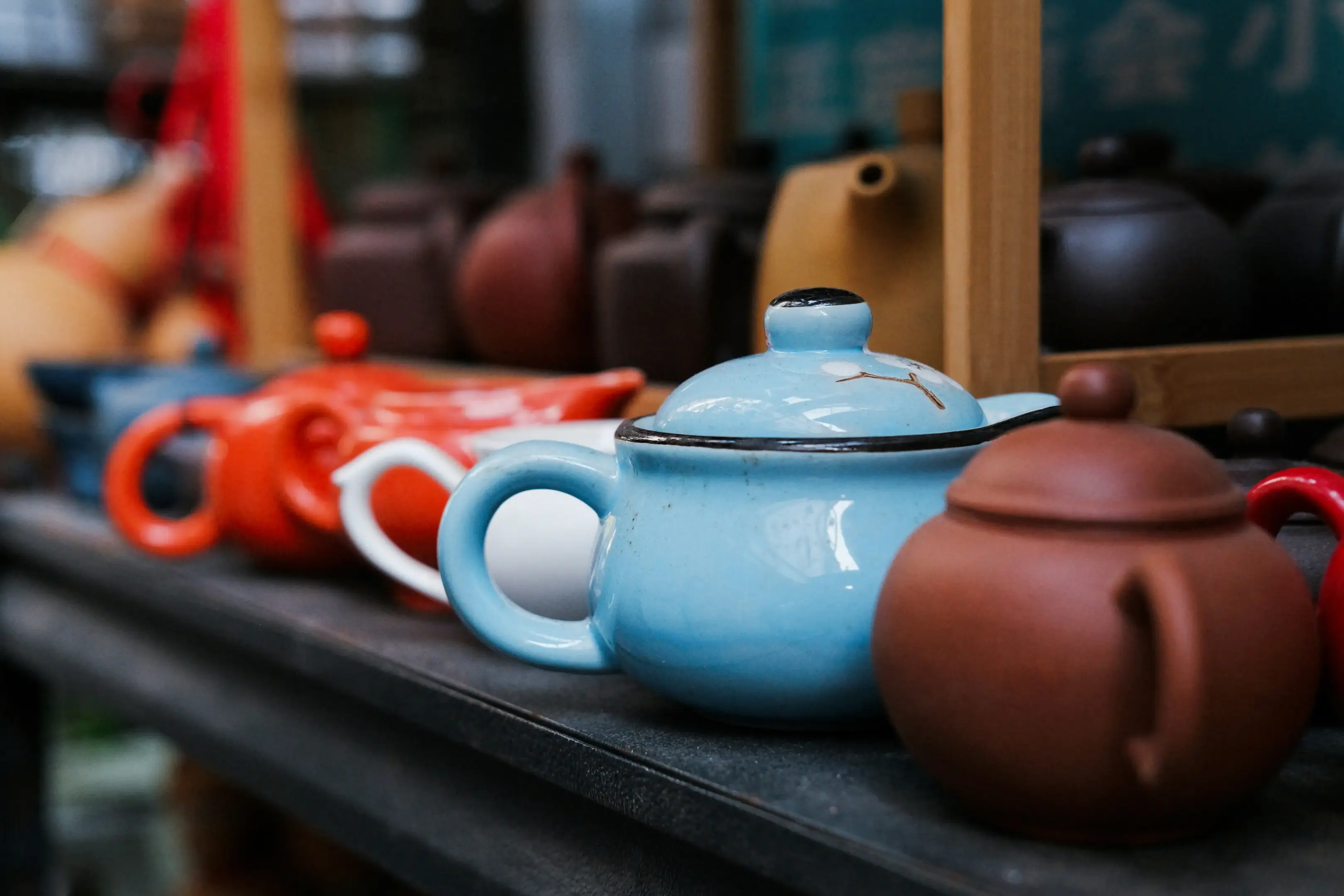
In contrast, modern tea shops in Singapore present tea appreciation as a curated experience centered on brewing tools and aesthetics. These shops showcase premium tea alongside a wide array of teaware like gaiwans, clay teapots, glass pitchers, and textured cups, each selected to enhance the flavour and aroma of specific tea leaves.
Here, tea is introduced as a structured system. Customers learn multi-step brewing techniques and the importance of temperature, steeping time, and vessel material. This approach transforms drinking tea into a mindful ritual that engages all senses, with the teaware often becoming a statement of personal taste and lifestyle.
Modern tea shops also offer educational experiences, guiding visitors through the nuances of tea types like tie guanyin or pu erh, and the subtle flavour notes that distinguish each harvest. This method appeals to a new generation eager to explore tea beyond mere consumption, turning each sip into a moment of discovery and appreciation.
Pek Sin Choon and Nanyang Tea: A Unique Blend
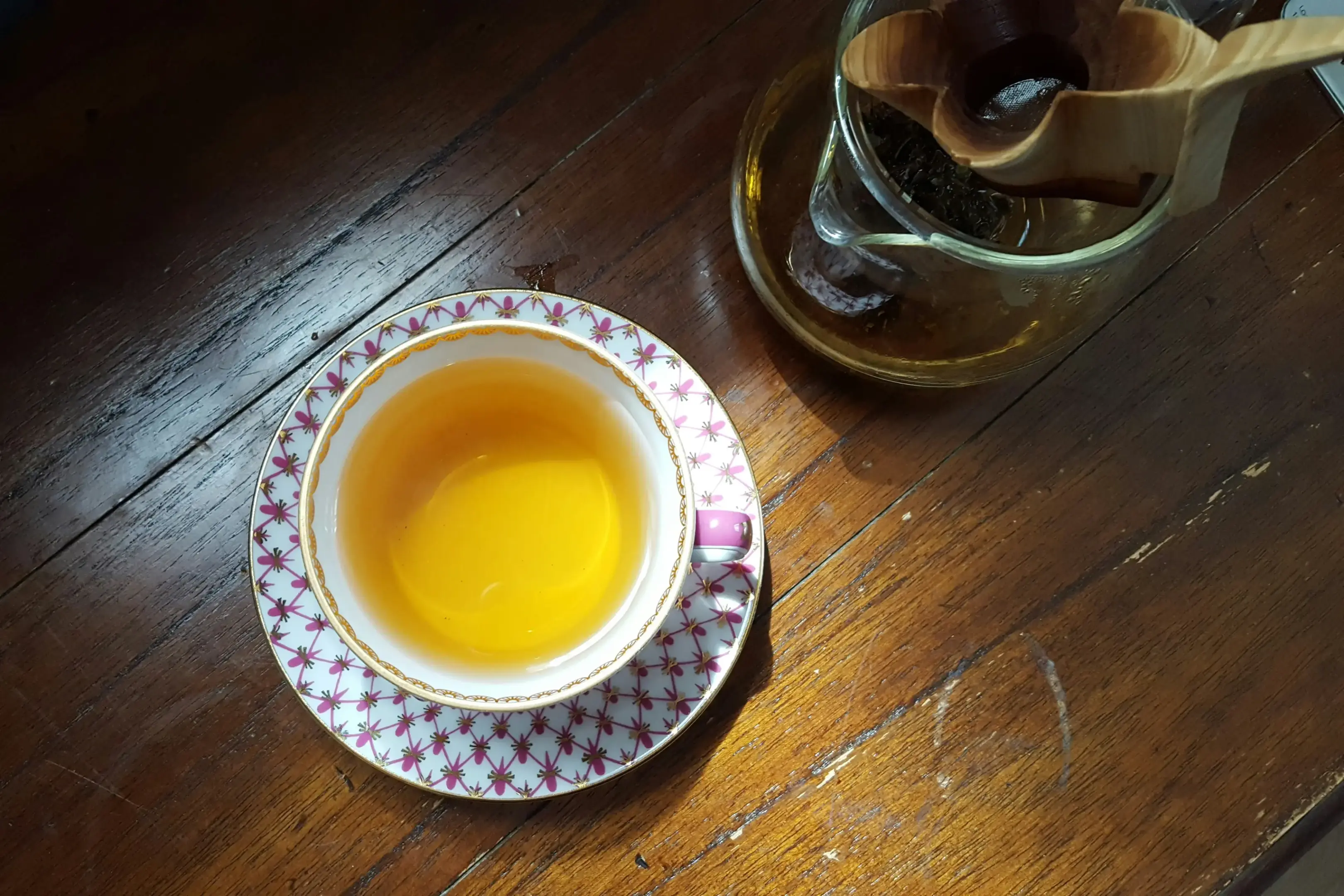
Pek Sin Choon’s Nanyang tea is a blend uniquely crafted in Singapore, reflecting the city’s multicultural palate. These blends are roasted and mixed locally to complement bak kut teh, a beloved food that pairs perfectly with the slightly bitter, roasted notes of the tea. This blend’s popularity underscores Pek Sin Choon’s role not just as a supplier but as a cultural custodian, preserving and promoting a traditional flavour profile that is distinctly Singaporean.
Tea Leaves and Premium Tea: The Common Ground
Despite their differences, both Pek Sin Choon and modern tea shops share a commitment to premium tea quality. Whether it’s the carefully sourced pu erh from China or the fragrant tie guanyin, the emphasis remains on the tea leaves’ origin, grade, and processing. Both traditions invite consumers to taste and decide for themselves, fostering a deeper understanding of tea’s complexity.
Tea Appreciation: Tradition Meets Modernity
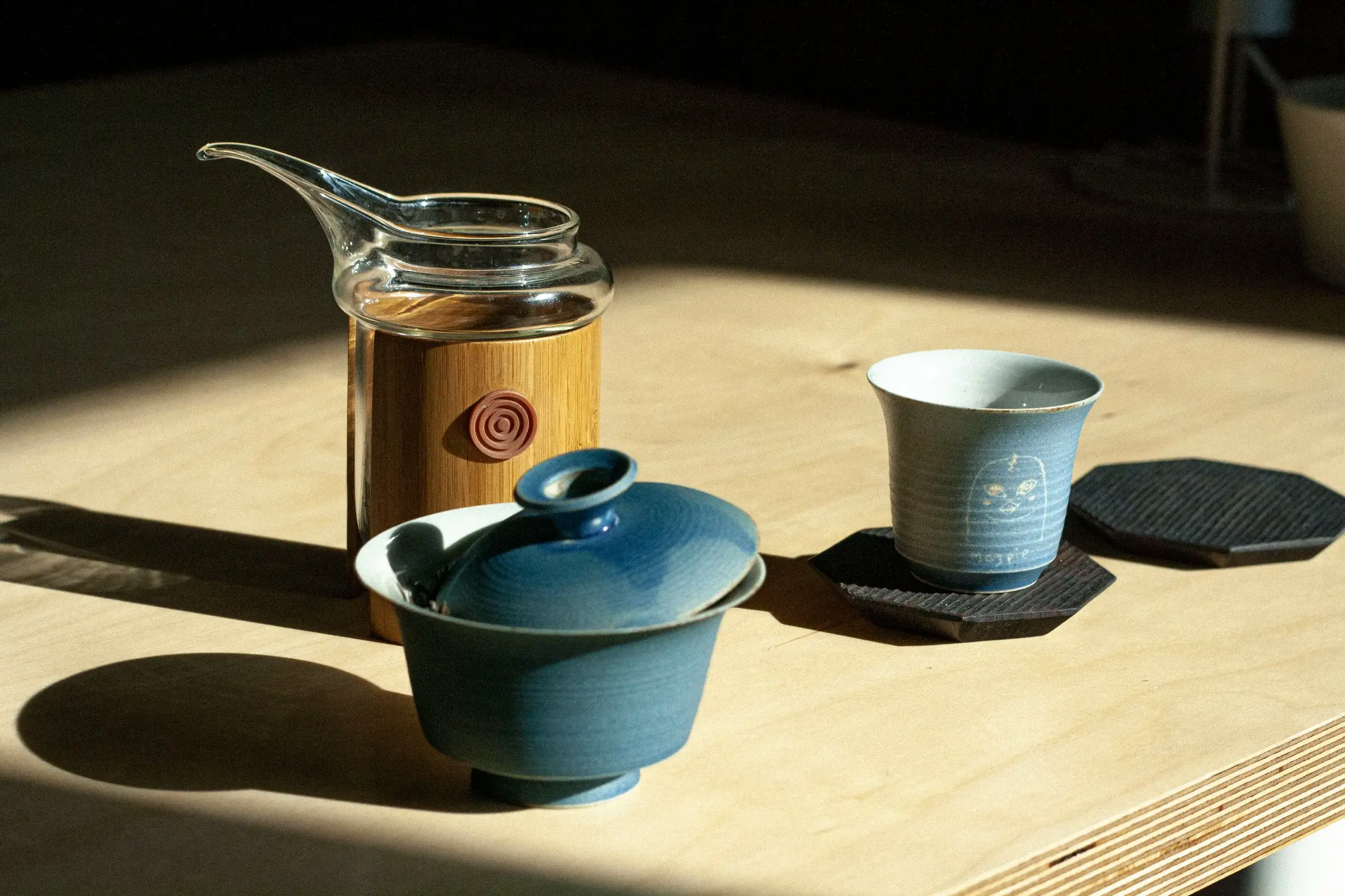
Tea appreciation in Singapore is undoubtedly enriched by the coexistence of these two tea cultures. Pek Sin Choon offers an authentic, tradition-rooted experience where tea is a daily beverage connected to family and history. Modern tea shops provide an interactive, design-focused exploration that elevates tea drinking to an art form. For those starting their tea journey, it can be helpful to check out guides about tea shops and tea ware shops.
Visitors to Chinatown can enjoy this duality: from sitting in Pek Sin Choon’s historic shop, watching tea packed and sold much like in decades past, to visiting contemporary tea shops where tea appreciation is taught through curated sets and brewing workshops.
Small Gifts and Cultural Connection
Tea from Pek Sin Choon often serves as a meaningful small gift, packed with cultural significance. Presenting premium tea leaves or a blend like Nanyang tea to friends or family is a gesture that transcends the beverage itself, symbolizing care and shared moments. This tradition continues to thrive alongside modern gifting trends that favor stylish teaware sets and curated tea blends.
Conclusion: Two Paths to the Same Cup
Pek Sin Choon and modern tea shops represent two complementary ways to engage with tea in Singapore. One honors the root of Chinese tea culture through simplicity and heritage; the other invites exploration through premium tea and the art of brewing. Together, they enrich Singapore’s tea landscape, offering every tea lover, whether beginner or connoisseur, a chance to sip, taste, and appreciate tea in their own way.
By embracing both traditions, Singapore continues to celebrate tea as a timeless beverage and a living culture, where every cup tells a story of passion, history, and community.

Floral Teas Are Not “For Beginners”—They’re For People With Taste
There is a curious assumption in tea culture that I have never quite understood. If you are new to tea, you begin with something floral. Jasmine. Rose. Osmanthus. Lightly scented blends. Then, supposedly, you move on. You discover roasted oolongs. Aged teas. More complex leaves. Stronger flavours. Eventually, you become a “serious” tea drinker. I…
-
How to Make Cold Brew Tea: The Slow Method for a Smoother Cup
There is a jar on the top shelf of my refrigerator that I did not need this morning. I filled it last night, before the kitchen went dark. Loose tea leaves, cool water, a lid resting loosely on top. Then I closed the door and left it alone, the way you leave bread to rise…
-
Milk Tea Isn’t “Ruining” Tea—But Some Milk Tea Is Ruining Milk Tea
I have noticed that few things can start an argument among tea drinkers quite as quickly as milk. Mention adding milk to a good tea and suddenly everyone has an opinion. Some insist that milk covers the flavour of the leaves. Others will tell you that certain teas were practically made for it. I have…
-
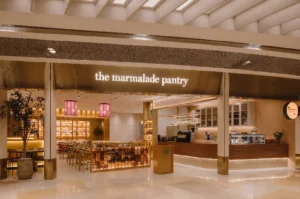
There Are Always Good Things to Eat at The Marmalade Pantry
The afternoon rain had just eased when I climbed up to Level 4 of ION Orchard, home to the Marmalade Pantry Ion. Outside, Orchard Road was doing its usual thing: too many people, too much noise, everyone somewhere to be in the bustle of the city. Inside, at a corner table, someone was pouring tea…
-
The Teacup as a Compass: What My Daily Brew Taught Me About Pace
I never intended for tea to become a way of keeping track of my days. It just happened. There are mornings when I drink the first cup quickly, barely noticing the taste because my mind is already somewhere else. Then there are afternoons when I make tea and somehow manage to sit with it for…
-
Silk Tea Bar Review: A Quiet Climb Worth Making on Sago Street
I almost walked past it. Sago Street was loud that afternoon, the way Chinatown often is. Voices, footsteps, the clatter of a hundred small transactions. I was looking for a door and nearly missed the narrow one that led upstairs. Then I climbed. And somewhere between the ground floor and the second, the noise fell…
-
“Artisan” Doesn’t Mean Ethical: The Supply Chain Questions We Avoid
I have always been drawn to the word “artisan.” Maybe because it creates a certain image in my mind. Someone carefully working with their hands. Someone who knows their craft deeply. Someone preserving a tradition that has existed long before the rest of us discovered it. When I see “artisan tea” on a label, I…
-
A Quiet Afternoon at A Beautiful Day Café
The rain had just started when I stepped in off Paya Lebar Road. Not heavy. Just enough to soften the light and slow everyone down. Inside, someone was pouring tea, and the sound of it carried further than it should have. A small room can do that. It can make a pour feel like a…
-
The Problem With “Single-Origin” Tea Obsession
There was a time when knowing where a tea came from was enough. Now, it sometimes feels as though we need to know everything. The mountain. The village. The garden. The harvest date. The particular plot where the leaves were grown. Single-origin tea has become a mark of quality in modern tea culture. The idea…
-
Where Singapore’s Tea Traditions Still Steep: Pek Sin Choon
The first thing I noticed was the smell. Not perfume, not incense. Something warmer and older than both. Roasted tea leaves, drifting out onto Mosque Street before I even reached the door. It’s the kind of smell that makes you slow your steps without knowing why. Pek Sin Choon has been on this corner of…