I remember wandering down Arab Street years ago, searching for a quiet café where I could settle into an afternoon of coffee, tea, and conversation. I found a minimalist little space filled with delicate pastries and beautiful dessert displays, but hesitation quietly crept in as I began wondering about alcohol-based syrups, gelatin, and whether the café was actually MUIS halal-certified. For many Muslim diners in Singapore, this uncertainty is deeply familiar. Choosing a café is rarely just about ambiance or cravings. It is also about finding a place where you can fully relax, enjoy quality food, and feel genuinely at ease.
Halal tea culture in Singapore has grown far beyond simple café dining. Today, everything from elegant hotel lounges to cozy Muslim-owned cafés contributes to the evolving world of high tea halal Singapore, where tea, hospitality, and cultural comfort come together beautifully. After spending years exploring Singapore’s halal café scene and tasting both classic favourites and modern creations, I realized that the true appeal lies not only in the food itself, but in the quiet reassurance that comes with dining comfortably and confidently. Let me share what I’ve learned about MUIS-certified and Muslim-owned cafés so you can enjoy sweet treats, delightful spreads, and meaningful tea moments with greater ease.
Afternoon Tea and Halal: It Is Rarely About the Leaves
Whenever I take friends out for afternoon tea or a light brunch, I often hear the same worried question: "Wait, isn't all tea naturally halal?"
- The short answer is yes. Pure black tea, green tea, oolong, and white tea leaves plucked straight from the earth are perfectly fine.
- Modern café culture rarely stops at just hot water and leaves.
- The confusion almost always stems from what accompanies the tea:
- A fragrant, aromatic vanilla Earl Grey might use an alcohol-based vanilla extract.
- That beautiful iced matcha latte might be topped with a foam made using non-halal stabilizers.
- Marshmallows, mousses, and glazes often hide animal-based gelatin.
- The risk is usually in the syrups, the extracts, and the desserts, not the tea leaves themselves.
This brings us to one of the biggest points of difference I see: the difference between "Muslim-owned" and "MUIS Halal-Certified."
| Aspect | Muslim-Owned Café | MUIS Halal-Certified Café |
|---|---|---|
| Certification | May not have formal certification | Officially audited and certified by MUIS |
| Supplier Verification | May follow internal halal practices | All suppliers are verified and approved |
| Preparation Procedures | Practices may vary | Strictly regulated preparation procedures |
| Community Trust | Often deeply trusted by the Muslim community | Recognized for compliance with halal standards |
| Cost and Process | Avoids lengthy and costly certification process | Undergoes expensive and lengthy certification |
| Consumer Consideration | Suitable for those comfortable with internal assurance | Ideal for those requiring formal certification |
- It is important to understand this distinction so you can make choices that align with your personal dietary preferences and comfort level.
High Tea: The Emotional Comfort of Halal Hospitality and Quality Service
Halal dining goes beyond dietary rules; it means safety, inclusion, and ease. At a Muslim-owned tea house near Bugis, the owner shared, "All our cakes use halal-certified gelatin, and our vanilla extract is alcohol-free. We source from verified Muslim bakers." This transparency creates comfort. For many Muslims, ordering without repeated checks transforms the café into a true escape. It becomes a place to enjoy light meals or lunch with loved ones, savoring a wide selection of dishes that cater to diverse tastes and dietary preferences.
Penny University and Mee Siam: Halal High Tea with Local Flavours
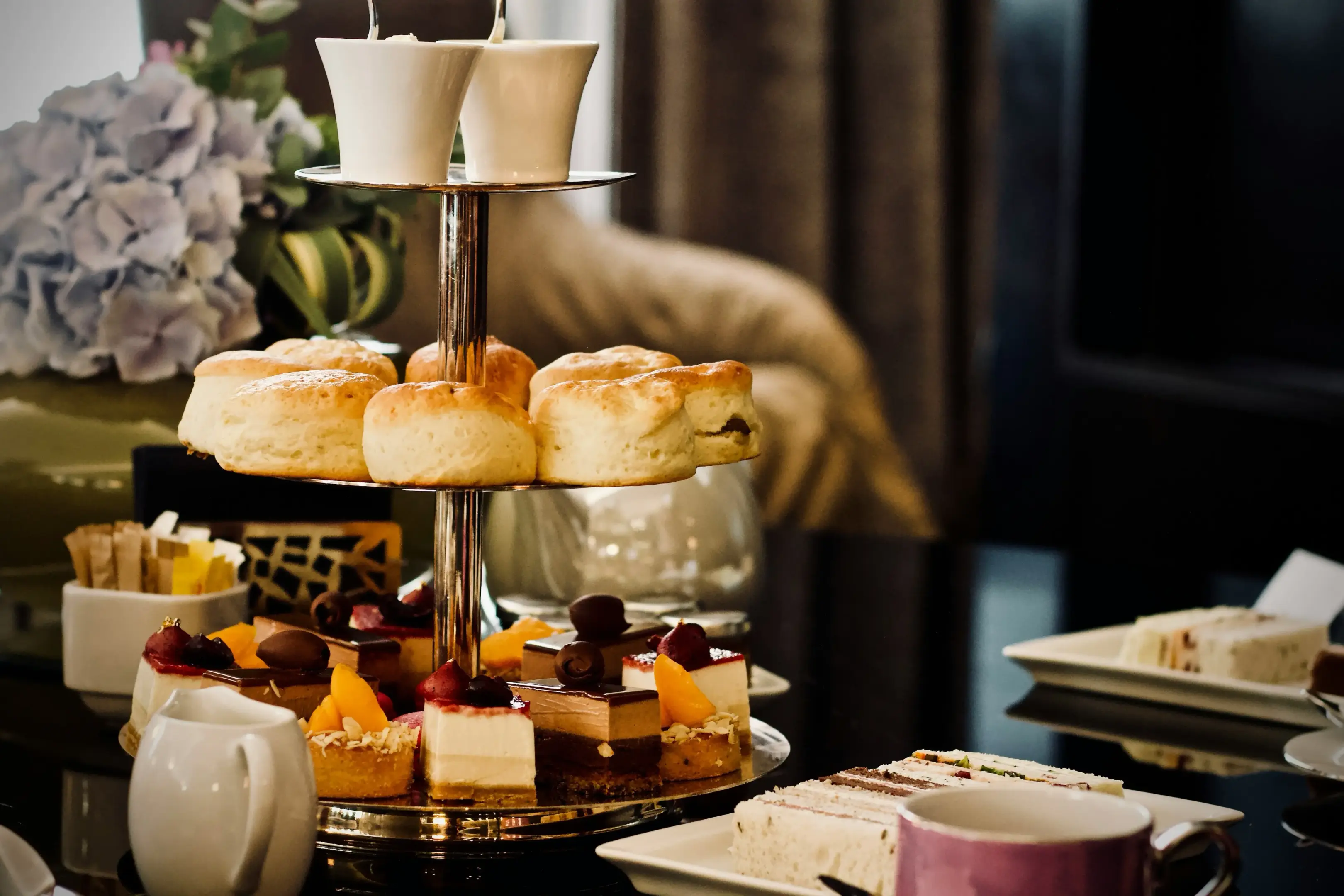
Penny University in Katong offers a unique halal high tea Singapore experience with dishes like Turkish eggs paired with fresh sourdough bread. The cafe also serves a variety of cakes, scones with cream, and pastries in a light, sophisticated setting. Alongside such modern spots, local favourites like mee siam—a spicy and tangy rice vermicelli—often feature in halal high tea menus. This blend of traditional Singaporean flavours with Western pastries and sweet treats caters to diverse palates for casual or corporate gatherings. Customizable catering menus are also available to plan ahead and ensure every guest can indulge fully.
Navigating Halal Cafés and High Tea Catering: Tips for a Memorable Experience
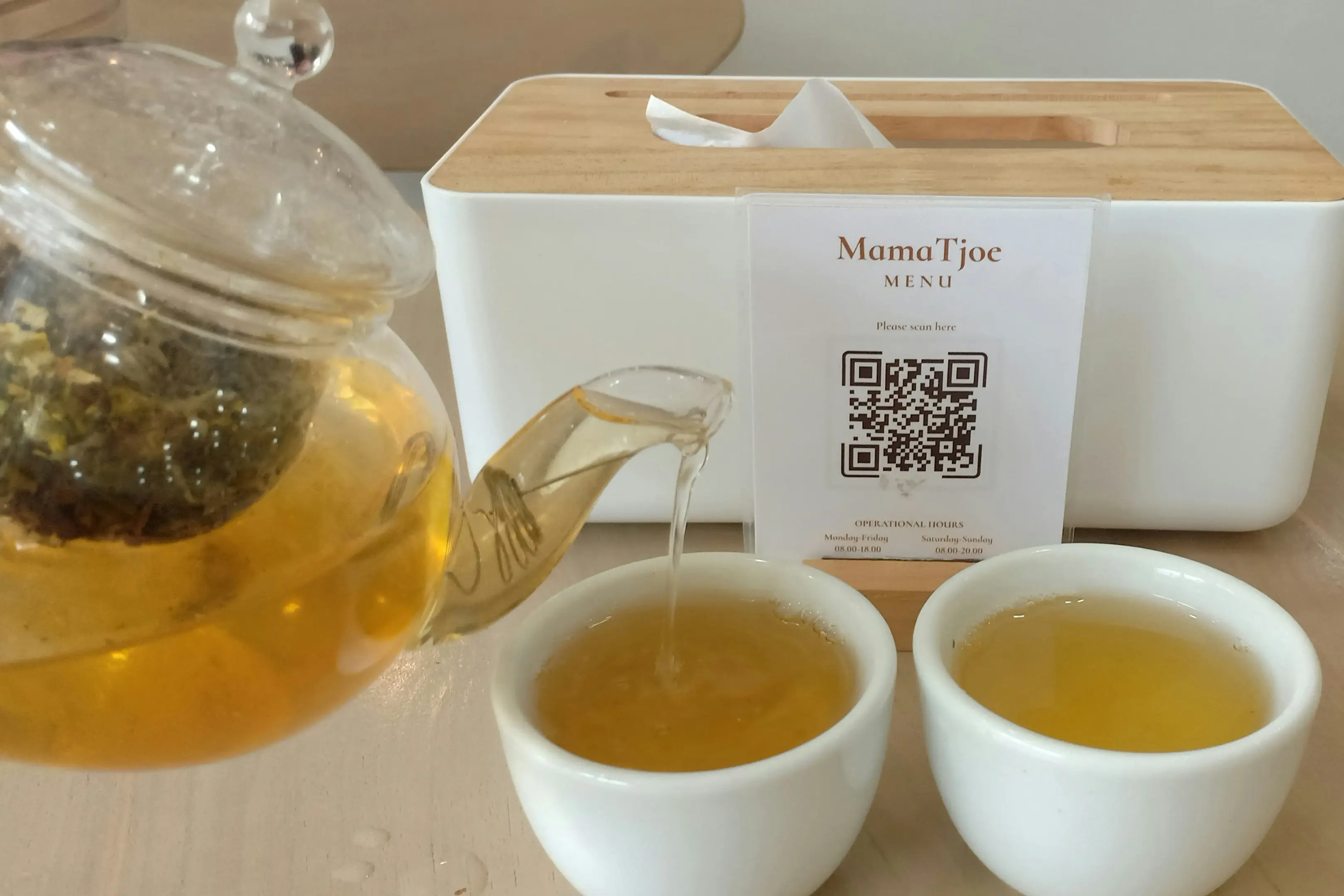
If you feel overwhelmed by the choices or unsure what to ask, here’s how to approach your next halal high tea experience in Singapore:
- Decide your comfort level with halal certification and dietary needs.
- Research by checking MUIS directories and the café’s website for commitment to halal standards.
- Ask confidently about syrups, gelatin, kitchen practices, and service.
- Book in advance, especially for popular locations and weekends.
- Consider catering services for events to enjoy a refined high tea reception with fresh, halal-certified dishes, pastries, and drinks.
The difference is not just in the food but also in the quality of service, the setting, and the peace of mind that halal standards provide. Guests can enjoy an array of sweet and savoury bites, from classic favourites to innovative creations, all covered under strict halal guidelines. Whether you crave a light bite or a full meal, the halal high tea experience in Singapore offers affordable options that satisfy every palate.
A Final Thought on Halal High Tea in Singapore
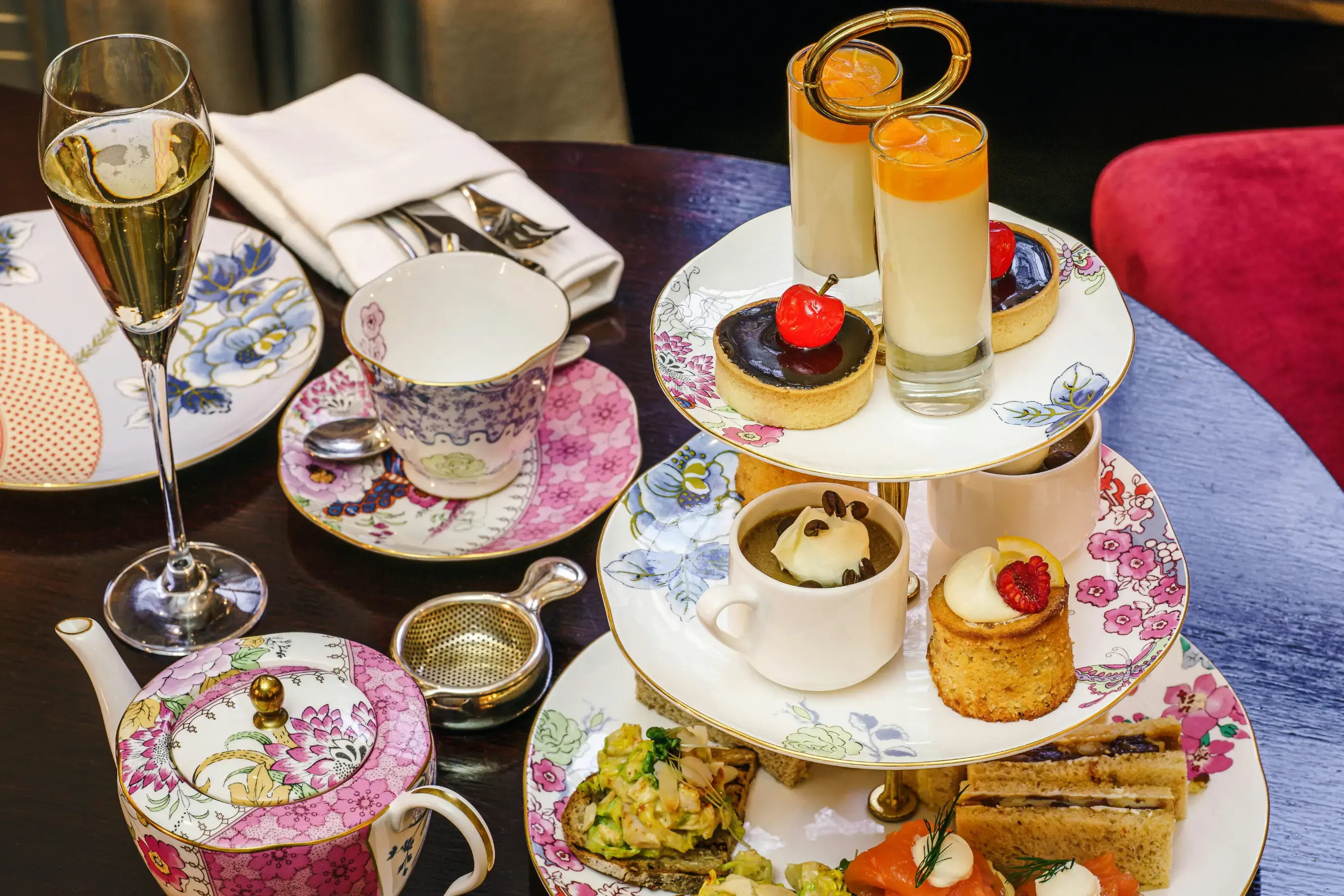
Halal tea culture in Singapore is more than just a culinary trend. It is a beautiful bridge between our rich traditions and our modern, fast-paced lives. The next time you visit and feel the craving for a light, sweet treat or a full high tea meal, I encourage you to explore the winding streets of Kampong Glam, Arab Street, or the quiet neighborhoods hosting these unique cafés.
Ask questions with confidence, respect the craft, and allow yourself to fully sink into the comfort of a space designed to welcome you entirely. Whether it’s a casual brunch, a sophisticated afternoon tea, or a corporate gathering with halal high tea catering, Singapore offers a wide range of options that combine quality, enjoyment, and commitment to halal standards across the island. From delicate pastries, scones, and cakes to savoury bites like meat pies, fish dishes, fries, and cheese selections, there’s something for everyone to eat and enjoy, making every visit a delightful treat for friends and loved ones alike.

Tea Snobs Made Brewing Hard—So I’m Making It Simple Again
Tea Snobs Made Brewing Hard—So I’m Making It Simple Again There was a time when I thought I was making tea incorrectly. The water was probably too hot. The leaves were probably wrong. The pot was certainly not the right one. At least, that was what I had been led to believe. Tea culture can…
-
The Leaf That Waits in the Dark: Understanding Gyokuro Tea
Anyone who has waited at a bus stop at midday in Singapore knows how much shade matters. You step under the roof, the glare softens, and everything slows down a little. Tea plants respond to shade too, though in their own way. In parts of Japan, farmers deliberately cover their tea bushes in the weeks…
-
What “Quality” Really Means (To Me) When Choosing Tea
I used to think choosing good tea meant knowing what to look for. The right origin. A respected producer. Beautiful leaves. A good harvest. Maybe even a price tag that made me think, “This must be worth it.” Over time, I realised I was making tea shopping much harder than it needed to be. Because…
-
Tea Cocktails: The Rise of Tea-Infused Mixology in Modern Bars
Tea usually arrives quietly. Steam rising from a pot, a cup set down on a saucer, the scent of roasted tea leaves or jasmine drifting across a kitchen table. A cocktail bar keeps a different rhythm. The light is low, the glassware is chilled cocktail glass, and ice rattles sharply in a cocktail shaker. Yet…
-
Stop Adding Sugar First: You’re Training Your Tongue Wrong
There is a habit I have noticed among tea drinkers. Sugar goes in before the first sip. Perhaps it is only a small spoonful. Perhaps two. But the tea is sweetened before it has been given a chance to introduce itself. I used to do this too. It seemed harmless. Tea was bitter, sugar made…
-
Is Tea a Diuretic? What Your Daily Cup Really Does for Hydration
Picture a sticky afternoon in Singapore. The kind where the air sits heavy on your shoulders and the walk from the MRT feels longer than it should. You reach for something cold. Maybe a teh peng from the drinks stall, ice clinking in a plastic cup. Maybe a bottle of green tea from the convenience…
-
Cold Brew Tea Isn’t Lazy, Hot Purists Just Don’t Like Being Wrong
I used to think cold brew tea was cheating. Not seriously, of course. But there was something about it that felt almost too easy. No kettle. No worrying about water temperature. No watching the clock while the leaves steep. Just tea, cold water, and a little patience. It seemed suspiciously effortless. Then I actually started…
-
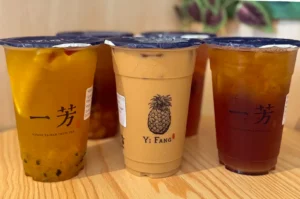
A Taste of Taiwan in Every Pour: Yi Fang Taiwan Fruit Tea
There are drinks that catch your eye before you even take a sip. A tall cup, fruit pressed gently against the plastic, tea glowing amber underneath. Something about it feels right for a warm afternoon. Light. A little cheerful. Easy to carry. But if you slow down for a moment, some of those cups have…
-
Your Tea Isn’t Bitter—You’re Overbrewing It (And It’s Not Your Fault)
There is a particular disappointment that comes from making a cup of tea that tastes bitter. You choose the leaves carefully. You heat the water. You wait. Then the first sip arrives, and something feels wrong. For a long time, I assumed bitterness meant the tea itself was not very good. Perhaps the leaves were…
-
When Tea Meets Tropical: 5 Fruit Teas in Singapore to Try
There’s a specific kind of Singapore afternoon. The air feels thick, your shirt clings a little, and every mall entrance feels like a reward. On days like that, I don’t want anything heavy. I want something cold, bright, and full of fruit, but still recognizably tea. That’s where fruit teas come in. In Singapore, they’ve…