The rain had just started when I stepped in off Paya Lebar Road.
Not heavy. Just enough to soften the light and slow everyone down. Inside, someone was pouring tea, and the sound of it carried further than it should have. A small room can do that. It can make a pour feel like a moment.
I hadn't come expecting much. I'd come mostly for the quiet, the way you do when the week has been long and you want somewhere to sit that doesn't ask anything of you. What I found was a tea house that seemed to understand that need without being told.
Finding It: A Beautiful Day Cafe at 2 Paya Lebar
It sits tucked into 2 Paya Lebar Road, #01-09 Parkplace Residence, PLQ Parkside, Singapore 409053, close enough to the MRT that you barely notice the walk. That matters more than it sounds. There's something gentle about a place you can reach without effort, especially on a grey day.
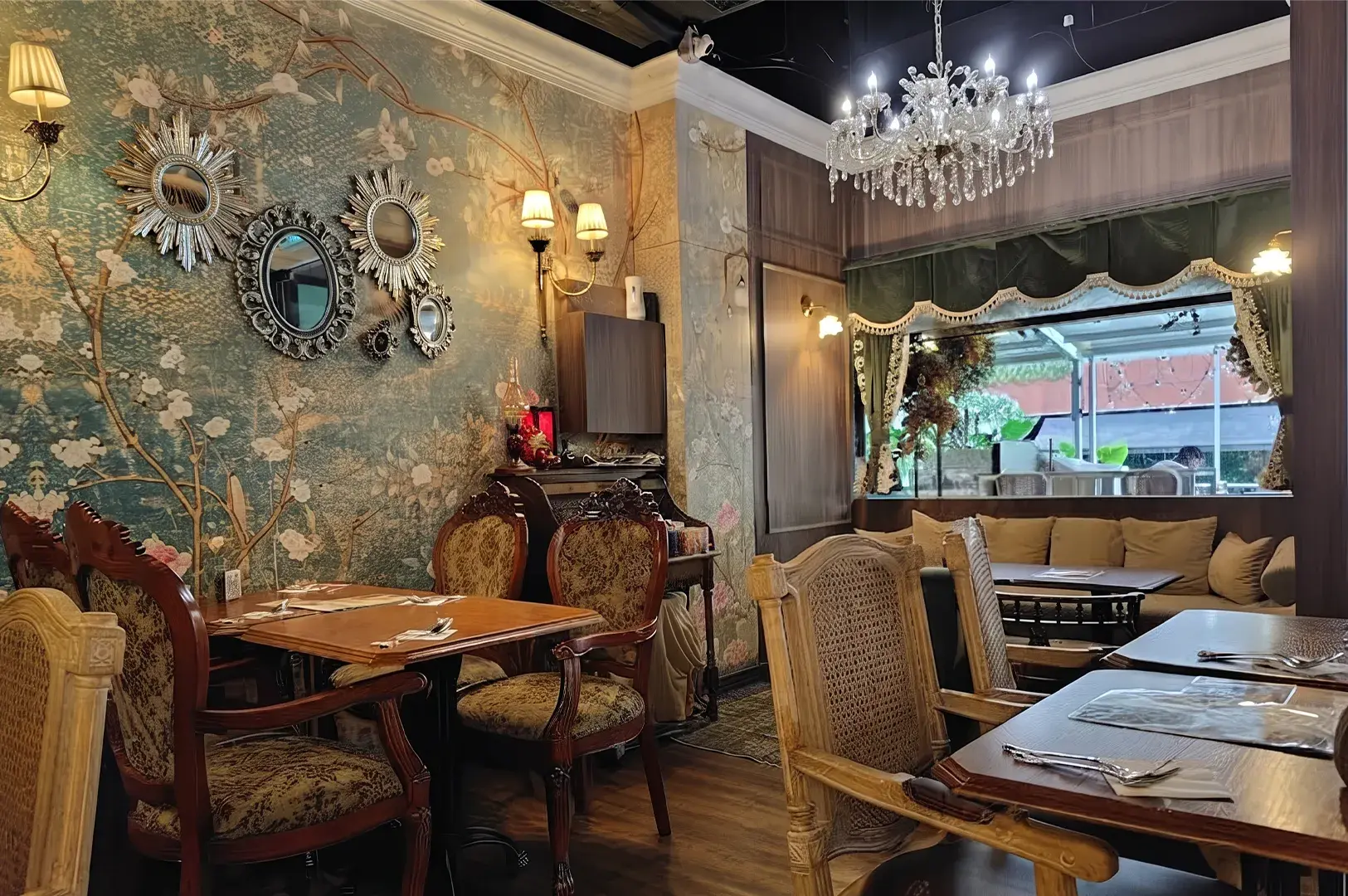
The room itself is unhurried. Warm wood, soft corners, the kind of space that lets you exhale. A dog rested near one of the tables, unbothered, and no one seemed to mind. A Beautiful Day Café is pet-friendly, and it shows in the ease of the place. Nothing precious. Nothing performed.
I took a seat near the window and let the afternoon settle around me.
The Tea First, As It Should Be
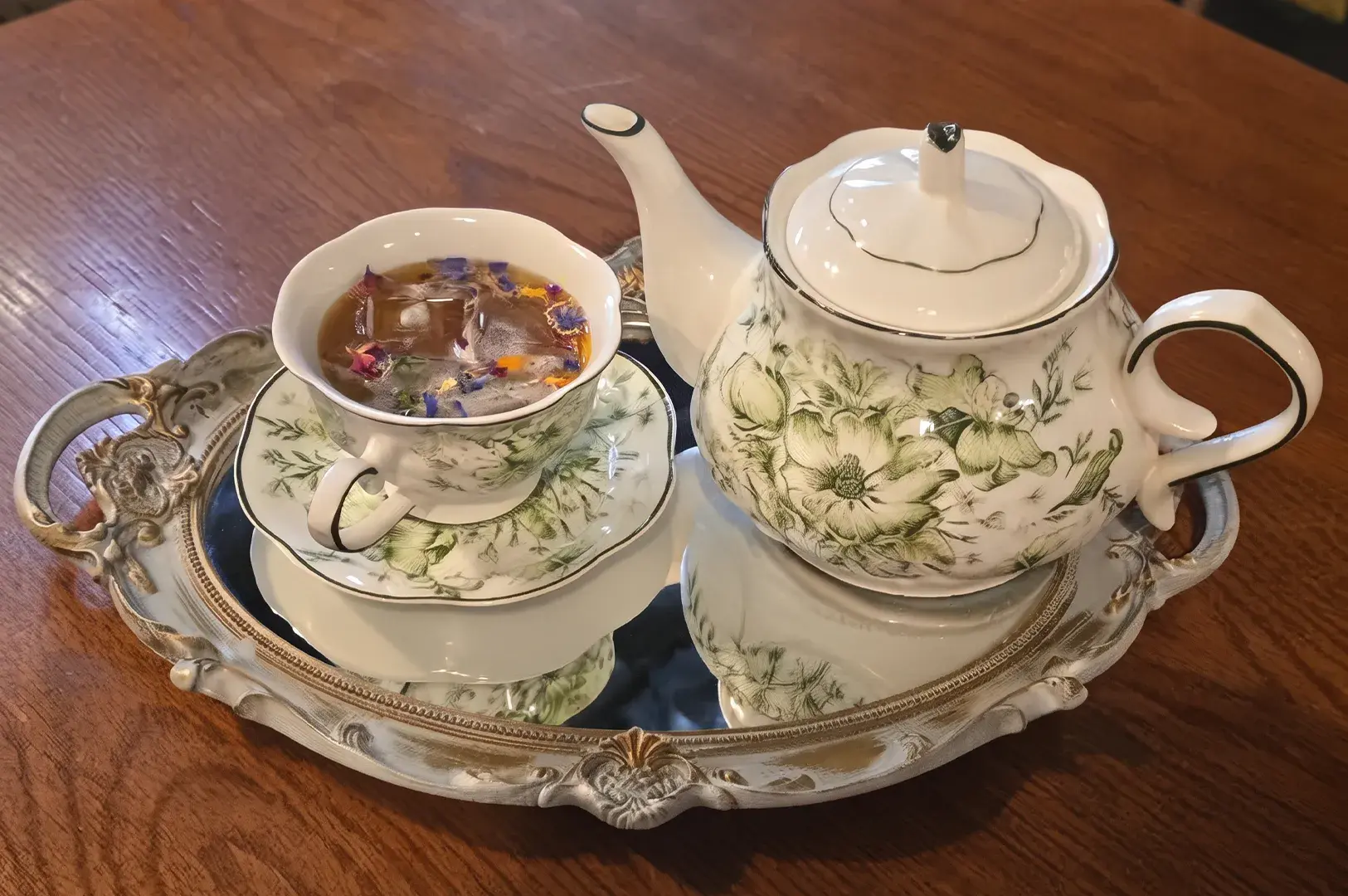
Because this is a tea house before it is anything else, I began with the tea.
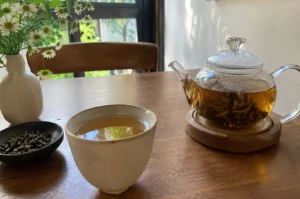
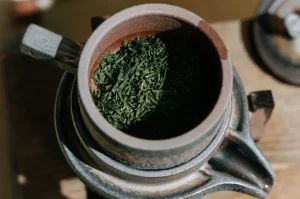
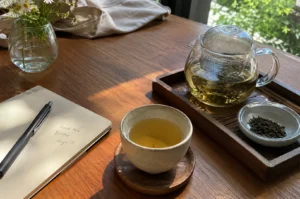
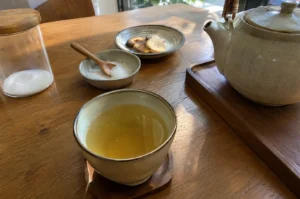
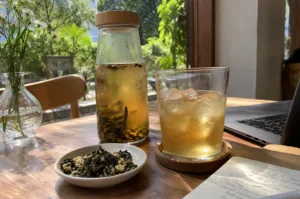
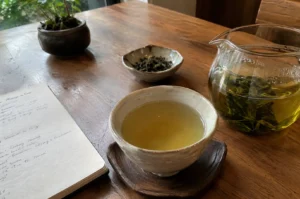
The artisanal teas here are treated with the kind of care that doesn't announce itself. My cup arrived hot and steeped properly, the aroma rising before I'd lifted it. I've sat in enough places where tea is an afterthought, poured to fill a gap on the menu. This wasn't that.
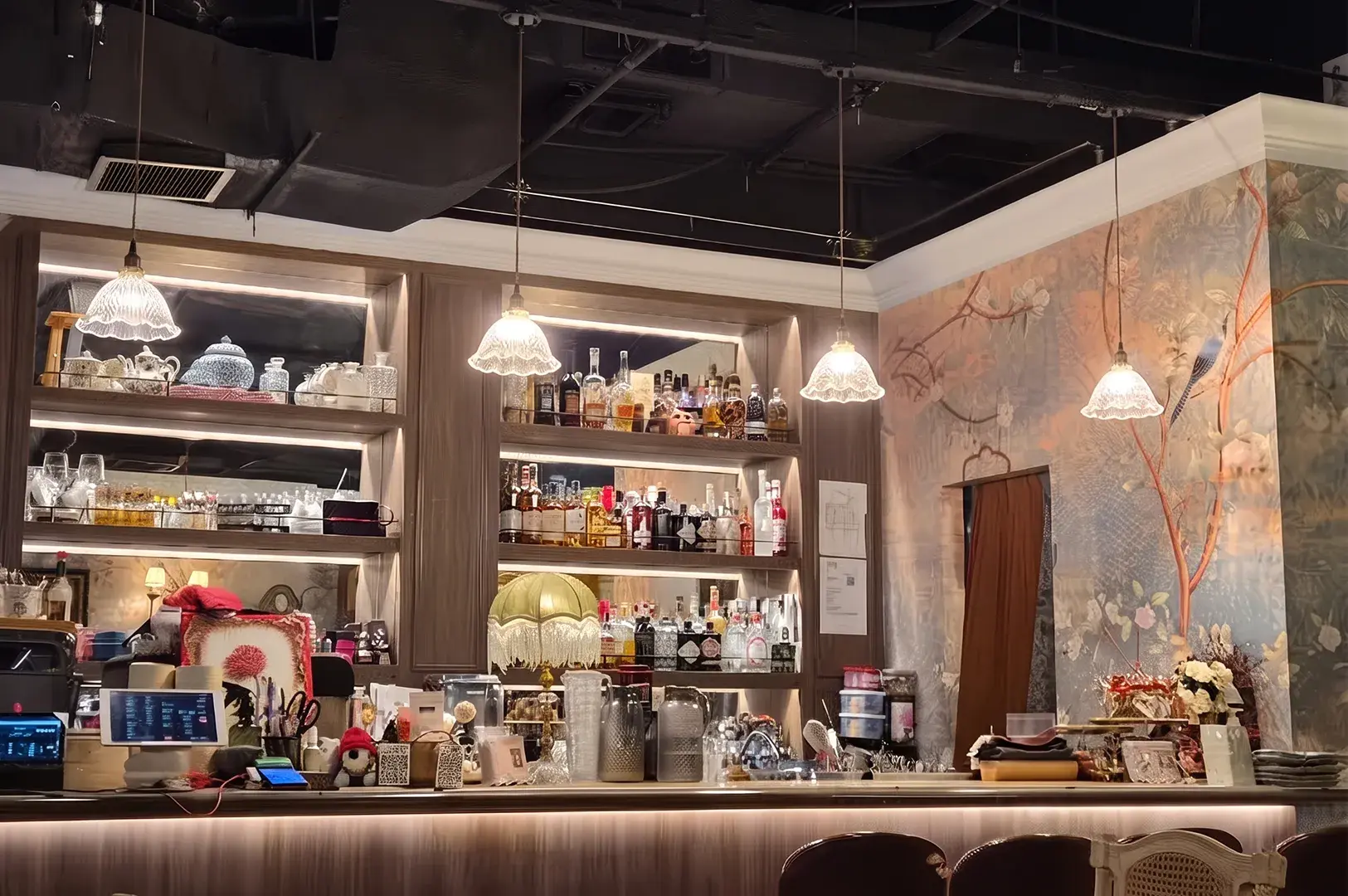
By night, the tea room shifts into a minibar serving handcrafted cocktails, craft beers and Guinness on tap. But in the afternoon, with rain outside, tea felt like the honest choice. It asked me to slow down. I did.
Artisanal Teas and the Pace They Set
What I noticed most was the pacing. The beautiful day cafe doesn't rush you from cup to plate. The tea sets the tempo, and the food follows, quiet and unhurried behind it.
That order feels deliberate. Tea first, then everything else. It changes how you eat, how you sit, how long you stay.
The Food: Familiar Things, Gently Rethought
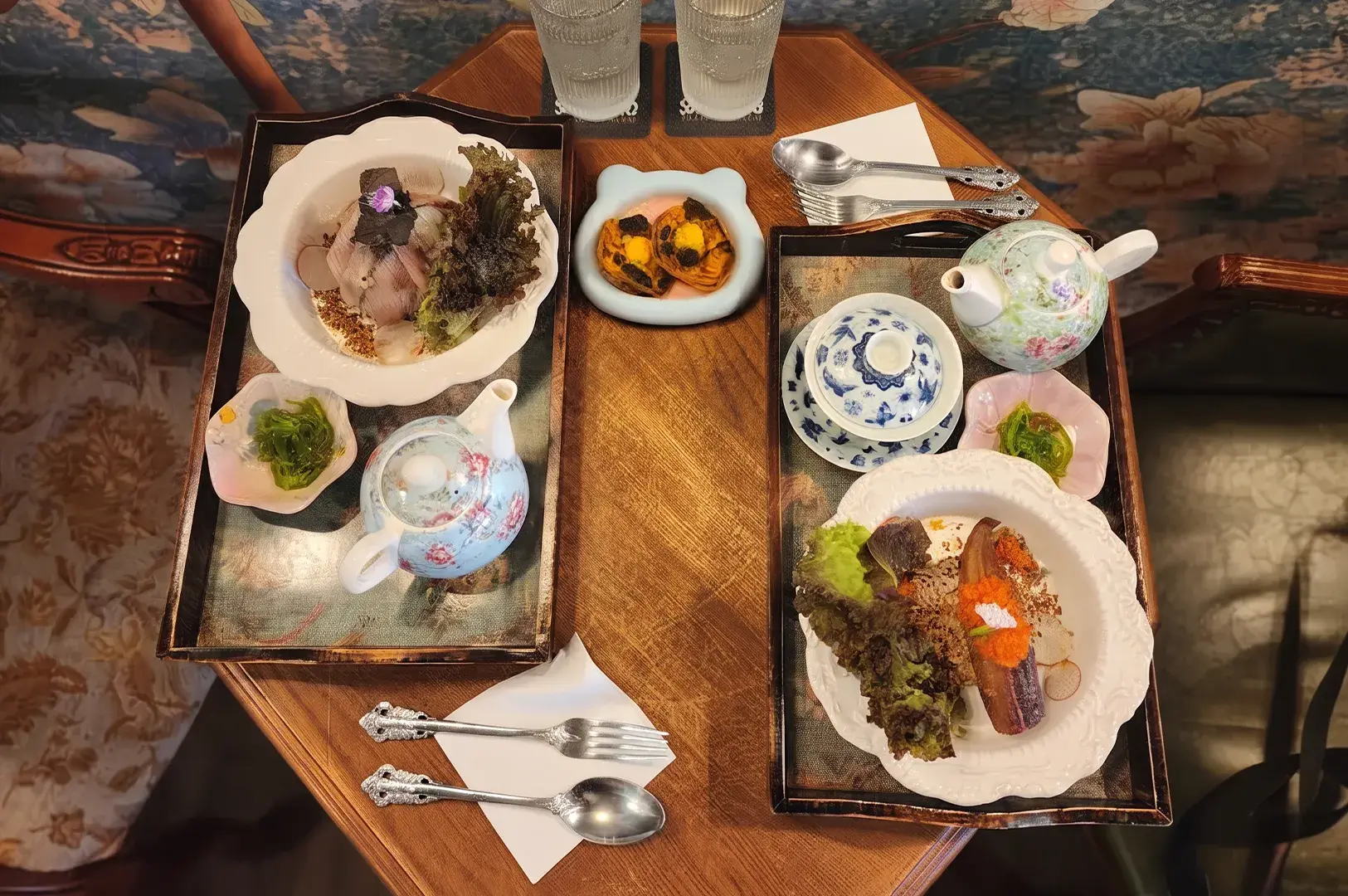
The menu reads like someone took comfort food and asked it a few soft questions. Japanese technique, Chinese memory, a little Sichuan warmth. Nothing shouts. Most of it whispers.
The Dishes That Stayed With Me
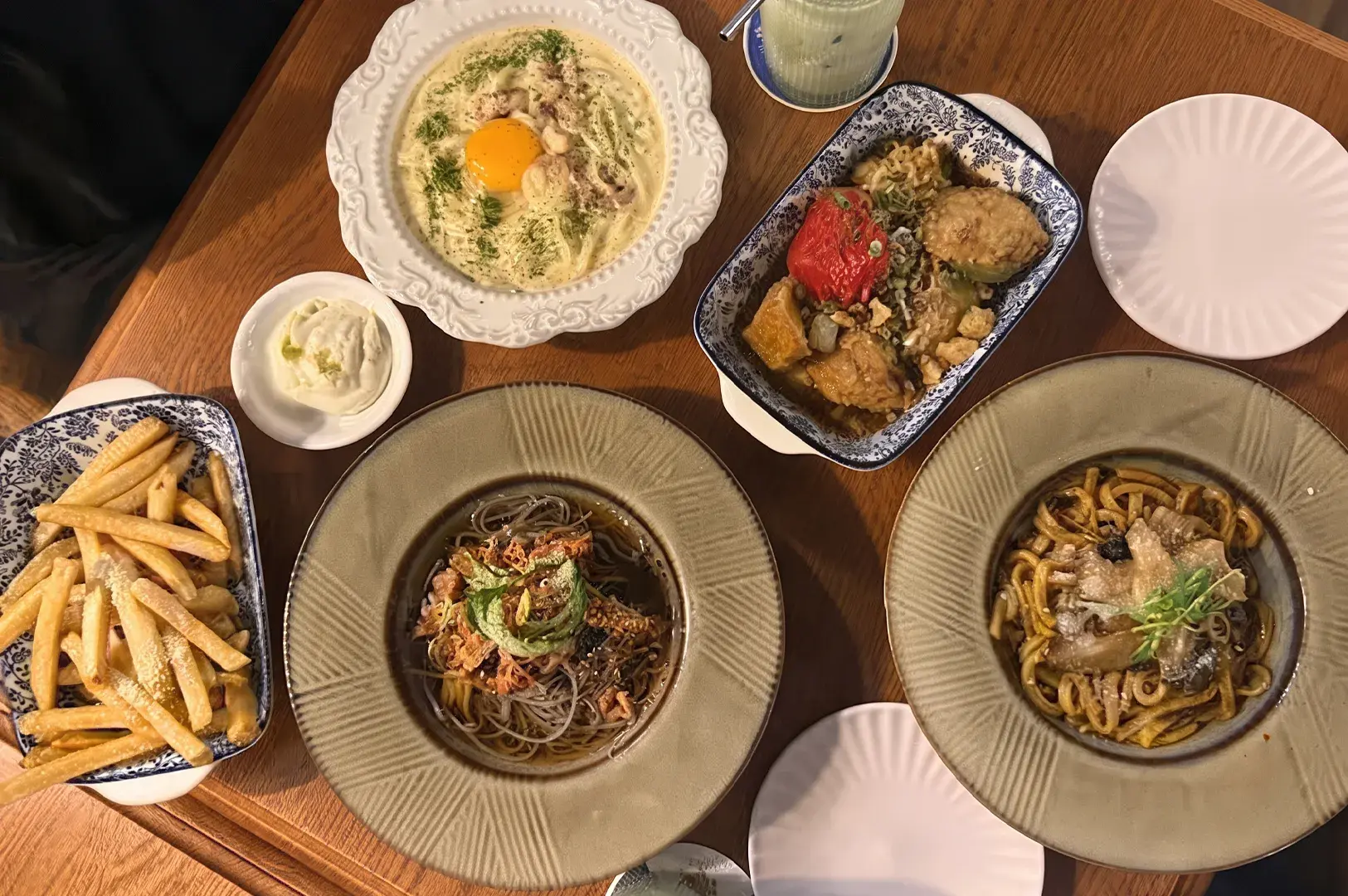
I started with the 'Okonomiyaki' Smashed Potato, which the menu calls a café table favourite, and I understood why. Parmesan-crusted baby potatoes, spicy smashed potatoes really, crowned with ginger spiced mayo, bonito flakes, scallion, and nori. The bonito moved faintly in the heat, the way it does. Crisp edges, soft centre, that cheese mayo sauce holding it all together. It's the kind of small plate you keep returning to without deciding to.
Then the Aburi Truffle Beef Chazuke with Lumpfish Caviar. A Kyoto idea, reworked. Marbled beef brushed with truffle, lightly torched, then steeped in a herbal bak kut teh dashi. That last part stayed with me. The broth carried a memory of home somewhere underneath the refinement, peppery and warm, and the caviar gave it a quiet lift. Restorative is the word the menu uses. It isn't wrong.
The Rice Paper Wrapped Teriyaki Salmon came with Japanese rice, mizuna, furikake, a rice cracker, and a Soy Milk Collagen Dashi that was softer than I expected. The furikake did its small work, that gentle salt-and-sea note over the rice. It's a considered plate. Nothing on it feels like decoration.
Plates Made for Sharing
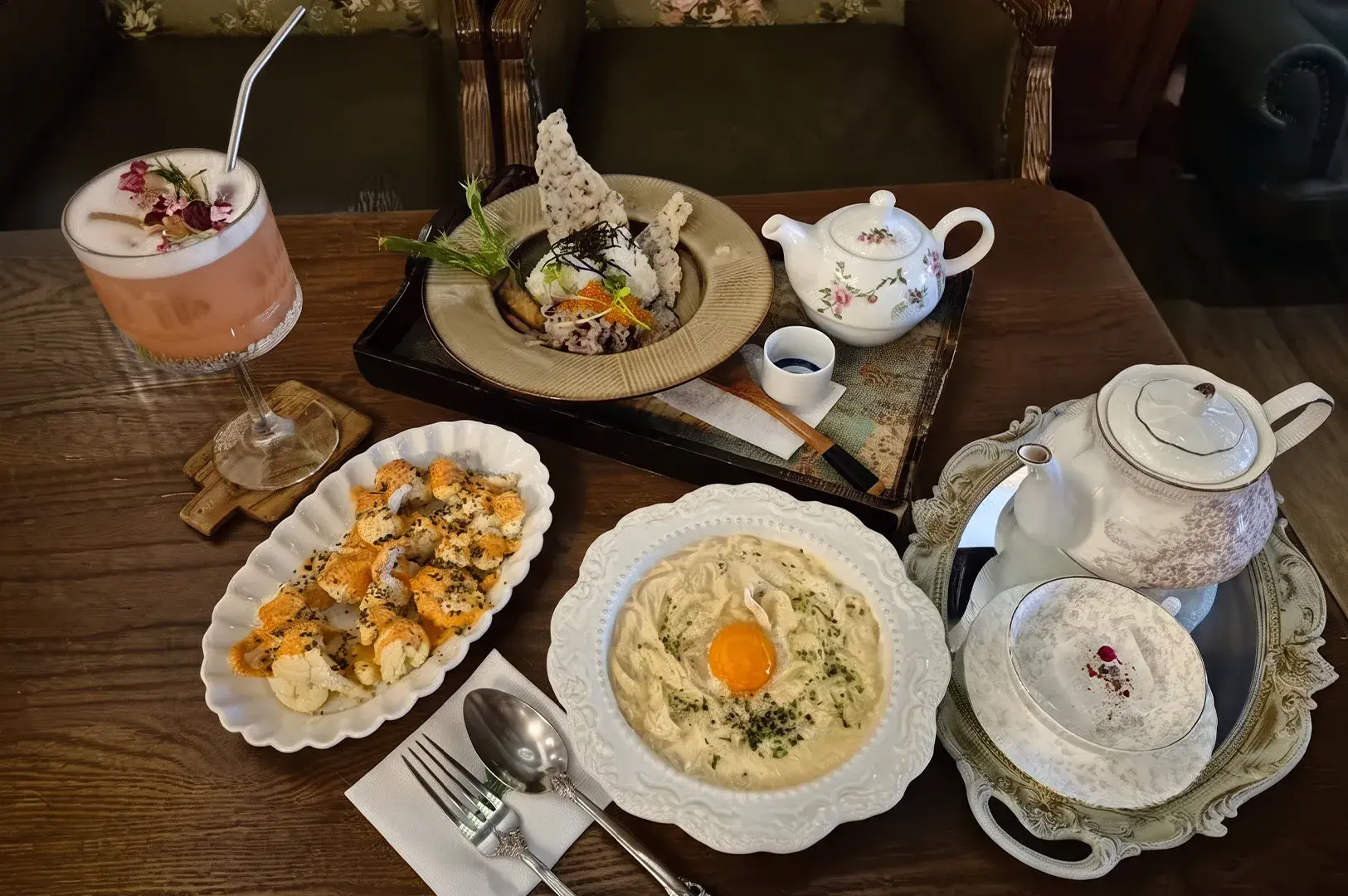
Some of the menu leans toward the table rather than the individual, and I liked that about it.
The DIY Steamed Bao Sliders come with soft lotus buns and a choice of Iberico pork, truffle beef, or mentaiko prawn. The menu calls it a playful ritual of hands and sharing, and that's exactly what it is. Food you build together, with a little laughter in between.
There's also the Hong Shao Niu Rou Mochi, red-braised beef rib fingers with charred Japanese rice cakes, Shanghai depth meeting Japanese texture. And the Braised Beef and Tempura Prawn, ochazuke-inspired noodles that felt like something you'd want on a rainy evening exactly like the one I was having.
A few others waited on the menu for another visit: the Kou Shui Ji Cha Soba, cold Sichuan chicken with matcha soba in a spicy tsuyu; the Salted Baked Chicken with roasted vegetable salad; the Kani Miso Gratin, baked crab miso in its shell; and the Green Sichuan Pepper Shishamo, smelt fish in a clay pot lifted with mala oil and green peppercorn. I left them for next time. Some rooms deserve a return.
Service That Doesn't Hover
I'm wary of service that performs. Here, no one performed.
The staff let me be. They came when I needed them and disappeared when I didn't. Tea was topped up without ceremony. Plates arrived at their own pace, unrushed, which suited the afternoon and suited the food.
There's a stillness to being left alone in a good way. To not being managed. I felt that here, and it's part of why I'd return.
Practical Things Worth Knowing
A few notes, if you're thinking of going.
- Where: 2 Paya Lebar Road, #01-09, PLQ Parkside, Singapore 409053, near the MRT.
- Hours: Monday to Thursday and Saturday, 11am to 11pm. Friday, 11am to midnight. Sunday, 11am to 10pm.
- Good to know: It's pet-friendly, and there's a cocktail bar alongside the artisanal teas, offering lush drinks and coffee options.
- Reservations: Worth booking if you're coming with a group or on a weekend, when the room fills more.
I'd come on a quieter afternoon if you can. The place seems built for that hour, for the slow part of the day rather than the rush.
What I'd Be Honest About
It isn't perfect, and I don't think it's trying to be.
The menu is ambitious, folding together several cuisines at once, and not every idea will land the same way for every diner. If you come wanting one clear, familiar taste, the range might feel like a lot. This is food that likes to reinterpret, and reinterpretation is always a little personal.
The portions lean thoughtful rather than large. You come here to linger and graze, not to be filled to the edge. That's a strength if you understand it going in, and a small surprise if you don't.
None of this dimmed the afternoon for me. It simply tells you what kind of place this restaurant is.
Would I Return? Yes, Quietly
By the time I reached the end of my visit, the rain had stopped.
I sat a while longer than I meant to, which is usually the truest thing I can say about a place. A Beautiful Day Café didn't try to impress me. It just made room for me, poured good tea and coffee, and let the afternoon be soft.
I'd return for the smashed potatoes and that peculiar, comforting bak kut teh dashi. But more than any single dish, I'd return for the pace. For the permission to slow down. Some places feed you. A few, rarer ones, let you rest.
This was one of the quiet ones. And the quiet ones tend to stay with me.
For a more Cafe and tea experience, be sure to visit this article: Cafe Singapore Spots Worth Visiting for Their Tea
FAQ
Where is A Beautiful Day Café located?
At 2 Paya Lebar Road, #01-09, PLQ Parkside, Singapore 409053. It's within easy walking distance of the MRT.
What are the opening hours?
Monday to Thursday and Saturday, 11am to 11pm. Friday, 11am to midnight. Sunday, 11am to 10pm.
Is it really a tea house?
Yes. It's a tea house and café at heart, built around artisanal teas, with a cocktail bar and a full food menu alongside.
Is A Beautiful Day Café pet-friendly?
It is. Dogs are welcome, and the space has an easy, relaxed feel because of it.
What should I order on a first visit?
The 'Okonomiyaki' Smashed Potato is a table favourite, and the Aburi Truffle Beef Chazuke with its bak kut teh dashi is worth trying. For sharing, the DIY Steamed Bao Sliders are a gentle, hands-on choice.
Is it good for groups?
Yes, especially with the sharing plates like the bao sliders. Booking ahead is wise on weekends and busier evenings.
What drinks are offered?
The café offers a lush variety of artisanal teas, coffee, and cocktails to enjoy throughout the day.
Should I check the menu before visiting?
Yes, checking the menu helps you explore the variety of dishes and drinks served, ensuring a delightful taste experience.

Tea Snobs Made Brewing Hard—So I’m Making It Simple Again
Tea Snobs Made Brewing Hard—So I’m Making It Simple Again There was a time when I thought I was making tea incorrectly. The water was probably too hot. The leaves were probably wrong. The pot was certainly not the right one. At least, that was what I had been led to believe. Tea culture can…
-
The Leaf That Waits in the Dark: Understanding Gyokuro Tea
Anyone who has waited at a bus stop at midday in Singapore knows how much shade matters. You step under the roof, the glare softens, and everything slows down a little. Tea plants respond to shade too, though in their own way. In parts of Japan, farmers deliberately cover their tea bushes in the weeks…
-
What “Quality” Really Means (To Me) When Choosing Tea
I used to think choosing good tea meant knowing what to look for. The right origin. A respected producer. Beautiful leaves. A good harvest. Maybe even a price tag that made me think, “This must be worth it.” Over time, I realised I was making tea shopping much harder than it needed to be. Because…
-
Tea Cocktails: The Rise of Tea-Infused Mixology in Modern Bars
Tea usually arrives quietly. Steam rising from a pot, a cup set down on a saucer, the scent of roasted tea leaves or jasmine drifting across a kitchen table. A cocktail bar keeps a different rhythm. The light is low, the glassware is chilled cocktail glass, and ice rattles sharply in a cocktail shaker. Yet…
-
Stop Adding Sugar First: You’re Training Your Tongue Wrong
There is a habit I have noticed among tea drinkers. Sugar goes in before the first sip. Perhaps it is only a small spoonful. Perhaps two. But the tea is sweetened before it has been given a chance to introduce itself. I used to do this too. It seemed harmless. Tea was bitter, sugar made…
-
Is Tea a Diuretic? What Your Daily Cup Really Does for Hydration
Picture a sticky afternoon in Singapore. The kind where the air sits heavy on your shoulders and the walk from the MRT feels longer than it should. You reach for something cold. Maybe a teh peng from the drinks stall, ice clinking in a plastic cup. Maybe a bottle of green tea from the convenience…
-
Cold Brew Tea Isn’t Lazy, Hot Purists Just Don’t Like Being Wrong
I used to think cold brew tea was cheating. Not seriously, of course. But there was something about it that felt almost too easy. No kettle. No worrying about water temperature. No watching the clock while the leaves steep. Just tea, cold water, and a little patience. It seemed suspiciously effortless. Then I actually started…
-
A Taste of Taiwan in Every Pour: Yi Fang Taiwan Fruit Tea
There are drinks that catch your eye before you even take a sip. A tall cup, fruit pressed gently against the plastic, tea glowing amber underneath. Something about it feels right for a warm afternoon. Light. A little cheerful. Easy to carry. But if you slow down for a moment, some of those cups have…
-
Your Tea Isn’t Bitter—You’re Overbrewing It (And It’s Not Your Fault)
There is a particular disappointment that comes from making a cup of tea that tastes bitter. You choose the leaves carefully. You heat the water. You wait. Then the first sip arrives, and something feels wrong. For a long time, I assumed bitterness meant the tea itself was not very good. Perhaps the leaves were…
-
When Tea Meets Tropical: 5 Fruit Teas in Singapore to Try
There’s a specific kind of Singapore afternoon. The air feels thick, your shirt clings a little, and every mall entrance feels like a reward. On days like that, I don’t want anything heavy. I want something cold, bright, and full of fruit, but still recognizably tea. That’s where fruit teas come in. In Singapore, they’ve…