Imagine this: you’re seated on low cushions in a Marrakech riad, surrounded by patterned tiles and the scent of spices wafting through the air. Your host approaches with a polished silver teapot, or berrad, holding it high above a small glass. A thin stream of steaming green tea flows gracefully, landing perfectly in an ornate teacup. As it hits, a foamy layer blooms on top—a froth as beautiful as it is symbolic. The traditional way to serve Moroccan mint tea involves pouring from a height, creating this signature foam and adding a ceremonial touch to the experience.
This is the essence of the Moroccan tea service. Known for its elegance and savoir faire, this tea ceremony is more than the act of pouring a beverage. It’s a performance of hospitality, tradition, and artistry. The moroccan mint tea—sometimes called “Berber whiskey”—is not merely delicious; it is a symbol of friendship and generosity, a warm invitation into Moroccan culture. Alongside mint tea, a variety of drinks such as spiced coffee are often served, highlighting the diversity of beverages enjoyed at Moroccan tea gatherings. Take time to savor each sip to fully appreciate the aroma, flavor, and cultural significance of the tea.
A Tradition Steeped in History: From Green Tea to Moroccan Mint Tea
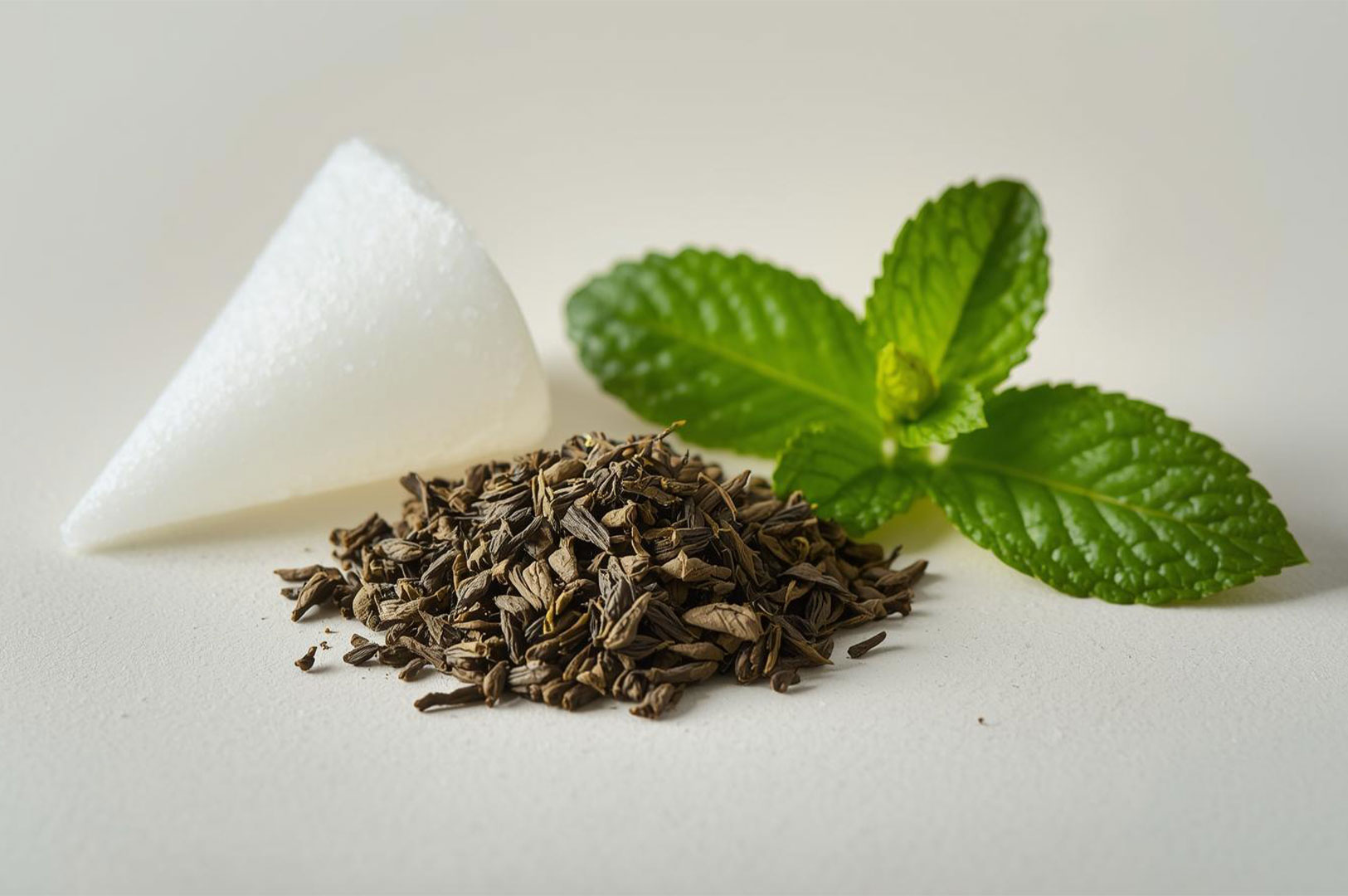
Tea was first introduced to Morocco in the 18th century by British merchants bringing loose leaf teas from China. Over time, Moroccans adopted gunpowder green tea, blending it with fresh mint leaves (na’na) and sugar to create a drink that would come to define the country’s style of tea making.
(For more on China’s historical green teas, see Tea Manor’s “The Dragon Well Legacy: Exploring China’s Legendary Longjing Tea”, which traces how teas like Longjing influenced global green tea culture.)
The process became deeply embedded in Moroccan life and food culture. Moroccan mint tea is often flavored with herbs, orange blossom, or aromatic spices, enhancing its sensory appeal and making each cup uniquely inviting. Among Berber communities in North Africa, serving tea to guests became a way to express warmth and welcome. To offer a cup of mint tea was to extend friendship, to turn a brief encounter into shared sips and conversation.
Over time, the ritualized tea ceremony became a centerpiece of Moroccan hospitality, blending a process similar to the Japanese tea ceremony with local character and rustic simplicity.
The Tea Ceremony: Preparing Authentic Moroccan Mint Tea
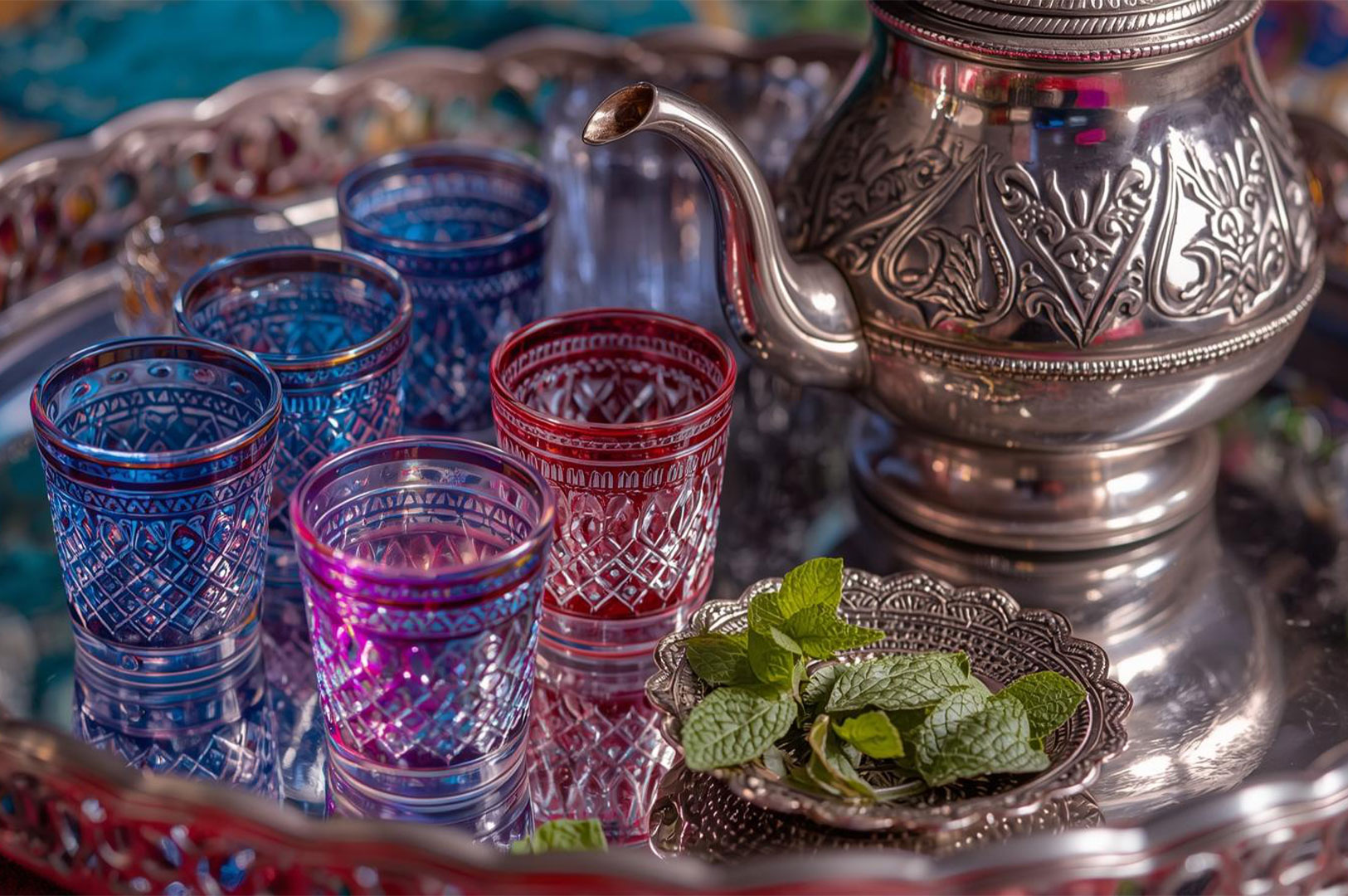
The Three Pours: A Journey of Life and Flavor

The Moroccan tea ceremony traditionally includes three rounds of pouring, each with symbolic meaning captured in the proverb:
“The first glass is as bitter as life. The second is as strong as love. The third is as gentle as death.”
During the ceremony, the tea is drunk slowly and with mindfulness, following proper etiquette to honor the tradition and savor each pour.
The First Glass: Bitter as Life
Brewed with intensity, the first pour carries the sharp, earthy notes of green tea, symbolizing the challenges one faces in life.
The Second Glass: Strong as Love
As boiling water is added and the tea leaves mellow, this cup turns sweet and balanced—representing the warmth of love and friendship shared among guests.
The Third Glass: Gentle as Death
The final pour is lighter, with a softened flavor, offering a serene conclusion. Each glass invites a few sips of reflection, just as the Japanese thin tea (usucha) softens the formal tone of a tea ceremony into something intimate and personal.
Participating in all three pours means embracing the full arc of Moroccan tradition, from bitterness to sweetness to peace.
Hospitality and Tradition: The Heart of Moroccan Tea
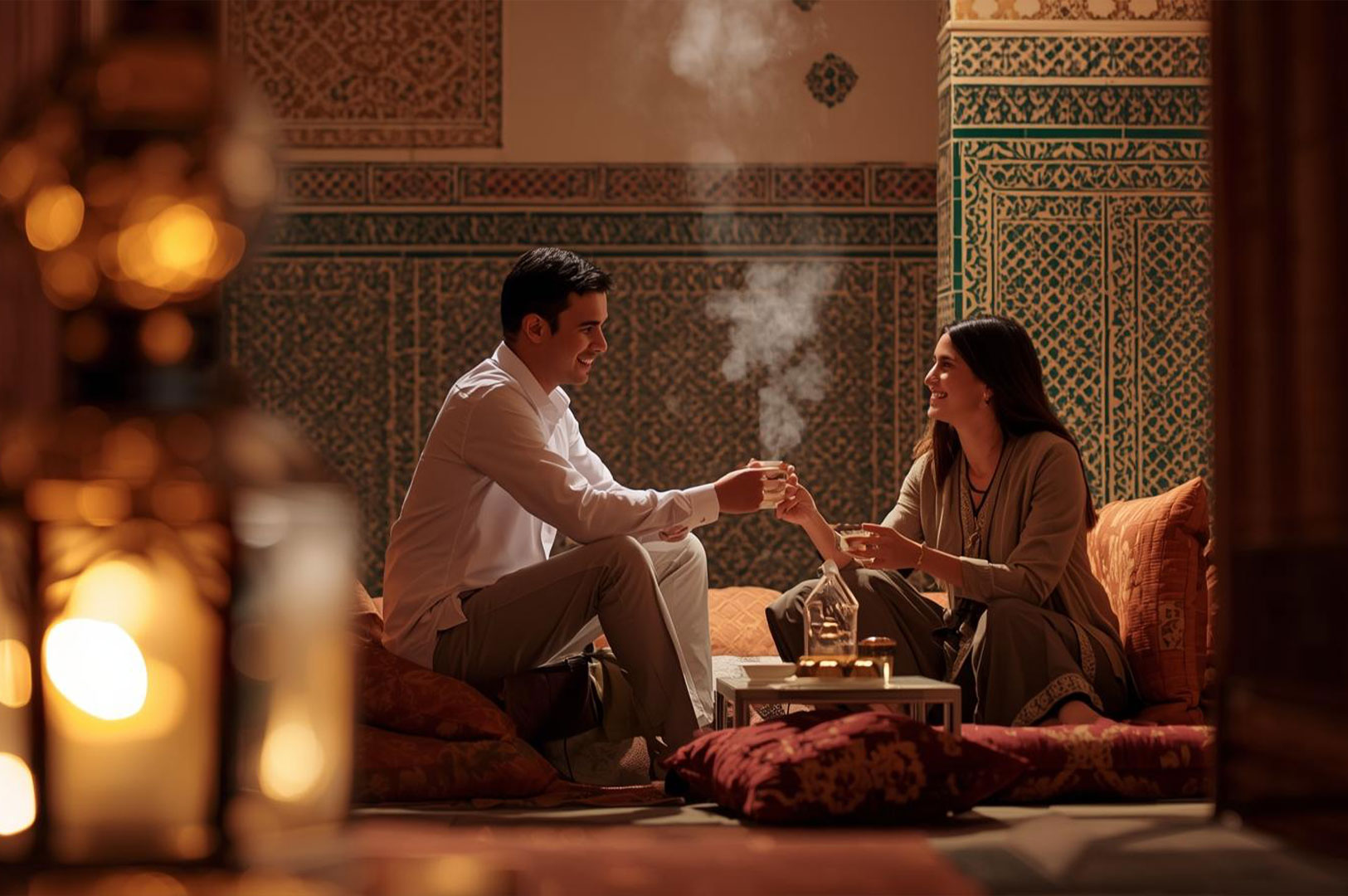
In Morocco, tea is more than a drink—it is a gesture of hospitality that transcends occasion, time, or place. Whether visiting a merchant’s store in Fez or entering a family room in Essaouira, a tray of tea will almost always appear before any food, coffee, or conversation.
Refusing tea is rarely done—it’s akin to declining friendship. The act of preparing, pouring, and sharing mint tea is one of the most important ceremonies in Moroccan life, just as the Japanese have formal tea ceremonies involving thin tea and thick tea (koicha). Both cultures express respect, mindfulness, and artistry through the ritual. While most tea ceremonies around the world are traditional, full-length events with multiple courses and specific rituals, the Moroccan tea ceremony stands out for its unique approach, focusing on hospitality and the communal enjoyment of mint tea.
The Moroccan host, through careful handling of the teapot, glasses, and tea tray, demonstrates the grace and patience of a true tea master—even without the whisk, scoop, or bowl found in Japan.
Comparison with Other Ceremonies: Moroccan Tea in a Global Context
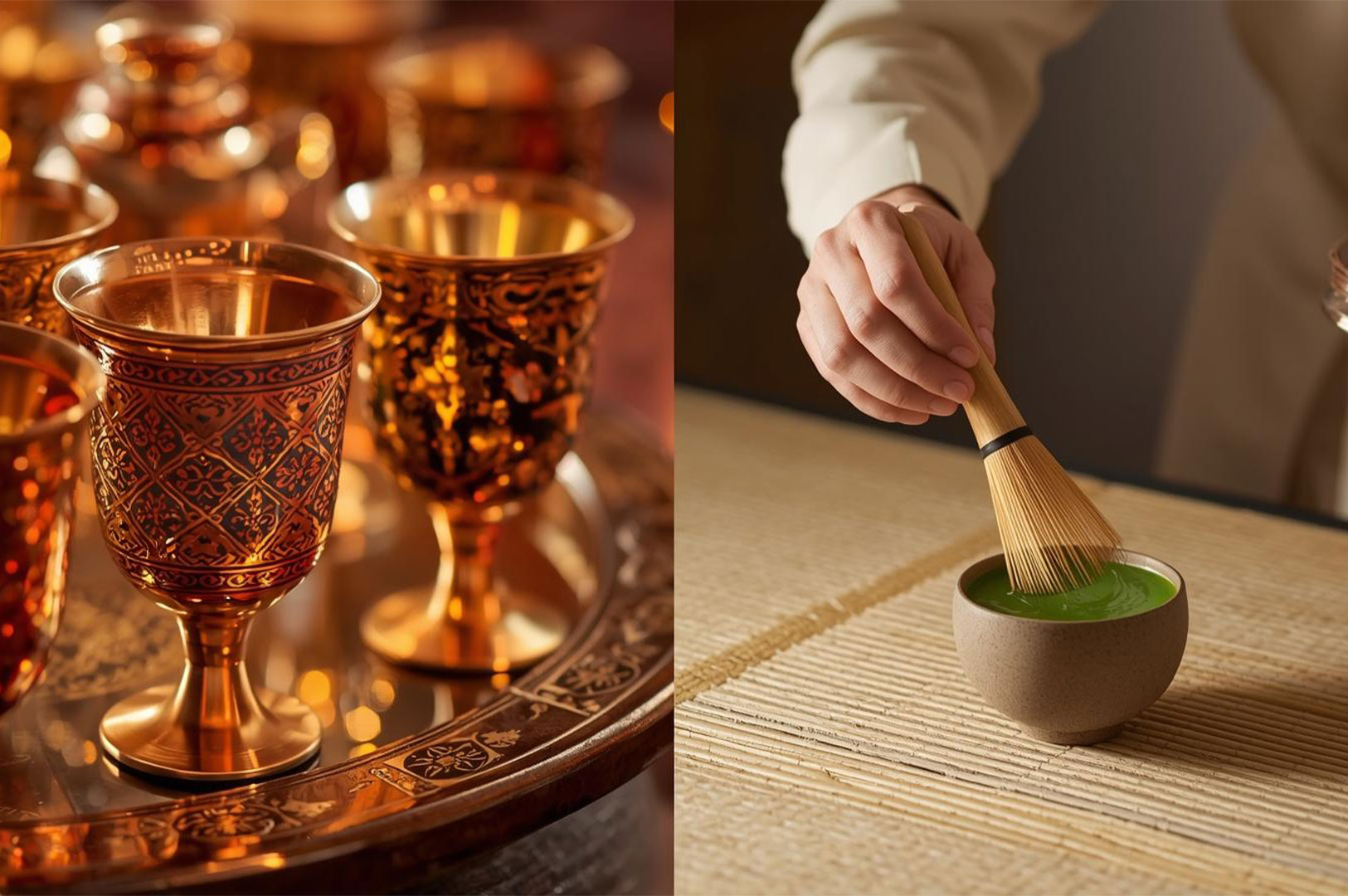
Across the world, tea ceremonies are a window into the soul of a culture, each with its own rituals, flavors, and sense of hospitality. Moroccan mint tea, with its vibrant blend of green tea, fresh mint leaves, and sugar, stands apart as a symbol of North African warmth and generosity. Yet, when placed alongside other renowned tea ceremonies—such as the Japanese tea ceremony—its unique character shines even brighter.
In Morocco, the art of tea making is rooted in tradition but thrives on social connection. The ceremony centers around the teapot, tea tray, and ornate glasses, with the tea master skillfully blending loose leaf teas, boiling water, and generous handfuls of mint. The result is a sweet, aromatic mint tea, served in small glasses and always accompanied by a spirit of welcome. The process is lively and communal, inviting guests to share in a few sips, laughter, and conversation.
Contrast this with the Japanese tea ceremony, where rustic simplicity and mindful precision reign. Here, the tea master prepares matcha—a powdered green tea—using specialized tea utensils like the tea scoop and tea whisk. The ceremony unfolds on a tatami floor, with each movement carefully choreographed, from scooping the tea leaves to whisking the hot water in a tea bowl. The Japanese formal tea ceremony is a meditative experience, emphasizing harmony, respect, and the beauty of imperfection.
While both traditions celebrate the act of serving tea, their approaches differ. Moroccan mint tea is all about bold flavors, sweet notes, and the joy of gathering, with the tea master pouring from a height to create a signature froth. The Japanese ceremony, on the other hand, is defined by its quiet elegance, the subtle taste of thin tea or thick tea, and the use of traditional tea equipment.
Modern Adaptations: Evolving the Moroccan Tea Service

While deeply traditional, the moroccan tea service has adapted to the modern world. In chic cafes across Casablanca and Marrakech, mint tea is sometimes prepared quickly with teabags, or sugar served separately. For modern tea drinkers, using a tea bag offers added convenience and speed. Still, for any important occasion—a wedding, a guest’s arrival, or a family meal—the formal tea ceremony remains unchanged.
Regional styles also bring unique nuances:
- In North Africa’s Sahara region, tea is brewed stronger and served in tiny cups, sometimes through a three-pot process similar to tasting thin tea and thick tea in a Japanese tea ceremony.
- In Tangier, orange blossom water and flowers are often added for a fragrant twist.
- In Fez, hosts may pour tea at elaborate angles to showcase their skill—a nod to Morocco’s blend of artistry and savoir faire.
(For comparison, Tea Manor’s “Ceylon High Grown Tea” explores how terroir and preparation techniques shape regional flavor and ceremony elsewhere in the world.)
Experience Moroccan Tea: A World of Flavor and Connection
To experience moroccan mint tea is to experience Morocco itself—a country where hospitality is expressed through every pour, every cup, and every smile. It teaches the value of slowing down, of savoring a few sips with intention.
In Moroccan tea culture, it is common for pastries or sweets to be served and eaten before drinking tea, enhancing the overall tea experience and echoing similar traditions found in Japanese tea ceremonies.
Whether you visit a tea house in Marrakesh, prepare a pot at home, or explore related topics like the Japanese tea ceremony, each ceremony reveals the same universal truth: tea is a bridge between people, cultures, and moments of shared peace.
So next time you lift your teapot, remember: in both Moroccan and Japanese traditions, the art lies not just in how tea is made, but in how it is shared.

Does Tea Contain Caffeine? Understanding What’s Really in Your Tea
There’s a quiet moment many of us know well. The kettle clicks off. Steam curls up. You wrap your hands around a warm cup and feel your shoulders drop, just a little. Tea has always carried this sense of calm, of slowing down. So it can feel almost contradictory to ask: does tea contain caffeine?…
-
“Detox Tea” Is Mostly Marketing: Here’s What Tea Actually Does
I have always found the phrase “detox tea” a little strange. Not because I dislike tea. Quite the opposite. Tea has been part of my daily life for years. I love the quiet ritual of choosing leaves, waiting for the water, and taking a moment to slow down. But somewhere along the way, tea became…
-
The Tea House That Time Did Not Forget: Tea Chapter Trading Pte Ltd
I almost walked past it. Located at Nine Neil Road, Tea Chapter Trading Pte Ltd sits quietly, a three-storey shophouse just across from Maxwell MRT in Singapore, its restored facade catching afternoon light. Around it, Chinatown moves at its usual pace. Inside, something slower has been happening since October 1989. I stepped in on a…
-
Expensive Tea Doesn’t Guarantee a Better Cup, Here’s Why
There is a belief in tea that we rarely question. If something costs more, it must be better. It is an understandable assumption. A rare tea from a respected region, carefully harvested and beautifully packaged, naturally creates expectations. We associate price with effort, craftsmanship, and quality. And often, that connection is justified. But not always….
-
SUN with MOON Singapore at Wheelock Place: A Unique Tea Dining Cafe Experience on Orchard Road
The lunch crowd had gone. Dinner hadn’t arrived yet. I came in during that strange, in-between hour, a little after three on a weekday, when the escalators at Wheelock Place hum quietly and Orchard Road feels almost gentle. Most people were still at their desks. I wasn’t. I wanted tea, and I wanted to sit…
-
Cold Brew Tea Is Underrated (And Hot Purists Are Missing Out)
I used to think tea had to be hot. There was something about the ritual of it. Boiling water, warming the pot, watching the leaves open. A proper cup of tea seemed to require steam. Then I tried cold brew tea, and I had to admit something slightly uncomfortable. I liked it. More than I…
-
All Things Delicious Review: The Quiet Pleasure of Tea and Cake.
There’s a particular kind of afternoon that asks for tea, and All Things Delicious answers it with a quiet, comforting tea-and-cake experience on Arab Street: handmade sweet treats, warm approachable teas, and a room that makes simple pleasures feel like enough. Not coffee, with its urgency. Tea. The slow kind, poured while the conversation drifts…
-
Wellness Tea Is a Scam, but Tea Can Still Be Good for You
There is a strange contradiction in the way we talk about tea today. For centuries, tea was appreciated for its taste, its rituals, and the moments it created. Today, it is often sold as something else entirely. A solution. A promise. A shortcut. The language surrounding wellness tea has become increasingly familiar. Detox tea. Cleansing…
-
Camellia Tea: A Blossom, A Leaf, A Legacy Rooted in Camellia Sinensis
My grandmother kept her camellia tea in a battered tin that had once held biscuits. She never called it anything fancy. It was just cha, brewed strong in the mornings using fresh tea leaves from the tea plant, poured into small cups that had lost their matching saucers years ago. I didn’t know then that…
-
Why “Caffeine-Free Tea” Marketing Should Be Regulated (Seriously)
Hear me out: we have become far too comfortable with the phrase “caffeine-free tea.” It appears on beautiful packaging, wellness websites, and café menus with the confidence of a health guarantee. The words suggest calm evenings, better sleep, and a gentler relationship with what we drink. But there is a problem. The phrase sounds clearer…