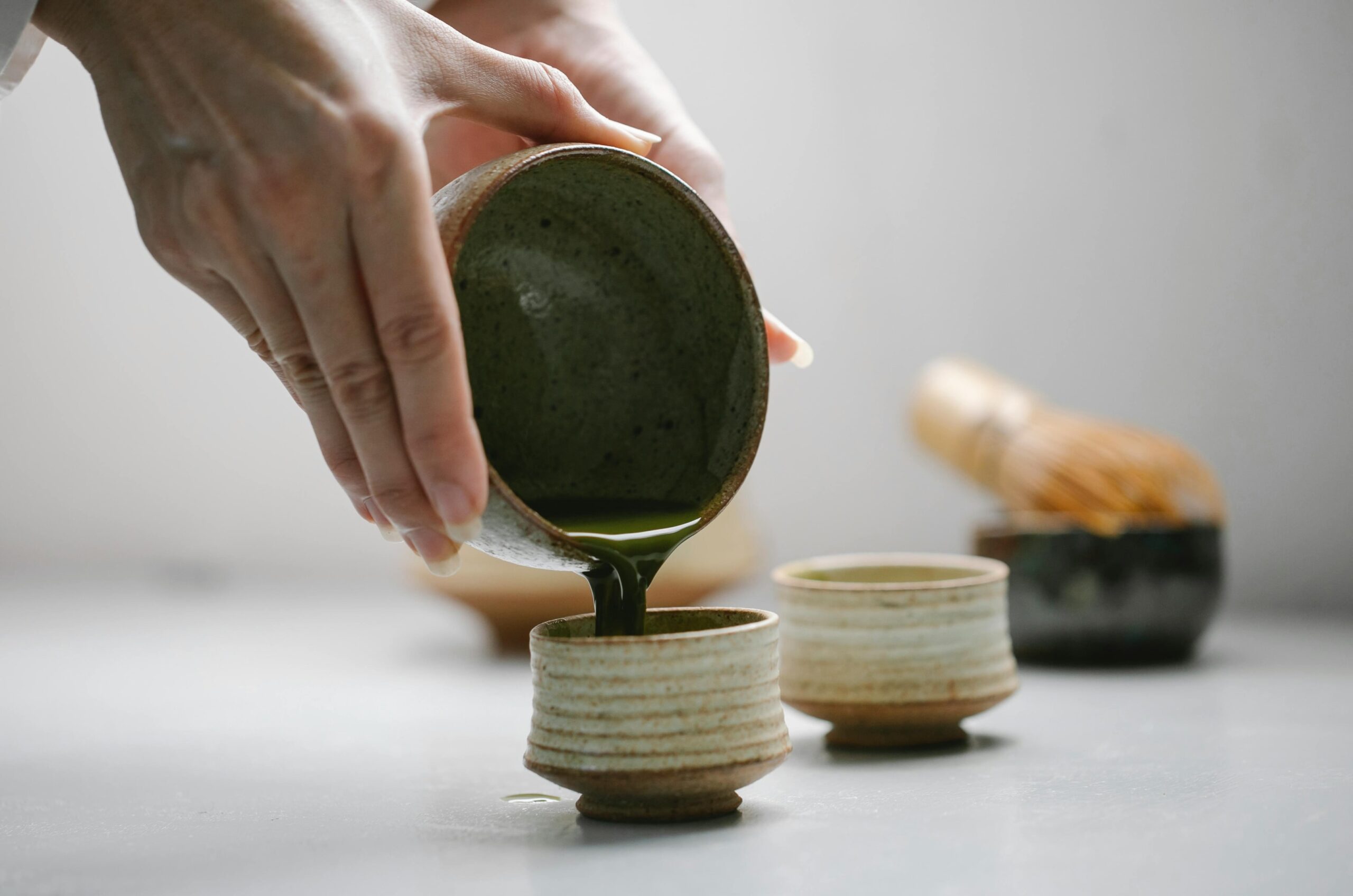
Imagine sitting in a quiet room, the scent of tatami floor mats mingling with the subtle aroma of powdered green tea. Before you, a tea master moves with deliberate, graceful motions, whisking vibrant matcha tea into a frothy jade liquid using a bamboo whisk. Every gesture, from warming the tea bowl to the final, respectful silent bow, is filled with purpose. This is not just about drinking tea; it is a moment of shared presence, a meditation in motion. This is the essence of a tea ceremony.
Why do these ancient rituals continue to captivate us? Because a tea ceremony is far more than a method of tea preparation. It is an art form, a spiritual practice, and a profound expression of hospitality deeply embedded in japanese culture that transcends language and culture. It invites us to slow down, to appreciate the beauty in simplicity, and to connect with others in a meaningful way.
Tea Ceremony: The Heart of Ritual and Connection
At its core, every tea ceremony shares a common purpose: to elevate the simple act of tea drinking into a moment of intentional connection and mindfulness. While the methods and aesthetics vary widely among different schools and cultures, they are all rooted in universal values.
- Mindfulness: The deliberate, focused movements required in tea preparation draw both the host and the guest into the present moment. The worries of the outside world fade away, replaced by an appreciation for the sounds, smells, and sensations of the ritual.
- Hospitality: Serving tea is a universal gesture of welcome. A formal tea ceremony elevates this into a profound act of respect and care, where the host dedicates their full attention to creating a harmonious experience for their guests.
- Cultural Significance: Tea ceremonies are living museums, preserving centuries of history, philosophy, and artistic tradition. They offer a window into the soul of a culture, reflecting its values and aesthetic principles in every detail, from the flower arrangement to the tea garden.
- Religious Ceremonies: Many tea ceremonies have origins in religious ceremonies, particularly within Buddhist traditions, where tea was used as a meditative aid and symbol of purity.
Japanese Tea Ceremony: The Way of Tea and Harmony
Perhaps the most iconic of all tea traditions, the japanese tea ceremony—known as Chanoyu or Sadō ("The Way of Tea")—is a highly refined and spiritual practice. Developed under the influence of zen buddhism, its goal is to cultivate harmony, respect, purity, and tranquility.
The experience is a symphony of sensory details. Guests enter through a low door, compelling them to bow and humble themselves, leaving the outside world behind. Inside a simple tea house, every object—from the seasonal flowers to the tatami floor—is carefully chosen to reflect the time of year and the theme of the gathering. The tea master’s movements are a choreographed dance, precise yet fluid.
Key elements of this traditional tea ceremony include:
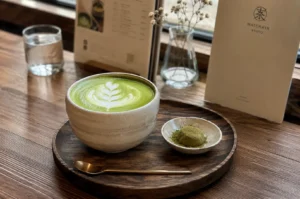
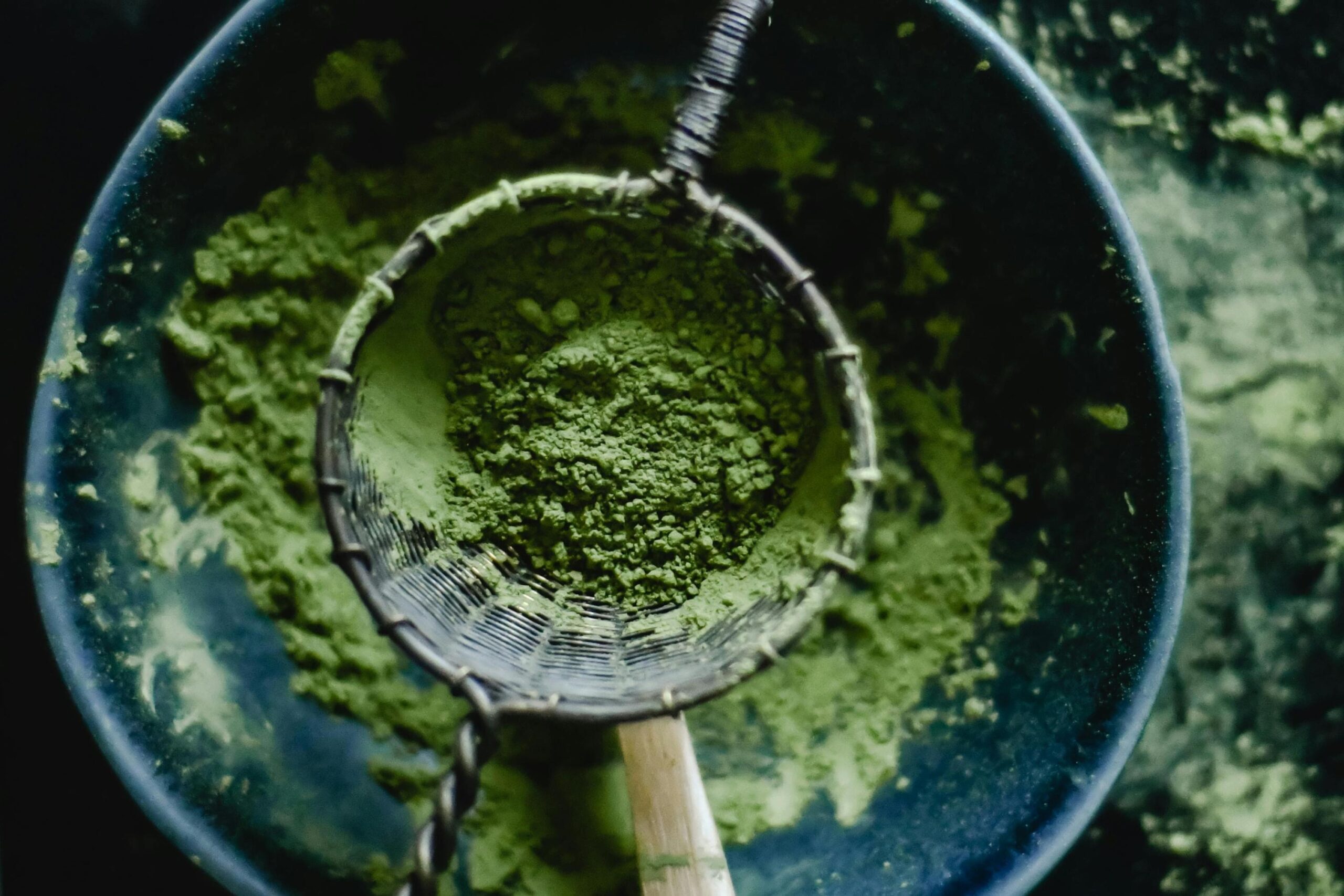
- Powdered Green Tea: The star of the japanese tea ceremony is matcha tea, a finely ground powdered tea whisked with a bamboo whisk into a frothy, vibrant liquid, not steeped like loose tea leaves.
- Tea Equipment: Every tool, from the bamboo tea scoop (chashaku) to the tea bowl (chawan) and tea caddy, is a work of art. These cherished tea utensils are handled with immense care and respect.
- Setting and Etiquette: Rooted in the aesthetic of wabi-sabi—finding beauty in imperfection and simplicity—the tea room is typically unadorned, allowing guests to focus on the ritual itself. Guests purify themselves at a stone basin before entering, and the host and guests exchange a silent bow as a sign of respect. The waiting room serves as a calm space for guests to prepare mentally and physically for the ceremony, enhancing the sense of mindfulness.
- Tea Preparation: The tea preparation involves carefully heating hot water over a charcoal fire and whisking powdered tea with a bamboo whisk to create either thin tea (usucha) or thick tea (koicha), each with its own texture and flavor profile.
- Sweets: Small, delicate sweets called wagashi are served before the tea to complement its rich, umami flavor.
Influenced heavily by Buddhist monks and the samurai class, japanese tea culture is a moving meditation. It teaches that one can find profound beauty and meaning in the simplest of acts, emphasizing respect, purity, and tranquility.
Tea Ceremonies: The Art and Skill of Drinking Tea
Tea ceremonies around the world share a reverence for the ritual of tea drinking, though their styles and focuses differ greatly.
Chinese Tea Ceremony: Gongfu Cha and Ancient Wisdom
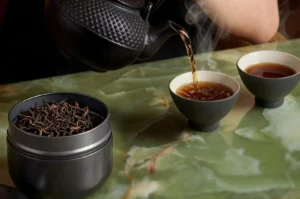
China, the birthplace of tea, offers the oldest and most foundational tea culture. The chinese tea ceremony, especially the Gongfu Cha, emphasizes mastering the art of tea preparation to extract the perfect flavor from tea leaves.
This ceremony involves:
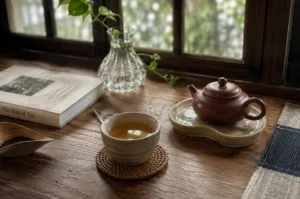
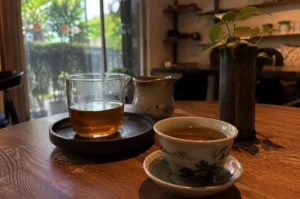
- Tea Equipment: Specialized utensils including a small clay teapot (often Yixing), tea cups, a tea tray to catch excess water, and a sharing pitcher.
- Multiple Infusions: The same tea leaves are steeped multiple times, each infusion lasting just a few seconds, revealing different nuances.
- Serving Tea: Tea is served in small tea cups encouraging guests to take a few sips and savor the evolving flavor. Guests are taught to avoid drinking directly from the front of the tea cup, instead lifting it with the left palm and rotating it slightly, a gesture that shows respect and appreciation.
The chinese tea ceremony is also deeply connected to family and social rituals, including the chinese wedding tradition where the bride's family and groom's parents participate in serving tea to honor family members and receive red envelopes symbolizing good fortune. On the wedding day, this ceremony symbolizes the joining of two families and the couple's respect for their elders. The couple's parents often play a central role in this ceremony, underscoring the importance of family ties. Traditionally, the groom or male participants may wear a red tie as part of their formal attire, symbolizing happiness and prosperity.
Private Tea Ceremony: Modern Adaptations and Intimate Experiences
Beyond public ceremonies, private tea ceremonies offer intimate moments of connection. Whether held in a tea garden or a dedicated tea house, these gatherings focus on the shared experience of tea preparation and appreciation.
Private ceremonies often adapt traditional tea equipment and rituals to suit the occasion, sometimes blending elements from different cultures or tea schools. They provide an opportunity for foreign guests to engage deeply with tea culture, often including wearing kimono and participating in the full sequence from purifying hands at the stone basin to savoring tea served in handcrafted tea bowls.
Japanese Tea: The Living Tradition of Tea Houses and Schools
Japanese tea culture remains vibrant today, with numerous tea schools preserving and teaching the art of the tea ceremony. These tea schools offer training in the precise movements, etiquette, and philosophy behind the way of tea.
Tea houses continue to be the ideal venues for formal occasions, featuring tatami floors, seasonal flower arrangements, and carefully curated tea utensils. The tea garden surrounding the tea house provides a tranquil setting, deepening the meditative quality of the ceremony. Tea plantations in Japan, particularly in regions like Uji and Shizuoka, supply the high-quality tea leaves that are essential for these ceremonies.
Tea Equipment: Tools of the Tea Master
Central to any tea ceremony is the tea equipment, each piece carefully chosen for function and beauty:
- Tea Whisk (Chasen): Made from bamboo, used to whisk powdered tea into a frothy consistency.
- Tea Scoop (Chashaku): A slender bamboo tool for measuring powdered tea.
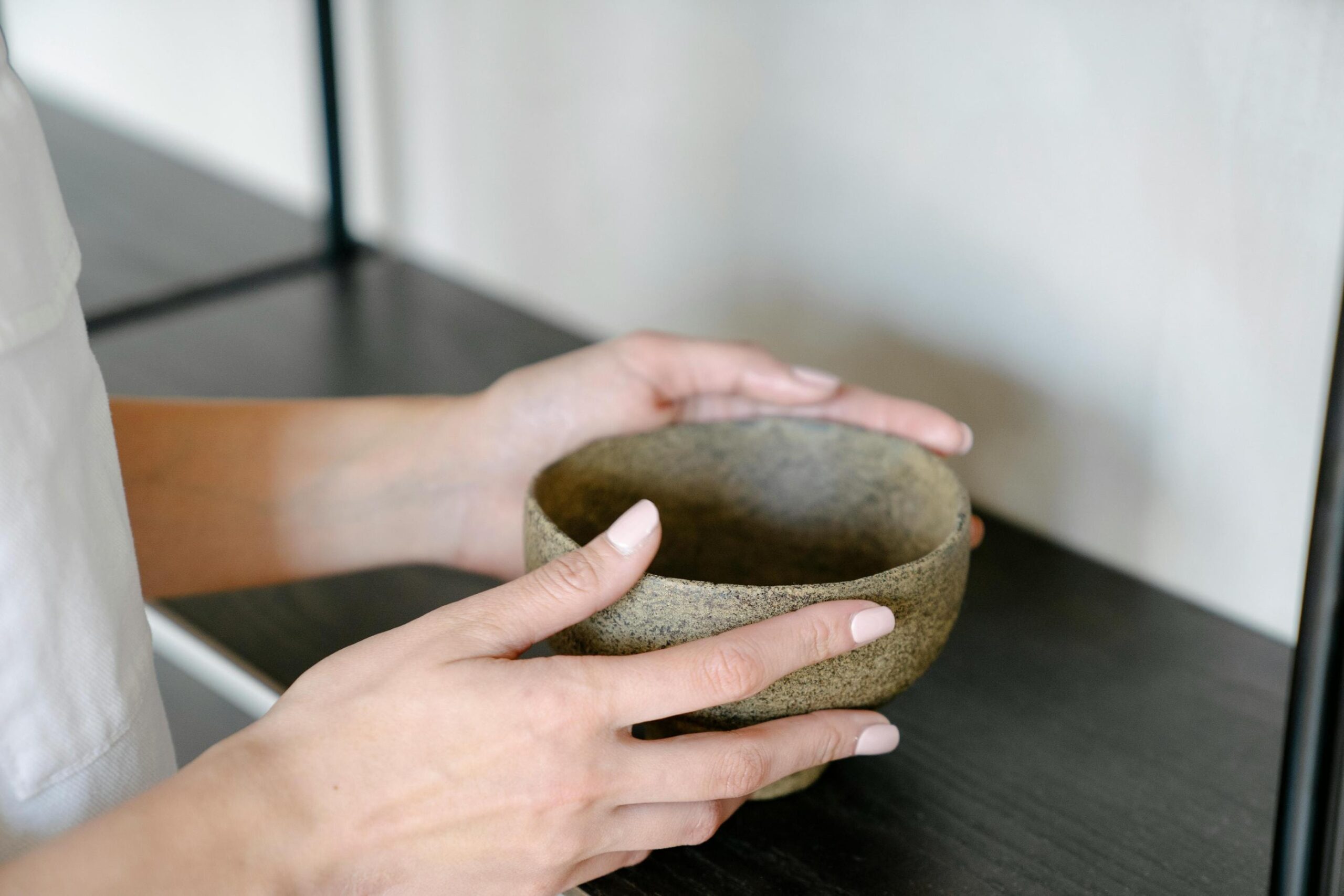
- Tea Bowl (Chawan): Often handcrafted, its shape and texture reflect the season and the tea master's style.
- Tea Caddy (Natsume or Chaire): A container for storing powdered tea.
- Other Utensils: Including the water ladle, charcoal fire tools, and cloths for cleaning.
Proper care and handling of tea equipment is a form of respect and reflects the deep cultural history of tea.
Thin Tea: The Delicate Art of Usucha
In many japanese tea ceremonies, thin tea (usucha) is served to guests in individual tea cups. It is lighter in texture than thick tea and is often accompanied by seasonal sweets.
The preparation of thin tea involves whisking powdered tea with hot water until frothy, then serving it with grace. Guests are encouraged to take a few sips, appreciating the tea's subtle flavors and the beauty of the tea bowl.
Art Form: The Way of Tea as a Cultural Treasure
The tea ceremony is more than a beverage preparation; it is an art form that embodies harmony, respect, purity, and tranquility. It reflects the essence of traditional japanese aesthetics and zen buddhism, celebrating the present moment.
Through the careful choreography of movements, the selection of tea utensils, the arrangement of flowers, and the serene setting of the tea house and tea garden, the tea ceremony invites participants to experience a profound connection with nature, culture, and each other.
Flower Arrangement: The Subtle Beauty of Chabana
An integral part of the tea ceremony is the flower arrangement, or chabana. These simple, seasonal flowers are arranged with minimalism to complement the tea room's atmosphere and reflect the natural world.
Chabana arrangements avoid artificial decorations, focusing instead on natural beauty and seasonal relevance, often displayed in rustic containers that harmonize with the tea utensils and surroundings. Seasonal flowers such as lotus seeds and red dates may be incorporated symbolically to represent purity and good fortune.
Conclusion
From the ceremonial tea houses of Japan to the spirited gongfu tea tables of China, tea ceremonies around the world share a rich tapestry of tradition, philosophy, and artistry. They remind us that tea drinking is not merely about the beverage but about the connections forged, the moments cherished, and the cultural history honored.
Whether you are a seasoned tea master or a curious guest, embracing the way of tea offers a path to mindfulness, harmony, and joy in the simple act of sharing a cup. So steep your tea, whisk with intention, and savor each sip as a celebration of life itself.
For a deeper understanding of the core values that shape the Japanese tea ceremony, explore the four principles of Chanoyu in this insightful article.

Stop Calling It “Premium”: Why Most Luxury Tea Branding Is Empty
There is a word I have become increasingly cautious of in the tea world. Premium. It appears everywhere. Premium leaves. Premium harvests. Premium collections. Premium experiences. The word sounds reassuring. It suggests care, quality, and something worth paying attention to. But after seeing it attached to almost everything, I sometimes wonder whether it has started…
-
Pryce Tea: A Modern Pour with Old Tea-Room Ambitions
I visited on a weekday afternoon, around three, when the city had quieted into that particular lull between lunch and the evening rush. I’d been curious about Pryce Tea for a while, mostly because the brand keeps surfacing among people who talk about teas the way some people talk about wine. With a reputation built…
-
The Seasons in a Tin: How Weather Shapes What I Reach For
I have a small habit that I never really noticed until recently. The weather changes, and somehow, so does the tea I want. On a hot afternoon, I find myself reaching for something light and floral. When rain settles over the windows, I want something darker, warmer, perhaps a little more comforting. On those rare…
-
Ginger Lily Afternoon Tea on Orchard Road: A Floral Chapter in Singapore’s Culinary Story
I noticed the ginger lily flowers before I noticed anything else. Not real ones, exactly. A wall of them, suspended in resin, catching the light as I stepped off the lift on Level 5 at Hilton Singapore Orchard, home to Ginger Lily, a floral-themed afternoon tea lounge on Orchard Road. I stood there a second…
-
Minimalism, But Make It Warm: A Simpler Way to Drink Better Tea
There is a certain irony about tea. The more we learn about it, the easier it becomes to complicate it. A simple cup of leaves and water slowly becomes surrounded by equipment, measurements, techniques, and expectations. We begin collecting teapots, comparing brewing methods, and searching for the perfect setup. None of these things are wrong….
-
A Humble Cup in an Age of Overdesigned Drinks: iTea Review
The bubble tea I queued for last month came with a caramelized brûlée top I had to crack with the back of my spoon. It was fine. Pretty, even. But somewhere between the torched sugar and the cheese foam and the third topping I didn’t ask for, I lost the drink itself. So I went…
-
Matcha Hype Has Gone Too Far (But I Still Drink It)
I have a confession. I am slightly tired of seeing matcha everywhere. Not because I dislike matcha. In fact, I drink it quite often. But there is something amusing about watching a humble tea become the centre of every café menu, wellness conversation, and social media trend. Matcha has gone from a traditional Japanese tea…
-
Hortus Afternoon Tea Review: When the Garden Becomes the Occasion in the Flower Dome
I forgot, for a moment, that I was indoors at Hortus, the Mediterranean restaurant nestled within the Flower Dome at Gardens by the Bay. There were trees above me, real ones, and the air held that cool, green stillness you usually find early in the morning somewhere far from the city. A leaf drifted down…
-
The Real Reason Your Tea at Cafés Tastes Flat
There is a particular disappointment that comes with ordering tea at a café. You see the menu. You notice the carefully written descriptions. Perhaps there is a mention of fragrant jasmine, roasted oolong, or a carefully selected blend. The presentation arrives beautifully arranged, and for a moment, there is anticipation. Then you take the first…
-
Herbal Tea in Chinese: A Cup Shaped by Heat, Balance, and Belief
The first sip was bitter. I was maybe seven, and my grandmother had pressed a small ceramic cup into my hands, dark liquid inside, steam curling up between us. She didn’t explain. She just said, “Drink. You’ve been too heaty.“ I made a face. She didn’t smile. She just waited until I finished. Years later,…