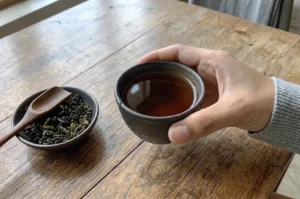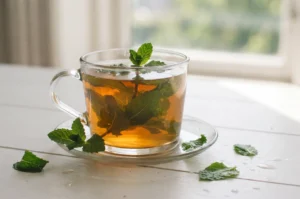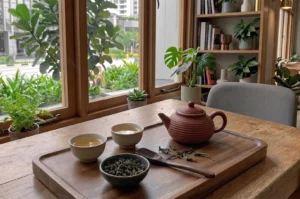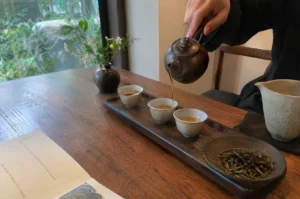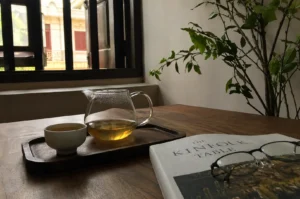
For many people, black tea is simply part of a routine. It is the first thing brewed in the morning, poured during afternoon tea, or enjoyed quietly at the end of a long day. Familiarity often makes it easy to overlook, but the benefits of black tea extend far beyond comfort or habit.
In the quiet spaces where science meets ancient ritual, modern research has begun to whisper of tea's deeper health benefits—a gentle unfolding that reveals how black tea polyphenols and the contemplative amino acid L-theanine weave their restorative threads through our daily being, offering those who embrace the ritual of regular tea consumption a soft sanctuary for both body and spirit.
The result is not a miracle cure or exaggerated wellness promise. Instead, it is something more believable. A daily drink with several meaningful benefits when enjoyed consistently and thoughtfully.
Understanding Black Tea: How Black Tea Differs From Green Tea and White Tea

Although green tea, white tea, and black tea often taste completely different, they all come from the same Camellia sinensis plant. The difference lies mainly in the different processing methods used after harvesting.
Black tea is typically fully oxidised. During production, the tea leaf is exposed to oxygen, darkening the leaf and developing deeper flavours. This process creates the rich colour and fuller body associated with black tea.
Compared to:
- green tea, which is minimally oxidised
- white tea, which undergoes very light handling
black tea develops a stronger flavour profile and slightly different chemical composition.
This processing also affects the concentration of compounds such as:
- tea polyphenols, including unique polyphenols called theaflavins that account for 3% to 6% of its polyphenol content and contribute to its antioxidant properties
- caffeine
- amino acids
- antioxidants like thearubigins
These beneficial compounds contribute to many of the recognised black tea benefits studied today.
Benefits of Drinking Black Tea for Cardiovascular Health
Black Tea and Blood Pressure
One of the most researched areas involving the benefits of black tea is its relationship to cardiovascular health.
Research suggests that regular black tea consumption may support healthier blood vessels and circulation. Some studies have also explored the connection between tea drinking and improvements in both systolic and diastolic blood pressure.
While black tea is not a replacement for medical treatment, moderate tea consumption may contribute to overall heart health when paired with healthy lifestyle habits.
Several studies have linked regularly drinking tea with:
- improved blood vessel function
- better cholesterol balance, potentially influencing how much cholesterol circulates in the blood
- a potentially reduced risk of certain cardiovascular conditions
Studies show that drinking at least two cups of black tea daily can lower the risk of stroke by 16% compared to those who don’t drink tea. On top of that, regular black tea drinkers have been found to have a 13% lower chance of dying from any cause, including heart disease, compared to people who don’t drink tea.
Scientists believe that the antioxidants in black tea help shield blood vessels from damage caused by stress and inflammation over time.
Cholesterol Levels and Heart Disease
Another area of interest is the relationship between black tea and cholesterol.
Some findings suggest black tea may help support healthier cholesterol levels, particularly by influencing high density lipoprotein levels, often referred to as “good cholesterol.”
Although more research is still needed, moderate tea intake may contribute to a lower risk of heart disease and broader cardiovascular disease concerns when combined with balanced nutrition and regular movement.
Effects of Black Tea on Cognitive Function

Many people reach for black tea because it offers a different kind of energy compared to coffee.
The caffeine content in black tea is generally lower than coffee, but black tea also contains L-theanine, an amino acid associated with calm focus and mental clarity.
This combination creates a more balanced feeling for many tea drinkers. Instead of sharp stimulation followed by a crash, black tea often provides steadier concentration and a gentler sense of alertness.
Research indicates that drinking black tea may improve cognitive performance, including executive function and memory tasks, compared to drinking water. Theaflavins in black tea may help prevent the formation of amyloid proteins, which are associated with cognitive decline and aging-related diseases. Regular consumption of black tea has been linked to a 29% reduction in the risk of all-cause dementia, highlighting its potential cognitive health benefits.
This is one reason black tea remains closely associated with:
- reading
- work
- conversation
- reflective daily routines
The effects of black tea on cognitive function continue to be studied, but many tea drinkers already recognise this experience intuitively.
Black Tea, Gut Health, and Beneficial Bacteria
The conversation around gut health has expanded rapidly in recent years, and tea has naturally become part of that discussion.
Black tea contains compounds that may help support beneficial bacteria within the digestive system. Some studies suggest tea polyphenols interact positively with the microbiome, encouraging a more balanced digestive environment.
A healthier gut environment has been linked to broader aspects of:
- immune function
- energy levels
- inflammation management
- overall well being
Black tea's antimicrobial properties may help prevent diarrhea and alleviate symptoms of digestive issues, making it beneficial during recovery from gastrointestinal disturbances.
Although tea alone cannot solve digestive issues, regular tea drinking may gently support a healthy gut over time.
Blood Sugar Control and Metabolic Health

Drinking black tea without added sweeteners can decrease blood glucose and improve your body's ability to manage sugar. Research indicates that drinking black tea after a sugar-rich meal can minimize the subsequent increase in blood sugar levels in both healthy individuals and those with prediabetes.
Polyphenols in black tea may improve insulin sensitivity, which helps lower blood sugar levels and may reduce the risk of developing type 2 diabetes.
These effects highlight the potential of black tea to contribute to metabolic health when consumed regularly and thoughtfully.
Weight Management and Appetite Regulation
Regular consumption of black tea has been associated with a notable increase in satiety before meals, which can help reduce portion sizes and snacking throughout the day.
The polyphenols in black tea can influence gut hormones related to appetite, such as ghrelin and peptide YY, helping to regulate feelings of hunger and fullness.
This makes black tea a valuable partner in weight management and appetite control.
Anti-Inflammatory and Antioxidant Properties
Black tea's anti-inflammatory properties influence its effects on various health conditions like heart disease and cancer.
Regularly drinking black tea reduces markers of cell damage and inflammation, specifically associated with lower levels of c-reactive protein, an inflammatory marker.
The polyphenols in black tea, particularly theaflavins, have been shown to limit the production of inflammatory molecules, contributing to its anti-inflammatory effects.
The antioxidants in black tea, including flavonoids and catechins, help combat oxidative stress by neutralizing free radicals, which can damage cells and contribute to chronic diseases.
Drinking three or more cups of black tea daily may raise antioxidant levels in the body, enhancing overall health and potentially lowering the risk of chronic diseases.
How Much Black Tea Should You Drink?

Finding a Balanced Routine
One of the most common questions surrounding the benefits of drinking black tea is simple: how much is too much?
For most healthy adults, consuming two to four cups of black tea daily maximizes health benefits without excessive caffeine intake.
Many studies examining tea benefits focus on people consuming:
- at least two cups daily
- or around three cups of tea per day
Loose Leaf Tea vs Tea Bags
The quality of tea can also influence the experience.
Many tea drinkers eventually move from a standard tea bag toward loose leaf tea or loose tea because of freshness and flavour complexity.
Loose leaf tea often contains larger, less broken leaves, which may preserve more aroma and nuance during brewing.
That said, a simple cup brewed from one tea bag can still be enjoyable and beneficial when prepared properly.
Incorporate Black Tea Into Daily Life Thoughtfully
Part of the lasting appeal of black tea lies in how naturally it fits into daily routines.
Some people prefer it plain. Others add:
- almond or oat milk
- honey
- lemon
The flexibility of black tea allows it to move easily through different parts of the day.
A morning cup may help with enhancing focus, while afternoon tea creates a slower, more reflective pause between responsibilities.
For many people, the ritual itself becomes part of the benefit.
The act of stopping, brewing tea, and sitting quietly for even a few minutes can create a noticeable shift in pace and attention.
Potential Health Risks and Considerations

Balance Is Important
While black tea offers several health benefits, moderation still matters.
Excessive caffeine intake may affect:
- sleep
- anxiety levels
- blood pressure in sensitive individuals
People with existing health conditions should also consider how caffeine interacts with medications or medical advice. Some discussions have also explored tea and cancer risk, including oral cancer, though findings remain mixed and require more research before strong conclusions can be made.
Like many foods and drinks, black tea works best as part of a balanced lifestyle rather than a singular health solution.
Black tea does not demand attention in the way newer wellness trends often do. It simply remains present, cup after cup, woven quietly into everyday life. And sometimes, the most valuable rituals are the ones that stay with us longest.

Not All Comfort Is Sweet: The Bitterness I Now Appreciate
I used to think comfort was supposed to be easy. A familiar drink. A familiar taste. Something that immediately made me feel better. For a long time, I gravitated towards teas that were gentle. Soft flavours. Natural sweetness. Anything that felt welcoming from the first sip. Then I started appreciating bitter teas. Not because I…
-
Understanding the Herb Behind the Refreshing Cup: Peppermint Tea
There is a moment, just after the hot water meets the fresh peppermint leaves, when the whole room seems to change. A sharp, green coolness lifts from the cup and settles somewhere behind your eyes. Drinking peppermint tea does this quietly, without fuss. It asks for nothing and offers a great deal. Most of us…
-
Why Most People Hate Oolong: Overcomplicated Advice Ruined It
I have always found it interesting that oolong tea is one of the most misunderstood teas. People often describe it as complicated. Too many varieties. Too many brewing methods. Too many rules. The leaves should be prepared this way. The water should be at this temperature. The teapot should be a certain material. The first…
-
Kempinski Singapore High Tea Review: When Afternoon Tea Feels Like an Occasion
The rain had come and gone by the time I arrived, leaving the street outside slick and quiet. I stepped in without knowing quite what I wanted from the afternoon. Only that I wanted it to be slow. The Lobby Lounge at The Capitol Kempinski Hotel Singapore does not rush you. It waits. And there…
-
Scent, Memory, and a Kettle: How Tea Anchors My Days
There are certain smells that bring us somewhere else before we even realise it. The scent of rain on warm pavement. A familiar perfume. The food someone used to make when we were younger. For me, tea belongs in that category. Sometimes, before I even take a sip, the aroma is enough to bring back…
-
The Chinese Yixing Teapot: More Than a Teapot, a Living Tea Tradition
The first time I held a Chinese Yixing teapot, I wasn’t ready for how warm it would feel. Small, reddish-brown, sitting in my palm like a river stone that had been kept somewhere warm. I’d just rinsed it with hot water, the way you’re supposed to before the first brew, and the clay drank up…
-
Your “Tea Sommelier” Might Be Selling You a Vibe, Not a Better Cup
There is a particular moment that has become increasingly familiar in modern tea culture. A tea is presented. Before the first sip, we are introduced to its story. The region. The altitude. The history. The carefully chosen words that describe its character. Perhaps there are notes of wildflowers, distant forests, roasted grains, or forgotten memories….
-
Does Tea Contain Caffeine? Understanding What’s Really in Your Tea
There’s a quiet moment many of us know well. The kettle clicks off. Steam curls up. You wrap your hands around a warm cup and feel your shoulders drop, just a little. Tea has always carried this sense of calm, of slowing down. So it can feel almost contradictory to ask: does tea contain caffeine?…
-
“Detox Tea” Is Mostly Marketing: Here’s What Tea Actually Does
I have always found the phrase “detox tea” a little strange. Not because I dislike tea. Quite the opposite. Tea has been part of my daily life for years. I love the quiet ritual of choosing leaves, waiting for the water, and taking a moment to slow down. But somewhere along the way, tea became…
-
The Tea House That Time Did Not Forget: Tea Chapter Trading Pte Ltd
I almost walked past it. Located at Nine Neil Road, Tea Chapter Trading Pte Ltd sits quietly, a three-storey shophouse just across from Maxwell MRT in Singapore, its restored facade catching afternoon light. Around it, Chinatown moves at its usual pace. Inside, something slower has been happening since October 1989. I stepped in on a…