My grandmother kept her camellia tea in a battered tin that had once held biscuits.
She never called it anything fancy. It was just cha, brewed strong in the mornings using fresh tea leaves from the tea plant, poured into small cups that had lost their matching saucers years ago. I didn't know then that those leaves came from a single, remarkable species: Camellia sinensis. I only knew that the smell of them meant the day had properly begun.
It took me years to understand what I'd been drinking. That the green tea in a Kyoto cup, the black tea steeped in a London kitchen, and my grandmother's morning brew all traced back to the same plant. One plant. One quiet, generous leaf.
This is the story of that evergreen shrub, the camellia sinensis, and the legacy it carries in modern tea culture.
What We Really Mean by Camellia Sinensis and Different Types of Tea Leaves

When people say camellia tea, they’re pointing at something more specific than they might realize.
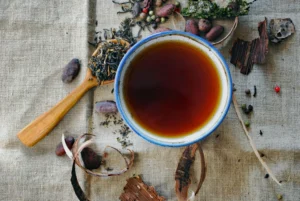
True tea, the kind that has shaped tea culture and crossed oceans, comes from one species: Camellia sinensis. This tea plant is cultivated worldwide, from the tea plantations of China and India to East Africa, Taiwan, and Japan. Various types of tea, green tea, black tea, white tea, oolong tea, pu erh, and yellow tea, all begin as buds and young leaves harvested from this same plant.
Everything else we call tea, like chamomile or peppermint, is technically an infusion, made from other plants such as the tea tree, and not from camellia sinensis.
That quiet fact reframes everything. The astonishing variety of the world’s most popular teas doesn’t come from many plants. It comes from one, treated differently through processes like oxidation, fermentation, and roasting.
One Plant, Many Lives: The Oxidation Process and Making Tea with Camellia Sinensis Varieties

Here is the part that still amazes me.
Take the fresh leaves and buds from camellia sinensis var. sinensis or camellia sinensis var. assamica, and what you end up with depends almost entirely on what happens after they’re picked and how they are treated during the oxidation process.
The difference between a delicate white tea and a full-bodied, roasted pu erh isn’t the plant. It’s the craft of making tea.
The Gentle End: White Tea and Green Tea
White tea is the lightest of the different teas, made from the youngest buds and whole leaves, barely treated and only lightly oxidized. Its aroma is sweet and floral, like the first pale hour of spring bloom.
Green tea is next. Its fresh leaves are heated early by steaming or pan-firing to halt oxidation, preserving the leaf’s natural green color and fresh flavor. This process keeps green tea light and sweet, with more caffeine and more flavour than many expect.
The Middle Ground: Oolong Tea and Yellow Tea
Oolong tea is partially oxidized, ranging from 20% to 80%, creating a spectrum of floral, roasted, or sweet flavors. It’s a tea that rewards patient craftsmanship, with leaves often rolled or bruised to encourage a controlled oxidation process.
Yellow tea, rarer and cultivated mostly in China, is prepared with a unique resting process that allows oxidation without oxygen, giving it a mellow, sweet infusion.
The Deeper End: Black Tea and Pu Erh
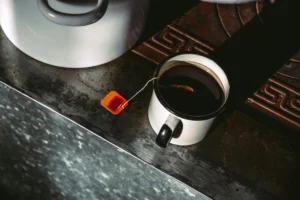
Black tea is fully oxidized, producing a rich, malty drink with a full-bodied aroma. It’s the tea many recognize as the classic brew, often prepared with whole leaves or, in modern tea culture, conveniently in tea bags.
Pu erh tea stands apart, undergoing fermentation and aging over years. This tea’s flavor deepens with time, much like fine wine, offering a unique taste that reflects its growing conditions and meticulous preparation.
A Legacy Carried Across Centuries: The Story of Camellia Sinensis Varieties and Robert Fortune

Tea history begins, by most accounts, in ancient China, where the tea plant was first cultivated and revered. Chinese tea culture blossomed around this evergreen shrub, whose small white flowers bloom with delicate petals.
The species Camellia sinensis has two main varieties: camellia sinensis var. sinensis, native to China and Japan, and camellia sinensis var. assamica, found in India and East Africa. These varieties thrive under different growing conditions, influencing the flavor and caffeine content of the tea leaves harvested.
In 1848, Robert Fortune, a Scottish botanist and plant hunter, famously smuggled tea plants and skilled workers from China to India to establish tea plantations in British colonies. This act helped spread tea cultivation worldwide, shaping the modern tea culture we know today.
Why the Land and the Hands Matter in Brewing Tea Leaves
If one plant makes all these different teas, why do two green teas taste so different? The answer lies in terroir, the unique growing conditions such as altitude, soil, and climate, and in the craftsmanship behind harvesting and processing.
Tea plants are often pruned to waist height to make harvesting easier, allowing pickers to gather fresh leaves without excessive bending or sitting. The timing of the pluck, whether only the buds and two young leaves or older leaves are taken, impacts the flavor and caffeine content.
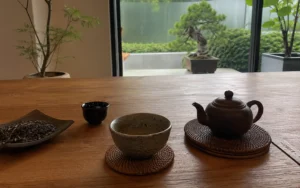
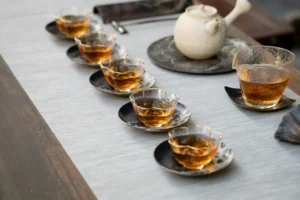
Brewing tea is an art in itself. Whether using whole leaves or tea bags, the water temperature, steeping time, and even the vessel affect the infusion’s aroma and taste. For example, green and white teas prefer water at 80°C to 85°C and steeping for 2 to 3 minutes, while black tea and pu erh require hotter water and longer steeping.
The Meaning We Pour Into a Cup: Camellia Tea in Modern Tea Culture

Tea has never really been only about quenching thirst.
In many cultures, tea is a popular drink symbolizing hospitality, respect, and mindfulness. It’s the cup poured for guests, the ritual to start the day, and the quiet moment shared between friends.
Modern tea culture embraces this legacy while innovating with new blends and brewing methods. From the traditional Chinese tea ceremonies to contemporary tea bars, camellia tea remains a bridge between past and present.
My grandmother never spoke about any of this. She just made the tea, every morning, in her biscuit tin and her mismatched cups. But I understand now that she was passing something down—not just a drink, but a way of beginning the day with care.
Why Camellia Tea Still Matters in a World of Fast Drinks

We live surrounded by beverages engineered for speed and novelty. Against all that noise, camellia tea remains quietly enduring.
In a single cup, there is botany and history, geography and craft, culture and memory. The tea leaf connects the person drinking it to countless others across centuries and continents.
To drink tea with awareness is to hold all of that for a moment. To taste not just flavor, but a legacy. The flower on the tea plant, the leaf carefully harvested and treated, the long human story that brought it to your cup. None of it demands ceremony. You don’t need the right pot or the perfect leaf to begin. You only need to slow down enough to notice what you’re holding.
So the next time you reach for a cup, whether it’s a fragrant green tea, a mellow oolong, or a strong black tea to start the morning, let yourself pause.
Consider where those tea leaves came from, the growing conditions, and the hands that shaped them. Seek out the finest teas made with care, from people who honor the craft. Let the drink be more than a habit.

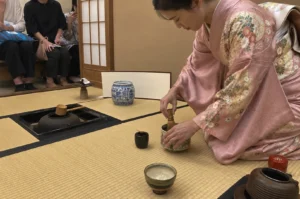
Tea Ceremony: The Hidden Meaning Behind Small Gestures
My first tea ceremony singapore experience left me more worried about etiquette than soaking in the moment. Surrounded by seasoned guests, I focused on getting every gesture right, how to bow, how to hold the cup, afraid of missing some point that makes tea culture here so unique. Looking back, I missed how these small…
-
Why Tea Always Feels More Honest Than Coffee
This might be slightly controversial, but tea has always felt more honest to me than coffee. Coffee often arrives with ambition. Productivity. Hustle culture. The promise that after one cup, you will suddenly become more awake, more focused, more efficient. Tea asks for much less. It doesn’t demand transformation. It simply sits beside you quietly….

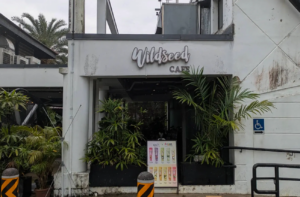
Wildseed Cafe Singapore: A Garden Escape for Tea Lovers
Sometimes, you just need to get out of the concrete city jungle and bask in nature. Last weekend, I was craving a quiet afternoon away from the chaotic mall crowds, so I made a reservation at Wildseed Cafe Singapore. Tucked away in the precincts of Seletar Aerospace Park within The Summerhouse, this multi concept restaurant…

Not Every Expensive Tea Is Actually Better
Tea drinkers rarely say this out loud. But many have probably thought it at least once. Sometimes an expensive tea tastes… fine. Not extraordinary. Not life-changing. Just fine. And yet modern tea culture often treats expensive tea as though it automatically deserves deeper admiration. A rare mountain harvest. Ancient tea trees. A tea produced in…

The Quiet Difference Between Muslim-Owned Cafés and MUIS-Certified Halal High Tea Spots in Singapore
I remember wandering down Arab Street years ago, searching for a quiet café where I could settle into an afternoon of coffee, tea, and conversation. I found a minimalist little space filled with delicate pastries and beautiful dessert displays, but hesitation quietly crept in as I began wondering about alcohol-based syrups, gelatin, and whether the…
-
Why Tea Shops Always Feel Slightly Different From Cafés
I’ve noticed something interesting over the years. People behave differently in tea shops. Not dramatically different, of course. No one suddenly becomes wiser the moment tea is poured. But the atmosphere tends to shift in subtle ways. Conversations slow down. Phones appear less often. Even silence feels more comfortable somehow. Tea shops carry a different…
-
High Tea Halal Singapore: Elegant and Inclusive Dining Experiences
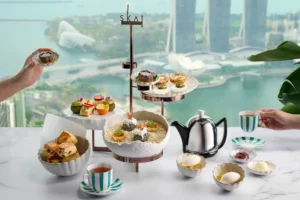
A tiered stand arrives. A pot of tea follows, still too hot to pour. For many of my Muslim friends, there’s usually a quiet moment before anyone reaches for a scone. Someone asks whether the kitchen is halal certified. Only then does the high tea afternoon properly begin. This list tries to take care of…

Why Oolong Tea Always Feels Slightly Mysterious
Oolong tea never feels entirely straightforward. Green tea usually introduces itself immediately. Black tea does the same. You understand them quickly. One feels fresh and bright. The other feels deep and familiar. But oolong tends to sit somewhere in between. Not fully green. Not fully black. Not always easy to describe. Perhaps that is part…
-
Benefits of Black Tea: Why This Everyday Drink Still Matters
For many people, black tea is simply part of a routine. It is the first thing brewed in the morning, poured during afternoon tea, or enjoyed quietly at the end of a long day. Familiarity often makes it easy to overlook, but the benefits of black tea extend far beyond comfort or habit. In the…
-
Why Tea Somehow Tastes Better on Rainy Days
I don’t know when I first started believing this, but tea genuinely feels different when it rains. Not scientifically different, of course. The leaves do not magically change because of the weather. And yet somehow, a cup of tea on a rainy afternoon feels softer, warmer, maybe even a little more comforting than usual. Just…