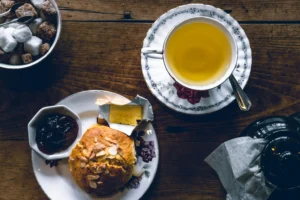
My grandmother kept her camellia tea in a battered tin that had once held biscuits.
She never called it anything fancy. It was just cha, brewed strong in the mornings using fresh tea leaves from the tea plant, poured into small cups that had lost their matching saucers years ago. I didn't know then that those leaves came from a single, remarkable species: Camellia sinensis. I only knew that the smell of them meant the day had properly begun.
It took me years to understand what I'd been drinking. That the green tea in a Kyoto cup, the black tea steeped in a London kitchen, and my grandmother's morning brew all traced back to the same plant. One plant. One quiet, generous leaf.
This is the story of that evergreen shrub, the camellia sinensis, and the legacy it carries in modern tea culture.
What We Really Mean by Camellia Sinensis and Different Types of Tea Leaves

When people say camellia tea, they’re pointing at something more specific than they might realize.
True tea, the kind that has shaped tea culture and crossed oceans, comes from one species: Camellia sinensis. This tea plant is cultivated worldwide, from the tea plantations of China and India to East Africa, Taiwan, and Japan. Various types of tea, green tea, black tea, white tea, oolong tea, pu erh, and yellow tea, all begin as buds and young leaves harvested from this same plant.
Everything else we call tea, like chamomile or peppermint, is technically an infusion, made from other plants such as the tea tree, and not from camellia sinensis.
That quiet fact reframes everything. The astonishing variety of the world’s most popular teas doesn’t come from many plants. It comes from one, treated differently through processes like oxidation, fermentation, and roasting.
One Plant, Many Lives: The Oxidation Process and Making Tea with Camellia Sinensis Varieties

Here is the part that still amazes me.
Take the fresh leaves and buds from camellia sinensis var. sinensis or camellia sinensis var. assamica, and what you end up with depends almost entirely on what happens after they’re picked and how they are treated during the oxidation process.
The difference between a delicate white tea and a full-bodied, roasted pu erh isn’t the plant. It’s the craft of making tea.
The Gentle End: White Tea and Green Tea
White tea is the lightest of the different teas, made from the youngest buds and whole leaves, barely treated and only lightly oxidized. Its aroma is sweet and floral, like the first pale hour of spring bloom.
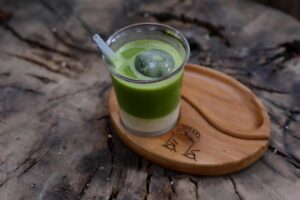
Green tea is next. Its fresh leaves are heated early by steaming or pan-firing to halt oxidation, preserving the leaf’s natural green color and fresh flavor. This process keeps green tea light and sweet, with more caffeine and more flavour than many expect.
The Middle Ground: Oolong Tea and Yellow Tea
Oolong tea is partially oxidized, ranging from 20% to 80%, creating a spectrum of floral, roasted, or sweet flavors. It’s a tea that rewards patient craftsmanship, with leaves often rolled or bruised to encourage a controlled oxidation process.
Yellow tea, rarer and cultivated mostly in China, is prepared with a unique resting process that allows oxidation without oxygen, giving it a mellow, sweet infusion.
The Deeper End: Black Tea and Pu Erh
Black tea is fully oxidized, producing a rich, malty drink with a full-bodied aroma. It’s the tea many recognize as the classic brew, often prepared with whole leaves or, in modern tea culture, conveniently in tea bags.
Pu erh tea stands apart, undergoing fermentation and aging over years. This tea’s flavor deepens with time, much like fine wine, offering a unique taste that reflects its growing conditions and meticulous preparation.
A Legacy Carried Across Centuries: The Story of Camellia Sinensis Varieties and Robert Fortune

Tea history begins, by most accounts, in ancient China, where the tea plant was first cultivated and revered. Chinese tea culture blossomed around this evergreen shrub, whose small white flowers bloom with delicate petals.
The species Camellia sinensis has two main varieties: camellia sinensis var. sinensis, native to China and Japan, and camellia sinensis var. assamica, found in India and East Africa. These varieties thrive under different growing conditions, influencing the flavor and caffeine content of the tea leaves harvested.
In 1848, Robert Fortune, a Scottish botanist and plant hunter, famously smuggled tea plants and skilled workers from China to India to establish tea plantations in British colonies. This act helped spread tea cultivation worldwide, shaping the modern tea culture we know today.
Why the Land and the Hands Matter in Brewing Tea Leaves
If one plant makes all these different teas, why do two green teas taste so different? The answer lies in terroir, the unique growing conditions such as altitude, soil, and climate, and in the craftsmanship behind harvesting and processing.
Tea plants are often pruned to waist height to make harvesting easier, allowing pickers to gather fresh leaves without excessive bending or sitting. The timing of the pluck, whether only the buds and two young leaves or older leaves are taken, impacts the flavor and caffeine content.
Brewing tea is an art in itself. Whether using whole leaves or tea bags, the water temperature, steeping time, and even the vessel affect the infusion’s aroma and taste. For example, green and white teas prefer water at 80°C to 85°C and steeping for 2 to 3 minutes, while black tea and pu erh require hotter water and longer steeping.
The Meaning We Pour Into a Cup: Camellia Tea in Modern Tea Culture

Tea has never really been only about quenching thirst.
In many cultures, tea is a popular drink symbolizing hospitality, respect, and mindfulness. It’s the cup poured for guests, the ritual to start the day, and the quiet moment shared between friends.
Modern tea culture embraces this legacy while innovating with new blends and brewing methods. From the traditional Chinese tea ceremonies to contemporary tea bars, camellia tea remains a bridge between past and present.
My grandmother never spoke about any of this. She just made the tea, every morning, in her biscuit tin and her mismatched cups. But I understand now that she was passing something down—not just a drink, but a way of beginning the day with care.
Why Camellia Tea Still Matters in a World of Fast Drinks

We live surrounded by beverages engineered for speed and novelty. Against all that noise, camellia tea remains quietly enduring.
In a single cup, there is botany and history, geography and craft, culture and memory. The tea leaf connects the person drinking it to countless others across centuries and continents.
To drink tea with awareness is to hold all of that for a moment. To taste not just flavor, but a legacy. The flower on the tea plant, the leaf carefully harvested and treated, the long human story that brought it to your cup. None of it demands ceremony. You don’t need the right pot or the perfect leaf to begin. You only need to slow down enough to notice what you’re holding.
So the next time you reach for a cup, whether it’s a fragrant green tea, a mellow oolong, or a strong black tea to start the morning, let yourself pause.
Consider where those tea leaves came from, the growing conditions, and the hands that shaped them. Seek out the finest teas made with care, from people who honor the craft. Let the drink be more than a habit.

Is a Yixing Teapot Worth It? A Singapore Tea Guide
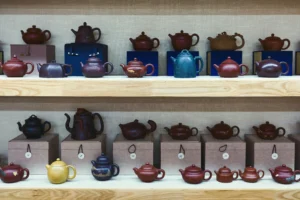
In many Singapore teaware shops, a Yixing teapot immediately draws attention. This iconic piece of Yixing pottery is crafted from unique purple clay found only in the Yixing region of China, west of Taihu Lake in Jiangsu Province. Yixing has a rich heritage in Chinese art and pottery, with production dating back to the Neolithic…

Tea Gift Sets: Curating Meaningful Moments, One Steep at a Time
Tea has long been associated with care, connection, and quiet intention. Across cultures, it is shared during moments of reflection, conversation, and celebration. Offering tea gift sets carries this meaning forward, creating a gesture that feels both personal and considered. Unlike many conventional gifts, tea sets invite time. They are not rushed or consumed all…
-
The Last Sip of Tea and What It Teaches
There is a moment in every cup that arrives quietly. The last sip. It comes softer than the first. The tea has given almost everything it holds. The warmth lingers, the flavour has softened, and only a gentle echo of the leaves remains. We lift the cup, tilt it slowly, and suddenly the moment feels…
-
Teaware Shop 101: A Beginner’s Guide to Tea Ware, Sets, and What You Actually Need
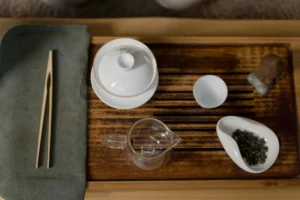
Stepping into a traditional teaware shop in Singapore’s Chinatown can be overwhelming. Shelves brim with porcelain teacups, raw clay teapots, and bamboo trays, all inviting yet unfamiliar. Many people feel unsure about what matches their tea or worry about buying unnecessary items. Whether you’re looking to drink tea in style, find the perfect tea…

Tea Leaves Singapore: How to Choose and Enjoy Every Cup
Tea begins long before it reaches your cup. It starts in quiet mountain regions where climate, soil, and tradition shape every leaf. From China to Japan and Taiwan, each origin brings its own character, creating a diverse and evolving world of tea. In Singapore, tea has become both a daily ritual and a refined indulgence….
-
The Matcha Craze and Why It’s Okay to Be Skeptical
Matcha is everywhere. In smoothies, lattes, ice cream, even in brownies. It’s the trendiest ingredient right now, and it’s easy to get swept up in the hype. But is it really as magical as they say? When matcha first became popular, it was celebrated for its health benefits: antioxidants, boosting metabolism, improving focus. Suddenly, everyone…
-
A Quiet Guide To The Best Tea Houses In Singapore For Chinese Tea Appreciation
There is a difference between drinking tea and making time for it. Only the best tea houses in Singapore understand this deeply. They don’t treat traditional Chinese tea as decoration or a quick gesture. Instead, they create ideal conditions: a warmed pot, a quiet table often on a serene floor, premium tea leaves, and enough…
-
Where Tea Complements Coffee: Discover the Best Pairings at Apartment Coffee Singapore
Introduction When you think of Apartment Coffee Singapore, the first thing that probably comes to mind is their expertly brewed coffee. The café, located along Selegie Road, is well-known for its exceptional coffee experiences, from beautifully crafted lattes to the bold espresso. But what sets this coffee shop apart is something you might not expect-its…
-
Izakaya Nijumaru: Discover the Best Tea Pairings at This Japanese Restaurant
Introduction Tucked away in Cuppage Plaza, Izakaya Nijumaru stands as a testament to the charm of traditional Japanese dining with a relaxed, welcoming atmosphere. Known for its hearty, bold flavours and laid-back vibe, this Japanese restaurant isn’t just a place to enjoy good food-it’s where the experience of eating becomes about more than just what’s…
-
KOMA Singapore: A Dramatic Japanese Restaurant with a Quiet Tea Finish
Introduction Most people arrive at KOMA Singapore, a stunning venue by Tao Group Hospitality located in Marina Bay Sands, expecting a spectacle. And to be fair, that is exactly what they get. From the moment guests enter, the experience begins with glowing vermillion arches inspired by Kyoto’s Fushimi Inari Shrine, leading into a dining space…