I have a confession.
I don’t think every tea lover needs to love every tea.
That sounds obvious when written down, but spend enough time around tea enthusiasts and you may start to think otherwise.
Someone discovers that you enjoy tea.
The questions begin.
Do you drink green tea?
What about pu-erh?
Have you tried aged white tea?
Sometimes it feels as though tea appreciation comes with an invisible checklist. The more teas you enjoy, the more qualified you become to call yourself a tea lover.
But I’ve never been convinced that’s how it works.
After all, we don’t apply this logic to most other things. Nobody expects a music lover to enjoy every genre of music. Nobody questions whether someone loves books because they dislike a particular author.
Yet tea seems different.
For some reason, people feel strangely guilty admitting they dislike certain teas.
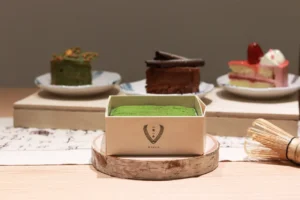
Matcha might be the best example.
Its popularity has exploded in recent years. Walk into almost any café and you’ll find matcha somewhere on the menu. Social media treats it as the unofficial symbol of modern tea culture.
And yet plenty of tea drinkers simply don’t enjoy it.
The earthy flavour can be intense. The texture can feel unusual. Some people never develop a taste for it no matter how many times they try.
And that’s perfectly reasonable.
The same is true for pu-erh. Or heavily roasted oolongs. Or delicate white teas.
Liking tea and liking every tea are not the same thing.
In fact, personal preference is probably what makes tea culture interesting in the first place.
Ask ten tea drinkers about their favourite tea and you’ll likely receive ten different answers. Those differences are not evidence that someone understands tea less than another person.
They are evidence that taste is personal.
Perhaps tea culture would feel more welcoming if we talked about preferences more openly.
Not every tea needs to become your favourite.
Not every famous tea needs to impress you.
And not every tea trend needs to win you over.
Sometimes being a tea lover simply means continuing to search for the teas that feel right to you.
Even if everyone else seems to prefer something different.
— Maria Tan
On tea, culture, and everyday rituals.

Brew, Sip, Heal: The Powerful Chamomile Tea Benefits Explained
Singapore is a city that rarely stops moving. Between the hum of the MRT, the endless glow of screens, and the heavy humidity that clings to the air, finding a moment to genuinely wind down can feel like a luxury. For the longest time, my evening routine consisted of scrolling through my phone while finishing…

Why Tea Feels Different at Night
Tea changes after dark. The same leaves, brewed in the same pot, somehow feel quieter in the evening. The aroma lingers longer. The warmth of the cup feels more noticeable in the hands. Even conversation seems to soften slightly around tea at night. Perhaps it is because the world itself becomes quieter. During the day,…

Tea Health Benefits: Best Teas for Relaxation, Focus, and Sleep
Tea is one of the world’s most beloved drinks, enjoyed every day across countless cultures. When we talk about tea health benefits, it’s helpful to know the difference between true tea and herbal infusions. True tea comes from the Camellia sinensis plant, giving us popular varieties like green, black, white, and oolong tea. On the…

The Secret Joy of a Simple Cup of Tea
There’s something so deeply satisfying about a cup of tea-especially when it’s the simplest cup. No complicated brewing methods. No fancy leaves. Just tea, water, and a moment of quiet. I’ve had tea in many places, from grand tea houses to humble kitchen counters. But the most memorable tea moments often happen in the least…
-
A Quiet Tea Café in Somerset: Inside the Experience at Hvala
Amid Singapore’s bustling shopping hubs like Orchard, Club Street, and Tanjong Pagar, finding a peaceful spot to unwind can be a challenge. Hvala, a minimalist tea cafe Singapore locals and visitors adore, offers a serene teahouse experience brimming with natural light and calm vibes. Located on the ground floor of 111 Somerset, this bright, inviting…
-
The Tea We Return To Again and Again
Most tea drinkers have one. A tea they continue returning to, even after trying countless others. It is rarely the rarest tea they own. Often, it is not even the most impressive. It may lack the complexity of aged teas or the elegance of carefully crafted harvests. And yet, somehow, it becomes the tea they…
-
Pek Sin Choon vs Modern Teaware Shops: Two Tea Traditions in Singapore
Walking through Chinatown’s Mosque Street, you encounter two distinct tea traditions that embody Singapore’s rich heritage and evolving culture. Pek Sin Choon, one of the oldest tea merchants in Singapore, stands as a living root of Chinese tea culture, while modern teaware shops offer a fresh perspective on tea appreciation through design and brewing systems….
-
Why I Stopped Saving My “Good Tea” for Special Occasions
For the longest time, I treated my favorite teas like they needed a reason. I would buy something beautiful, maybe a delicate oolong or a tea that smelled faintly floral the moment I opened the tin, then immediately start rationing it in my head. I’ll save this for guests. For weekends. For days that feel…
-
Teapot Set: How It Shapes the Tea Experience
On certain afternoons in Singapore, when rain softens the edges of the day, I find myself lingering before the water reaches its boil. The teapot rests nearby, waiting. There is always a moment like this before tea (quiet, unhurried) when the world seems willing to pause with you. A teapot set belongs to these moments….
-
The Quiet Difference Between Drinking Tea Alone and With Someone
There are days when I reach for tea just to sit with myself for a while. No distractions, no need to fill the silence. Just the slow rhythm of pouring, waiting, sipping. When I’m alone, tea feels almost like a pause button. The kind that lets the day settle a little before continuing. But tea…