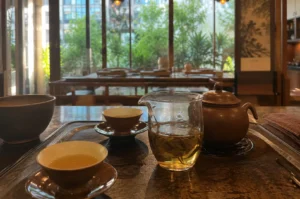
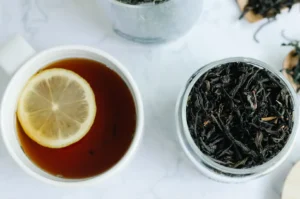
For over 4,000 years, drinking green tea has been more than just a beverage choice—it's been a pathway to wellness, mindfulness, and cultural connection. A cup of green tea offers a range of possible health benefits, supported by a growing body of scientific research exploring green tea benefits. Today, drinking green tea has become one of the most popular drinks worldwide, celebrated not only for its refreshing taste but also for its impressive health benefit claims.
Whether you're curious about how much green tea to drink for brain health, looking to improve your cardiovascular wellness, or simply want to enjoy a calming ritual in your busy day, understanding the art and science behind green tea can truly enhance your experience. Drinking green tea is both a cultural tradition and a healthful ritual embraced across East Asia and beyond.
In this complete guide, we'll dive into everything from the many possible health benefits and complementary and integrative health insights to the best brewing techniques and fascinating cultural traditions that have shaped green tea consumption for centuries. Whether you’re a seasoned tea lover or a non tea drinkers curious to add green tea to your routine, this guide has you covered.
What Makes Green Tea Special: Understanding the Fundamentals
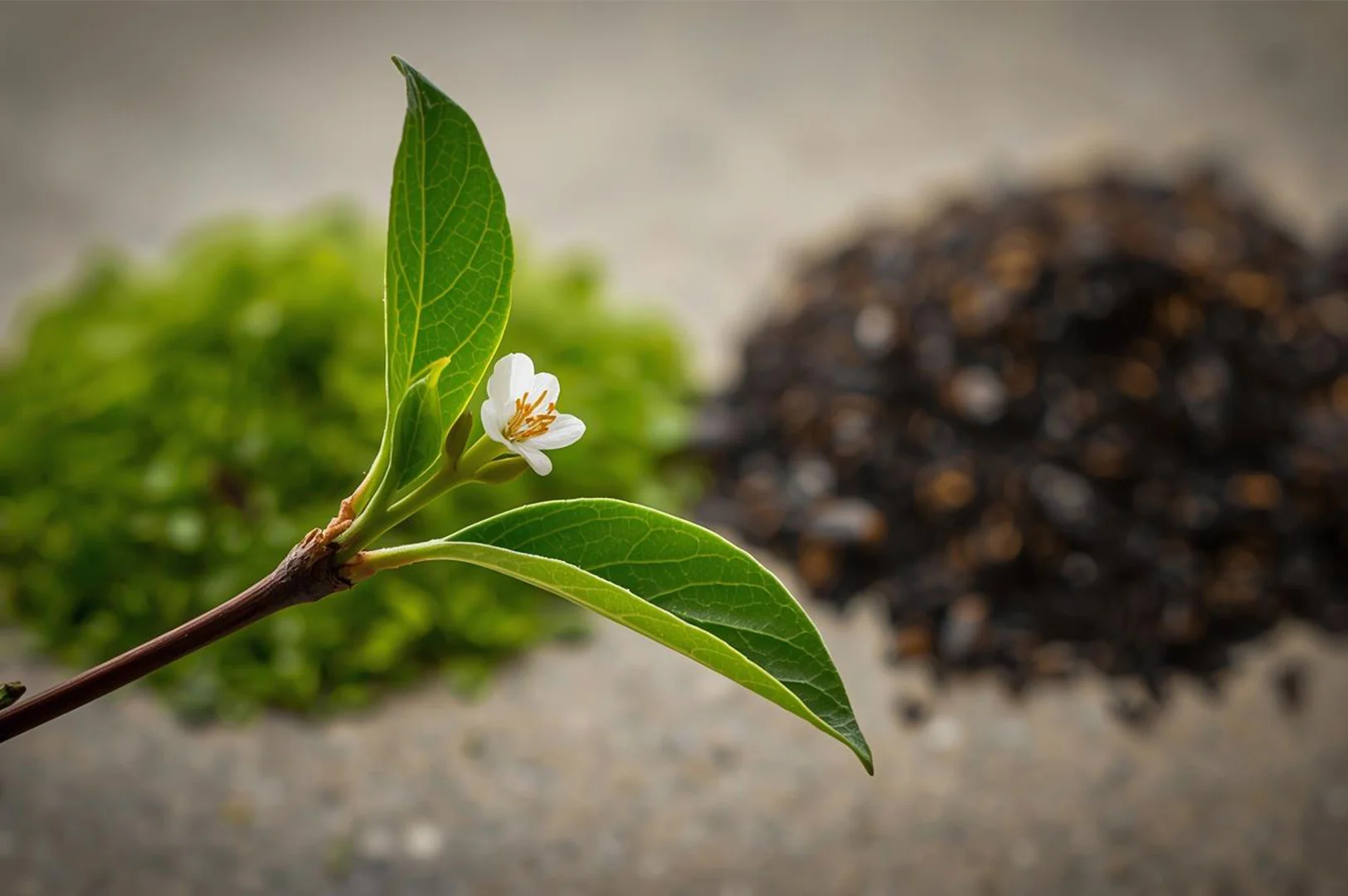
Green tea originates from the leaves of the Camellia sinensis plant, the same plant that produces black tea and oolong teas. However, what makes drinking green tea so special is its minimal oxidation process. Unlike black tea, which undergoes complete oxidation, green tea leaves are quickly heated after harvesting to prevent oxidation, preserving their vibrant green color and delicate flavor profile.
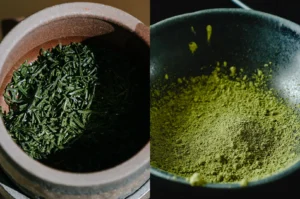
The major green tea producing regions include China, Japan, Korea, and Vietnam, each with unique processing methods that highlight different flavor characteristics. For example, Chinese green teas like Longjing and Gunpowder are typically pan-fired, while Japanese green teas such as Sencha and Matcha are steam-processed, resulting in distinct taste profiles and health benefits.
The health benefits of green tea come from its powerful plant compounds, including:
- EGCG (Epigallocatechin-3-gallate): The most potent catechin responsible for many of green tea’s benefits
- L-theanine: An amino acid that promotes relaxation and mental clarity
- Caffeine: Present in moderate amounts (about 25-50mg per cup), providing a gentle energy lift without the jitters common in other caffeinated drinks
These plant compounds work together to deliver the impressive health benefits of green tea, offering a balanced and sustainable energy boost throughout your day.
Extensive Health Benefits of Drinking Green Tea
Cardiovascular and Metabolic Health
Green tea catechins excel at cholesterol management, specifically lowering total cholesterol and LDL (bad) cholesterol levels. The polyphenols in green tea help prevent the oxidation of LDL cholesterol, a key factor in arterial plaque formation. These effects contribute to a lower risk of cardiovascular diseases and heart disease, as supported by research indicating that individuals drinking five cups of green tea daily show marked improvements in their lipid profiles.
For weight management, green tea affects metabolism through enhanced fat oxidation. The combination of caffeine and EGCG can increase metabolic rate by 4–5%, supporting healthy weight loss when combined with proper diet and exercise. Drinking three to five cups daily is often recommended to maximize these many health benefits. Green tea's ability to target abdominal fat specifically makes it particularly valuable for reducing cardiovascular disease risk factors.
It is important to note that factors affect the bioavailability of these compounds, including brewing methods and tea quality. Using powdered tea like matcha can provide higher concentrations of antioxidants and catechins compared to traditional brewed tea. The tea plants used and their processing also influence the final health impact.
Clinical nutrition studies from the National Institutes and the National Center for Public Health support the reduced risk of certain cancers and chronic diseases associated with regular green tea consumption. A 2023 study published in the European Journal of Life Sciences highlighted green tea's anti-inflammatory effects as a key mechanism behind its health-promoting properties.
Cognitive and Neurological Benefits
Long-term studies reveal that regularly drinking green tea may reduce Alzheimer’s disease risk by up to 64%. Research suggests that green tea consumption may help prevent or slow the progression of neurodegenerative conditions such as Alzheimer’s disease, highlighting its potential role in supporting cognitive health. The neuroprotective properties of green tea’s antioxidants help combat oxidative stress in brain tissue, potentially slowing age-related cognitive decline.
The unique amino acid L-theanine promotes alpha brain wave activity, associated with relaxed alertness and stress reduction. This makes green tea an excellent choice for maintaining mental clarity during demanding tasks while managing anxiety levels naturally.
Cancer Prevention and Immune Support
Green tea’s antioxidants, primarily from EGCG and other catechins, provide powerful cellular protection against oxidative stress. These compounds scavenge harmful free radicals that can damage DNA and contribute to cancer development.
However, it’s important to note that while laboratory and animal studies show promising results, human studies on cancer prevention remain mixed, and green tea should be viewed as part of an overall healthy lifestyle rather than a standalone prevention strategy. Findings from randomized controlled trials have also investigated green tea's effects on cancer prevention and immune support, providing additional evidence for its potential health benefits.
Additional Health Benefits
Green tea contains compounds that support skin health by protecting against UV damage and promoting collagen production. The polyphenols help maintain skin elasticity and may slow signs of aging.
Green tea also supports bone health by promoting bone formation and reducing bone loss, particularly important for preventing osteoporosis in aging populations. Additionally, regular consumption helps regulate blood sugar levels, potentially reducing type 2 diabetes risk. Green tea supplementation has shown promise in supporting bone and metabolic health, but users should weigh potential benefits against possible risks.
Master the Art of Brewing: Techniques for Different Green Tea Varieties
Chinese Green Tea Brewing Methods
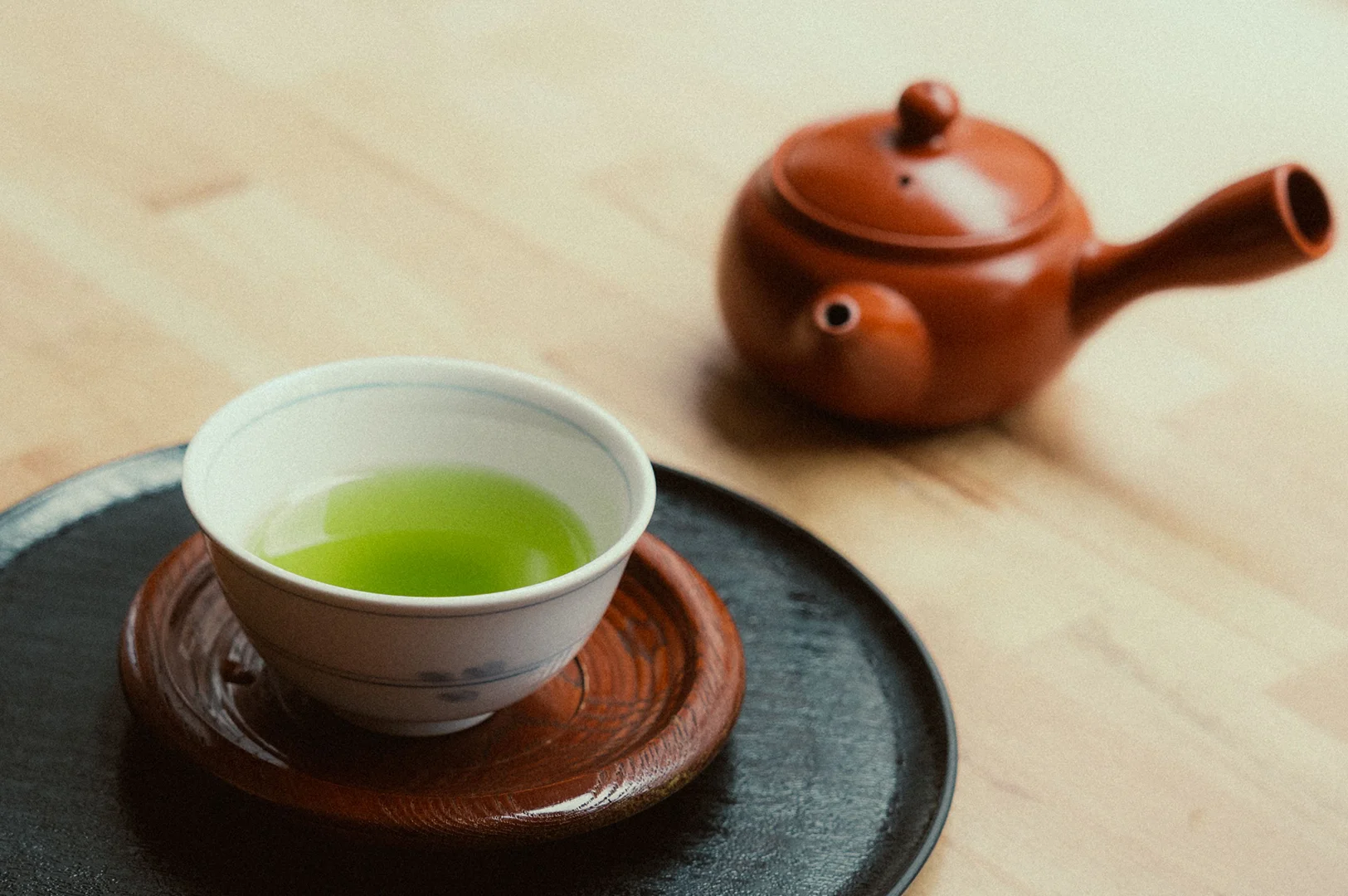
Chinese green tea varieties require specific brewing techniques to unlock their full potential. Longjing (Dragon Well), one of China’s most famous green teas, should be brewed with water heated to 175°F for 2–3 minutes. The leaves can be infused multiple times, with each steeping revealing different flavor notes.
Gunpowder green tea, with its tightly rolled leaves, benefits from slightly hotter water at 185°F and an initial steeping time of 3–4 minutes. The pellet-like leaves unfurl gradually, releasing complex flavors throughout multiple infusions.
Bi Luo Chun, known for its delicate flavor, requires gentle treatment with water temperatures between 160–170°F and brief 30–60 second steeps to preserve its subtle sweetness and floral notes.
Traditional gongfu brewing techniques involve using small teapots or gaiwans with higher tea-to-water ratios and multiple short infusions. This method allows you to experience the full evolution of flavors as the tea leaves slowly open.
Japanese Green Tea Brewing Techniques
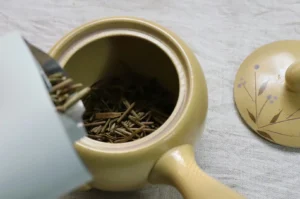
Japanese green teas demand precise temperature control for optimal results. Sencha, the most common Japanese green tea variety, should be brewed with water between 160–170°F for 1–2 minutes using 2–3 grams of loose leaf tea per cup.
Matcha green tea preparation is an art form requiring specific techniques. Sift 1–2 grams of fine powder into a bowl, add water heated to 160–175°F, and whisk vigorously in a “W” pattern until frothy. The resulting beverage should have a smooth, creamy consistency.
Gyokuro, considered the premium grade of Japanese green tea, demands the most careful attention. Use water heated only to 140–160°F and steep for 90–120 seconds to preserve this shade-grown tea’s exceptional umami character.
Genmaicha, a blend of green tea and roasted rice, is more forgiving and can be brewed with water at 175–185°F for 3–5 minutes, creating a nutty, satisfying cup perfect for evening consumption.
Optimal Consumption Timing and Frequency for Maximum Benefits

Daily Consumption Guidelines
For maximum health benefits, experts recommend consuming 3–5 cups of green tea daily, providing approximately 200–400mg of catechins. This amount has been associated with the most significant health benefits in epidemiological studies while remaining safe for most adults.
The maximum safe consumption for healthy adults is generally considered up to 8 cups daily, though individual tolerance varies based on caffeine sensitivity and overall health status. Moderate green tea consumption is key to avoiding potential side effects while maximizing benefits.
Spacing your tea intake throughout the day maintains steady blood levels of beneficial compounds. Rather than drinking multiple cups at once, distribute consumption across morning, afternoon, and early evening hours for sustained antioxidant protection.
Individual tolerance considerations are crucial, particularly for those sensitive to caffeine. Start with 1–2 cups daily and gradually increase based on your body’s response and comfort level.
Green Tea During Fasting and Empty Stomach Benefits
Green tea can support intermittent fasting goals through appetite suppression and metabolic enhancement. The combination of caffeine and catechins may help maintain energy levels during fasting periods.
Enhanced fat oxidation occurs when green tea is consumed on an empty stomach, as the body more readily accesses stored fat for energy in the absence of recently consumed calories.
Taking green tea during fasting periods may also support the body’s natural detoxification processes, though individuals with sensitive stomachs should exercise caution and consider consuming green tea with food to avoid irritation.
Common Mistakes to Avoid When Drinking Green Tea
One of the most frequent errors is using boiling water over 185°F, which creates bitter, astringent flavors and can destroy delicate beneficial compounds. The high temperature also releases excessive tannins, masking green tea’s natural sweetness and complexity.
Over-steeping green tea leaves leads to excessive tannin release, creating unpleasant bitterness that overwhelms the tea’s beneficial properties. Most green teas should be steeped for no more than 3–4 minutes on the first infusion.
Drinking green tea with iron-rich meals can significantly reduce iron absorption, particularly important for individuals prone to anemia or iron deficiency. Space green tea consumption at least one hour before or after iron-rich foods.
Improper storage exposes tea to light, air, and strong odors, degrading both flavor and beneficial compounds. Store green tea in airtight, light-proof containers away from heat and moisture.
Drinking green tea too close to bedtime can disrupt sleep patterns due to its caffeine content. Even moderate amounts can affect sleep quality in sensitive individuals, so timing is crucial for optimal rest.
Cultural Tea Drinking Traditions Across Asia
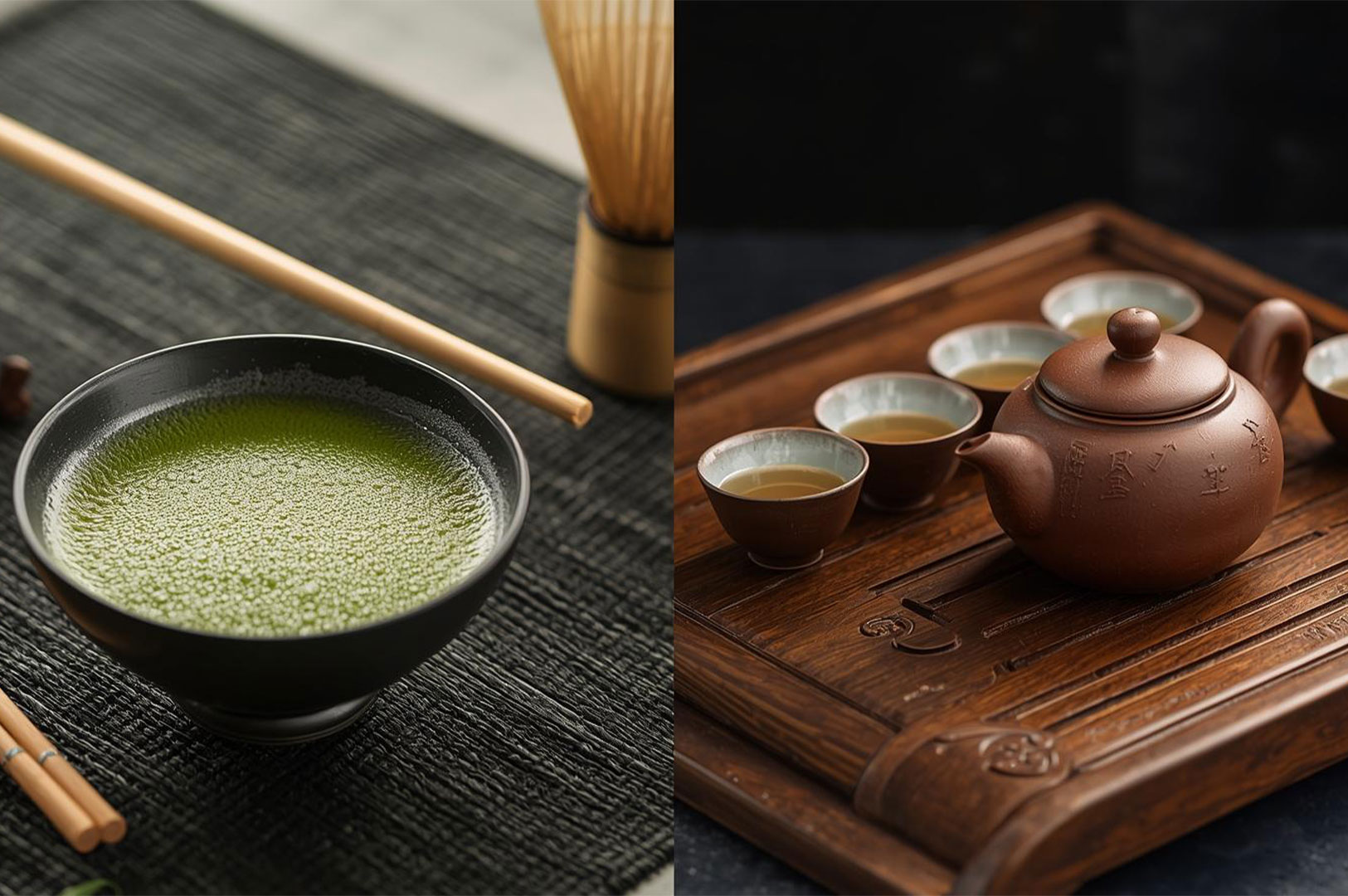
Chinese Tea Culture and Ceremonies
The gongfu cha traditional brewing method, dating to the Ming Dynasty (1368–1644), represents the pinnacle of Chinese tea appreciation. This ceremonial approach emphasizes multiple short infusions using small teapots and concentrated leaf ratios, allowing participants to experience the full evolution of flavors.
Tea ceremony significance extends beyond mere consumption, playing crucial roles in social gatherings and business meetings. In Chinese culture, offering tea demonstrates respect and hospitality, while the shared experience builds relationships and facilitates communication.
Regional variations reflect China’s diverse tea heritage. Fujian province specializes in oolong teas but also produces delicate green varieties, while Zhejiang province is famous for Longjing tea, and Anhui province contributes the renowned Huang Shan Mao Feng.
If you want a deep dive into traditional tea houses to explore, we got an article for you to read: The Best Tea Houses In Singapore For Chinese Tea
Japanese Tea Traditions
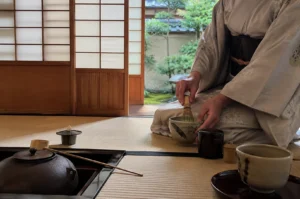
The chanoyu (Way of Tea) ceremony, refined by Sen no Rikyū in the 16th century, represents the spiritual dimension of tea consumption. This elaborate ritual emphasizes mindfulness, respect, and the appreciation of impermanence through the preparation and sharing of matcha.
Seasonal tea appreciation connects practitioners to nature’s rhythms, with specific teas and utensils chosen to reflect seasonal changes. This practice reinforces the Japanese concept of living in harmony with natural cycles.
Daily sencha consumption habits are deeply ingrained in Japanese households, with families often gathering for tea breaks that strengthen social bonds and provide moments of calm in busy lives.
School and workplace tea culture in modern Japan continues traditional values while accommodating contemporary schedules. Many offices maintain tea preparation areas where colleagues can share brief moments of connection over carefully prepared green tea.
How to Select Quality Green Tea: A Buyer’s Guide
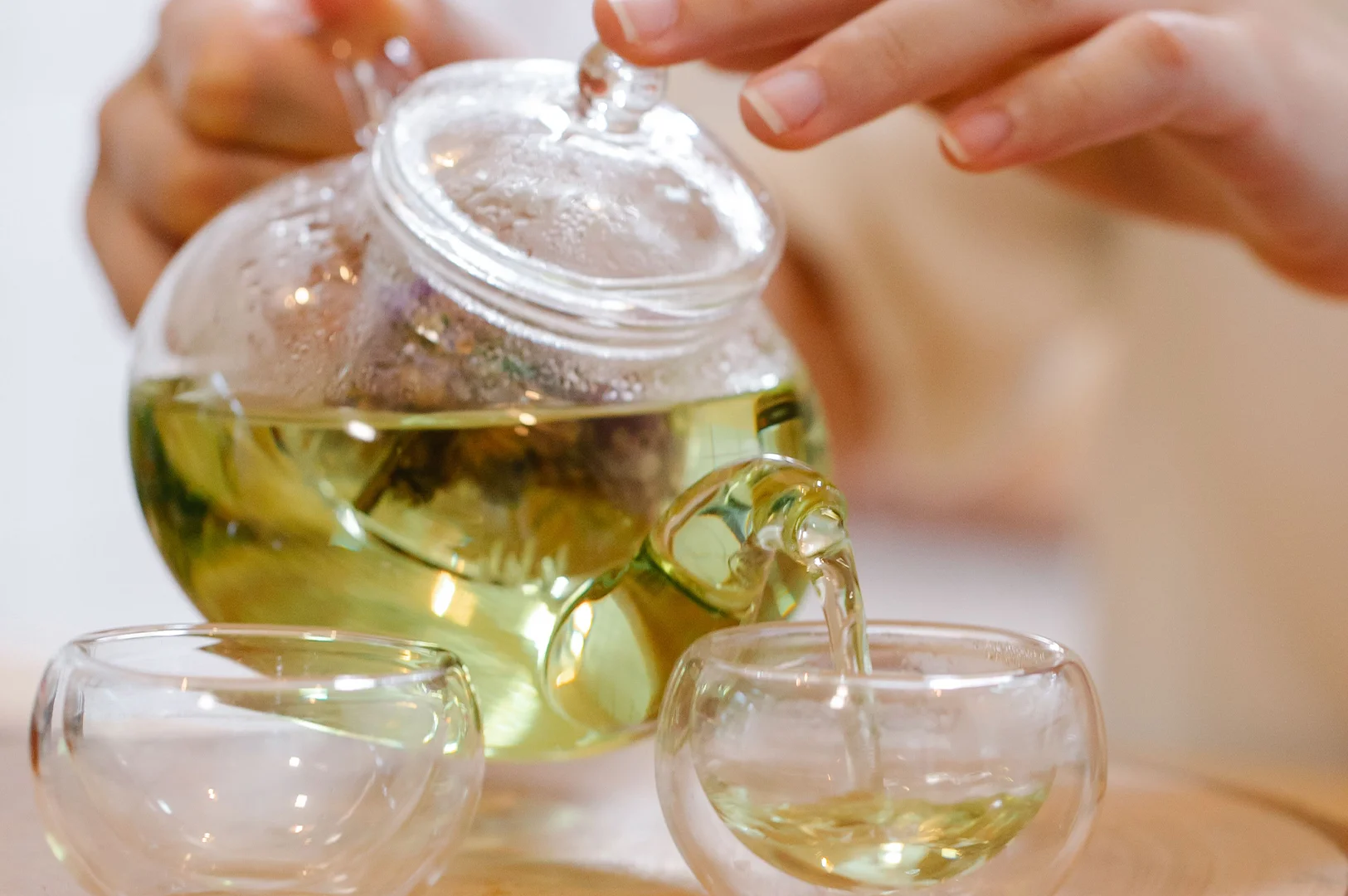
Identifying Premium Green Tea Characteristics
Visual inspection provides the first indication of quality. Premium green tea displays a vibrant green color, uniform leaf size, and minimal stems or broken pieces. The leaves should appear fresh and intact, not dusty or fragmented.
Aroma assessment reveals freshness and quality. High-grade green tea should have a fresh, grassy scent without musty or stale odors. The aroma should be clean and inviting, indicating proper processing and storage.
Harvest timing significantly impacts quality, with first flush spring teas (March–May) generally offering the highest quality. These early harvests capture the plant’s concentrated nutrients after winter dormancy, resulting in superior flavor and health benefits.
Processing method indicators help distinguish artisanal teas from mass-produced varieties. Hand-rolled teas often display irregular shapes but superior flavor, while machine-processed teas appear more uniform but may lack complexity.
Understanding Tea Grades and Classifications
Japanese grading systems classify teas from highest to lowest: Gyokuro (shade-grown premium), Sencha (standard grade), and Bancha (lower grade). Each grade reflects growing conditions, harvest timing, and processing methods.
Chinese classification uses numbered grades, with Special Grade and Grade 1 representing the highest quality, followed by Grades 2–4. These classifications consider leaf size, color uniformity, and absence of stems or foreign matter.
Organic certification ensures pesticide-free cultivation, increasingly important for health-conscious consumers. Certified organic green teas undergo rigorous testing to guarantee purity.
Single-origin versus blended tea involves trade-offs between consistency and character. Single-origin teas offer unique terroir expressions, while blends provide consistent flavor profiles across seasons.
Tea Manor Singapore: Your Gateway to Premium Green Tea Experience
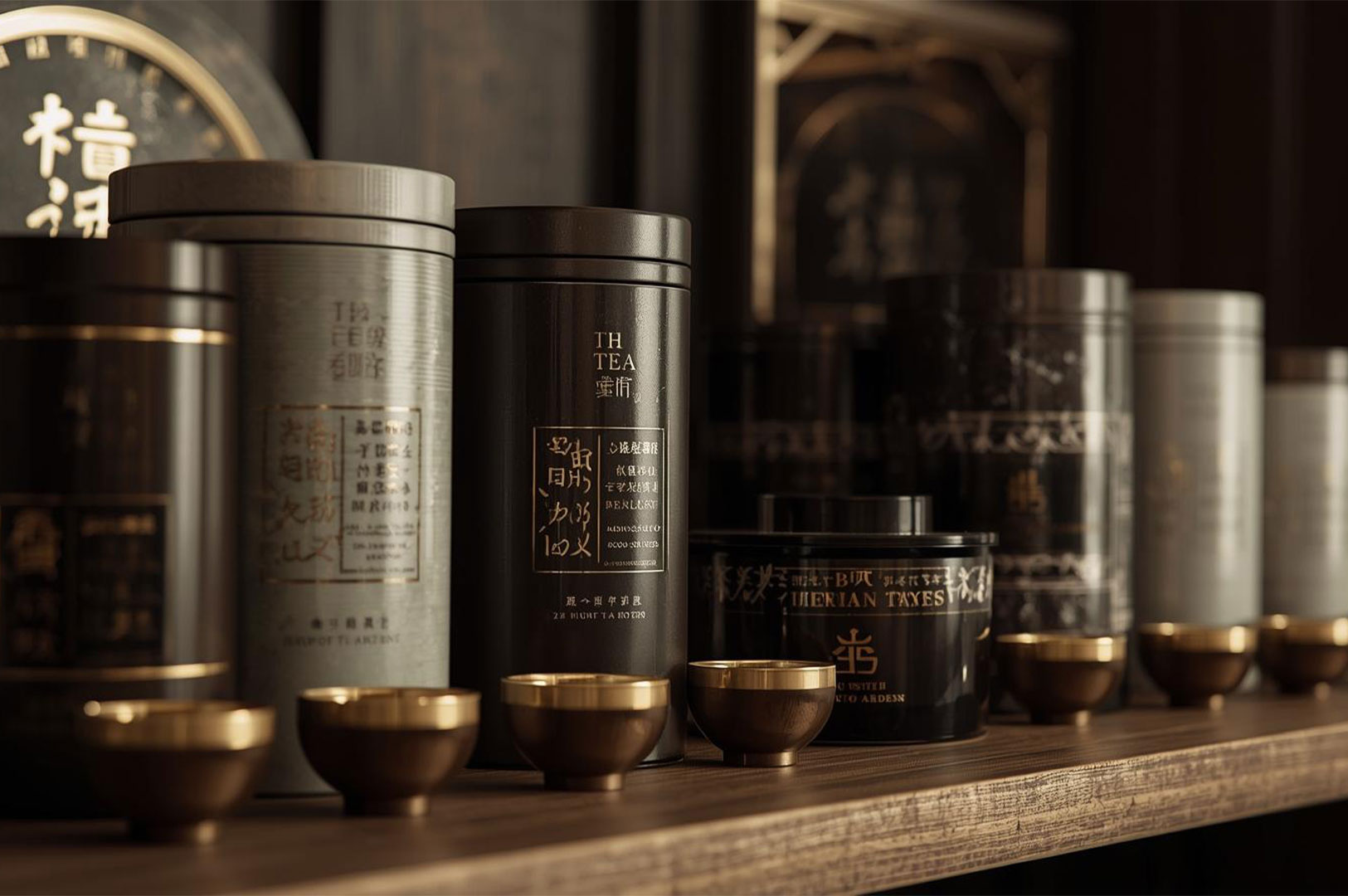
Curated Selection of World-Class Green Teas
Tea Manor Singapore distinguishes itself through hand-selected premium green teas sourced directly from renowned Chinese and Japanese gardens. Their curated selection represents the finest examples of traditional tea craftsmanship, ensuring customers experience authentic flavors and maximum health benefits.
The company maintains exclusive partnerships with traditional tea masters and certified organic farms, guaranteeing both quality and ethical sourcing practices. These relationships enable access to limited-production teas often unavailable through conventional retail channels.
Seasonal collections feature first flush harvests and limited edition offerings that showcase peak quality periods. Tea Manor Singapore’s commitment to freshness means customers receive teas at their optimal flavor and nutritional potency.
Quality assurance through direct sourcing eliminates intermediaries that might compromise freshness or authenticity. This approach ensures that every green tea variety maintains its intended character and beneficial properties from garden to cup.
Educational Resources and Expert Guidance
Tea Manor Singapore provides comprehensive brewing guides and technique workshops that demystify proper green tea preparation. These resources help customers maximize both flavor enjoyment and health benefits from their tea purchases.
Tea tasting sessions led by certified tea sommeliers offer immersive experiences that develop palate appreciation and brewing skills. These educational opportunities transform casual tea drinking into sophisticated appreciation of green tea’s complexity.
Safety Considerations and Potential Side Effects

Common Side Effects and Precautions
Caffeine sensitivity can manifest as headaches, jitters, or sleep disruption in susceptible individuals. While green tea contains less caffeine than coffee, those sensitive to stimulants should monitor their response and adjust consumption accordingly.
Stomach irritation from tannins may occur, especially when drinking tea on an empty stomach. Individuals with sensitive digestive systems should consume green tea with food or choose gentler varieties like white tea as alternatives.
Iron absorption interference represents a significant concern for individuals with anemia or iron deficiency. The tannins in green tea can reduce non-heme iron absorption by up to 70%, making timing crucial for those requiring iron supplementation.
Safe Consumption Guidelines
Starting recommendations for new tea drinkers suggest beginning with 1-2 cups daily to assess individual tolerance. Gradual increases allow the body to adapt while minimizing potential adverse effects.
Regular tea consumption, when approached thoughtfully with attention to quality, timing, and individual tolerance, offers remarkable health benefits that have sustained human wellness for millennia. From its origins in ancient China to modern scientific validation, green tea remains one of nature’s most powerful tools for supporting cardiovascular health, cognitive function, and overall vitality.
For those ready to embark on this transformative journey, Tea Manor Singapore provides the perfect starting point with their expertly curated selection of premium green teas and comprehensive educational resources. Begin your exploration today and discover how this remarkable beverage can enhance your health, enrich your daily rituals, and connect you to a global tradition of wellness and mindfulness.
Conclusion
For those ready to embark on this transformative journey, Tea Manor Singapore provides the perfect starting point with their expertly curated selection of premium green teas and comprehensive educational resources.
Begin your exploration today and discover how this remarkable beverage can enhance your health, enrich your daily rituals, and connect you to a global tradition of wellness and mindfulness.

The Tea I Keep Drinking When I Don’t Feel Like Myself
There are days when tea feels unnecessary. Not because I stop liking it, but because I don’t feel like the version of myself who usually drinks it slowly, thoughtfully, and with attention. On those days, I still make tea anyway. Not out of ritual, but out of habit. It is never the elaborate kind of…
-
Tea Ceremony Kyoto: A Slow Dance of Bowls and Breath
The room is quiet enough to hear water. Somewhere beyond the paper screens of this traditional tea ceremony venue, a garden drips after morning rain. Inside a tea house on a tatami mat worn soft by years of kneeling, a tea master lifts a bamboo whisk and begins tea making. There is no rush in…
-
Why We Keep Romanticising Tea Moments That Never Happened
I sometimes wonder if we are drinking tea or remembering something that never really happened. A quiet morning that feels softer in memory than it ever was in real life. A perfect cup by the window that somehow always looks better in hindsight. A tea moment that feels cinematic, even though it probably lasted only…
-
Masala Chai Tea Origins: The Cultural Evolution of India’s Spiced Tea Tradition
There is a sound that belongs to mornings across India: the hiss of milk rising in a battered pot, the clink of a spoon against metal, the low murmur of a tea seller calling out to passing crowds. Before the first sip, there is the scent. Cardamom pods, fresh ginger, and cinnamon stick curling into…
-
We Are Turning Tea Into Something It Was Never Meant to Be
There is something quietly strange happening in tea culture. The more popular the tea becomes, the more it starts to resemble everything it once stood apart from. Speed. Branding. Productivity. Performance. Tea, which once belonged to unhurried moments, is increasingly being asked to do more. To energize. To optimize focus. To replace coffee. To support…
-
Sencha Green Tea vs. Matcha Powder: Understanding the Differences in Japanese Green Tea
Two tins of tea powder sit side by side on a shelf. Both hold a fine green powder. Both promise the taste of authentic Japanese tea. To the eye, they look almost identical, and that is precisely where the confusion begins. One is matcha powder, often used in matcha lattes and desserts. The other is…
-
Discovering Gryphon Tea Company’s Earl Grey in Singapore
I recently tried the Earl Grey from Gryphon Tea Company Singapore, and I have to admit, it surprised me. Not because it was flawless-it wasn’t, but because it felt like a tea that knew exactly what it wanted to be. The aroma is the first thing that hits you. Bergamot is present but subtle, not…
-
Hojicha: The Roasted Japanese Green Tea With A Mellow Twist
There is a moment, just after the hot water meets the hojicha tea leaves, when the kitchen fills with the aroma of something toasted. Not grassy. Not sharp. Warm, like roasted nuts or the edge of a freshly baked loaf. That moment is where hojicha begins. Hojicha (sometimes spelled houjicha) is a roasted green tea…
-
A Quiet Afternoon at Yixing Xuan Teahouse
I recently spent a quiet afternoon at Yixing Xuan Teahouse, a place that feels like a pause in the city. The moment you step inside, the world seems slower. The air carries the gentle aroma of steeped leaves, and the staff move with quiet precision. I chose an oolong, simple yet familiar. Watching the leaves…
-
The Controversial Smoky Tea That Divides Enthusiasts: Lapsang Souchong Black Tea
There is a tea that empties rooms and fills them in equal measure. Open a box of loose leaf lapsang souchong black tea, and someone nearby will lean in with delight while another quietly steps away. Few teas provoke such immediate, honest reactions. That divide is part of its story. This smoked lapsang souchong smells…