In a quiet tea room, a host moves with deliberate grace. The sound of hot water being ladled from an iron pot fills the air. This is the Japanese tea ceremony, known as Chanoyu or the Way of Tea, an art form that transforms the simple act of drinking tea into a profound experience. Far more than just serving tea, this tradition is a structured spiritual practice guided by core Japanese tea ceremony principles.
The origins of Japanese tea culture trace back to Buddhist monks who brought tea seeds from China. Initially consumed for its medicinal properties, the preparation of powdered green tea evolved, heavily influenced by Zen Buddhism. Over centuries, this practice was refined, especially for formal occasions, culminating in the philosophy codified by the legendary tea master Sen no Rikyū. He distilled the essence of the tea ceremony into four guiding concepts: Harmony (Wa), Respect (Kei), Purity (Sei), and Tranquility (Jaku). These principles, sometimes referred to as wa kei sei jaku, are the heart of Japanese tea culture and offer timeless wisdom for modern life.
Wa (和): Creating Harmony in the Present Moment
The first principle, Harmony, is the foundation of every tea gathering. It represents the seamless balance between the host, guests, nature, and the tea utensils. When guests arrive, they leave the outside world behind, stepping into a carefully curated environment designed to foster a deeper connection.
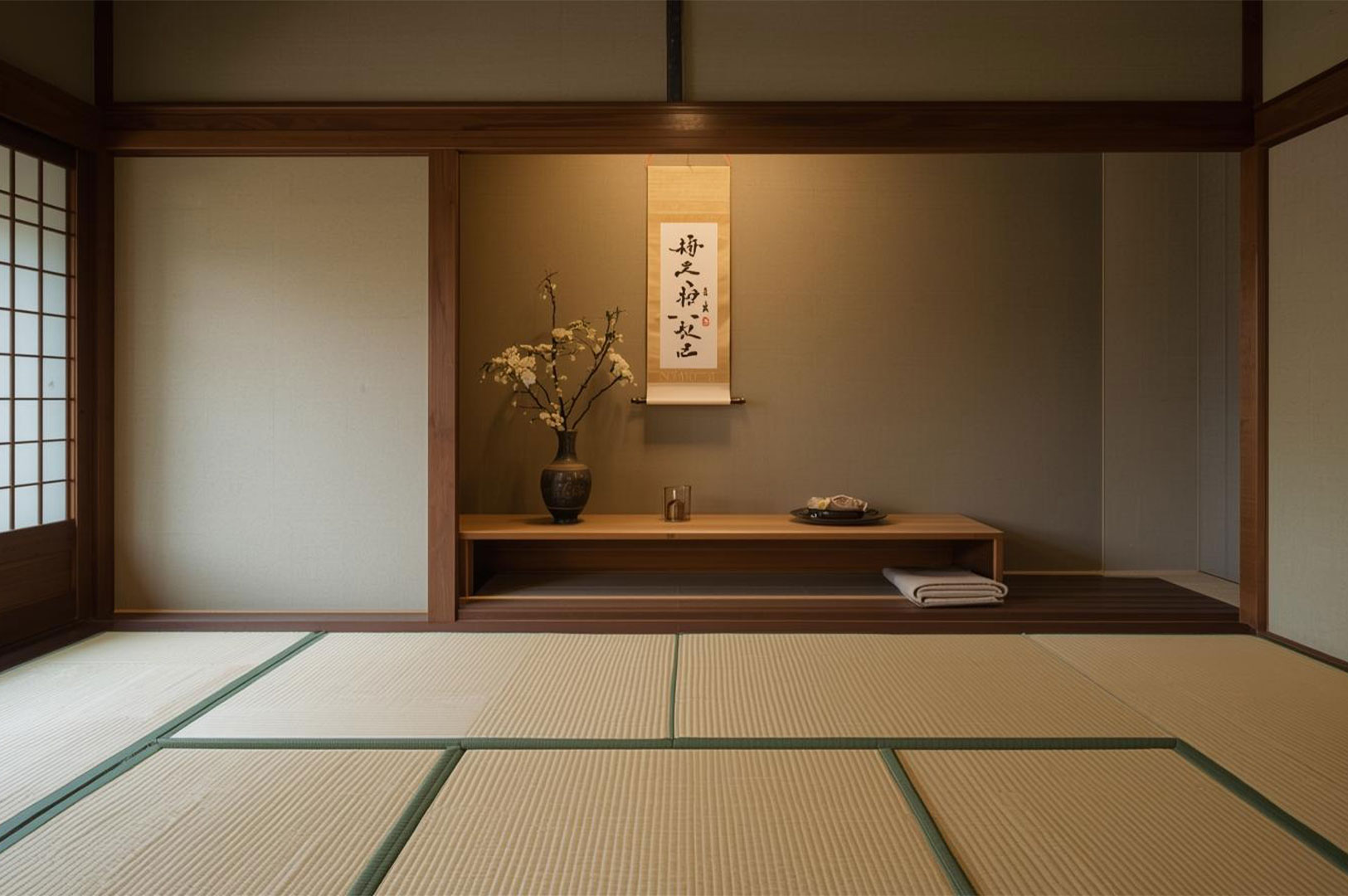
Harmony begins before anyone even enters the tea house. The tea garden, or roji, is designed to quiet the mind, with stepping stones and natural foliage that encourage guests to focus on the present moment. Inside, the tea room itself is a study in balance. The space is often simple, featuring tatami mats and walls made from natural materials. The host selects a hanging scroll and a seasonal flower arrangement to set the tone, creating a unified aesthetic sense.
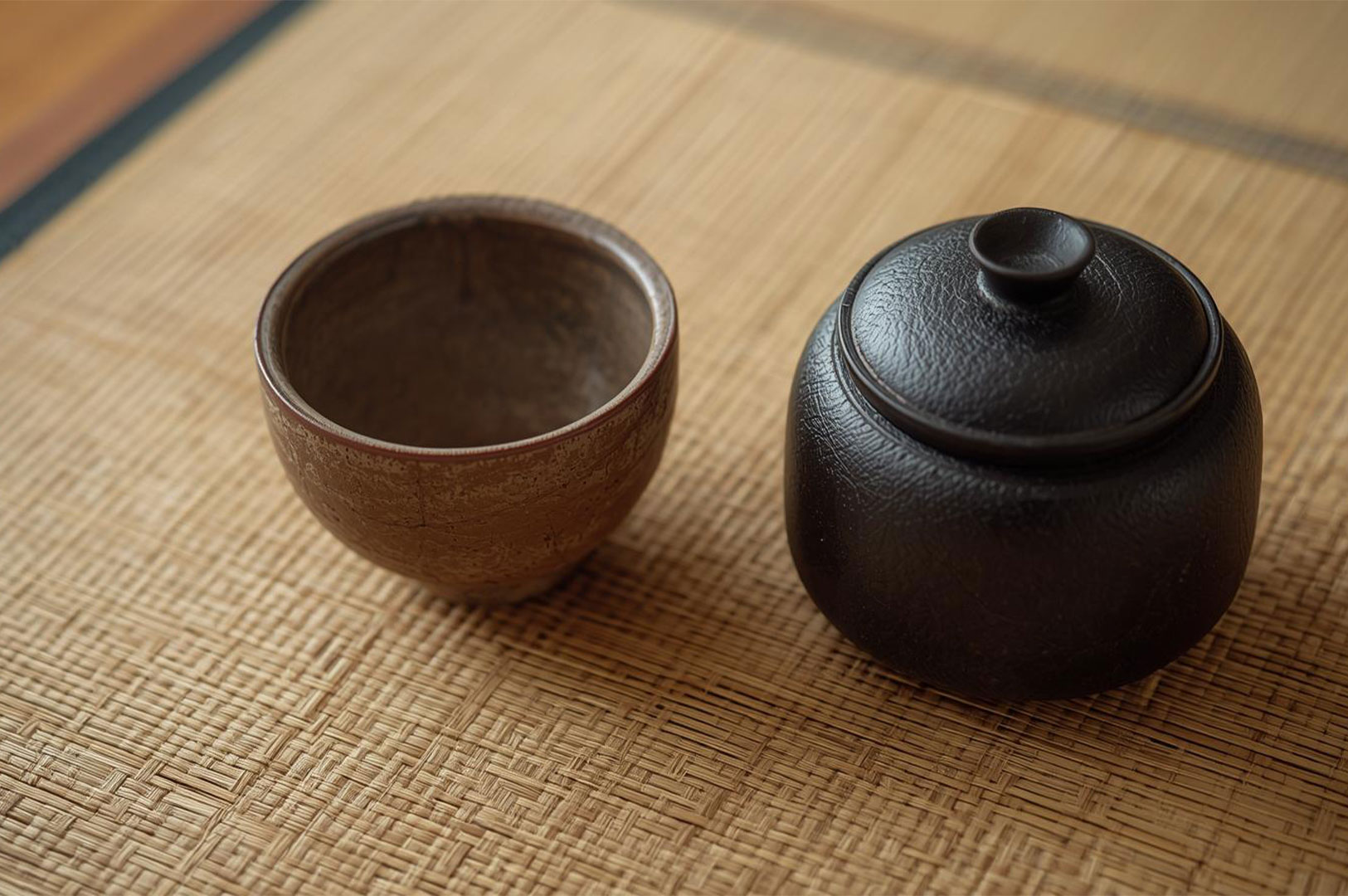
The host prepares for the ceremony by creating harmony among the objects. A rough, earthy tea bowl might be paired with a smooth, lacquered tea caddy. No single object is meant to dominate; instead, they work together to create a pleasing whole. This same sense of balance extends to the social dynamics. Within the tea room, hierarchies of Japanese society are set aside. Everyone is equal, sharing in the experience of one bowl of tea. This shared experience, whether for local or foreign guests, cultivates a unique sense of unity.
In Practice: A host might choose a hanging scroll with calligraphy that mentions water to complement a rainy day. This small detail connects the ceremony to the world outside, creating a holistic, harmonious experience for all.
Kei (敬): The Expression of Sincere Respect
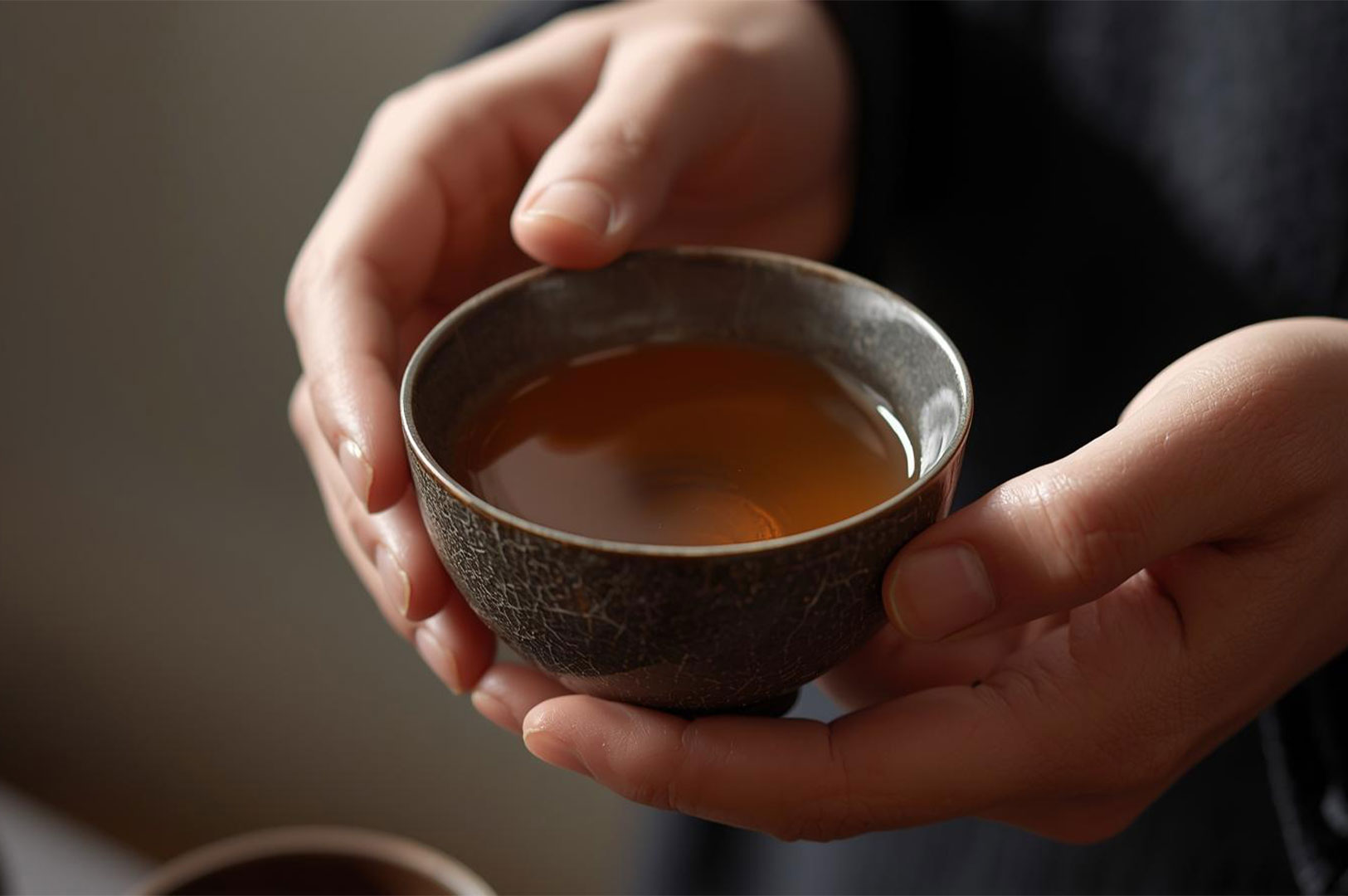
The second of the Japanese tea ceremony principles is Respect. This is not a mere formality but a sincere expression of gratitude that flows in all directions. It is respect for the host's efforts, for the other guests, for the history of the tea culture, and for the objects themselves.
Respect is demonstrated through specific actions and etiquette. When guests enter the tea room from the waiting room, they might make a silent bow to the hanging scroll in the alcove. This gesture acknowledges the host's thoughtful preparations and the theme of the gathering. The practice of respect is a cornerstone of Japanese culture and is central to the tea ceremony.
This principle is beautifully illustrated in the handling of the tea utensils. When the first guest receives the tea bowl containing powdered tea, they take a moment to appreciate it. Before drinking tea, the guest rotates the bowl slightly. This action is to avoid drinking from the "front" of the bowl—the side the host presented as the most beautiful. It is a humble acknowledgment of the host's gesture. After taking a few sips, the guest wipes the rim of the same bowl before passing it on if sharing thick tea (koicha).
This deep respect extends even to the tools used for making tea. The tea scoop (chashaku), often carved from a single piece of bamboo, and the tea caddy (natsume) are handled with immense care. By treating these objects with reverence, participants honor the artisan who made them and the tradition they represent.
In Practice: The host cleanses the tea scoop and tea caddy with a silk cloth (fukusa) in a series of precise, practiced movements. This is not just about cleaning; it is a visible demonstration of respect for the tools and the guest.
Sei (清): The Path to Purity of Heart and Mind
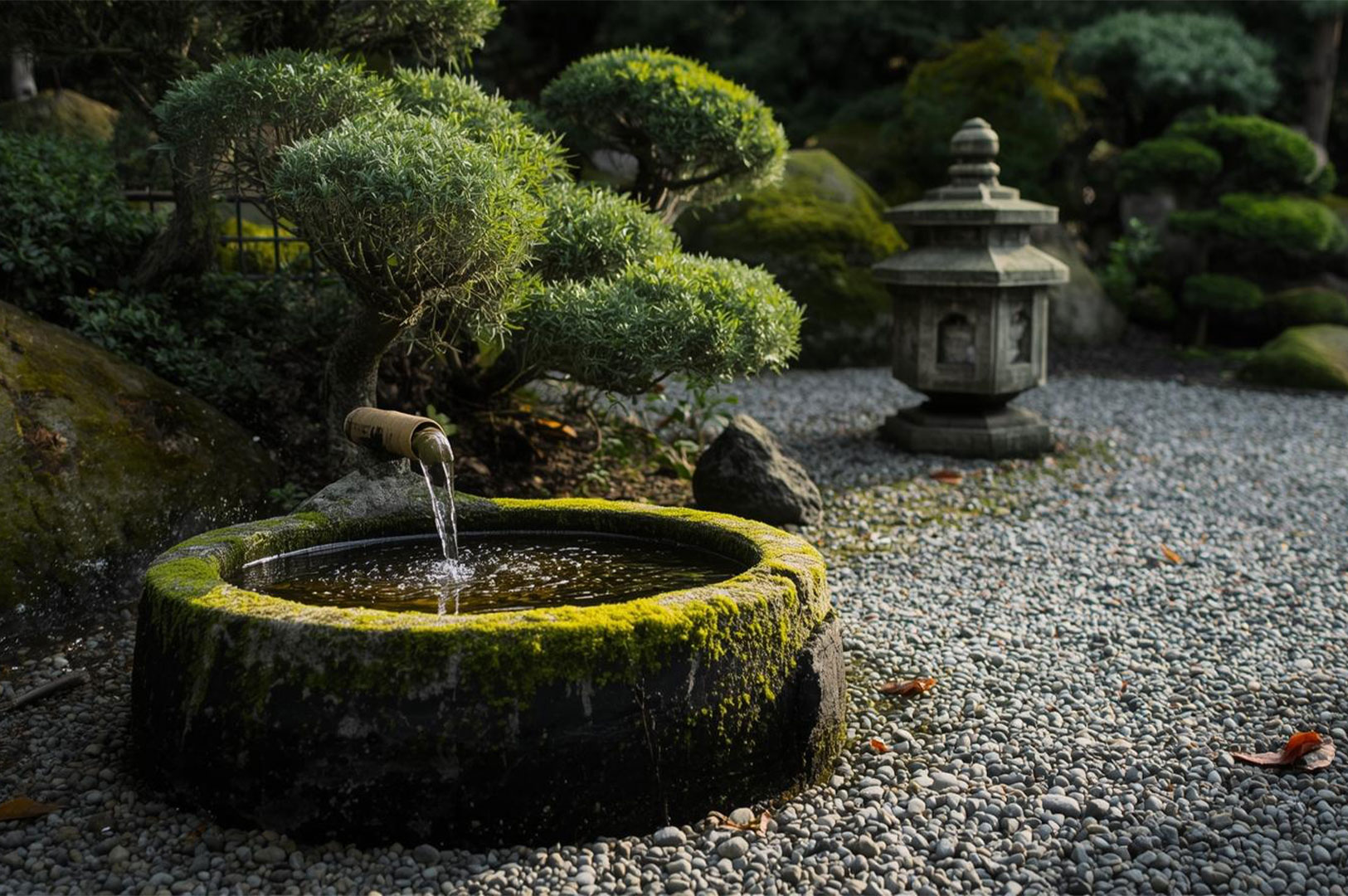
Purity is the third pillar of Chanoyu. This concept encompasses both physical and spiritual cleanliness. Before the ceremony begins, the host ensures that the tea room, tea garden, and every utensil are immaculate. This external cleanliness helps create an atmosphere free from worldly distractions.
Upon arrival, guests perform a ritual act of purification at a stone basin (tsukubai). They use a ladle to pour water from a fresh water container over their hands and rinse their mouths, symbolically washing away the "dust" of the outside world. This prepares them to enter the sacred space of the tea ceremony with a clear mind and a pure heart.
Beyond the physical, Sei points toward an internal state. The Zen philosophy that greatly influenced the Way of Tea emphasizes a mind free from clutter. The focused, deliberate actions of the ceremony help participants quiet their inner monologue. As the host whisks the green tea with a bamboo whisk, the focused movements become a form of meditation. Worries and ambitions fade, leaving only the experience of the present. This pursuit of spiritual purity is a central goal of the tea gathering, aiming for a state of mind that is open and sincere. It is a form of spiritual awakening through a simple, focused ritual.
In Practice: The use of a fresh ladle to scoop water from the iron pot for each serving of tea, and the meticulous cleaning of the tea whisk and bowl after each use, are physical acts that reflect the pursuit of inner purity.
Jaku (寂): Attaining Tranquility and Inner Peace
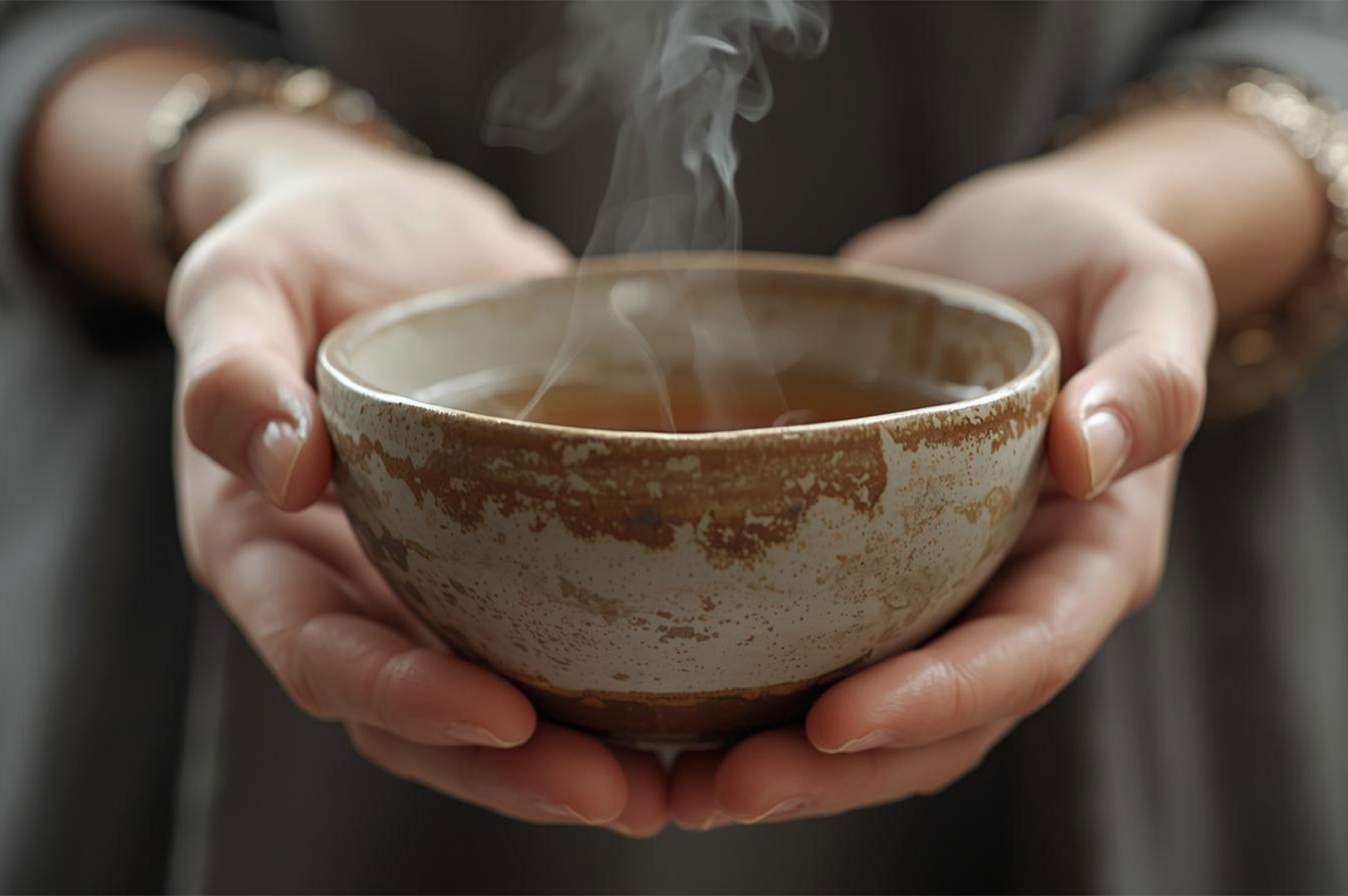
The final principle, Tranquility, is the culmination of the preceding three. When Harmony, Respect, and Purity (harmony respect purity) are fully present, a profound state of inner peace naturally arises. This is Jaku. It isn't an active pursuit but the beautiful result of embracing the complete Zen philosophy of the ceremony.
This state is where the deeper aesthetic sense of wabi-sabi—finding beauty in imperfection and transience—is most deeply felt. Tea master Sen no Rikyū championed this idea. He preferred simple, rustic tea bowls, sometimes with imperfections, over flawless, expensive ones. In a state of Jaku, one can perceive the quiet beauty in a slightly asymmetrical shape or a crack in the glaze, seeing it as part of the object's unique history.
Tranquility is the moment in the ceremony when the boundaries between self and the environment dissolve. The sound of the wind outside the tea house, the warmth of the tea bowl in one's hands, and the subtle taste of the thin tea (usucha) all merge into a single, unified experience. It is a quiet contentment that lingers long after the final act of the ceremony. During some formal tea ceremony events, a light meal (kaiseki) is served, and its simple, seasonal nature also contributes to this ultimate state of peacefulness. Different tea schools may have variations in their practice, but the pursuit of Jaku remains a universal goal.
In Practice: After the last of the tea served has been enjoyed, a period of quiet contemplation often follows. The host cleans the utensils and puts them away, perhaps over a fading charcoal fire. The silence is not empty but filled with a shared sense of peace—the very essence of Jaku.
Bringing Japanese Tea Ceremony Principles into Modern Life

You don't need access to formal tea parties or a dedicated tea room to benefit from these Japanese tea ceremony principles. Their wisdom can be woven into the fabric of your daily routine.
- Embrace Harmony: Find balance in your schedule. Create a small, harmonious space in your home with a plant or a single piece of art. When you have a cup of coffee or Japanese tea, focus only on that act.
- Practice Respect: Give your full attention to people when they speak. Handle your everyday objects, from your phone to your favorite mug, with care and appreciation.
- Cultivate Purity: Declutter your physical and digital spaces to clear your mind. Practice mental purity by letting go of small annoyances and focusing on positive intentions.
- Seek Tranquility: Schedule moments of quiet in your day. Take a short walk without your phone, listen to music without multitasking, or simply sit and breathe for a few minutes to find your inner peace.
The Way of Tea offers a powerful reminder that beauty and meaning can be found in the simplest acts. By integrating the principles of Harmony, Respect, Purity, and Tranquility, we can transform our own lives, finding moments of profound connection and peace in a bustling world.
By embracing the art of tea, we not only cultivate a deeper sense of presence but also connect with diverse tea cultures around the world. Take, for example, the Ceylon High-Grown Teas, where the bright, crisp profiles of Nuwara Eliya offer a distinct experience rooted in Sri Lanka's verdant highlands. Alternatively, The Dragon Well Legacy takes us to China, where the centuries-old tradition of Longjing tea continues to captivate with its smooth, toasty flavors and rich cultural significance.
By immersing ourselves in the rituals and stories behind each cup, we find that the true essence of tea lies not in the beverage itself, but in the mindful journey it invites us to take.

Stop Chasing Tasting Notes: Tea Isn’t Wine and That’s a Relief
I have a small confession to make. Sometimes I have absolutely no idea what I am supposed to be tasting. A tea description might promise orchid, honey, toasted nuts, stone fruit, and something wonderfully mysterious called a “long mineral finish.” I take a sip. I taste tea. And then I start wondering if everyone else…
-
Chinese Tea Sets: Beautiful on the Table, But How Do They Brew?
There is a small arrangement on the table this evening, and I have not touched it yet. A pale bowl with a lid resting slightly askew. A round pitcher beside it, waiting to be filled. Cups no larger than a thumb and two fingers, lined up like a quiet sentence. The surfaces catch the last…
-
Floral Teas Are Not “For Beginners”—They’re For People With Taste
There is a curious assumption in tea culture that I have never quite understood. If you are new to tea, you begin with something floral. Jasmine. Rose. Osmanthus. Lightly scented blends. Then, supposedly, you move on. You discover roasted oolongs. Aged teas. More complex leaves. Stronger flavours. Eventually, you become a “serious” tea drinker. I…
-
How to Make Cold Brew Tea: The Slow Method for a Smoother Cup
There is a jar on the top shelf of my refrigerator that I did not need this morning. I filled it last night, before the kitchen went dark. Loose tea leaves, cool water, a lid resting loosely on top. Then I closed the door and left it alone, the way you leave bread to rise…
-
Milk Tea Isn’t “Ruining” Tea—But Some Milk Tea Is Ruining Milk Tea
I have noticed that few things can start an argument among tea drinkers quite as quickly as milk. Mention adding milk to a good tea and suddenly everyone has an opinion. Some insist that milk covers the flavour of the leaves. Others will tell you that certain teas were practically made for it. I have…
-
There Are Always Good Things to Eat at The Marmalade Pantry
The afternoon rain had just eased when I climbed up to Level 4 of ION Orchard, home to the Marmalade Pantry Ion. Outside, Orchard Road was doing its usual thing: too many people, too much noise, everyone somewhere to be in the bustle of the city. Inside, at a corner table, someone was pouring tea…
-
The Teacup as a Compass: What My Daily Brew Taught Me About Pace
I never intended for tea to become a way of keeping track of my days. It just happened. There are mornings when I drink the first cup quickly, barely noticing the taste because my mind is already somewhere else. Then there are afternoons when I make tea and somehow manage to sit with it for…
-
Silk Tea Bar Review: A Quiet Climb Worth Making on Sago Street
I almost walked past it. Sago Street was loud that afternoon, the way Chinatown often is. Voices, footsteps, the clatter of a hundred small transactions. I was looking for a door and nearly missed the narrow one that led upstairs. Then I climbed. And somewhere between the ground floor and the second, the noise fell…
-
“Artisan” Doesn’t Mean Ethical: The Supply Chain Questions We Avoid
I have always been drawn to the word “artisan.” Maybe because it creates a certain image in my mind. Someone carefully working with their hands. Someone who knows their craft deeply. Someone preserving a tradition that has existed long before the rest of us discovered it. When I see “artisan tea” on a label, I…
-
A Quiet Afternoon at A Beautiful Day Café
The rain had just started when I stepped in off Paya Lebar Road. Not heavy. Just enough to soften the light and slow everyone down. Inside, someone was pouring tea, and the sound of it carried further than it should have. A small room can do that. It can make a pour feel like a…