Anyone who has waited at a bus stop at midday in Singapore knows how much shade matters. You step under the roof, the glare softens, and everything slows down a little.
Tea plants respond to shade too, though in their own way. In parts of Japan, farmers deliberately cover their tea bushes in the weeks before harvest. The young leaves grow under filtered light, and the tea made from them tastes noticeably different.
That tea is gyokuro, a treasured jade dew of Japanese tea connoisseurs.
The title of this piece is poetic. Gyokuro does not literally grow in darkness, and the leaves are not shut away indefinitely. But shade sits at the centre of its identity, and understanding gyokuro tea means understanding what happens when a leaf is asked to wait in softer light.
What Is Gyokuro? A Favorite Tea Among Japanese Tea Lovers
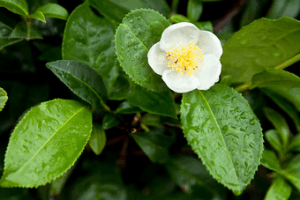
Gyokuro is a Japanese green tea made from the Camellia sinensis plant, the same species behind sencha, matcha, oolong and black tea. That makes it a true tea, not a herbal infusion.
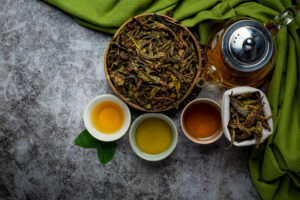
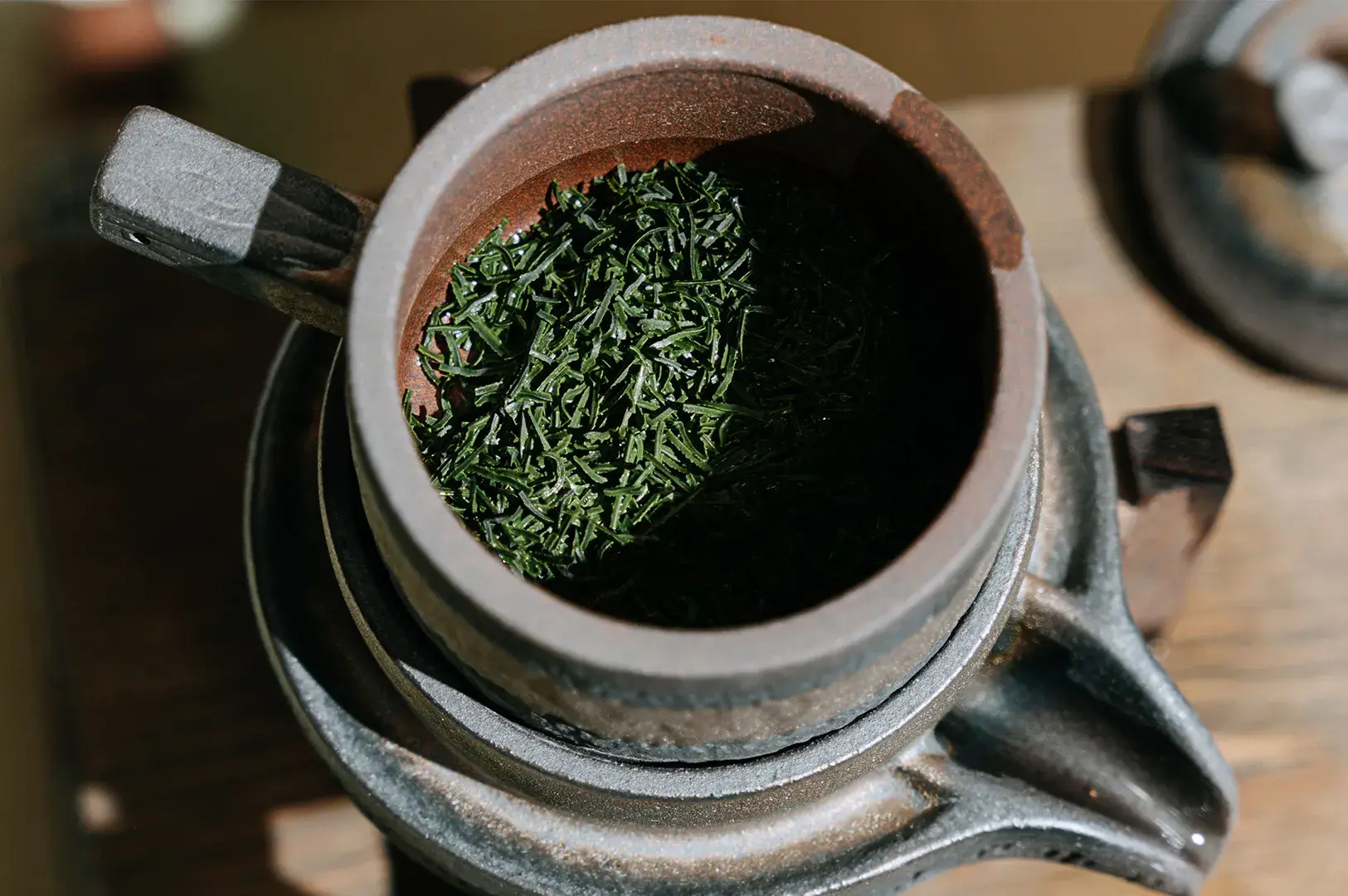
The name is often translated as "jade dew," which suits its deep green colour and rich aroma. Unlike matcha, it is sold separately as loose leaf. The finished gyokuro leaves are rolled into fine, dark green needles, and you steep them in water as you would most other green teas.
What sets gyokuro apart is not one single step. It is the combination of two things: how the plant is grown and how the leaves are shaped afterwards. Marukyu Koyamaen, a long-established tea maker in Uji, describes gyokuro as the meeting point of completely shaded cultivation and the rolling method used for sencha.
That combination is worth slowing down for.
How Shade Shapes Gyokuro Tea: The Origin and Cultivation of a Treasured Japanese Tea
Covering the Fields
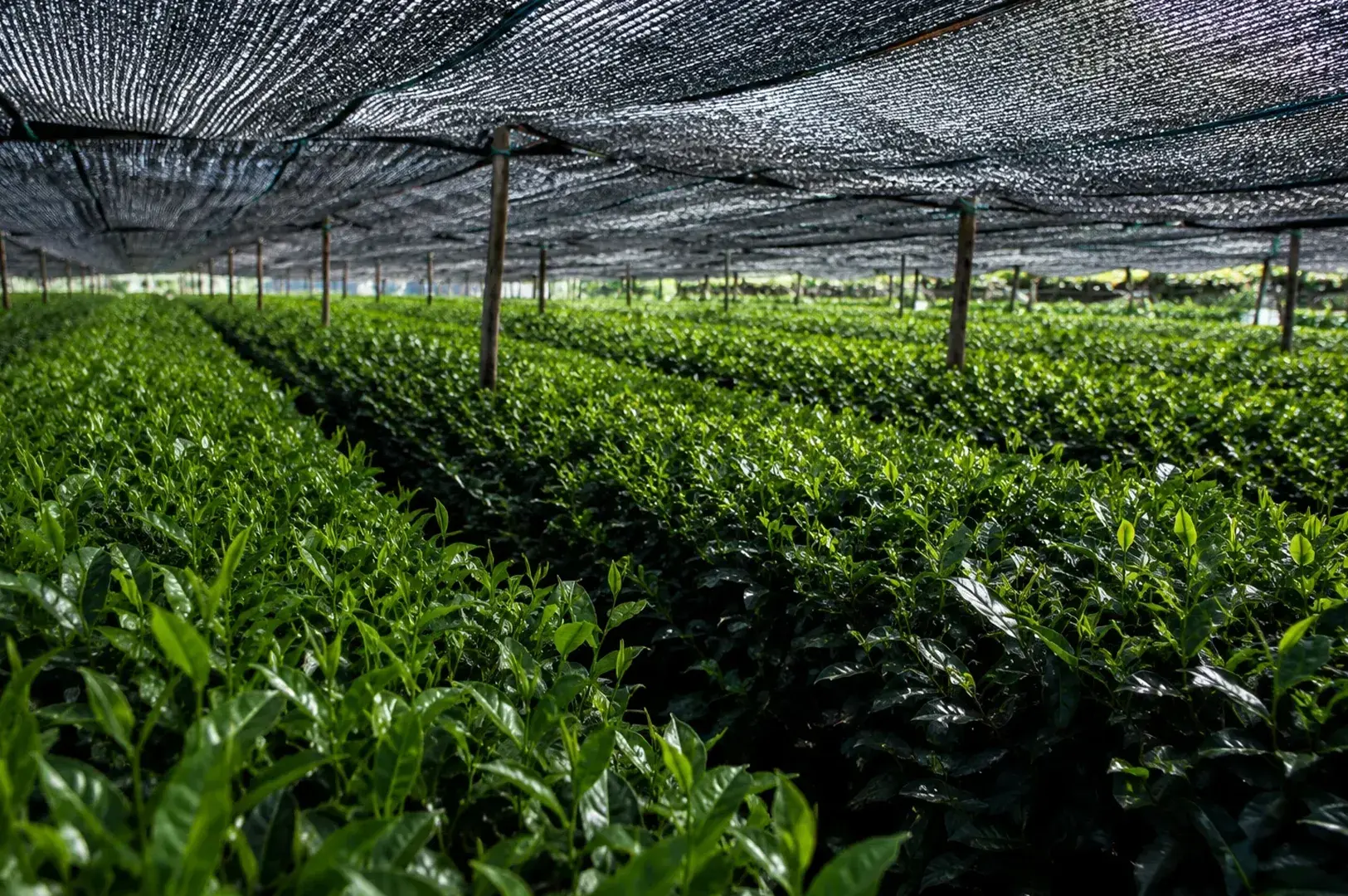
When new buds appear on the tea bushes in spring, gyokuro growers cover them to block out sunlight. The covers may be stretched over frameworks above the plants or arranged more simply depending on the region and tradition.
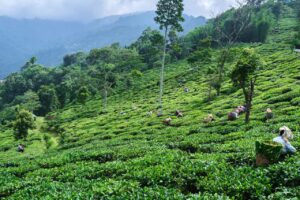
According to the Kyoto Prefectural Tea Industry Association, approaches vary from place to place. In Kyotanabe, one of Japan's well-known gyokuro areas, fields are covered with two or more layers to block light more thoroughly. In Fukuchiyama, growers use tall trellises, and by May the tea fields are draped in black curtains. In Uji City, the traditional method of covered cultivation, known as oishitaen, is still practised alongside careful picking by hand, one bud at a time.
There is something quietly patient about it. The farmer is not adding anything to the leaf. They are holding something back.
What Happens Inside the Leaf: Nutrients and L Theanine
Here is where shade becomes flavour and health benefits.
Tea leaves contain L-theanine, an amino acid associated with savoury, rounded taste and relaxation benefits. They also contain catechins, compounds linked to astringency, that drying feeling a strong cup can leave in your mouth. As the Kyoto association explains, sunlight encourages theanine to be converted into catechins. Shading slows that process, so more of the sweetness and umami stay in the leaf, while bitterness and astringency are kept in check.
It is a small chemical shift. But you can taste it and discover its impact on the tea experience.
Gyokuro Tea Taste: How It Differs From Other Green Teas
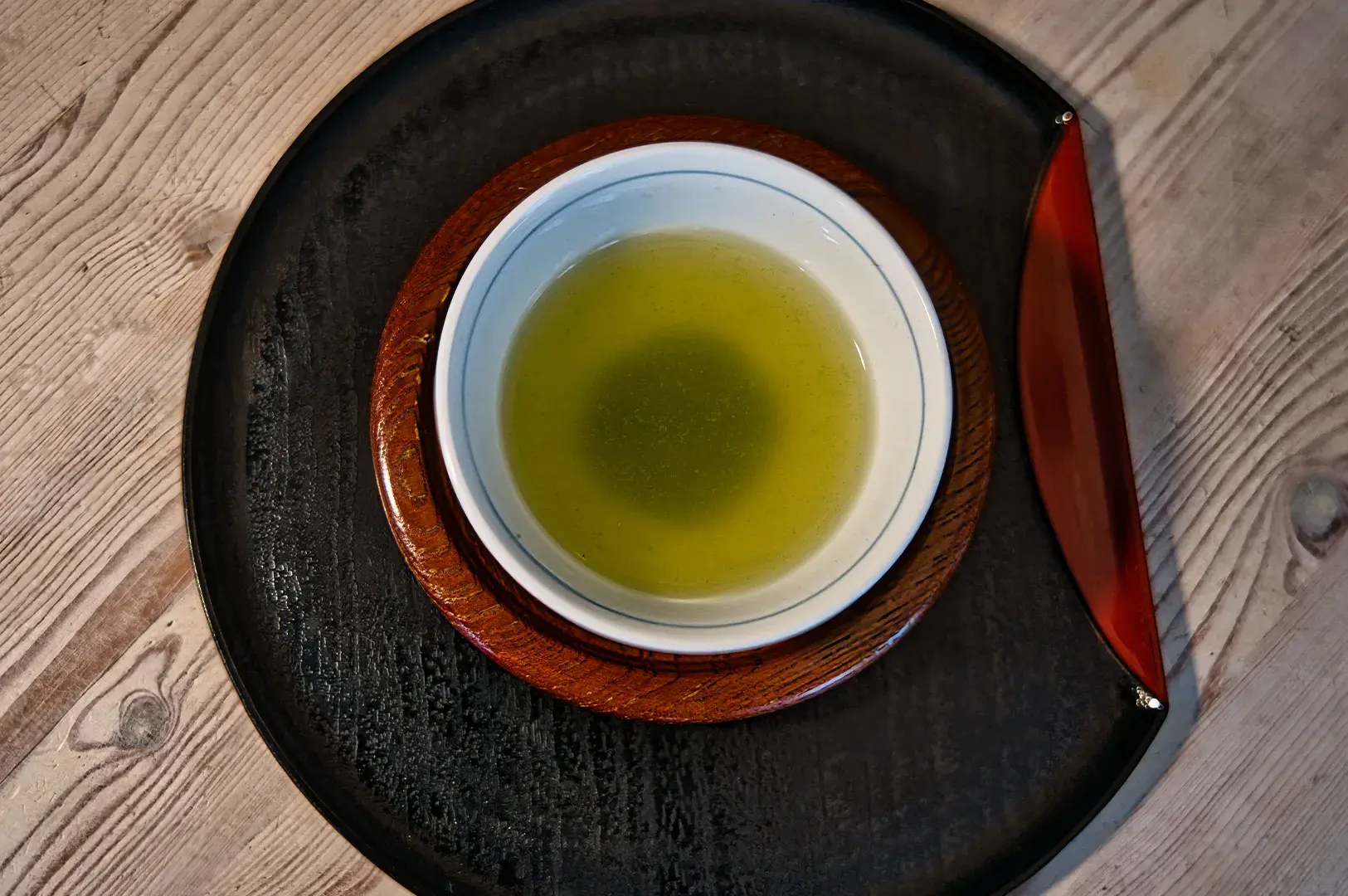
If you have only ever had green tea from a supermarket bag or a bottle, gyokuro can be surprising. It is often described as sweet, rich and savoury, with a softness that some people compare to a light broth.
That description makes more sense when you set gyokuro beside its close relatives.
Gyokuro vs Sencha: A Perfect Cup for Different Moods
Sencha is the everyday green tea of Japan. It shares the same steaming and rolling process as gyokuro, but it is typically grown in full sun.
That sunlight changes the cup. Sencha tends to taste brighter and grassier, with more astringency and a clean, refreshing edge. Gyokuro leans the other way: rounder, sweeter, deeper in umami.
Neither is "better." They simply answer different moods. Sencha feels like an open window. Gyokuro feels more like a closed room on a rainy autumn afternoon.
There is also a middle ground. Kabusecha, meaning "covered tea," is shaded for a shorter period than gyokuro. Some producing areas in Kyoto, such as Ayabe, are recognised for it. If gyokuro and sencha sit at two ends of a line, kabusecha lives somewhere in between.
Gyokuro vs Matcha: Different Varieties Inspired by Shade
Matcha and gyokuro are closer cousins than many people realise. Both come from shaded tea plants, and Marukyu Koyamaen notes that they share some of the same properties because of it. Their account also mentions that gyokuro plants are typically shaded for a shorter time than those grown for matcha.
The real difference comes after harvest. Leaves for matcha are processed into tencha, which is dried flat rather than rolled, then ground into fine powder. You whisk matcha and drink the whole leaf. With gyokuro, you steep the rolled needles and drink the infusion.
Same shade, different paths. One becomes powder. The other becomes needles.
Brewing Gyokuro: The Ultimate Guide to the Perfect Cup
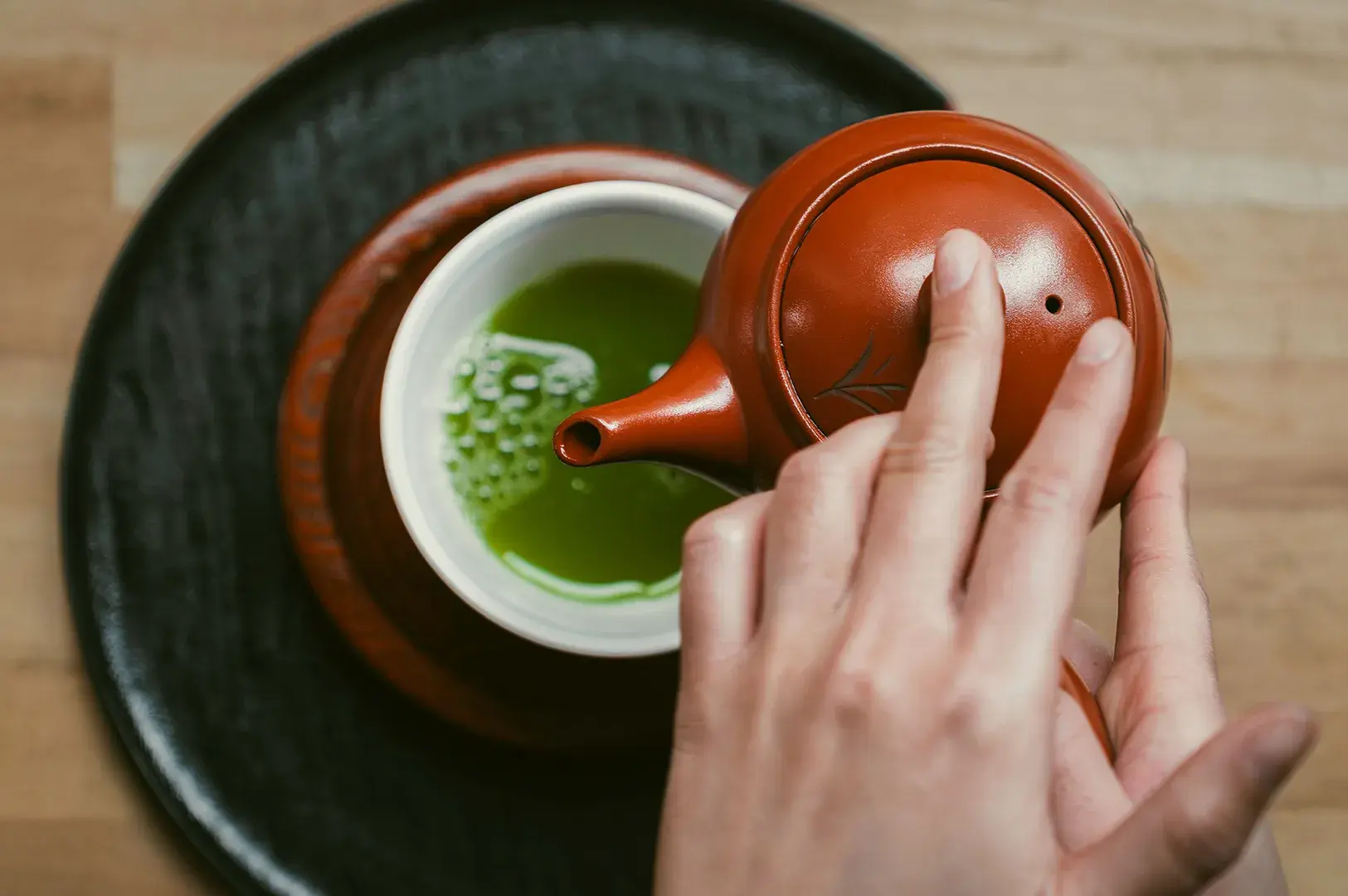
Brewing gyokuro is an art that requires attention to water temperature, tea bowls, and the amount of gyokuro leaves used. The goal is to create a perfect cup that highlights the tea's delicate aroma and health benefits.
Water Temperature and Brewing Time
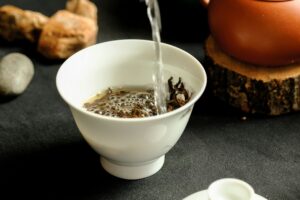
Gyokuro is traditionally brewed with relatively cool water and a high concentration of tea leaves to highlight its umami and sweetness. Ippodo Tea recommends using 10 grams of gyokuro leaves with 80 millilitres of water at approximately 60°C, steeped for 90 seconds.
Other producers may recommend different temperatures, ratios and steeping times. Those who prefer a lighter cup can experiment with more water or fewer leaves.
Serving and Tea Bowls
Gyokuro is traditionally served in small teacups or tea bowls that encourage small sips, allowing the drinker to savor its complex flavors and aroma. Using a small teapot designed for gyokuro can help control the brewing process for multiple infusions.
Multiple Infusions
One of the joys of gyokuro is that it can be infused three to four times. Each infusion reveals different layers of flavor, from the initial rich umami to a slightly more bitter but still smooth finish.
Gyokuro Leaves and Stems: Sold Separately for Different Tea Experiences
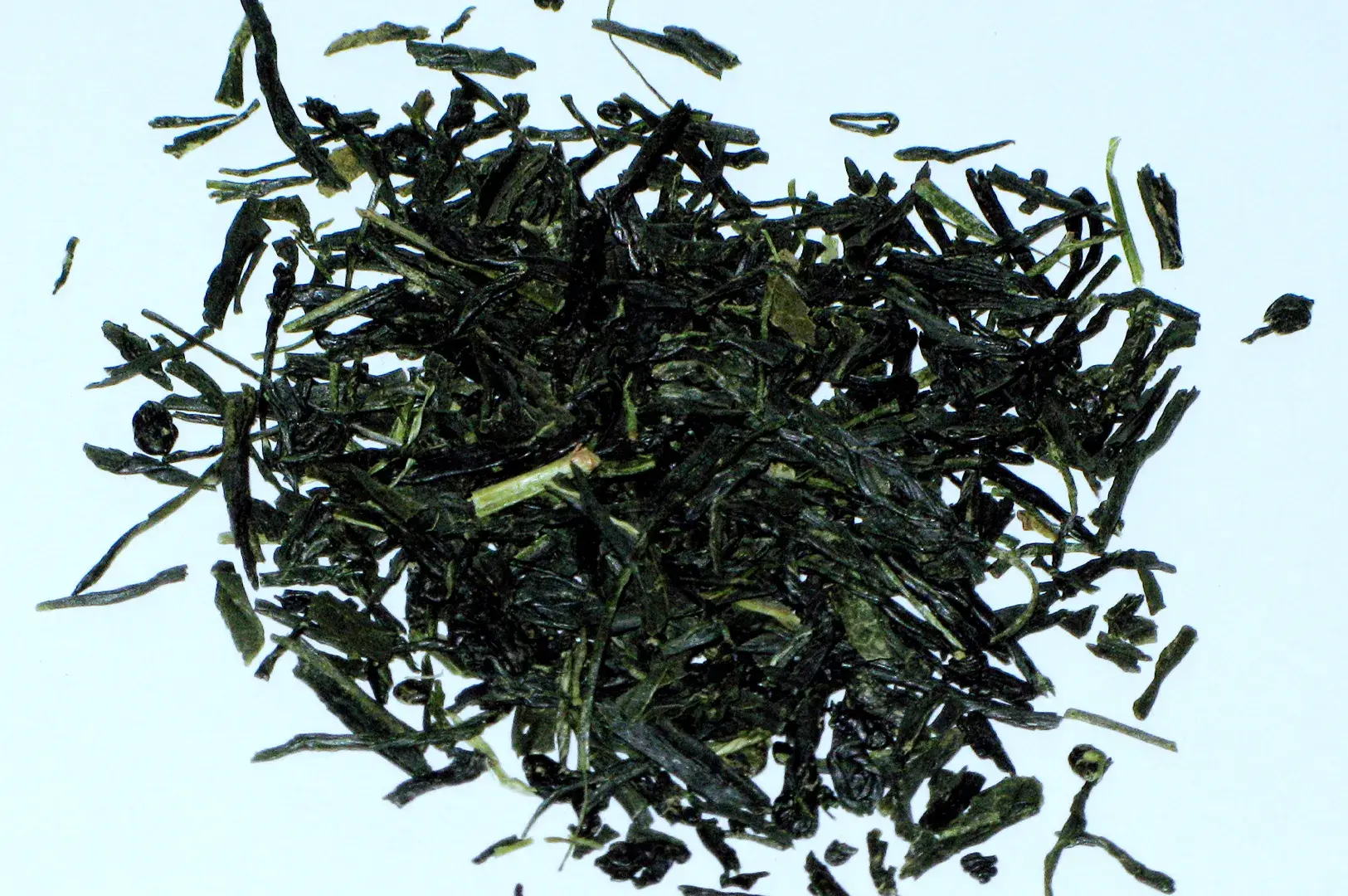
Gyokuro leaves are carefully picked and processed, but the stems and other parts of the plant are also treasured. These by-products, often sold separately as kukicha or twig tea, offer a distinct flavor profile with less caffeine and a unique aroma reminiscent of seaweed.
These different varieties allow tea lovers to explore the full spectrum of gyokuro's qualities.
Health Benefits of Gyokuro: A Nutrient-Rich Japanese Tea
Gyokuro is considered one of Japan's most prized green teas and is particularly rich in L-theanine and caffeine. L-theanine has been studied for its potential effects on stress and relaxation, while caffeine can temporarily increase alertness. However, the effects of drinking gyokuro depend on factors such as brewing method, serving size and individual caffeine sensitivity.
Gyokuro contains naturally occurring compounds such as catechins, chlorophyll and amino acids. Catechins are known for their antioxidant activity, although the health effects of drinking gyokuro specifically require further research.
As a caffeinated tea, gyokuro offers a distinctive alternative to coffee, but its caffeine content should still be considered.
Discover Gyokuro: An Inspired Tea Experience
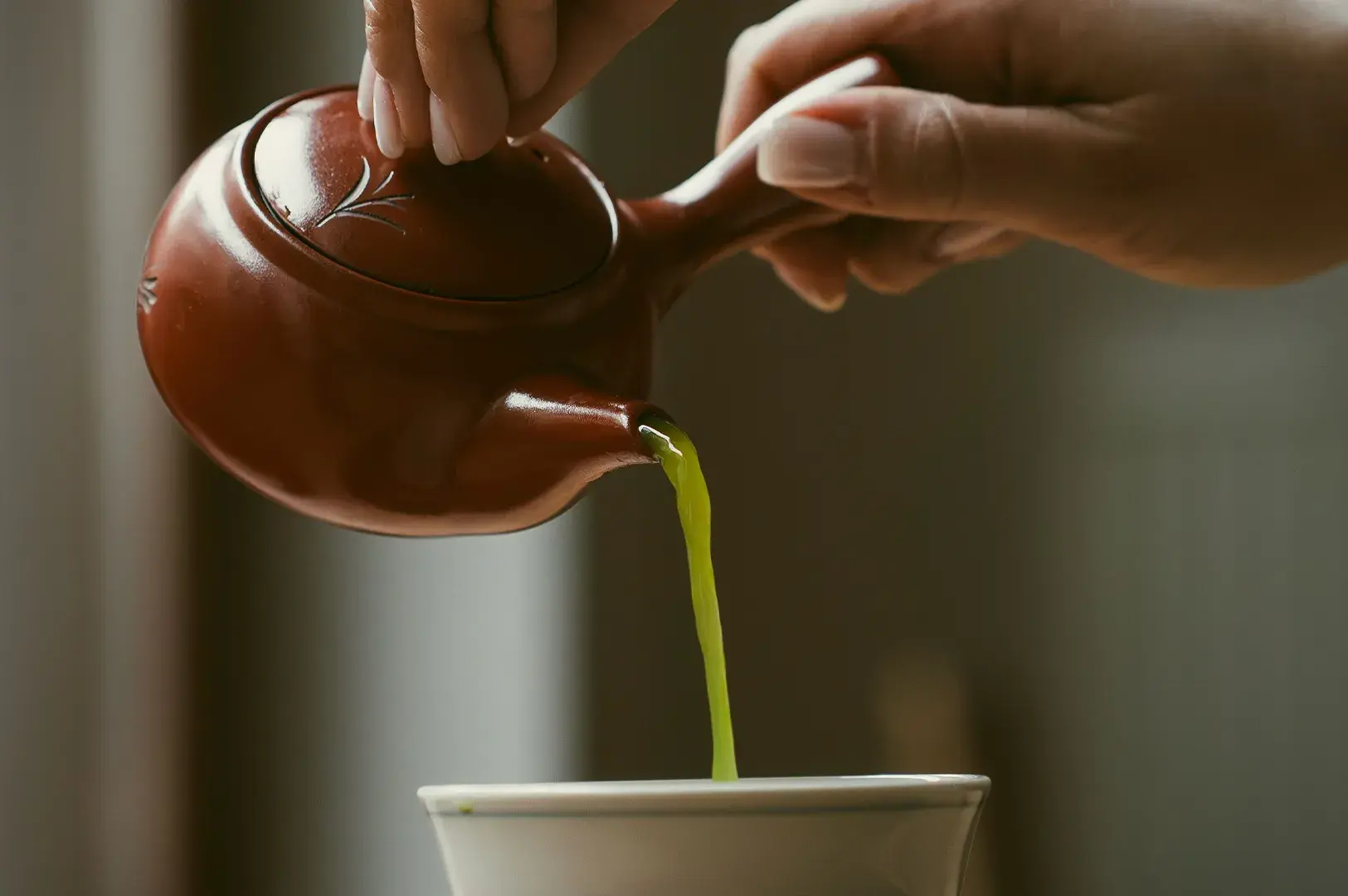
Gyokuro is not just a tea; it is a ritual. It invites tea lovers to slow down, appreciate the materials and methods that create it, and savor each sip with mindfulness.
Whether prepared at home or enjoyed in a traditional tea ceremony, gyokuro offers a unique connection to Japanese tea culture and its long history.
Explore different varieties, try brewing gyokuro with care, and discover why this tea has been treasured for centuries.
In Singapore, Japanese restaurants that serve tea offer not only exquisite cuisine but also a refined tea experience that beautifully complements the art of Japanese dining.
If you have not yet experienced gyokuro, consider starting with a simple comparison: brew gyokuro, then sencha, and taste them side by side. Sip slowly, and you may find a new favorite tea. Gyokuro's story is one of patience, restraint, and the ultimate guide to enjoying a perfect cup of green tea.

Raw vs. Ripe: Understanding the Two Paths of Pu Erh Processing
In the vast and ancient world of Chinese tea, few categories carry as much mystery and prestige as pu erh tea. Pu’er tea is renowned for its unique fermentation and aging techniques, which not only develop its complex flavor profiles but also contribute to its cultural significance and traditional production methods. Unlike most teas such…

From Keemun to Darjeeling: A Global Tour of Premium Black Teas
Black tea is more than just a morning ritual; it’s a global phenomenon steeped in rich history, cultural significance, and craftsmanship. From the misty mountains of India to the ancient gardens of China, each cup tells a story of its origin, flavor, and tradition. Throughout history, brewed tea has been cherished in various cultures, with…
-
Understanding Oolong Tea Oxidation Levels: The Spectrum of Oxidation in Tea Classification
When you step into the world of tea, you quickly learn about the main categories: white, green, oolong, and black. For many, green tea is fresh and vegetal, while black tea is bold and malty. But what about oolong? This category seems to defy easy definition, with some oolongs tasting light and floral like a…
-
Beyond Matcha: Exploring the Diverse World of Japanese Green Tea Varieties
Let’s be honest, when you hear “Japanese green tea,” your mind likely pictures a vibrant, frothy bowl of matcha. From trendy matcha lattes in every café to ice cream and desserts, matcha has become the undisputed global face of Japanese tea culture. And for good reason! It’s a delicious, versatile ingredient with numerous health benefits….
-
Silver Needle White Tea: The Delicate Emperor of Chinese Tea
In the vast and storied world of Chinese tea, few varieties command the reverence and prestige of Silver Needle white tea. Celebrated as Bai Hao Yin Zhen (白毫銀針)-meaning “White Hair Silver Needle”-this exceptional Chinese white tea sits atop the hierarchy of not just white tea, but among all tea types. Each slender ‘needle’ is not…
-
Thai Oolong Tea: Thailand’s Oolong Revolution in Ancient Tea Territory
In the shadowy folds of Northern Thailand’s mountains, where cool, misty air hugs the slopes and the morning dew clings to fragrant tea leaves, a revolution is steeping. Once known largely for its role in the Golden Triangle, this region now blossoms as a new epicenter for Thai oolong tea and innovative tea beverages like…
-
Dong Ding Oolong: The Artisanal Craft Behind Taiwan’s Most Famous Tea
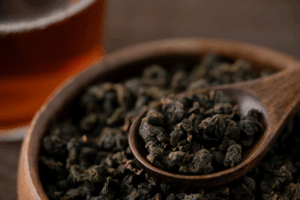
Imagine a warm, inviting aroma that fills the room with essence reminiscent of delicate flowers, toasted nuts, honeycomb, chocolate, and ripe stone fruit. The initial scent from a freshly opened tin of Dong Ding Oolong loose leaf tea can feel almost transportive. Upon brewing, the tea’s infusion shines with a brilliant golden colour, and your…
-
Yerba Mate Tea: Argentina’s Ancient Energy Brew and Modern Revival
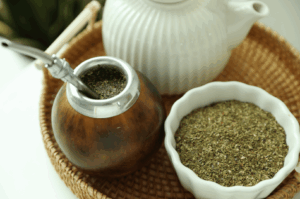
Picture a sun-drenched plaza in Buenos Aires, where the air hums with laughter and the scent of fresh flowers. In the center, friends gather in a close-knit circle, a cherished gourd filled with fragrant yerba mate tea making its way from hand to hand. Each person sips this herbal tea-brewed from green yerba mate leaves-through…

The Complete Guide to Kenyan Tea Industry Transformation in the Great Rift Valley
Imagine standing at the edge of Kenya’s Great Rift Valley, the birthplace of world-renowned Kenya tea. Here, undulating hills blanket the landscape in a lush sea of deep green, where rows of thriving tea bushes stretch across the horizon. This breathtaking region forms the core of the Kenyan tea industry-a powerhouse producing some of the…
-
Ceylon High Grown Tea: The Bright, Crisp Profiles of Nuwara Eliya
Imagine standing amidst a sea of emerald green on the island of Sri Lanka, where manicured tea bushes climb rolling hills and disappear into a cool, persistent mist. This is the world of Ceylon high grown tea, centred in Nuwara Eliya – a region characterized by bright sunshine in the morning and cool, misty nights….