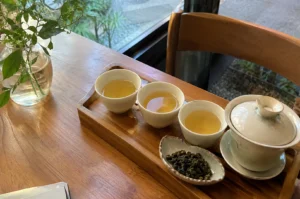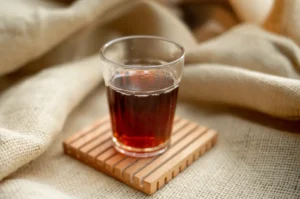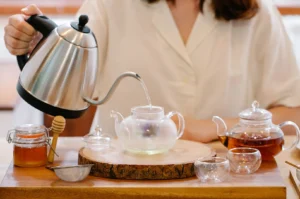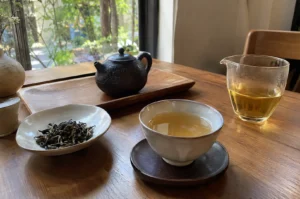
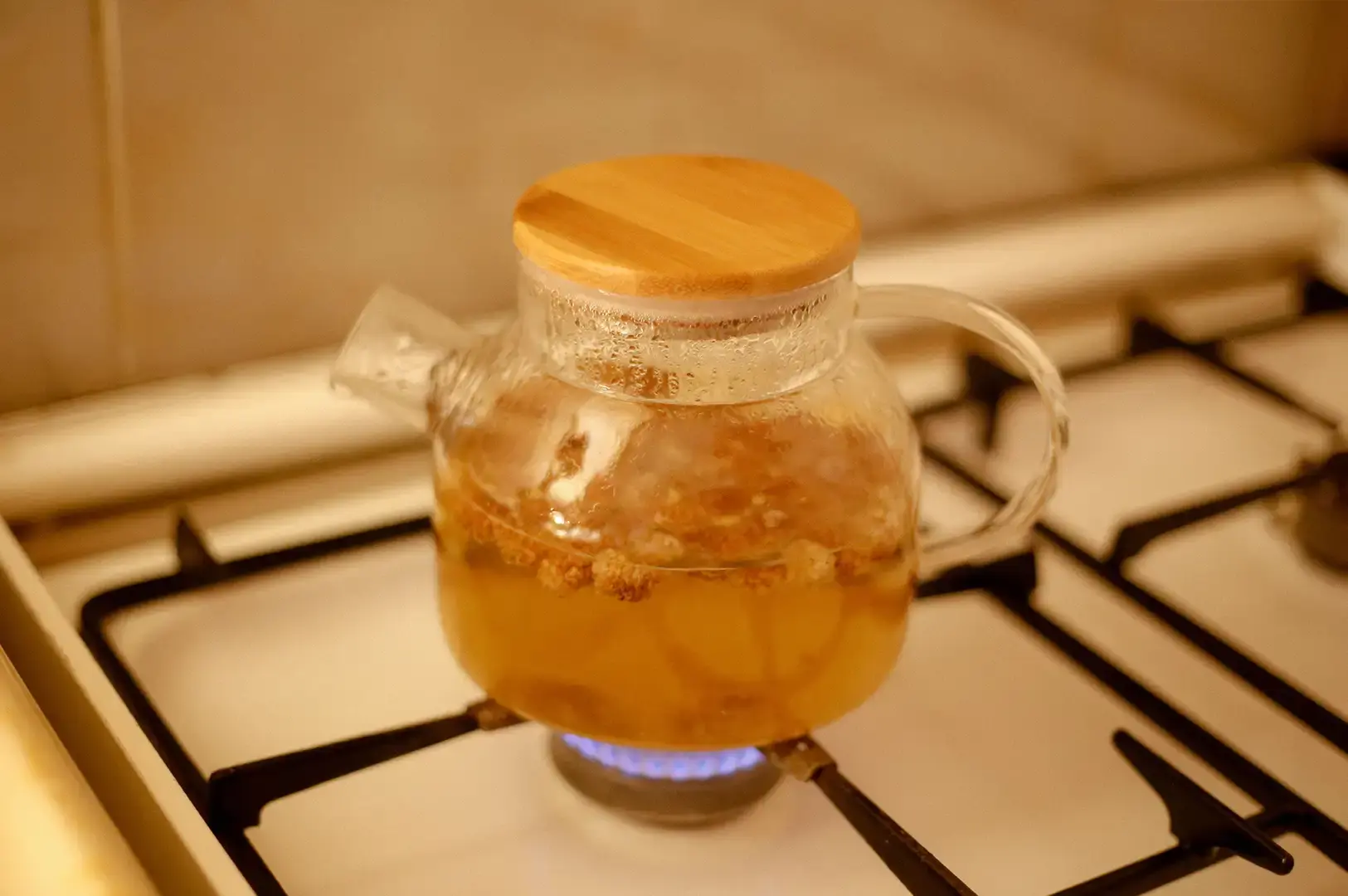
The first sip was bitter.
I was maybe seven, and my grandmother had pressed a small ceramic cup into my hands, dark liquid inside, steam curling up between us. She didn't explain. She just said, "Drink. You've been too heaty."
I made a face. She didn't smile. She just waited until I finished.
Years later, I still taste that moment. Not the bitterness exactly, but what sat behind it. The idea that a drink could correct something in you. That it wasn't for pleasure, or thirst, or trend. It was for balance.
That is where herbal tea in Chinese culture begins, at least for most of us who grew up with it. Not in a menu, but in a kitchen. Not as a choice, but as care.
What "Herbal Tea" Actually Means in Chinese: Understanding Chinese Herbal Teas
Here's the first thing worth untangling.
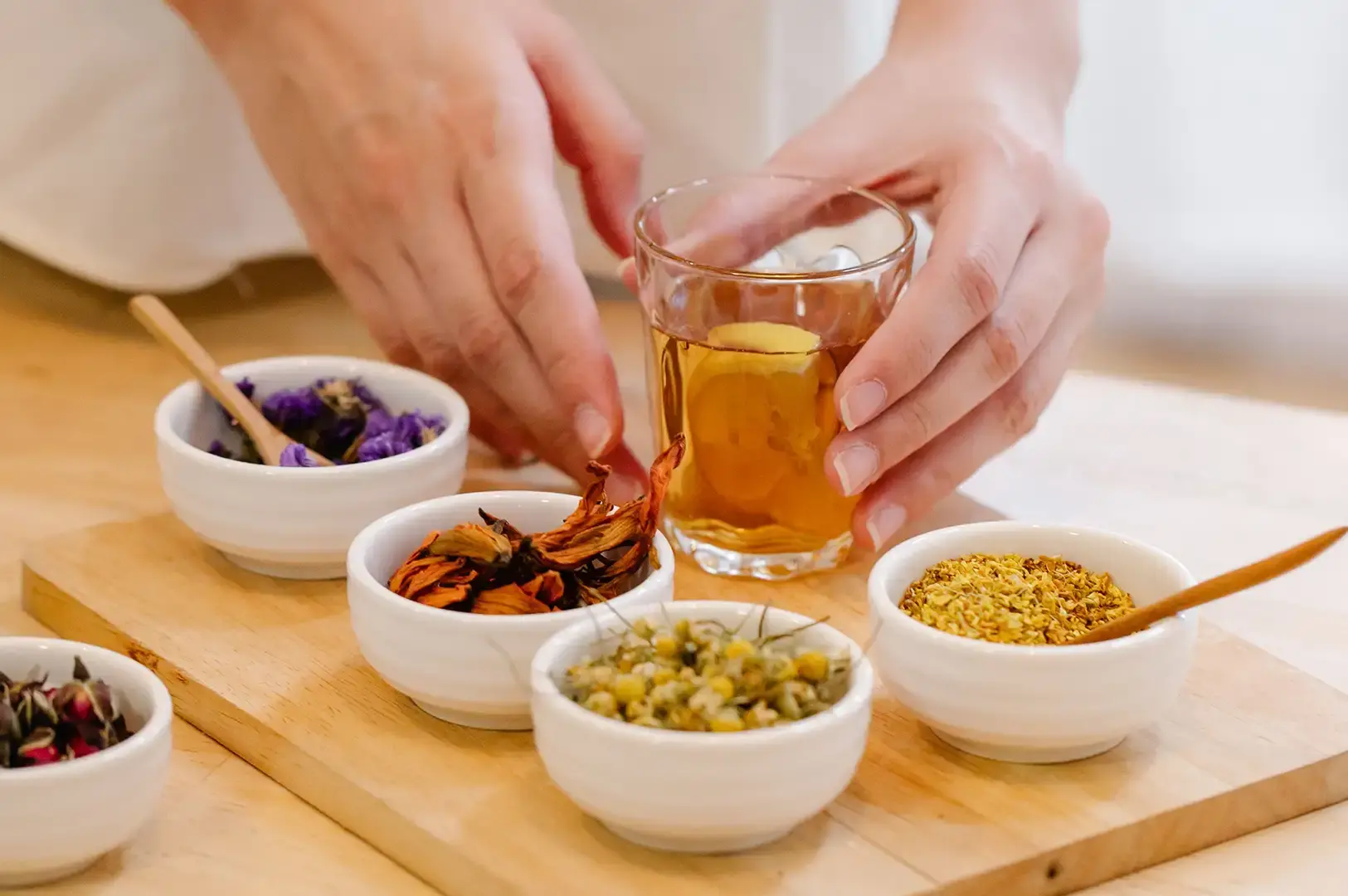
When we say herbal tea in Chinese, we often aren't talking about tea in the strict sense. Real tea comes from one plant, Camellia sinensis, the tea plant behind green, black tea, and oolong. Most Chinese herbal teas contain none of it.
Instead, they're infusions of Chinese herbs, flowers, roots, fruits, and dried things gathered for reasons that go beyond flavour. The Cantonese call one whole family of these drinks leung cha, which translates loosely as cooling tea.
That word, cooling, is the key that unlocks everything else.
Cooling Tea and the Body's Yin: Not About Temperature
Cooling here has little to do with whether the drink is hot or cold. It's about what the drink is traditionally believed to do inside the body according to traditional Chinese medicine.
In Chinese medicine and food culture, foods and drinks are often understood as either warming or cooling. It's a way of reading how something sits in you, not a scientific measure. A cooling tea is one people reach for when they feel out of balance in a particular direction, often to restore the body's yin and soothe internal heat.
Which brings us to a word every Chinese household knows.
The Meaning of "Heatiness" and Emotional Balance in Chinese Medicine
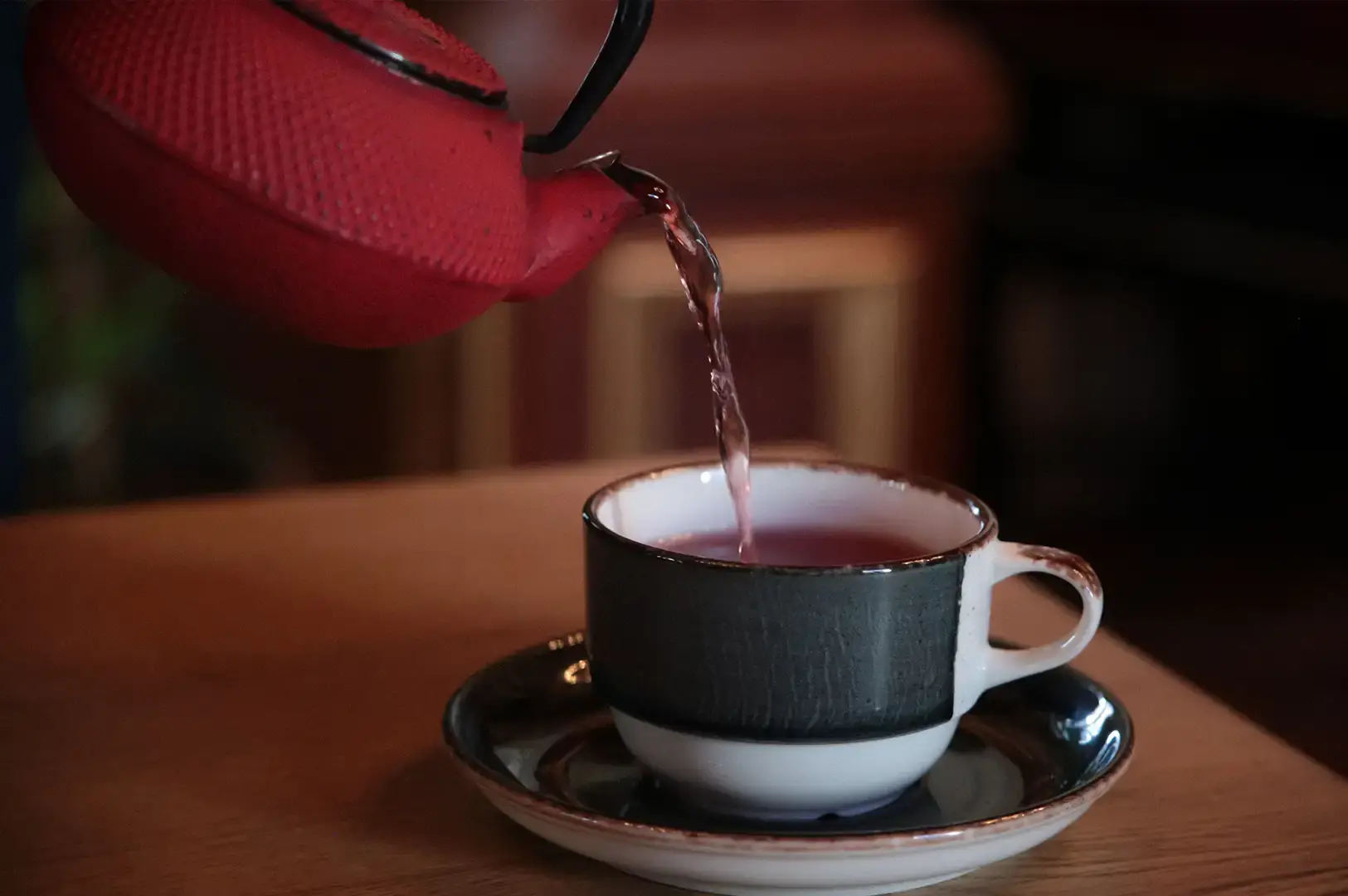
If you grew up in a Chinese family, you've heard it a hundred times.
Too much fried foods, spicy meals, or stress. A few sleepless nights. A sore throat creeping in. Someone, usually an elder, will look at you and say, "You're heaty."
Heatiness is one of those ideas that resists tidy translation. It's commonly associated with feeling overheated from the inside: dry mouth, a flush, sore throats, small ulcers, restlessness, headaches, or even cold hands. Not an illness exactly. More a sense that something has tipped too far.
And the answer, passed down through centuries of Chinese herbal medicine, is often a cup of something cooling.
This is the quiet logic behind so many traditional Chinese herbal formulas. The body drifts out of balance, and the tea is meant to gently nudge it back. It's less about curing and more about tending. A small daily act of keeping yourself even and supporting well being.
I won't pretend this is measured in a lab. It isn't. But it's real in the way that memory and habit are real, and it shapes how millions of people eat, drink Chinese herbal tea, and care for one another.
Balance as a Way of Living in Chinese Medicine: The Body's Yin and Health Benefits
The idea of balance in Chinese medicine runs deeper than any single cup.
It's a whole way of seeing the body, where health is less a fixed state and more a constant, gentle adjustment. Too hot, you cool with herbal tea. Too cold, you warm with ginger tea or black tea. Too dry, you moisten. The goal is never extremes. It's the middle.
Herbal teas fit neatly into that thinking. They're one of the softest tools for the job, easy to brew, easy to drink, woven into ordinary days rather than saved for emergencies.
What I find beautiful is how undramatic it all is. Nobody in my family treated these drinks as medicine on a shelf. They were just there. On the stove, lightly roasted or boiled. In the fridge in a recycled bottle. Offered without ceremony, the way you'd offer someone a seat.
The Chinese Herbs Themselves: Ingredients in Chinese Herbal Formulas
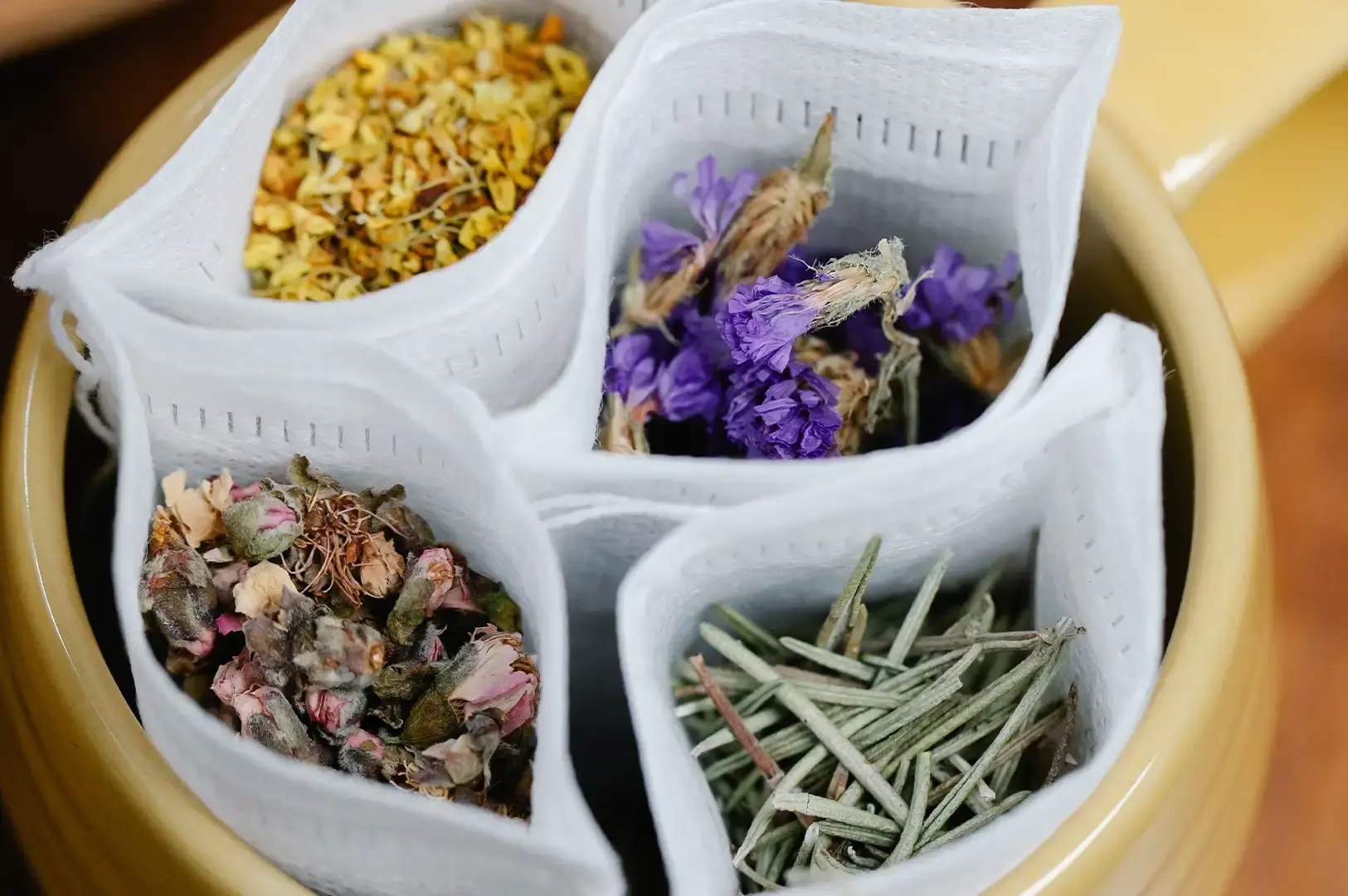
Every family has its own cupboard, its own blends, its own stubborn opinions. But certain ingredients turn up again and again in Chinese herbal tea shops and herbal tea stores.
Here are the ones I keep meeting, in kitchens and in cups:
- Chrysanthemum tea: dried yellow flowers, floral and light, one of the most beloved flower tea varieties and cooling teas.
- Luo han guo (monk fruit): a dark, round dried fruit with a deep natural sweetness.
- Barley: roasted, giving a toasty, comforting drink often taken plain.
- Hawthorn: tart and fruity, sometimes brewed after rich or fried foods to aid digestion.
- Red dates (jujube): small, sweet, warming, commonly added for body and gentleness.
- Goji berries: bright red, mildly sweet, scattered into countless brews.
- Licorice root: earthy and sweet at once, often used in small amounts to round out a blend.
- Honeysuckle: delicate and floral, another classic in the cooling family.
- Prunella vulgaris: known for antiviral abilities and reducing inflammation, often used in remedies for sore throats and headaches.
- Ginger: spicy and warming, used in ginger tea to aid digestion and balance cold symptoms.
None of these stand alone in any strict rulebook. They're mixed, matched, argued over, and adjusted by taste and by whoever's brewing. That flexibility is part of the culture. There's no single correct cup.
What Chinese Herbal Tea Actually Tastes Like: From Bitter to Sweet
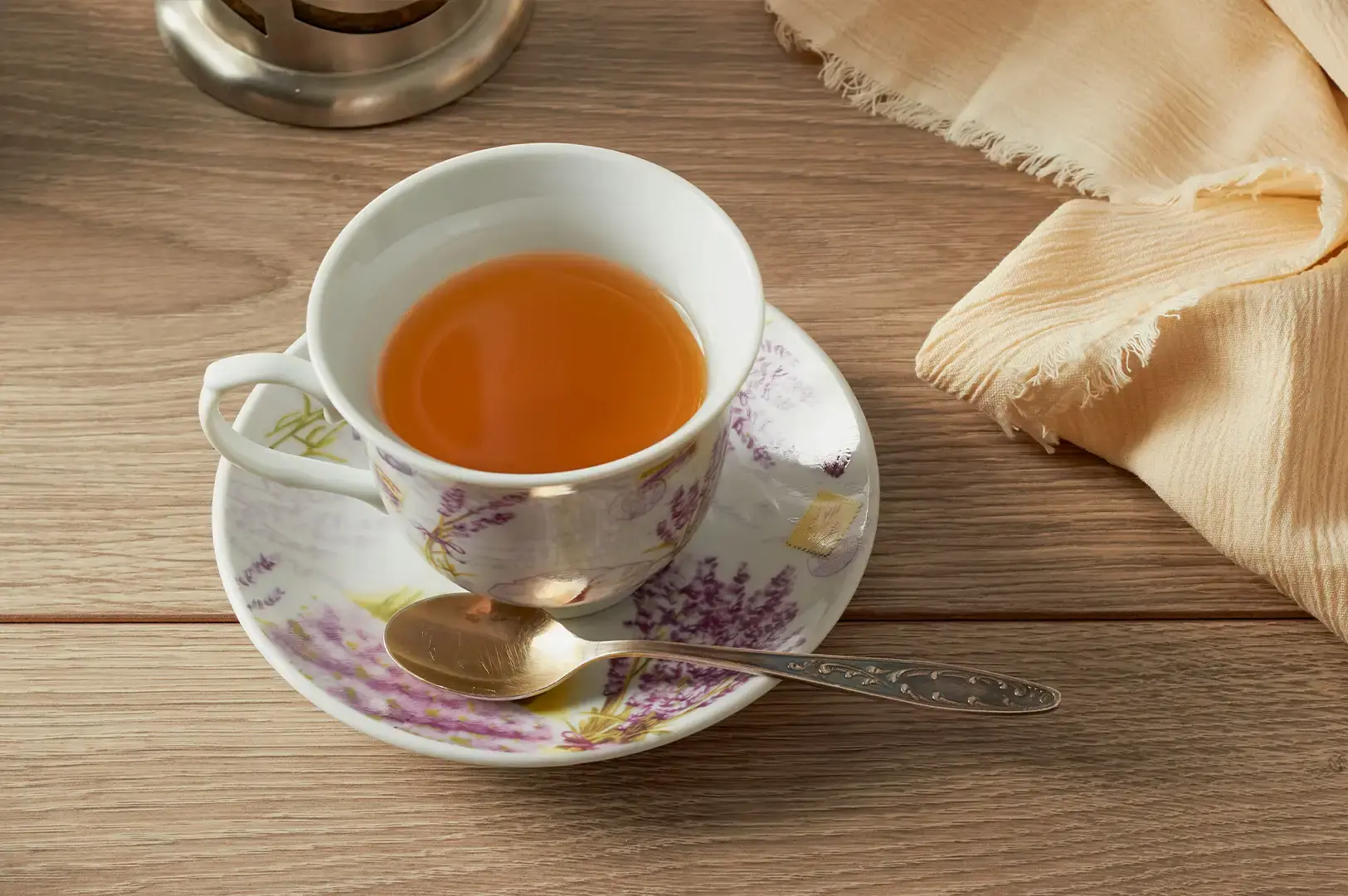
Let me be honest about the flavour, because this is where beginners often hesitate.
Some Chinese herbal tea is not immediately easy to love. That first bitter cup my grandmother gave me was not a gentle introduction. It was earthy, dark, faintly medicinal, the kind of taste that makes your shoulders tense before you swallow.
But not all of it is like that. Not even most of it. The flavour can vary depending on the specific herbs used and the combination of ingredients. For example, peppermint is sometimes added to provide a refreshing note that soothes the digestive system. Fresh herbs often soften the bitterness, making some brews more approachable.
Many herbal teas also support digestive health, helping with issues like constipation and promoting a balanced digestive system. Others are enjoyed for their benefits to the skin or for their calming effects, sometimes used alongside acupuncture treatments to enhance overall wellness.
Chinese herbal tea shops, especially those with long histories in regions like Guangdong and Hong Kong, offer a wide range of blends that customers select based on their needs and preferences. The experience is generally about finding the right balance, between cooling and warming, bitter and sweet, tradition and personal taste.
Chrysanthemum Tea, Cooling and Clear
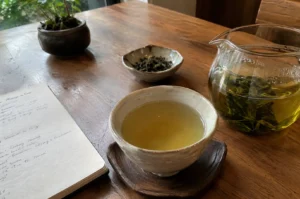
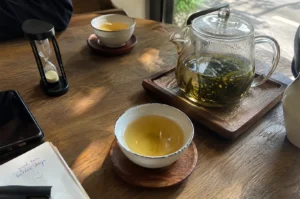
Brew chrysanthemum tea properly and it's one of the loveliest things you can drink.
The dried flowers open in hot water and release a light, floral aroma, almost honeyed. The colour turns a pale gold. The taste is soft, delicate, a little sweet if you add rock sugar or honey, and there's a genuine sense of cooling as it goes down. Not cold. Just clean, like the drink is settling something.
I drink it on hot days, or when I've eaten too much of the wrong foods, like fried foods or spicy meals. It always feels like a small apology to my own body.
Luo Han Guo and Other Sweet Herbal Teas
Luo han guo is the opposite of bitter, and it surprises people.
The dried fruit gives a dark brown brew with a deep, almost caramel sweetness, no sugar needed. There's an earthy note underneath, a hint of something lightly roasted. It's traditionally reached for when a throat feels dry or scratchy, and I understand why. It coats and soothes as you sip, warm and rounded.
The first time I made it myself, I couldn't believe a single dried fruit could sweeten a whole pot. It felt like a small kitchen magic.
Red Dates, Goji, and Gentle Warmth
Then there are the sweeter, warming brews.
Red dates and goji berries steeped together make a mild, comforting drink, faintly fruity, soft on the tongue. There's no bitterness to brace against. It's the kind of cup you hold with both hands late in the evening, more comfort than correction.
This is often the gateway for anyone new to Chinese herbal medicine. Start here, and the bitterer brews make more sense later.
Why Chinese Herbal Tea Is Never Only About Taste: The Emotional Balance and Well Being
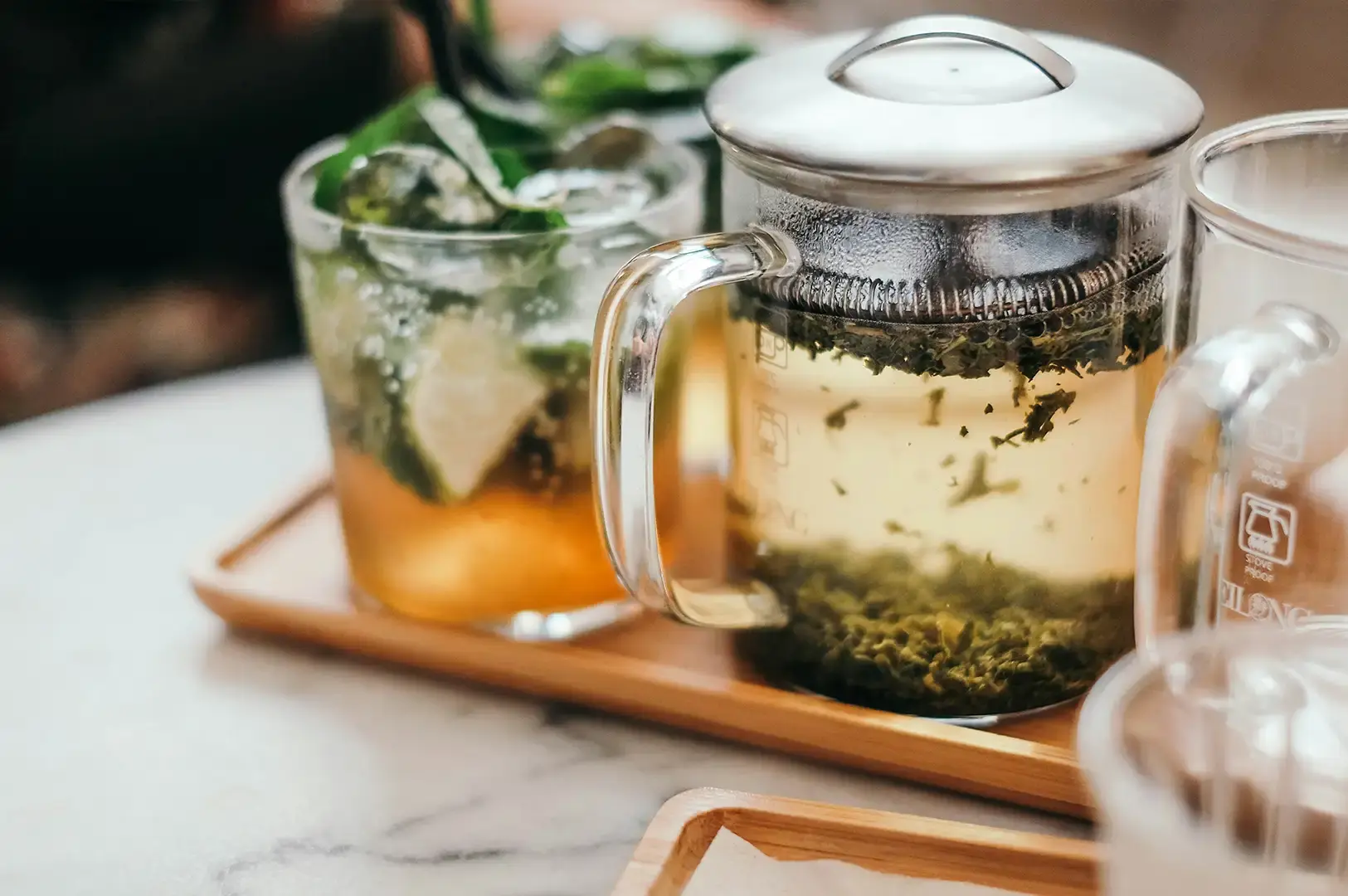
Here's the part I keep circling back to.
Chinese herbal tea has never been about flavour alone. If it were, half of it wouldn't survive a single generation. The bitter ones especially endure not because they're delicious, but because they mean something.
They carry belief. The quiet conviction, passed from elder to child, that this cup will help. They carry memory too. I cannot drink chrysanthemum tea without seeing my grandmother's kitchen, the chipped pot, the patient way she waited for me to finish.
And they carry care. When someone brews you a pot of leung cha, they're not offering a beverage. They're saying, in a language older than words, I noticed you weren't well. Sit down. Drink this.
The herbal tea benefits people talk about are often understood in Chinese medicine through this lens. Less as a list of outcomes, more as a gesture. A way of tending to each other.
How Families and Chinese Herbal Tea Shops Keep It Alive: Tradition and Change
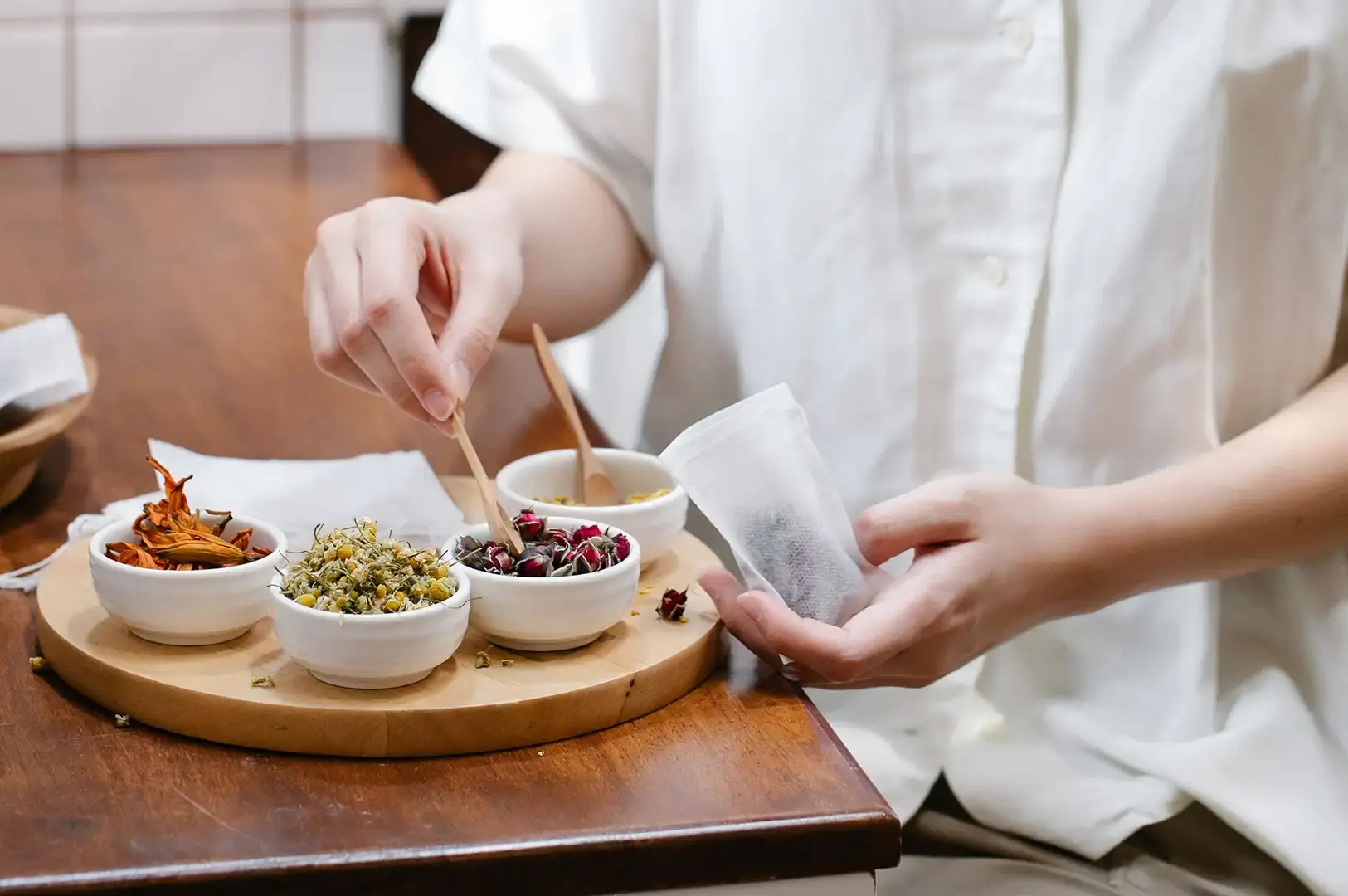
You don't learn this from a book. You learn it at the table and in Chinese herbal tea shops.
Tea shops and herbal drink stalls still line older neighbourhoods in China and beyond, ladling out dark cooling brews into cups. But the deeper teaching happens at home. A mother deciding the family needs something cooling after a week of fried foods. A grandfather insisting on his particular Chinese herbal formula, refusing all substitutions.
- Elders diagnose by instinct, reading your face and your week.
- Recipes travel by memory, rarely written down.
- Each household guards its own small variations.
- Children absorb it slowly, often only understanding decades later.
This is how Chinese tea culture actually survives. Not in grand ceremonies, but in these ordinary, repeated acts of care. A pot brewed without fanfare. A cup pressed into unwilling young hands.
A Cup Worth Meeting Properly: How to Drink Chinese Herbal Tea
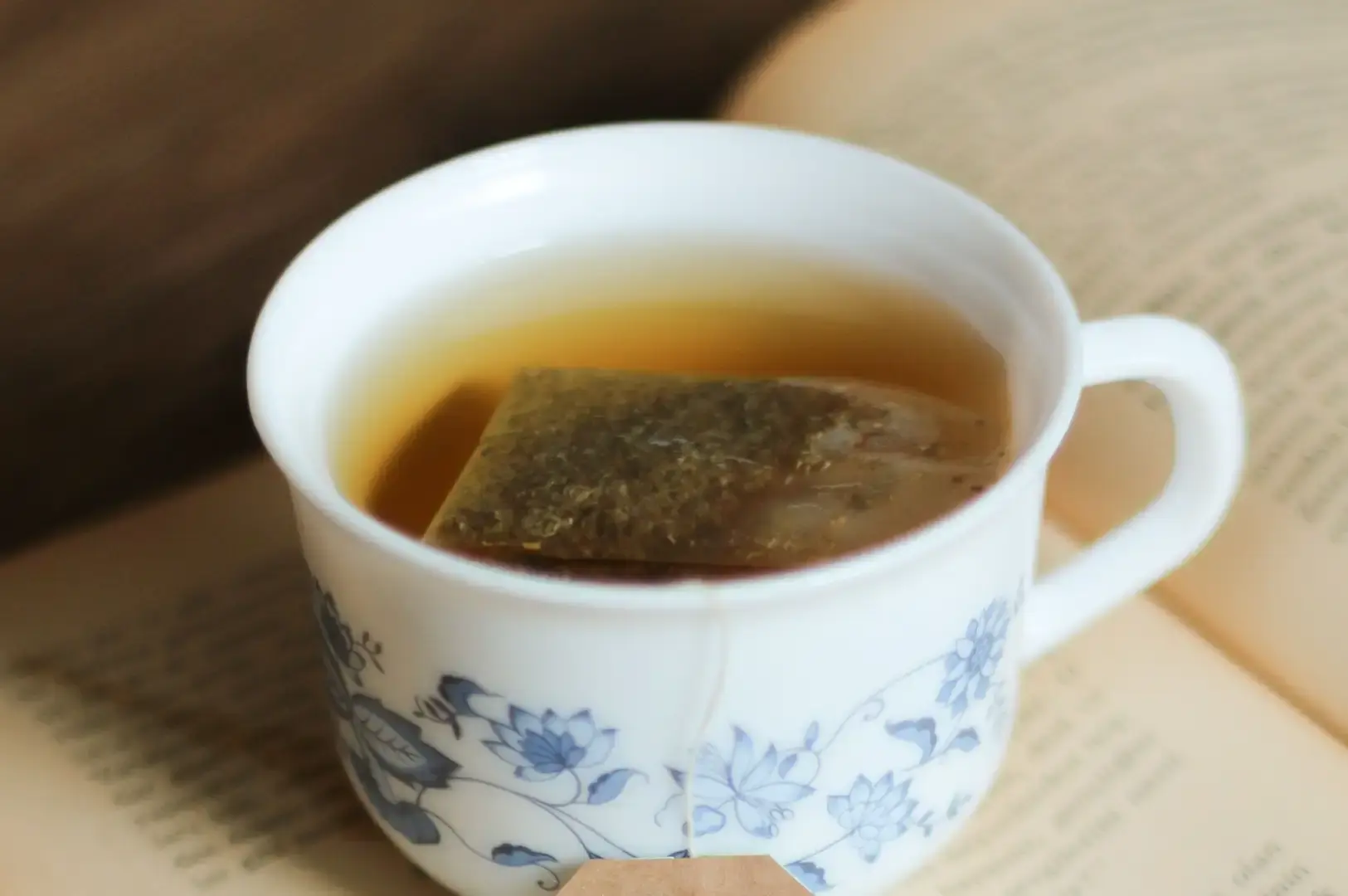
I've come to think of these drinks differently as I've gotten older.
That bitter cup I resisted at seven, I now understand. Not because I studied it, but because I finally caught what my grandmother was doing. She wasn't giving me a drink. She was teaching me to pay attention to myself, one uncomfortable sip at a time.
If you're new to Chinese herbal tea, I'd gently invite you in through the sweeter door. Try chrysanthemum tea with a little rock sugar or honey on a warm afternoon. Brew ginger tea when your digestion feels off or your body temperature feels low. Sit with red dates and goji late one evening for emotional balance and rest.
Not the taste. The tenderness underneath it.

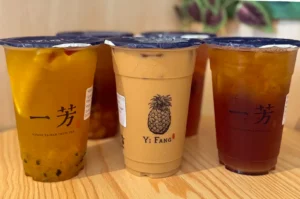
A Taste of Taiwan in Every Pour: Yi Fang Taiwan Fruit Tea
There are drinks that catch your eye before you even take a sip. A tall cup, fruit pressed gently against the plastic, tea glowing amber underneath. Something about it feels right for a warm afternoon. Light. A little cheerful. Easy to carry. But if you slow down for a moment, some of those cups have…
-
Your Tea Isn’t Bitter—You’re Overbrewing It (And It’s Not Your Fault)
There is a particular disappointment that comes from making a cup of tea that tastes bitter. You choose the leaves carefully. You heat the water. You wait. Then the first sip arrives, and something feels wrong. For a long time, I assumed bitterness meant the tea itself was not very good. Perhaps the leaves were…
-
When Tea Meets Tropical: 5 Fruit Teas in Singapore to Try
There’s a specific kind of Singapore afternoon. The air feels thick, your shirt clings a little, and every mall entrance feels like a reward. On days like that, I don’t want anything heavy. I want something cold, bright, and full of fruit, but still recognizably tea. That’s where fruit teas come in. In Singapore, they’ve…
-
Temperature Rules Are Overblown: The Real Brewing Variable Nobody Mentions
I used to think making tea required a thermometer. Not literally, perhaps, but almost. Every tea seemed to have a number attached to it. Green tea at this temperature. Oolong at another. Black tea a little hotter. Too hot and you had apparently ruined everything. For a while, I took these rules quite seriously. Then…
-
Afternoon Tea at Prada Caffè ION Orchard: A Green Room, a Pale-Blue Cup
Afternoon tea has always been about the pause for me. Not the tiers or the silverware. Just the moment when the cup is set down, the steam rises, and everything outside seems to slow a little. So I wondered what a pause would feel like inside a fashion house. One floor above Orchard Road, past…
-
A Love Letter to Oolong: The In-Between That Changed My Mind
I did not understand oolong when I first encountered it. It seemed unnecessarily complicated. Green tea was green tea. Black tea was black tea. I understood where they stood. Oolong seemed determined to remain somewhere in between. Perhaps that was what initially kept me from appreciating it. Over time, however, I began to realise that…
-
Tea from Assam: The Geography, Craft, and Character Behind the Brew
The colour arrives first. A deep amber that darkens towards red as the tea leaves give up their strength. Then comes the aroma. It is warm and rounded, often compared to malt or the crust of fresh bread. The first sip has weight. It fills the mouth with a rich body and leaves a slight,…
-
Why “No Bitterness” Is a Terrible Goal (And Makes Tea Boring)
I used to think a good tea was supposed to be smooth. No bitterness. No sharp edges. Nothing that made me pause and wonder whether I was doing something wrong. It seemed logical. We naturally gravitate toward things that are easy to enjoy. A tea that is sweet, gentle, and immediately comforting feels like a…
-
Best Tea Brands Singapore: 10 Names Worth Knowing
There’s a small sound I’ve always liked. It’s the soft knock of a teapot lid settling back into place, just before the first pour. It happens at home. It happens in old shophouses and in bright mall boutiques like those in Suntec City. The setting changes, but the pause stays the same. This list is…
-
“Rare” Tea Is Often Manufactured Scarcity: Here’s How to Tell
There is a word in tea that carries unusual power. Rare. It immediately creates curiosity. A rare harvest. A rare batch. A rare tree. A tea that may never return. The suggestion is simple: if something is difficult to obtain, it must be more valuable. Sometimes, this is true. Some teas are genuinely limited because…