The first sip was bitter.
I was maybe seven, and my grandmother had pressed a small ceramic cup into my hands, dark liquid inside, steam curling up between us. She didn't explain. She just said, "Drink. You've been too heaty."
I made a face. She didn't smile. She just waited until I finished.
Years later, I still taste that moment. Not the bitterness exactly, but what sat behind it. The idea that a drink could correct something in you. That it wasn't for pleasure, or thirst, or trend. It was for balance.
That is where herbal tea in Chinese culture begins, at least for most of us who grew up with it. Not in a menu, but in a kitchen. Not as a choice, but as care.
What "Herbal Tea" Actually Means in Chinese: Understanding Chinese Herbal Teas
Here's the first thing worth untangling.
When we say herbal tea in Chinese, we often aren't talking about tea in the strict sense. Real tea comes from one plant, Camellia sinensis, the tea plant behind green, black tea, and oolong. Most Chinese herbal teas contain none of it.
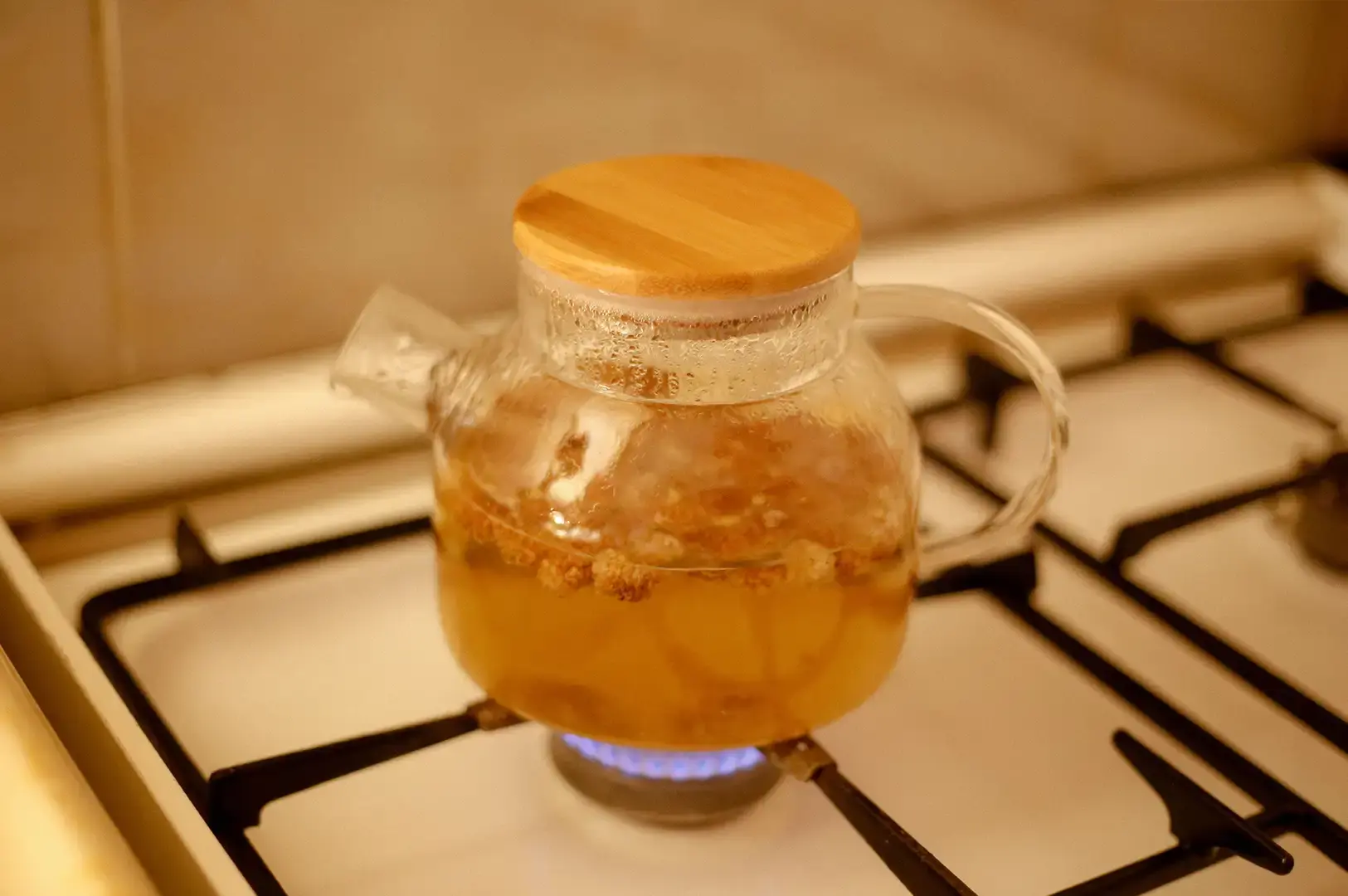
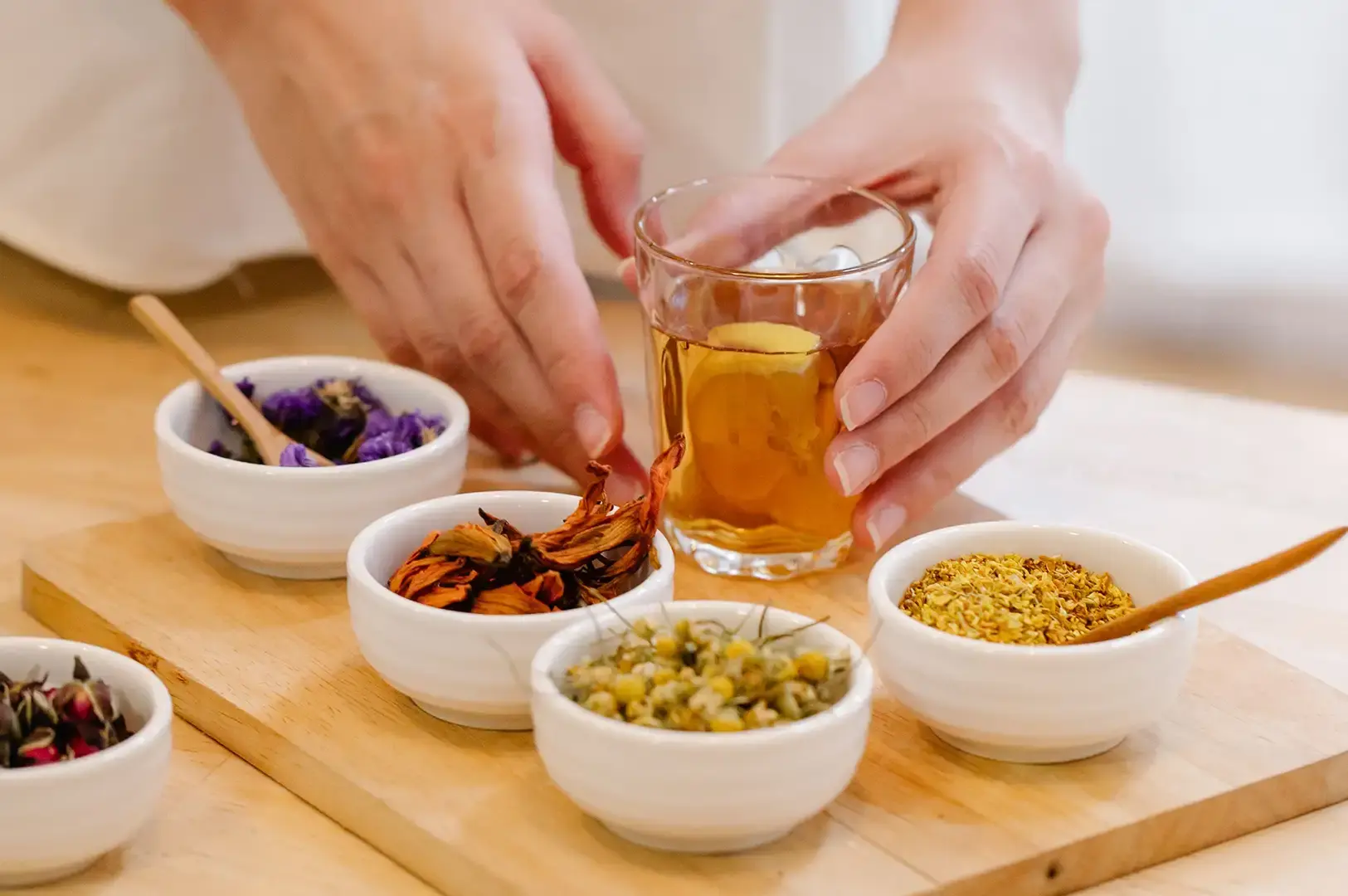
Instead, they're infusions of Chinese herbs, flowers, roots, fruits, and dried things gathered for reasons that go beyond flavour. The Cantonese call one whole family of these drinks leung cha, which translates loosely as cooling tea.
That word, cooling, is the key that unlocks everything else.
Cooling Tea and the Body's Yin: Not About Temperature
Cooling here has little to do with whether the drink is hot or cold. It's about what the drink is traditionally believed to do inside the body according to traditional Chinese medicine.
In Chinese medicine and food culture, foods and drinks are often understood as either warming or cooling. It's a way of reading how something sits in you, not a scientific measure. A cooling tea is one people reach for when they feel out of balance in a particular direction, often to restore the body's yin and soothe internal heat.
Which brings us to a word every Chinese household knows.
The Meaning of "Heatiness" and Emotional Balance in Chinese Medicine
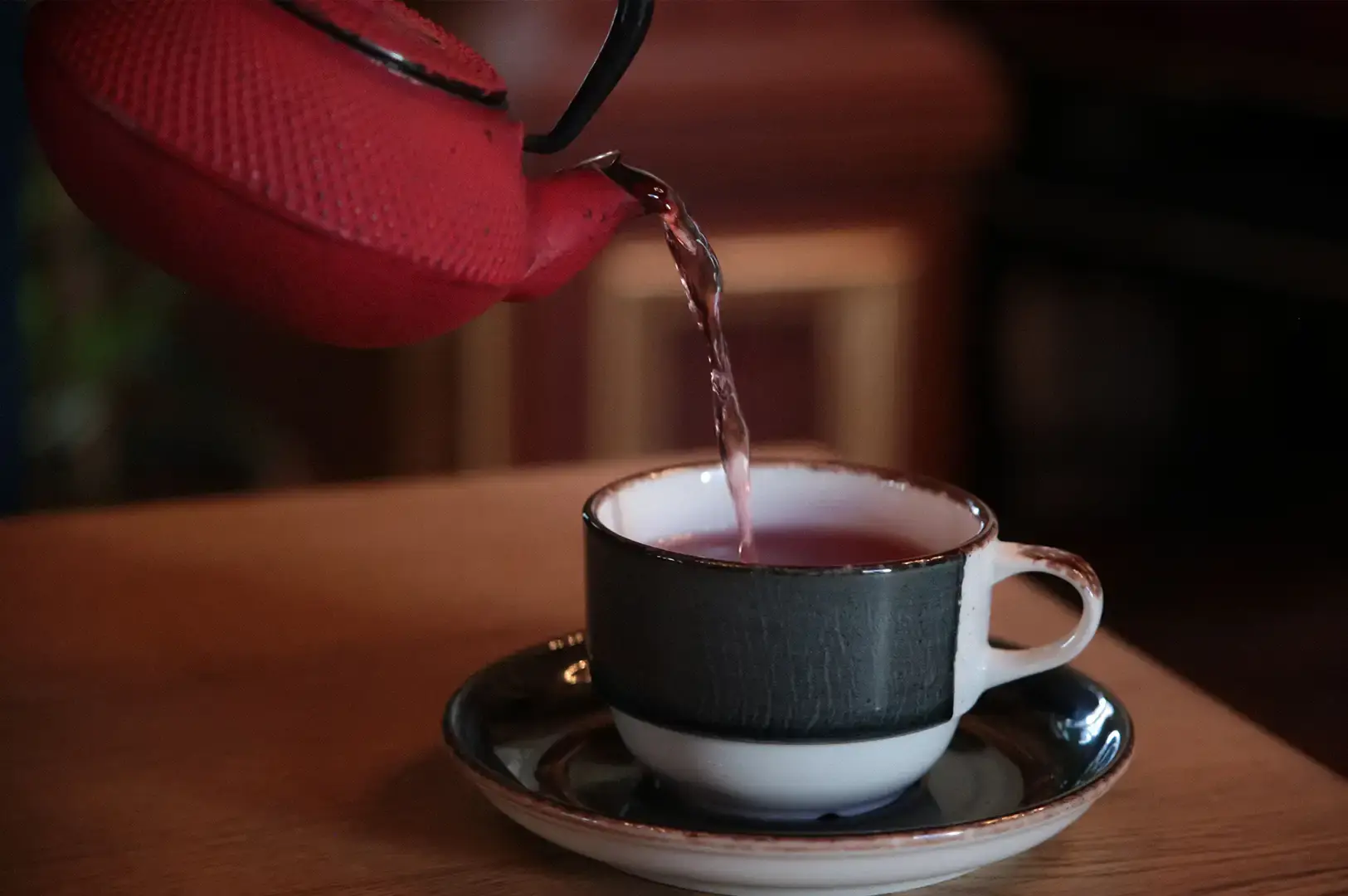
If you grew up in a Chinese family, you've heard it a hundred times.
Too much fried foods, spicy meals, or stress. A few sleepless nights. A sore throat creeping in. Someone, usually an elder, will look at you and say, "You're heaty."
Heatiness is one of those ideas that resists tidy translation. It's commonly associated with feeling overheated from the inside: dry mouth, a flush, sore throats, small ulcers, restlessness, headaches, or even cold hands. Not an illness exactly. More a sense that something has tipped too far.
And the answer, passed down through centuries of Chinese herbal medicine, is often a cup of something cooling.
This is the quiet logic behind so many traditional Chinese herbal formulas. The body drifts out of balance, and the tea is meant to gently nudge it back. It's less about curing and more about tending. A small daily act of keeping yourself even and supporting well being.
I won't pretend this is measured in a lab. It isn't. But it's real in the way that memory and habit are real, and it shapes how millions of people eat, drink Chinese herbal tea, and care for one another.
Balance as a Way of Living in Chinese Medicine: The Body's Yin and Health Benefits
The idea of balance in Chinese medicine runs deeper than any single cup.
It's a whole way of seeing the body, where health is less a fixed state and more a constant, gentle adjustment. Too hot, you cool with herbal tea. Too cold, you warm with ginger tea or black tea. Too dry, you moisten. The goal is never extremes. It's the middle.
Herbal teas fit neatly into that thinking. They're one of the softest tools for the job, easy to brew, easy to drink, woven into ordinary days rather than saved for emergencies.
What I find beautiful is how undramatic it all is. Nobody in my family treated these drinks as medicine on a shelf. They were just there. On the stove, lightly roasted or boiled. In the fridge in a recycled bottle. Offered without ceremony, the way you'd offer someone a seat.
The Chinese Herbs Themselves: Ingredients in Chinese Herbal Formulas
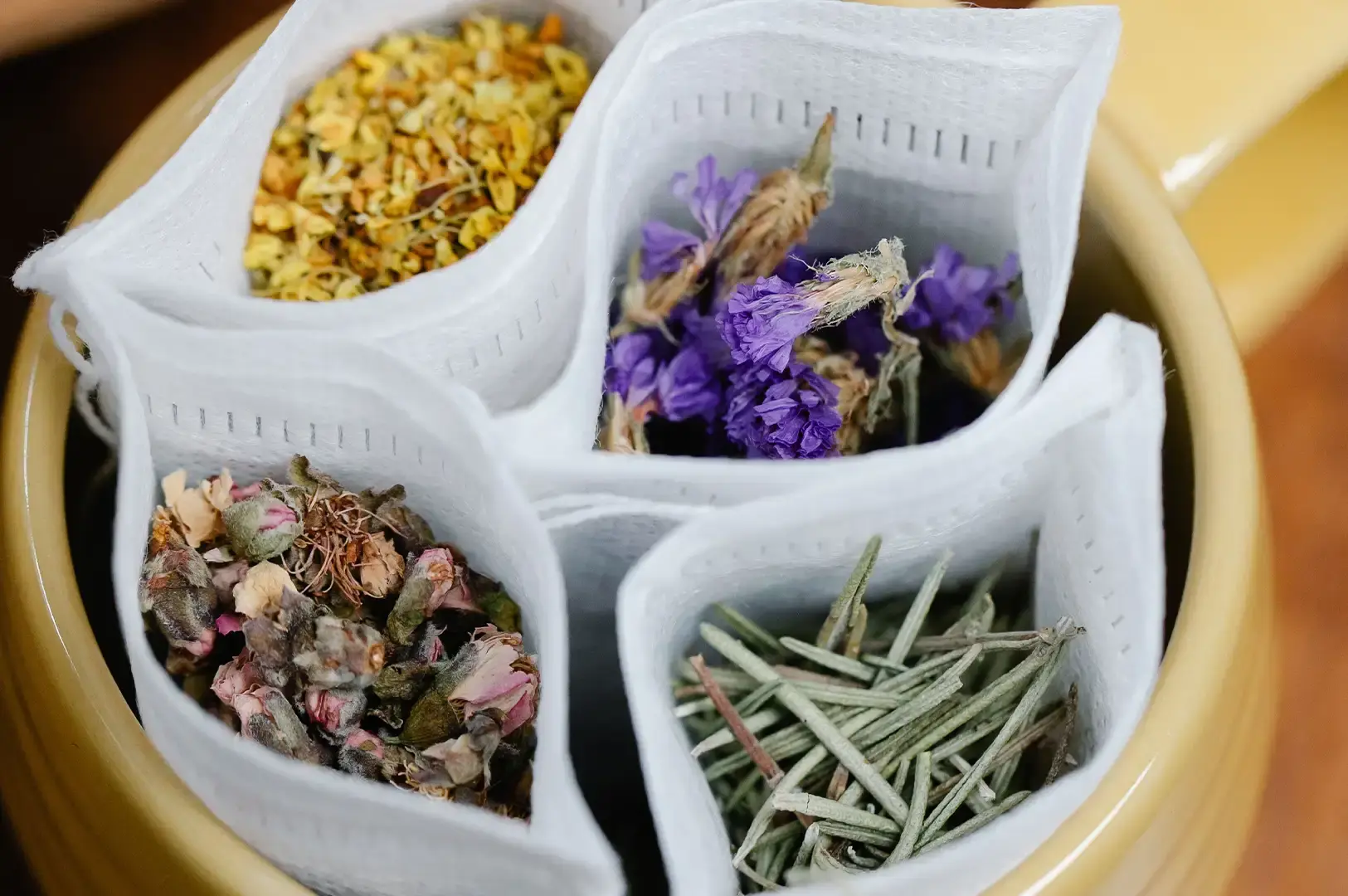
Every family has its own cupboard, its own blends, its own stubborn opinions. But certain ingredients turn up again and again in Chinese herbal tea shops and herbal tea stores.
Here are the ones I keep meeting, in kitchens and in cups:
- Chrysanthemum tea: dried yellow flowers, floral and light, one of the most beloved flower tea varieties and cooling teas.
- Luo han guo (monk fruit): a dark, round dried fruit with a deep natural sweetness.
- Barley: roasted, giving a toasty, comforting drink often taken plain.
- Hawthorn: tart and fruity, sometimes brewed after rich or fried foods to aid digestion.
- Red dates (jujube): small, sweet, warming, commonly added for body and gentleness.
- Goji berries: bright red, mildly sweet, scattered into countless brews.
- Licorice root: earthy and sweet at once, often used in small amounts to round out a blend.
- Honeysuckle: delicate and floral, another classic in the cooling family.
- Prunella vulgaris: known for antiviral abilities and reducing inflammation, often used in remedies for sore throats and headaches.
- Ginger: spicy and warming, used in ginger tea to aid digestion and balance cold symptoms.
None of these stand alone in any strict rulebook. They're mixed, matched, argued over, and adjusted by taste and by whoever's brewing. That flexibility is part of the culture. There's no single correct cup.
What Chinese Herbal Tea Actually Tastes Like: From Bitter to Sweet
Let me be honest about the flavour, because this is where beginners often hesitate.
Some Chinese herbal tea is not immediately easy to love. That first bitter cup my grandmother gave me was not a gentle introduction. It was earthy, dark, faintly medicinal, the kind of taste that makes your shoulders tense before you swallow.
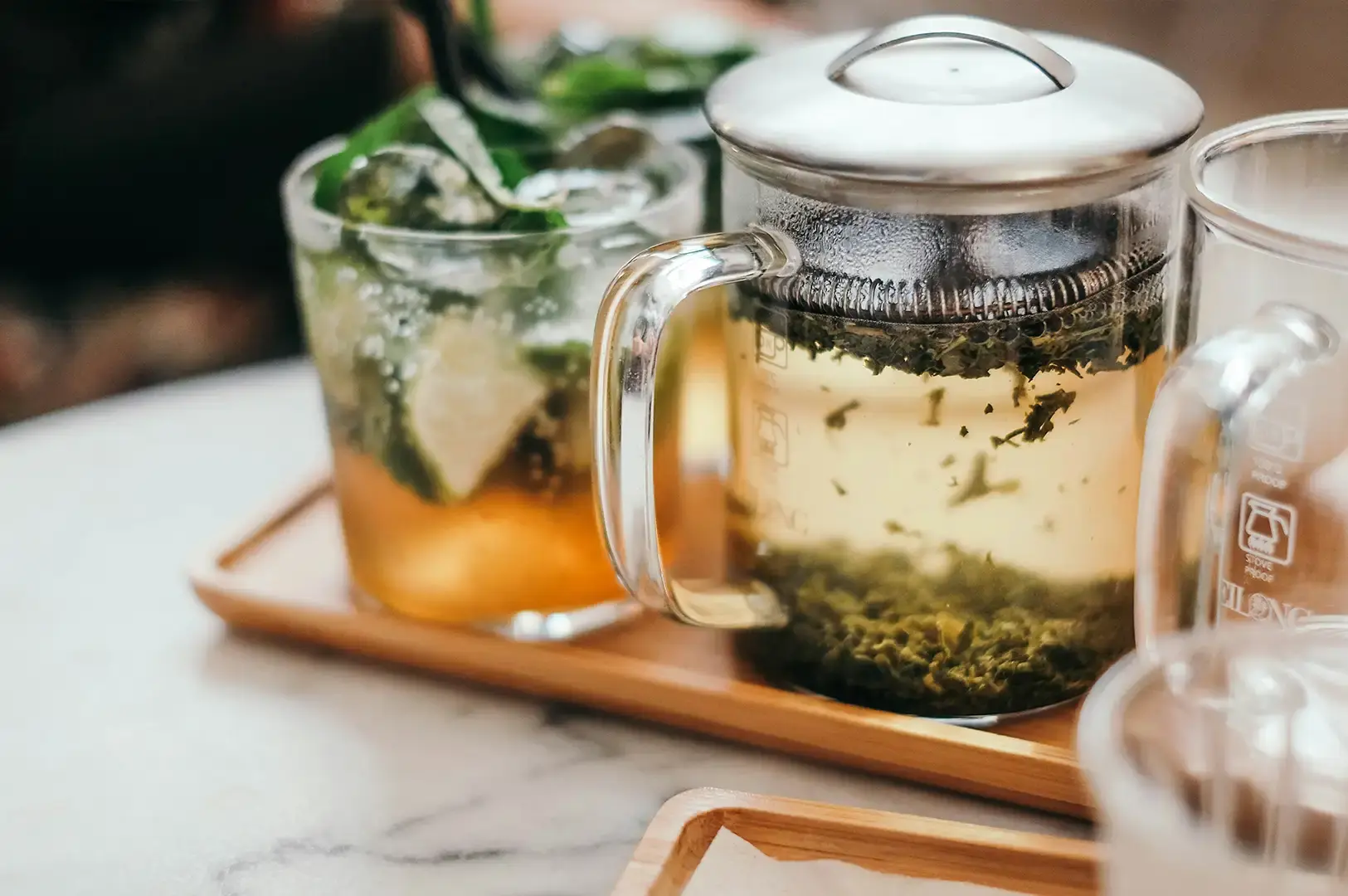
But not all of it is like that. Not even most of it. The flavour can vary depending on the specific herbs used and the combination of ingredients. For example, peppermint is sometimes added to provide a refreshing note that soothes the digestive system. Fresh herbs often soften the bitterness, making some brews more approachable.
Many herbal teas also support digestive health, helping with issues like constipation and promoting a balanced digestive system. Others are enjoyed for their benefits to the skin or for their calming effects, sometimes used alongside acupuncture treatments to enhance overall wellness.
Chinese herbal tea shops, especially those with long histories in regions like Guangdong and Hong Kong, offer a wide range of blends that customers select based on their needs and preferences. The experience is generally about finding the right balance, between cooling and warming, bitter and sweet, tradition and personal taste.
Chrysanthemum Tea, Cooling and Clear
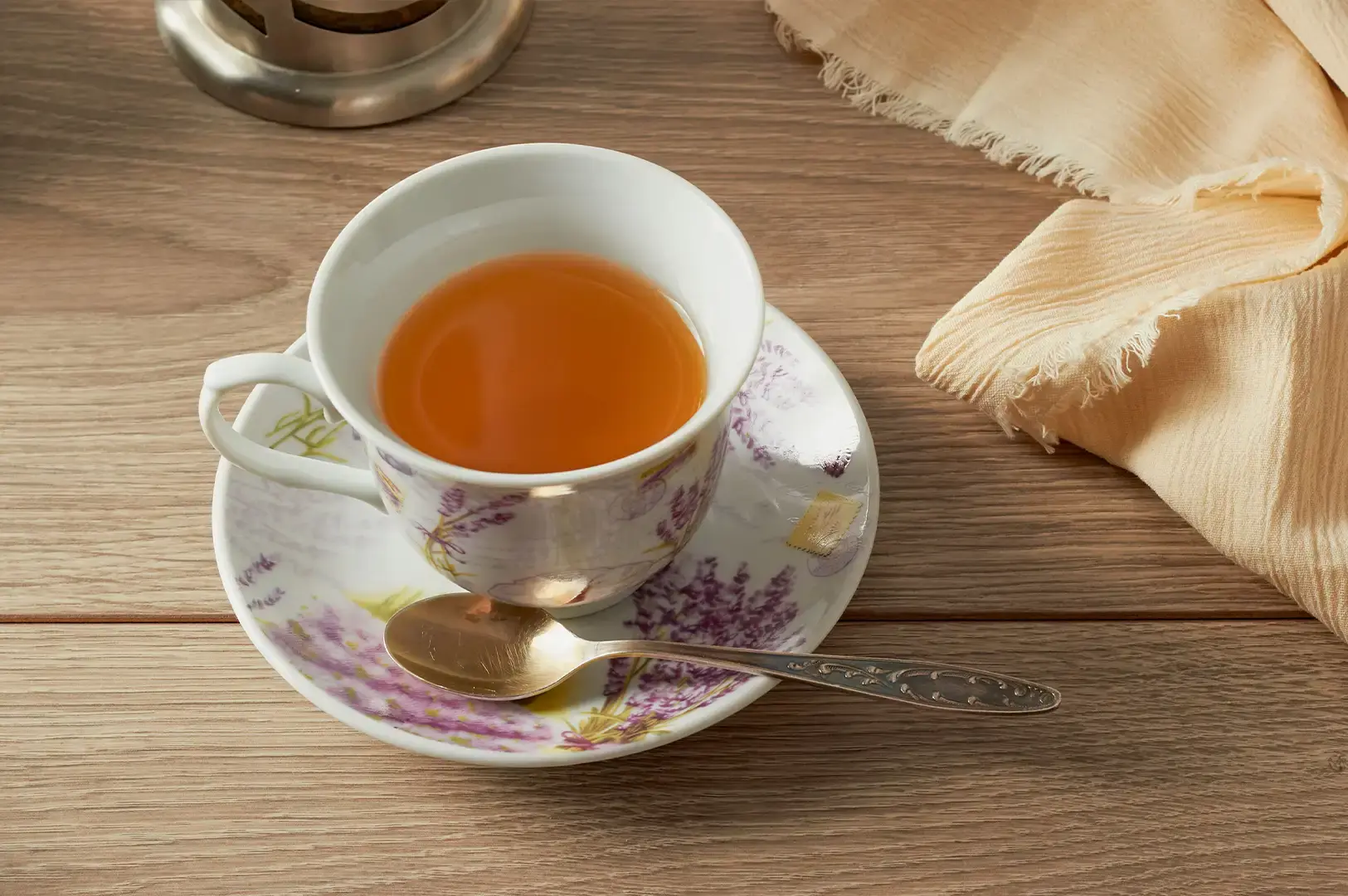
Brew chrysanthemum tea properly and it's one of the loveliest things you can drink.
The dried flowers open in hot water and release a light, floral aroma, almost honeyed. The colour turns a pale gold. The taste is soft, delicate, a little sweet if you add rock sugar or honey, and there's a genuine sense of cooling as it goes down. Not cold. Just clean, like the drink is settling something.
I drink it on hot days, or when I've eaten too much of the wrong foods, like fried foods or spicy meals. It always feels like a small apology to my own body.
Luo Han Guo and Other Sweet Herbal Teas
Luo han guo is the opposite of bitter, and it surprises people.
The dried fruit gives a dark brown brew with a deep, almost caramel sweetness, no sugar needed. There's an earthy note underneath, a hint of something lightly roasted. It's traditionally reached for when a throat feels dry or scratchy, and I understand why. It coats and soothes as you sip, warm and rounded.
The first time I made it myself, I couldn't believe a single dried fruit could sweeten a whole pot. It felt like a small kitchen magic.
Red Dates, Goji, and Gentle Warmth
Then there are the sweeter, warming brews.
Red dates and goji berries steeped together make a mild, comforting drink, faintly fruity, soft on the tongue. There's no bitterness to brace against. It's the kind of cup you hold with both hands late in the evening, more comfort than correction.
This is often the gateway for anyone new to Chinese herbal medicine. Start here, and the bitterer brews make more sense later.
Why Chinese Herbal Tea Is Never Only About Taste: The Emotional Balance and Well Being
Here's the part I keep circling back to.
Chinese herbal tea has never been about flavour alone. If it were, half of it wouldn't survive a single generation. The bitter ones especially endure not because they're delicious, but because they mean something.
They carry belief. The quiet conviction, passed from elder to child, that this cup will help. They carry memory too. I cannot drink chrysanthemum tea without seeing my grandmother's kitchen, the chipped pot, the patient way she waited for me to finish.
And they carry care. When someone brews you a pot of leung cha, they're not offering a beverage. They're saying, in a language older than words, I noticed you weren't well. Sit down. Drink this.
The herbal tea benefits people talk about are often understood in Chinese medicine through this lens. Less as a list of outcomes, more as a gesture. A way of tending to each other.
How Families and Chinese Herbal Tea Shops Keep It Alive: Tradition and Change
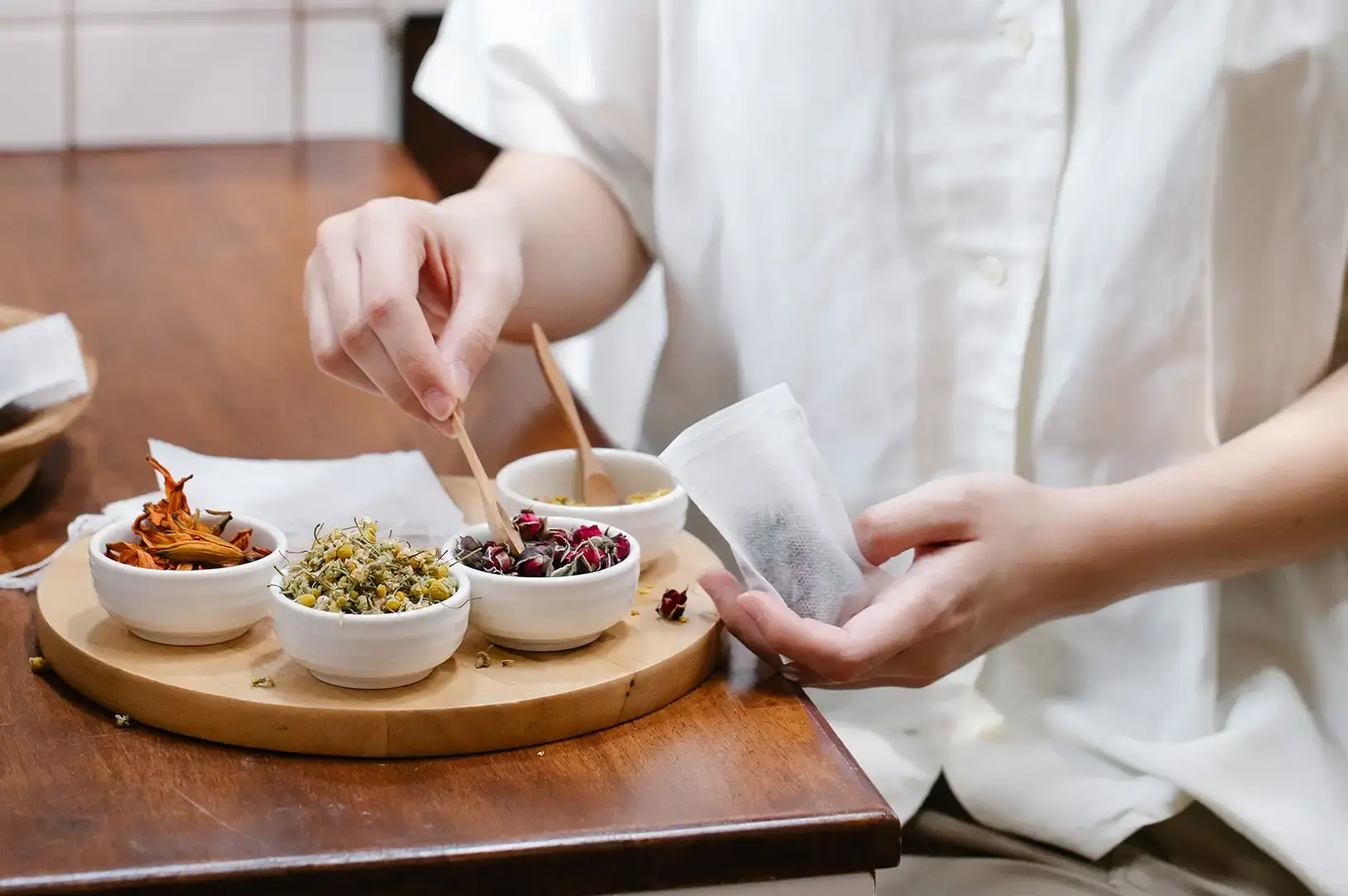
You don't learn this from a book. You learn it at the table and in Chinese herbal tea shops.
Tea shops and herbal drink stalls still line older neighbourhoods in China and beyond, ladling out dark cooling brews into cups. But the deeper teaching happens at home. A mother deciding the family needs something cooling after a week of fried foods. A grandfather insisting on his particular Chinese herbal formula, refusing all substitutions.
- Elders diagnose by instinct, reading your face and your week.
- Recipes travel by memory, rarely written down.
- Each household guards its own small variations.
- Children absorb it slowly, often only understanding decades later.
This is how Chinese tea culture actually survives. Not in grand ceremonies, but in these ordinary, repeated acts of care. A pot brewed without fanfare. A cup pressed into unwilling young hands.
A Cup Worth Meeting Properly: How to Drink Chinese Herbal Tea
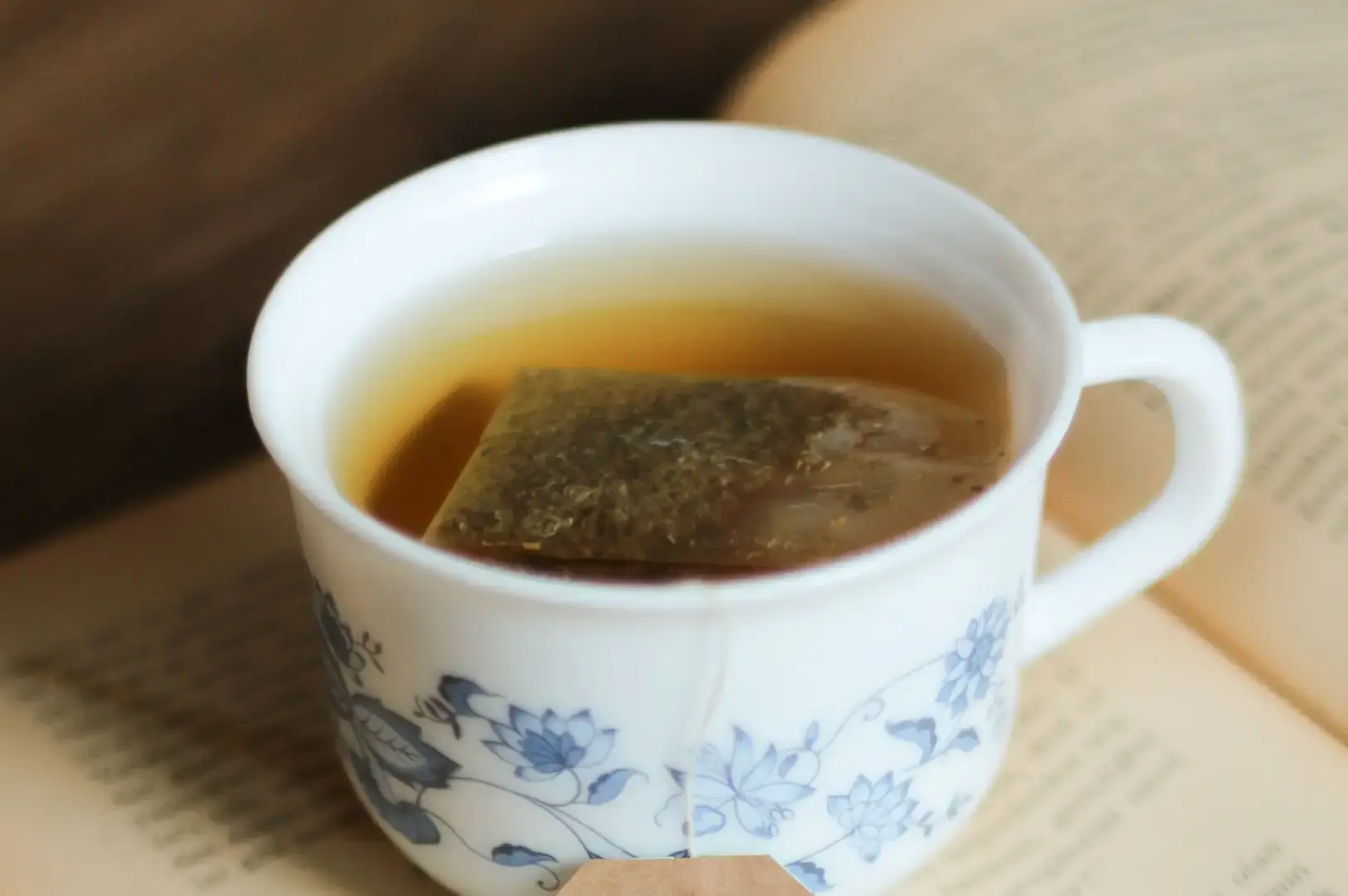
I've come to think of these drinks differently as I've gotten older.
That bitter cup I resisted at seven, I now understand. Not because I studied it, but because I finally caught what my grandmother was doing. She wasn't giving me a drink. She was teaching me to pay attention to myself, one uncomfortable sip at a time.
If you're new to Chinese herbal tea, I'd gently invite you in through the sweeter door. Try chrysanthemum tea with a little rock sugar or honey on a warm afternoon. Brew ginger tea when your digestion feels off or your body temperature feels low. Sit with red dates and goji late one evening for emotional balance and rest.
Not the taste. The tenderness underneath it.

Hear Me Out, Tea Does Not Need to Be Serious All the Time
There is something I have noticed about tea culture. We take tea very seriously. Perhaps too seriously. We discuss origins, processing methods, brewing temperatures, and the history behind every leaf. We debate whether a tea should be enjoyed in a certain way. We carefully consider the correct vessel, the right water, and the ideal environment….
-
Red Bush Tea: The Tea That Does Not Need to Shout
There is a red pot in my mother’s kitchen that only comes out in the evening. By then the coffee has done its work and gone quiet. The day has loosened. She fills the kettle, drops in a spoonful of something the colour of dried autumn, and lets it sit while she tidies the last…
-
Hear Me Out: High Tea Is Overrated
Hear me out: high tea is one of the most convincing ways we have found to make snacking feel important. I understand the appeal. The room is polished, the cups are delicate, and everything arrives in miniature. There is something satisfying about sitting down in the middle of the afternoon and behaving as though time…
-
Where Tea Is Given Time to Speak: Anteasocial Review
I almost walked past it. Owen Road Singapore doesn’t announce much. A quiet stretch, low buildings, the kind of road you pass through on the way to somewhere louder. Then there it was, unassuming, just numbers on a wall: 117. Anteasocial is a contemporary Oriental specialty teahouse in Singapore, and if you’re looking for a…
-
A Table Set for Stillness: Inside Antea Social’s Quiet Tea Ritual
Luxury usually announces itself before we have time to question it. It arrives through marble lobbies, silver stands and tiny sandwiches placed in strict formation. Antea Social offers a quieter argument. This is not afternoon tea in the familiar hotel sense. There is no grand procession of pastries or waiter lifting a polished lid. Instead,…
-
9 High Tea in Orchard Places for Scones, Tea, and a Quiet Afternoon
There is a particular kind of tiredness that comes from Orchard Road. Not the tiredness of a hard day, but the softer sort, the ache of too many shopfronts, too much bright glass, too many people moving faster than you feel like moving. And somewhere in the middle of all that, if you know where…
-
High Tea Orchard: Why the City Still Does It Best
It is easy to dismiss high tea in Orchard as an expensive pause between shopping bags. The tiered stands are photogenic, the hotel lounges polished, and the prices increasingly difficult to defend. ome scones arrive dry. Some savouries feel like banquet food made miniature. Some desserts are designed more for cameras than appetite. Still, Orchard…
-
McDonald’s Queensway Ridout Tea Garden Review: What It Is Like Dining in a Heritage Setting
I did not expect to find quiet at a McDonald’s Queensway Ridout Tea Garden outlet. But there I was, standing outside the McDonald’s outlet at 580 Queensway, listening to the water instead of the traffic. A much loved pond sat just beyond the glass, surrounded by stone lanterns and trees leaning over it. Somewhere behind…
-
Understanding Tea Beyond the Cup
Tea is deceptively simple. A cup of hot water and leaves. And yet, it carries centuries of culture, craftsmanship, and subtlety that many of us may overlook. As tea lovers, we often focus on taste, aroma, or ritual, but there is more beneath the surface. Take the leaves themselves. Different cultivars, growing regions, and harvest…
-
Clifford Pier High Tea Review: Local Flavours by the Waterfront
I went looking for a building that no longer serves tea. The Clifford Pier still stands where it always has, at the edge of Marina Bay, its old timber trusses arching overhead like the ribs of something patient. But when I arrived, hoping to relive a Heritage Afternoon Tea I’d taken there years ago, I…