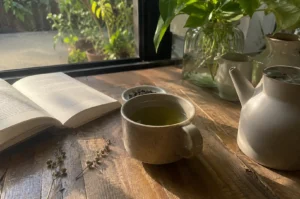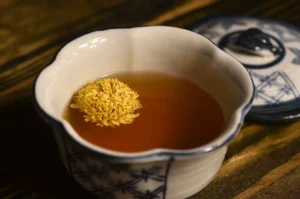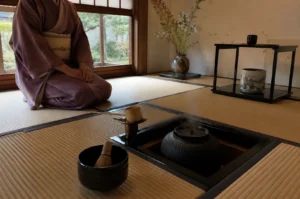
Imagine cupping your hands around a warm mug, inhaling the sweet, floral scent of chamomile tea or the invigorating peppermint tea aroma from the peppermint plant. As you take the first sip, you feel a sense of calm and comfort wash over you. This soothing experience is the magic of herbal teas, a diverse and ancient category of beverages that has nourished and healed cultures for millennia.
Herbal tea is cherished as a soothing, health-supporting drink, offering more than just refreshment—it’s a ritual that brings relaxation and well-being with every cup.
What Are Herbal Teas? Understanding Herbal Tea and True Teas
So, what makes an herbal tea different from the green tea, black tea, or oolong teas you might be familiar with? The answer lies in the tea leaves and plant parts used.
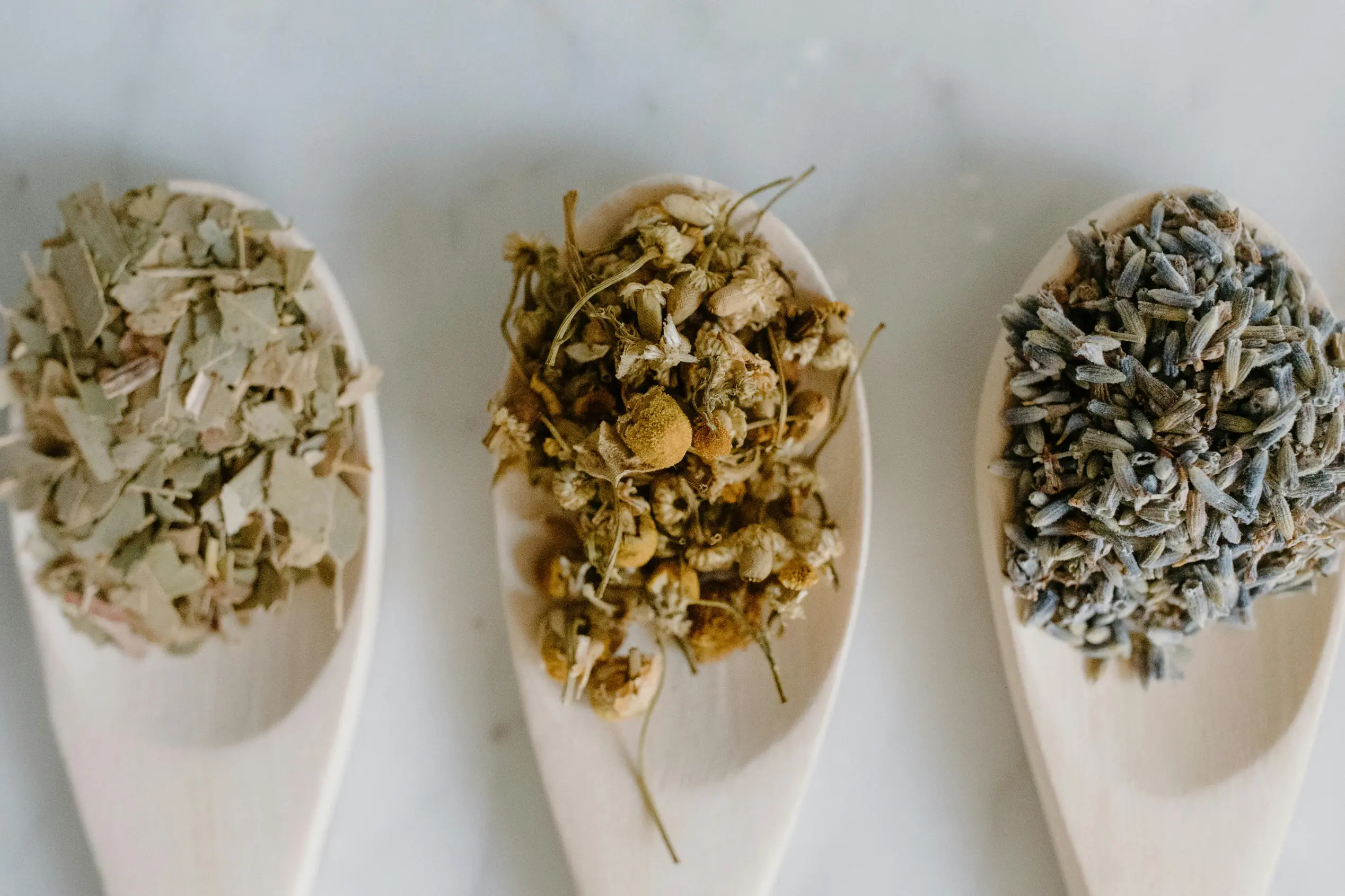
True teas all come from a single plant species: Camellia sinensis. Herbal teas, on the other hand, are made from an almost infinite variety of other botanicals. The correct term for these beverages is herbal tisanes or infusions. They are created by steeping ingredients like:
- Flowers: chamomile, hibiscus flowers, lavender, rose hips
- Leaves: peppermint tea leaves, lemon balm tea leaves, rooibos tea leaves
- Roots: ginger tea roots, turmeric, valerian
- Fruits: berries, citrus peel, apple pieces—fruit not only adds natural flavor and nutritional value, but it is important to use only safe, edible fruit to ensure health benefits and avoid potential toxicity
- Spices: cinnamon, cardamom, cloves, seeds
Herbal teas are often made by combining flowers, leaves, roots, fruit, and other herbs. When blending different botanicals, it is important to be aware of potential interactions or contaminants to ensure safety and quality.
Popular Herbal Teas and Their Unique Health Benefits
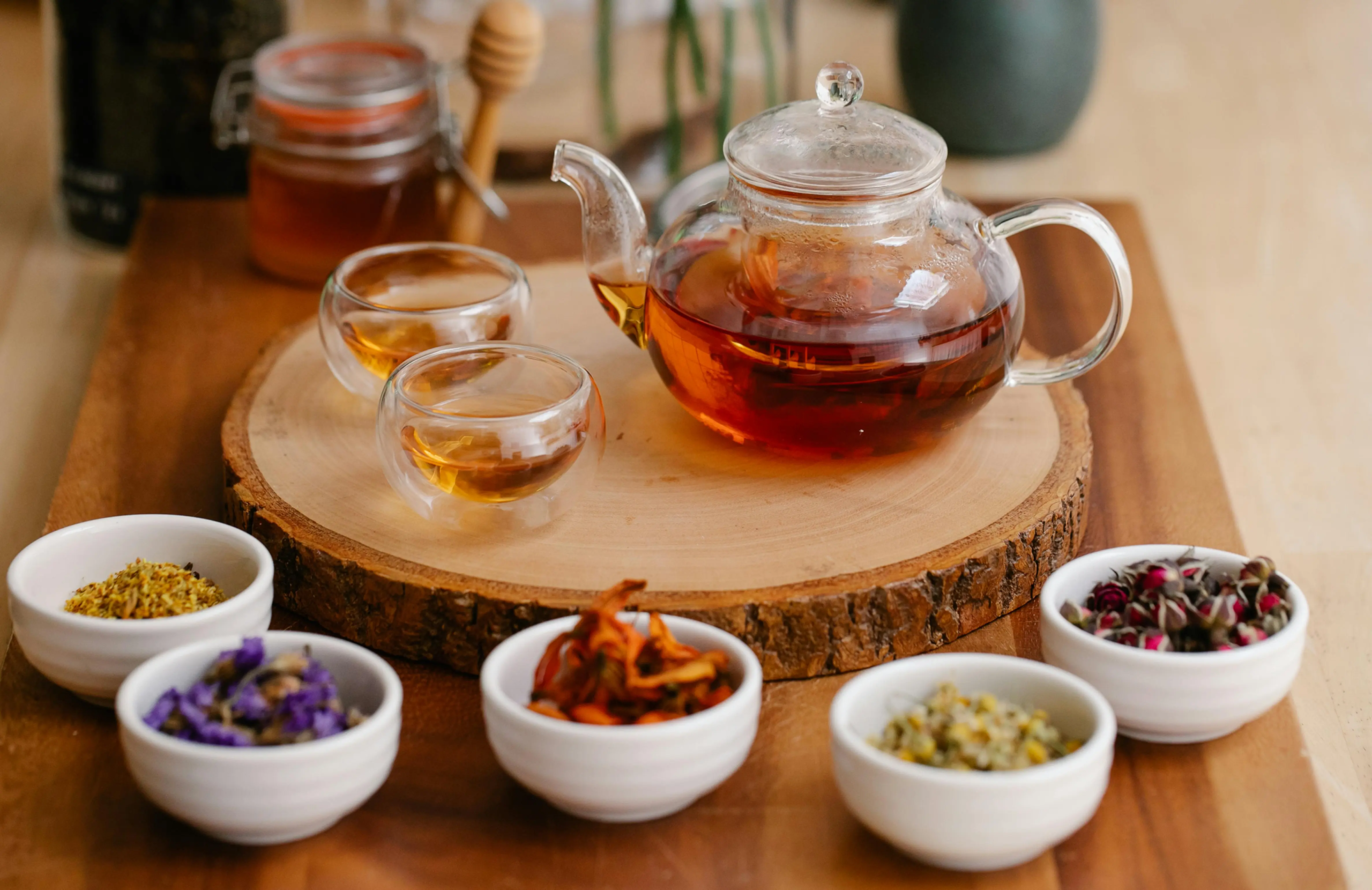
The world of herbal teas is vast, but a few beloved classics have earned their place in tea lovers’ cupboards around the globe.
Some herbal teas, such as those containing hibiscus or rose hips, are also valued for their ability to promote healthy, glowing skin. These teas help hydrate, purify, and provide antioxidants that support overall skin health and radiance.
Chamomile Tea—The Calming Classic with Soothing Aroma
With its delicate, apple-like sweetness and soothing properties, chamomile tea is the quintessential bedtime herbal tea. Traditionally used for centuries as a folk remedy for relaxation, modern research suggests its gentle sedative effects can help promote restful sleep and reduce stress. It’s a hug in a mug, perfect for unwinding after a long day.
Peppermint Tea—Refreshing and Digestive
The cool, invigorating aroma of peppermint tea is unmistakable. Made from fresh peppermint plant leaves, this refreshing herbal tea has long been used to soothe digestive discomfort, ease tension headaches, and provide a natural burst of energy without caffeine. A cup after a heavy meal can feel wonderfully settling and cleansing, improving blood flow and digestion.
Ginger Tea—Warming Wellness in a Cup
Spicy, pungent, and deeply warming, ginger tea root has been a cornerstone of traditional medicine in the Middle East and Asia for thousands of years. Known for its ability to quell nausea and aid digestion, ginger tea also boasts powerful anti-inflammatory antioxidants. It’s the perfect wellness tonic to sip when you’re feeling under the weather or simply need a comforting, spicy kick.
Hibiscus Tea—Tart, Vibrant, and Heart-Healthy Red Tea
Brewing into a stunning ruby-red liquor, hibiscus tea made from hibiscus flowers has a tart, cranberry-like flavor that is delicious both hot and iced. Packed with antioxidants and minerals, it’s traditionally used to support cardiovascular health and overall well being. Studies have shown that regular consumption may help maintain healthy blood pressure levels.
Rooibos Tea—South Africa’s Caffeine-Free Treasure
Pronounced “roy-boss,” this red tea from South Africa is a caffeine free treasure. It has a naturally sweet, nutty flavor and is rich in unique antioxidants. Unlike many herbs, rooibos tea is robust enough to be enjoyed with milk and sugar, making it a wonderful alternative to black tea for tea lovers seeking variety.
The Cultural Heritage of Herbal Teas
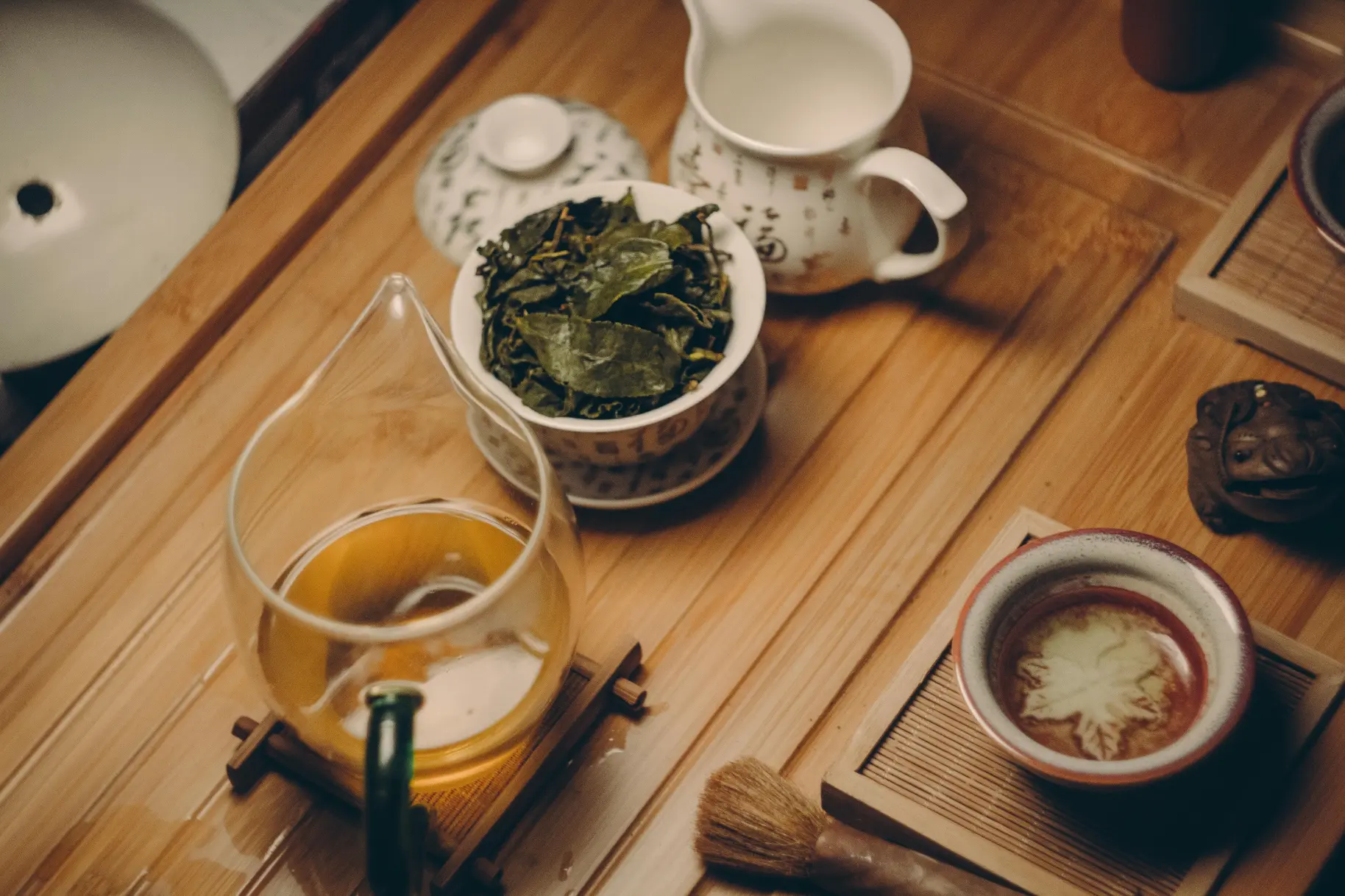
Long before the rise of modern medicine, cultures around the world relied on the healing power of plants. Herbal teas were the original wellness beverages.
- Traditional Chinese Medicine (TCM): In TCM, herbal infusions are prescribed to balance the body’s qi (life energy). Ingredients like goji berries, chrysanthemum, and licorice root are used to address specific health concerns, from improving eyesight to nourishing the liver.
- Ayurveda: India’s ancient system of medicine uses herbal teas to balance the three doshas (body energies). Blends featuring turmeric, tulsi (holy basil), and ginger are used to reduce inflammation, boost immunity, and promote overall vitality.
- European Folk Remedies: For centuries, Europeans have foraged for herbs like chamomile, peppermint, and lemon balm to create tisanes for common ailments like indigestion, insomnia, and anxiety. These traditions were passed down through generations, forming the basis of Western herbalism.
- Native Americans: Indigenous peoples of North America used herbal teas made from local plants such as yerba mate and echinacea for healing and ceremonial purposes.
Drinking herbal teas is often a daily ritual in many cultures, supporting both health and social connection.
Today, this ancient wisdom is being revived as tea lovers seek natural, holistic approaches to health. Contemporary tea culture now embraces these traditions, blending them into new and exciting herbal tea experiences.
To discover more cultural heritage of best tea houses, click here for a diverse currated list.
Brewing the Perfect Cup: Tips for Loose Leaf Teas and Tea Bags
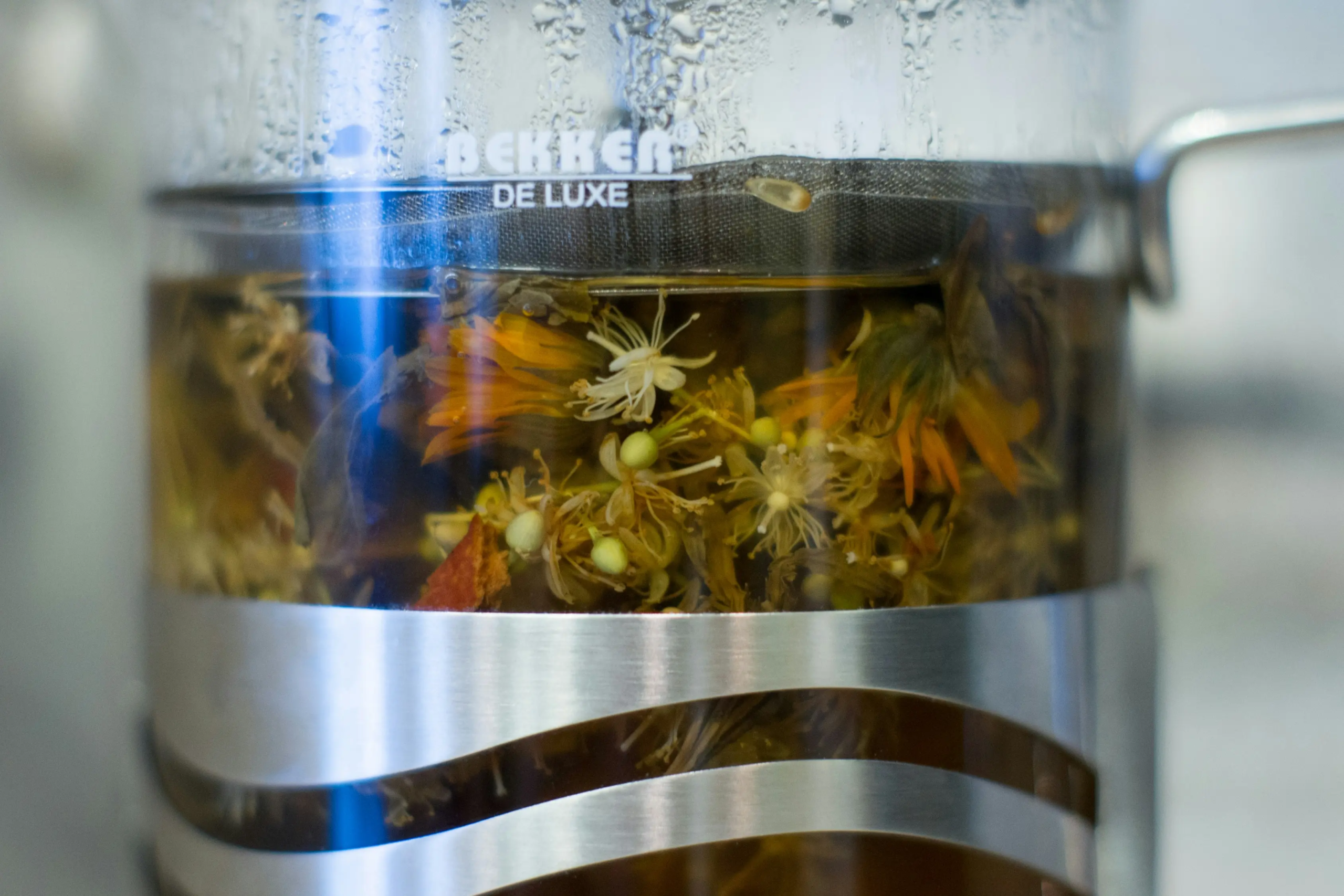
One of the best things about herbal teas is how forgiving they are to brew. However, a few guidelines can help you get the most out of your botanicals and enjoy the perfect tea experience. Herbal teas can be brewed using traditional methods to extract optimal flavor and health benefits.
- Water Temperature: Unlike delicate green tea, most herbal infusions can handle boiling hot water (100°C or 212°F). This high heat is needed to extract the flavors, natural oils, and beneficial compounds from tough roots, seeds, and dried flowers, and helps the botanicals become fully infused, releasing their rich aromas and nutrients.
- Steeping Time: Herbal teas benefit from a longer steep. A general rule of thumb is 5-10 minutes. Feel free to experiment—a longer steep will result in a stronger, more robust taste, and infusing the plant parts for the recommended time maximizes both flavor and benefits.
- Fresh vs. Dried: Both fresh and dried herbs can be used. If using fresh herbs, you’ll need about twice the amount as dried herbs to achieve the same flavor intensity.
- Tea Utensils: Using tea strainers or infuser baskets with loose leaf teas allows you to easily brew and remove the plant parts. Glass teapots are also wonderful, as they allow you to watch the beautiful colors and aromas develop. Tea bags are convenient but may limit the full flavor release of loose leaves. To prepare a soothing peppermint tea drink, simply steep a tea bag in hot water, allowing the flavors and beneficial compounds to be infused as you enjoy the aroma.
Herbal Tea Blends: Creative Combinations for Every Mood
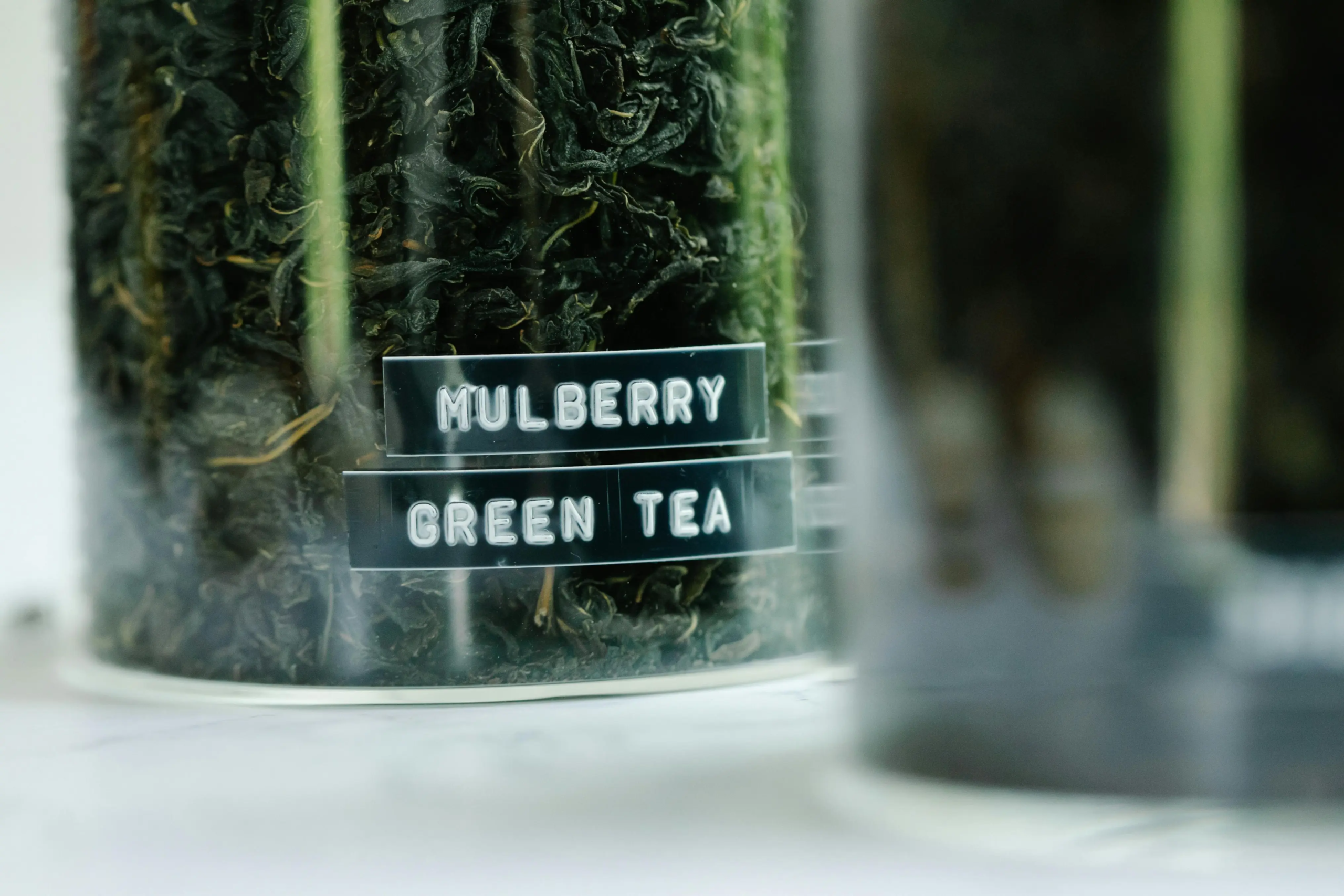
Part of the fun of herbal teas is creating your own unique tea blends. By understanding how different flavors and properties work together, you can craft a blend perfectly suited to your taste and well being. Many herbal teas are blended with other herbs, spices, or flavorings to create unique aromas and flavors, such as jasmine or Earl Grey.
- For Relaxation: Try blending chamomile tea with lavender and a touch of lemon balm tea for a calming infusion with a soothing aroma.
- For Digestion: A classic trio of peppermint tea, ginger tea, and fennel seed works wonders for digestion and refreshment.
- For an Immunity Boost: Combine echinacea with elderberry, ginger, and a slice of orange for a vitamin-packed, antioxidant-rich brew.
When pairing ingredients, think about balance. A strong flavor like ginger can be balanced with the sweetness of cinnamon or the brightness of citrus peel. A floral note like rose hips can be grounded with an earthy herb like rooibos tea.
Health Benefits of Herbal Teas: What Science Says
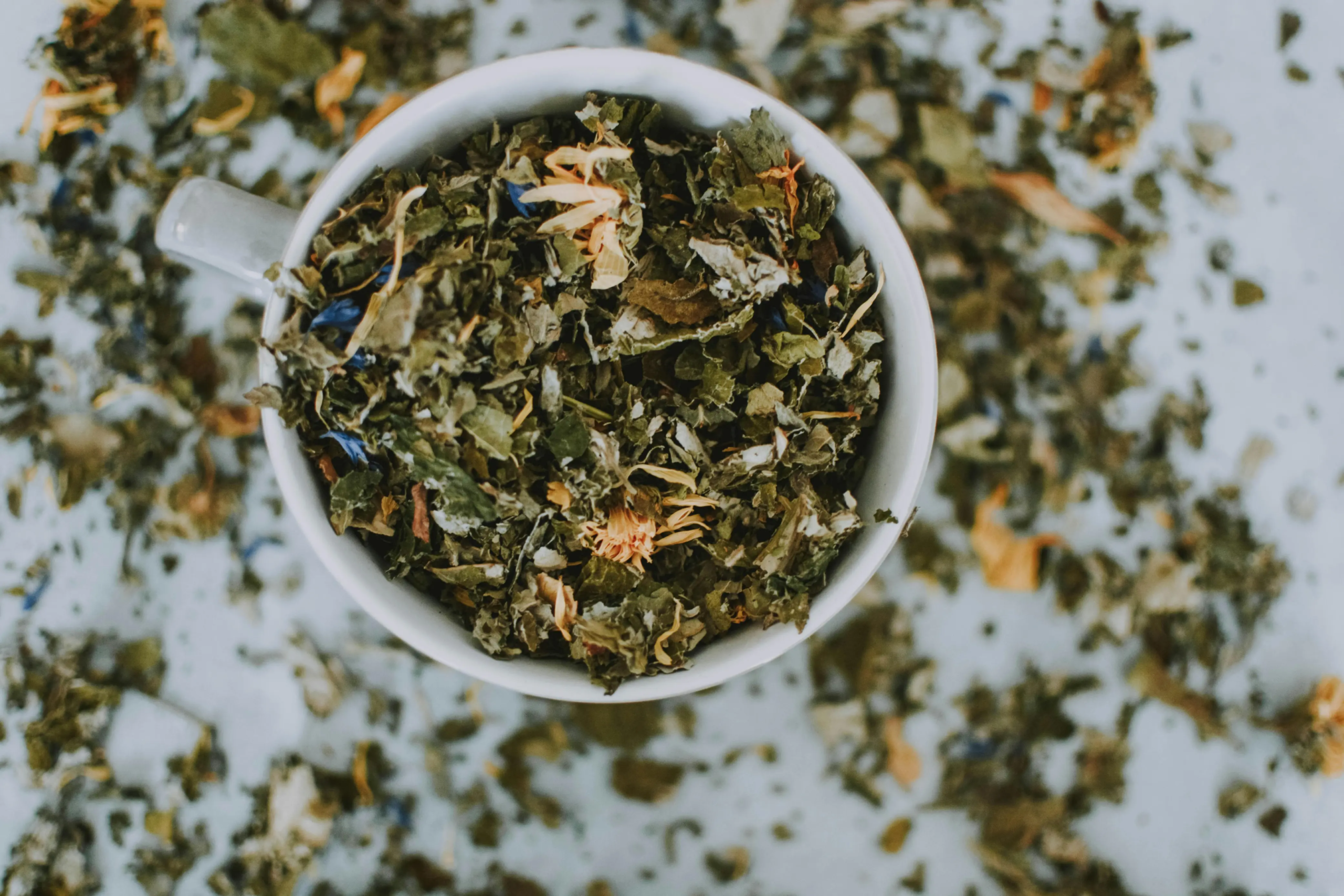
While herbal teas have been used for wellness for centuries, modern science is beginning to validate many of these traditional uses. The evidence-based health benefits of herbal infusions are compelling:
- Stress Reduction and Relaxation: Herbs like chamomile tea, lavender, and lemon balm tea have been shown to have calming effects on the nervous system and improve sleep quality.
- Digestive Support: Peppermint tea, ginger tea, and fennel are well-researched for their ability to soothe indigestion, bloating, and nausea.
- Immune Support: Ingredients like echinacea, elderberry, and hibiscus flowers are rich in antioxidants and vitamins that can help bolster the body’s natural defenses.
The biggest advantage of most herbal teas is that they are caffeine free. This makes them a suitable choice for children, pregnant women (with consultation), and anyone looking to reduce their caffeine intake, especially in the evenings. Herbal teas are also an excellent alternative to coffee for those seeking a warm, health-supporting beverage without caffeine.
Gift Sets and Tea Strainers: The Perfect Present for Tea Lovers
For tea lovers looking to share the joy of herbal teas, beautifully curated gift sets are an excellent choice. These often include a selection of loose leaf teas, flavored teas, tea strainers, and sometimes tea bags, offering a variety of tastes and aromas to explore.
Gift sets make thoughtful presents for birthdays, holidays, or special occasions, allowing recipients to discover new blends and enjoy the ritual of brewing the perfect cup. Whether you’re a seasoned tea lover or just beginning your herbal tea journey, a gift set can inspire a deeper connection to these ancient beverages.
Conclusion
The world of herbal teas is a vibrant, flavorful, and accessible entry point into the broader tea culture. They are nature’s gift, offering a spectrum of tastes and wellness benefits that can soothe, invigorate, and restore. From their roots in ancient medicine to their place in Singapore’s modern tea shops, herbal teas bridge the gap between tradition and contemporary life.
They remind us that a mindful moment can be found in the simplest of acts—brewing a cup, inhaling its soothing aroma, and savoring each sip. We invite you to continue your journey of discovery. Explore Tea Manor’s collection of curated herbal blends, visit a local tea house to sample something new, or gather a few simple ingredients to create your very first herbal tea. A world of flavor and overall well being is waiting for you.

Why Tea Might Be the Break You Didn’t Know You Needed
Scrolling through my feed this morning, I realized how easy it is to forget what a quiet moment feels like. Notifications, stories, messages- they all seem to arrive at once, asking for attention I don’t always want to give. And yet, in the middle of it, I poured myself a cup of tea. It wasn’t…
-
A Golden Sip of Serenity chrysanthemum tea
There is a pot on many kitchen tables in Singapore that no one talks about much. Pale yellow gold in the glass, with a few small chrysanthemum flowers or flower buds drifting at the bottom. It appears after a heavy meal, at a grandmother’s house, or in a hawker centre when the weather turns unbearable….
-
Tea in a Scrollable World
I often think about how tea fits into a world that moves as fast as ours does. Every day, there are notifications, updates, trends, and posts competing for attention. Memes, videos, tweets, they all demand a response, a like, a share. It is a constant motion that leaves very little space for pause. And then…
-
Marriott High Tea 1 for 1: Indulge in Luxury at Singapore Marriott Tang Plaza Hotel
I almost didn’t go. Hotel afternoon tea always felt like something you did for a birthday or a special occasion with loved ones, or when a relative flew in and you wanted to seem like you had your life together. Expensive. A little performative. The kind of thing you photograph more than you eat. If…
-
Why Some Teas Feel Like Company
I’ve always thought of tea as a companion of sorts. Not a person, not a friend, but something that sits quietly beside you while the day moves forward. A cup of tea doesn’t interrupt your thoughts. It doesn’t demand attention. It simply exists, warm and steady, while you figure out what comes next. Some teas…
-
A Refined Afternoon Tea Experience at the Pan Pacific Atrium High Tea
Pan Pacific Atrium High Tea is the afternoon tea experience at the Atrium Lounge in Pan Pacific Singapore: a refined, unhurried sitting with TWG tea or Lavazza coffee, elegant seating pods above the reflection pool, and a menu that pairs classic English tea traditions with Peranakan flavours. For couples, friends, families, and tea lovers looking…
-
The Tea We Drink for No Reason
Tea is often praised for its ritual, its mindfulness, its ability to transform ordinary moments into quiet ceremonies. And I appreciate all of that. I really do. But there is another kind of tea, one that rarely gets mentioned in articles or recommended in guides. The tea we drink for no reason at all. I…
-
A Tea Lover’s Map to Elegant Finds in the City Teaware Shop
There is a particular quiet that settles when you pour hot water over tea leaves in a pot you chose with care. The weight of the clay in your hand. The porcelain capacity that holds just the right amount of warmth. A small ritual, repeated, until it becomes yours. Singapore knows tea in many languages….
-
Why We Pretend Every Tea Moment Should Be Peaceful
There is a quiet expectation we place on tea that I’m not sure we talk about enough. We expect it to calm us. To slow us down. To make everything feel a little more intentional, a little more put together, a little more peaceful than whatever came before it. But I’ve started to wonder if…
-
The Discipline of Grace in Every Bowl: Tea Ceremony in Japan
Water begins to move in a small iron kettle. The sound is faint, almost like wind through pines, and in a quiet room lined with tatami mats, it is enough to fill the silence. A host kneels in the tea room. A guest waits. Nothing is said, yet something has already begun. This is where…