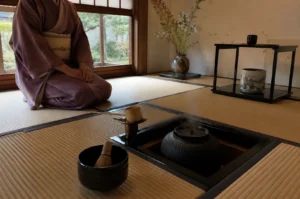
There’s a special kind of satisfaction that comes from mastering your favorite café drink at home. When it comes to the vibrant and creamy matcha latte, the rewards are particularly sweet. Learning how to make matcha latte in your own kitchen not only saves you money but also gives you complete control over the quality, sweetness, and flavor. Matcha is celebrated for its health benefits, including a rich supply of antioxidants and energizing nutrients that support overall wellness. Plus, the mindful ritual of whisking the bright green matcha powder is a wonderfully therapeutic way to start your day.
This beloved healthy drink beautifully merges the ancient traditions of Japanese tea with the modern comfort of a creamy latte. While it might seem intimidating, creating the perfect matcha tea latte is a skill anyone can learn.
Why Learn How to Make Matcha Latte at Home?
Your daily café run for a matcha latte can be a costly habit. Bringing this ritual into your own home offers several fantastic benefits that go beyond just saving money.
- Cost Savings: A single tin of high-quality ceremonial grade matcha powder can make 20-30 lattes, bringing the per-cup cost down significantly compared to café prices.
- Complete Customization: You are in control. Adjust the sweetness using liquid sweeteners like maple syrup, agave syrup, simple syrup, or powdered brown sugar, choose your favorite milk, and decide how strong you want the matcha flavor to be by adding more matcha or using culinary grade matcha powder. Experiment to find the perfect balance of sweetness, milk, and matcha to suit your taste.
- Quality Ingredients: You can choose higher quality matcha powder made from ground green tea leaves, avoiding the fillers and hidden sugars often found in pre-made café mixes.
- The Joy of the Ritual: The process of making a matcha latte is a mindful and satisfying experience. It’s a moment of calm in a busy day, especially when whisking vigorously with a bamboo whisk or electric frother in a traditional matcha bowl.
Ingredients for the Ideal Matcha Latte
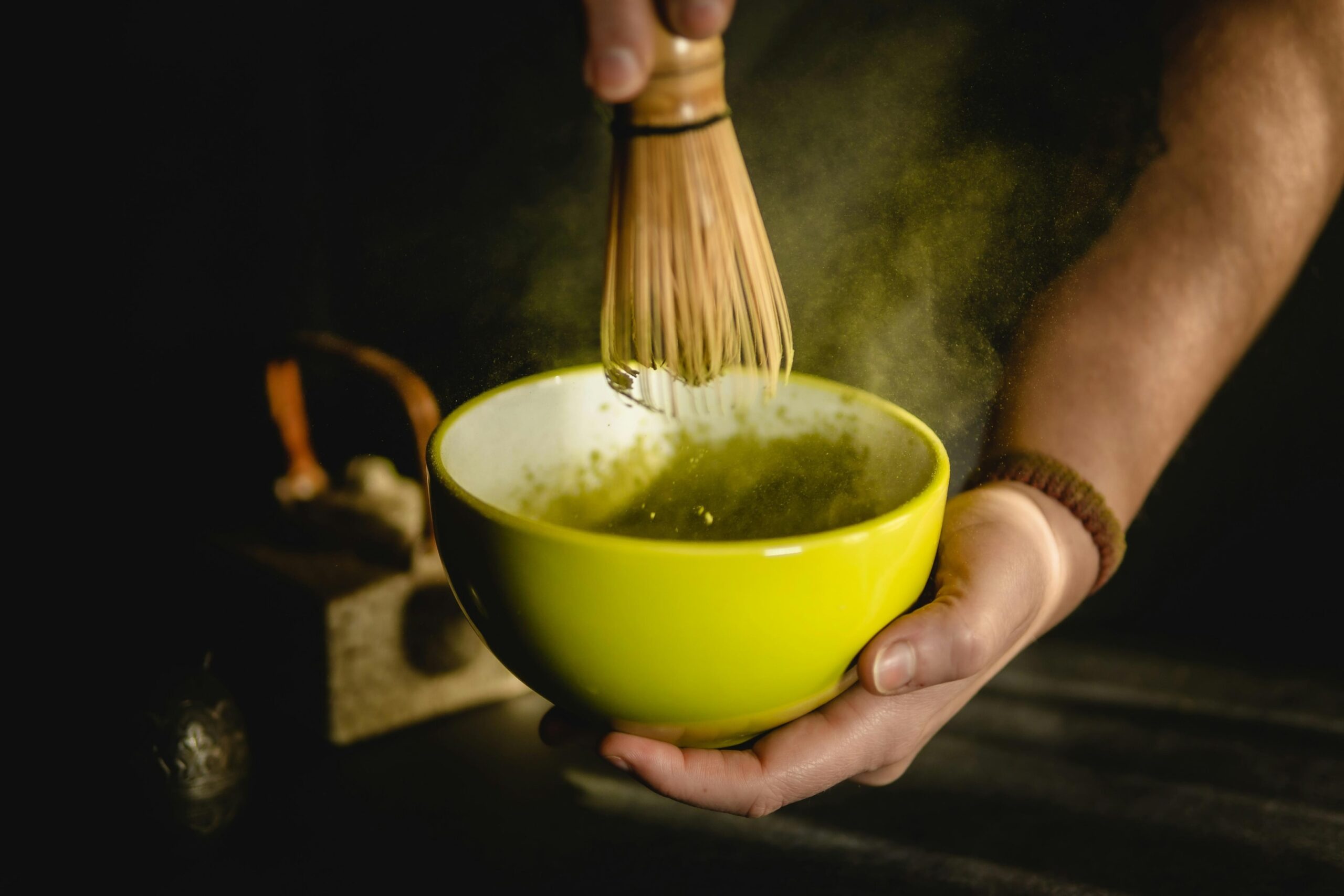
The secret to a delicious latte lies in a few simple, high-quality ingredients. Here’s exactly what you’ll need for one serving:
- Matcha Powder: 1–2 teaspoons of fine powder made from the entire leaf of green tea leaves.
- Hot Water: 60 ml (¼ cup), heated to around 80°C (176°F) to avoid a bitter earthy taste.
- Milk or Milk Alternative: 180–200 ml (¾ cup) of your favorite milk such as oat milk, almond milk, coconut milk, soy milk, cashew milk, or regular milk to steam milk or froth milk. When choosing between dairy and plant-based milks, consider the saturated fat content, as some options like whole milk or coconut milk are higher in saturated fat than others.
- Sweetener (Optional): 1–2 teaspoons of honey, maple syrup, agave syrup, simple syrup, or powdered brown sugar. Some people prefer just a tiny bit of sweetener, or none at all, for a more traditional taste.
Nutrition Calories of Your Matcha Latte
Understanding the nutrition calories in your matcha latte helps you enjoy this healthy drink mindfully. A typical homemade matcha latte made with 1 teaspoon of matcha powder, ¾ cup of oat milk, and 1 teaspoon of maple syrup contains approximately 90-120 calories. Using whole milk or coconut milk may increase the calorie and saturated fat content, while almond or cashew milk options tend to be lower in calories. Adjusting sweetener amounts will also impact the total nutrition calories, making it easy to customize to your dietary needs.
Equipment You’ll Need to Make Matcha Latte
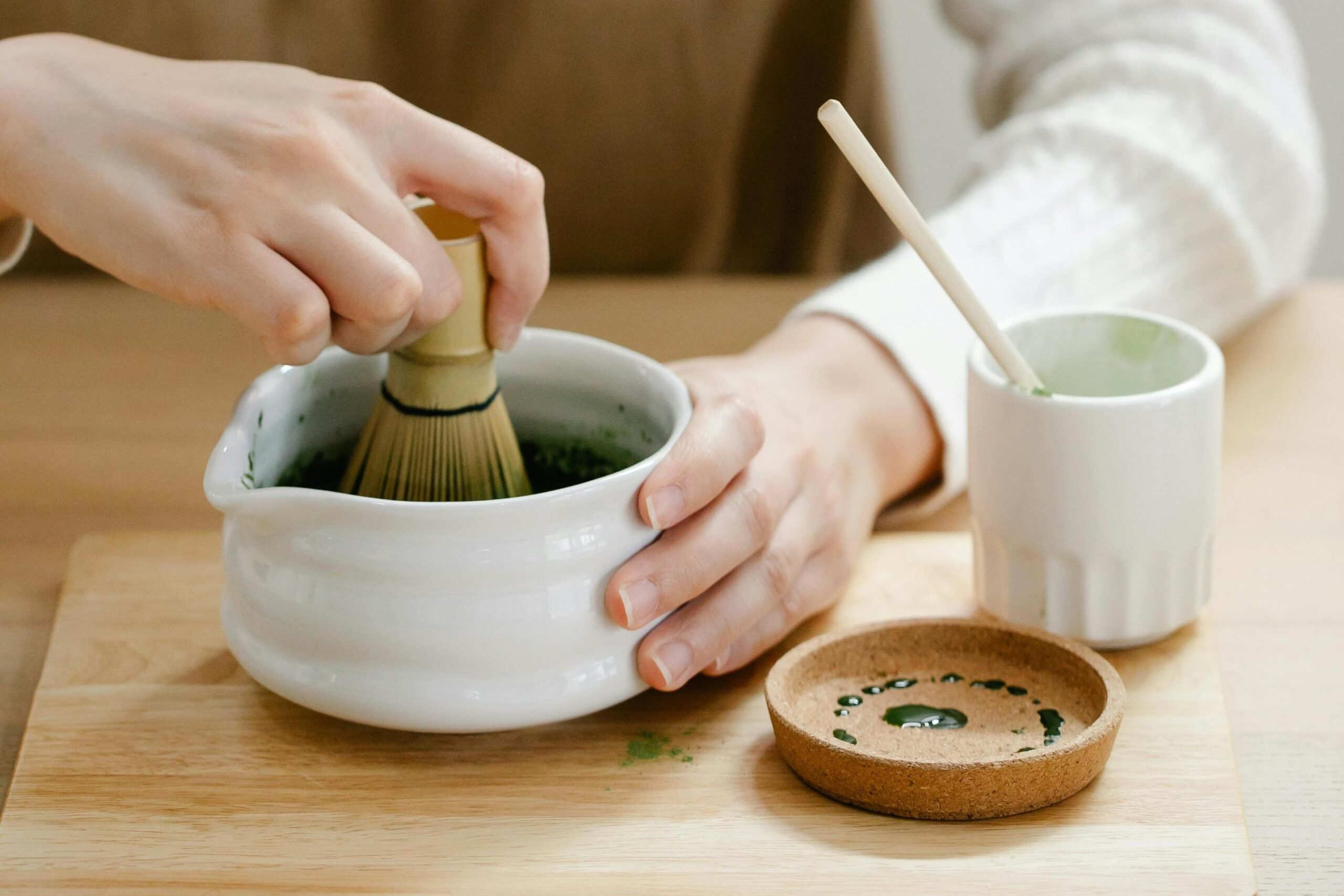
You don’t need fancy barista skills or equipment to make a perfect matcha latte at home. Here are a few key tools that will ensure your success.
- For Whisking Matcha (Choose one):
- Bamboo Whisk (Chasen): The traditional and most effective tool. Its fine tines break up lumps remain and aerate the matcha, creating the smoothest texture.
- Electric Frother: A fast and convenient modern alternative that can whisk briskly and froth milk simultaneously.
- Milk Frother: Ideal for frothing milk to create velvety frothed milk.
- Mason Jar: A simple option for iced matcha latte. Add all the ingredients, seal, and shake vigorously.
- Essential Accessories:
- Fine-Mesh Sifter: A non-negotiable tool for preventing clumps in your matcha powder.
- Matcha Bowl or Mug: A vessel with a flat bottom is ideal for whisking in the usual circular pattern or the recommended "W" or "M" motions.
- Thermometer: Helpful for ensuring your water isn’t too hot and your milk is at the perfect temperature to steam milk.
How to Make a Hot Matcha Latte: Perfect Matcha Latte Recipe
This step-by-step tutorial will guide you to a perfect, creamy, hot matcha tea latte every time, showing you how to make a matcha latte at home with ease.
Prep time: 5 minutes
Serving size: 1 latte
- Sift the Matcha: Sift 1–2 teaspoons of matcha powder directly into your matcha bowl or mug. This is the secret to a silky-smooth, clump-free latte.
- Make the Matcha Paste: Pour the 60 ml of hot water (around 80°C) over the sifted matcha. Using boiling water will scorch the delicate tea leaves, resulting in a bitter earthy taste.
- Whisk Vigorously: Using your bamboo whisk or electric frother, whisk briskly in a “W” or “M” motion for about 20–30 seconds. You’re looking for a smooth, vibrant green paste with a layer of fine foam on top. Make sure no lumps remain.
- Heat and Froth the Milk: While the matcha paste rests, gently heat your milk on the stove or in the microwave until it’s warm but not boiling (around 65°C or 150°F). Use a milk frother or steam milk for creamy, velvety frothed milk.
- Combine and Serve: If using a liquid sweetener or sugar, stir it into your matcha paste now. Pour the warm, frothed milk into your favorite cup, then gently pour the matcha paste into the center. Enjoy the comfort of holding a warm cup and savoring this soothing beverage immediately—your perfect matcha latte.
Required Recipe Ratings and Reviews
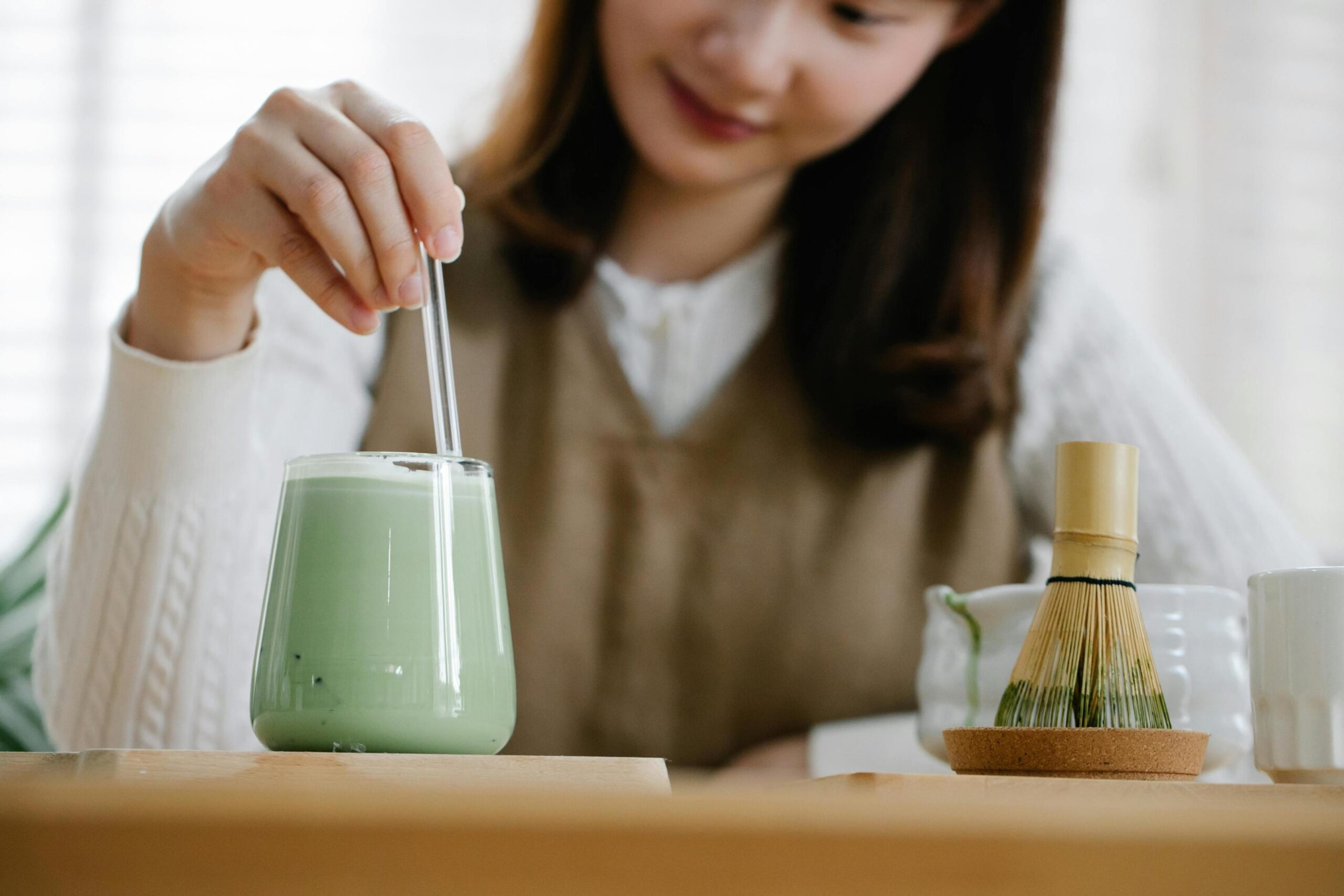
Many recipe developers and food bloggers include required recipe ratings to help readers choose the best matcha latte recipe. Our recipe has received excellent reviews for ease of preparation, taste, and customization options. We encourage you to review this recipe after trying it and share your experience. Your feedback helps improve the recipe and guides others in making their own matcha latte.
How to Make an Iced Matcha Latte: Refreshing Iced Matcha Recipe
Iced matcha lattes are a popular variation of matcha drinks, perfect for warm weather. Learning how to make iced matcha latte is just as easy. The process is similar to hot matcha lattes, with a few key adjustments for a refreshing cold drink.
- Prepare the Matcha Paste: For iced matcha lattes, follow steps 1 and 2 from the hot latte recipe, but you can use cold water or room temperature water instead of hot water if you prefer. Whisk briskly until a smooth paste forms. If using a liquid sweetener, dissolve it into the paste now.
- Fill and Add Milk: Fill a tall glass completely with ice cubes. Pour your cold milk of choice over the ice, leaving about an inch of space at the top.
- Create the Layers: Gently pour the prepared matcha paste over the top of the cold milk. It will slowly cascade down through the ice cubes, creating a beautiful, photo-worthy layered effect.
- Stir and Enjoy: Give it a quick stir to combine everything, and enjoy your refreshing iced matcha latte.
Customizing Your Matcha Latte: Recipe Inspiration for Your Own Matcha Latte
This is where the fun begins! There are countless recipes for matcha lattes, each offering unique flavors and experiences. Tailor your matcha latte to your exact preferences.
Milk Options:
- Oat Milk: The café favorite for its creamy texture and neutral, sweet flavor.
- Whole Milk: Creates the richest foam and offers a classic, creamy taste.
- Soy Milk: Froths surprisingly well and has a distinct flavor that pairs nicely with matcha.
- Almond Milk: A lighter, nuttier option, though it creates less foam.
- Cashew Milk and Coconut Milk: Great dairy-free alternatives that add unique flavors.
Sweetener Choices:
- Maple Syrup or Honey: Both dissolve easily and add a natural sweetness.
- Powdered Brown Sugar: Adds a delicious, caramel-like depth, especially in iced matcha latte.
- Agave Syrup and Simple Syrup: Great liquid sweeteners to balance the earthy taste.
Flavor Variations:
- Vanilla Latte: Add ¼ teaspoon of vanilla extract to your milk before frothing.
- Cinnamon Latte: Sprinkle a pinch of cinnamon into your matcha powder before sifting.
- Lavender Latte: Infuse your milk by warming it with culinary lavender buds, then strain before frothing.
Experiment with these recipes for matcha lattes, and feel free to try other recipes or share your own favorite matcha latte combinations! Don't forget to comment something about your favorite variations or tips.
Pro Tips for Café-Quality Matcha Latte at Home
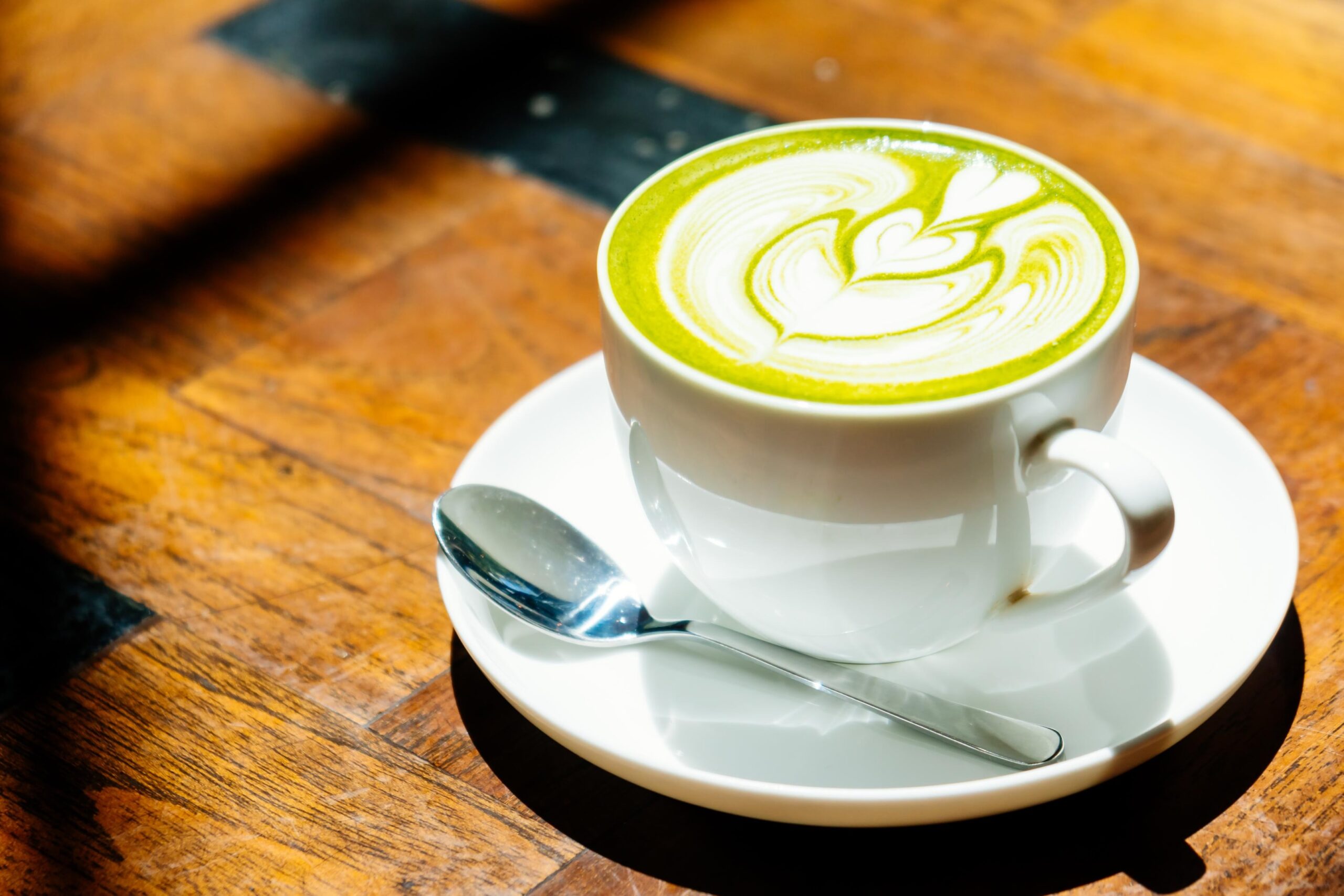
- The Whisking Motion: With a bamboo whisk, use quick, sharp wrist movements in a "W" or "Z" pattern. Don't press the whisk to the bottom of the matcha bowl.
- Foam Goals: Aim for "microfoam"—a texture with tiny, uniform bubbles, like wet paint. This creates a silky, not bubbly, mouthfeel.
- Temperature is Key: Use a thermometer to ensure your hot water is around 80°C and your milk is no hotter than 65°C for the best flavor and foam.
Timing and Efficiency Tips to Make Matcha Latte
Want to fit a homemade matcha latte into your busy morning?
- Prep Ahead: Pre-sift and measure your matcha powder into a small container the night before.
- Make Matcha Concentrate: Whisk a larger batch of matcha paste (matcha and water) and store it in a sealed jar in the fridge for up to 2 days. In the morning, just shake it, add it to your frothed milk, and you're ready to go.
Conclusion: Enjoy Matcha and Make Matcha Latte Your Favorite Drink
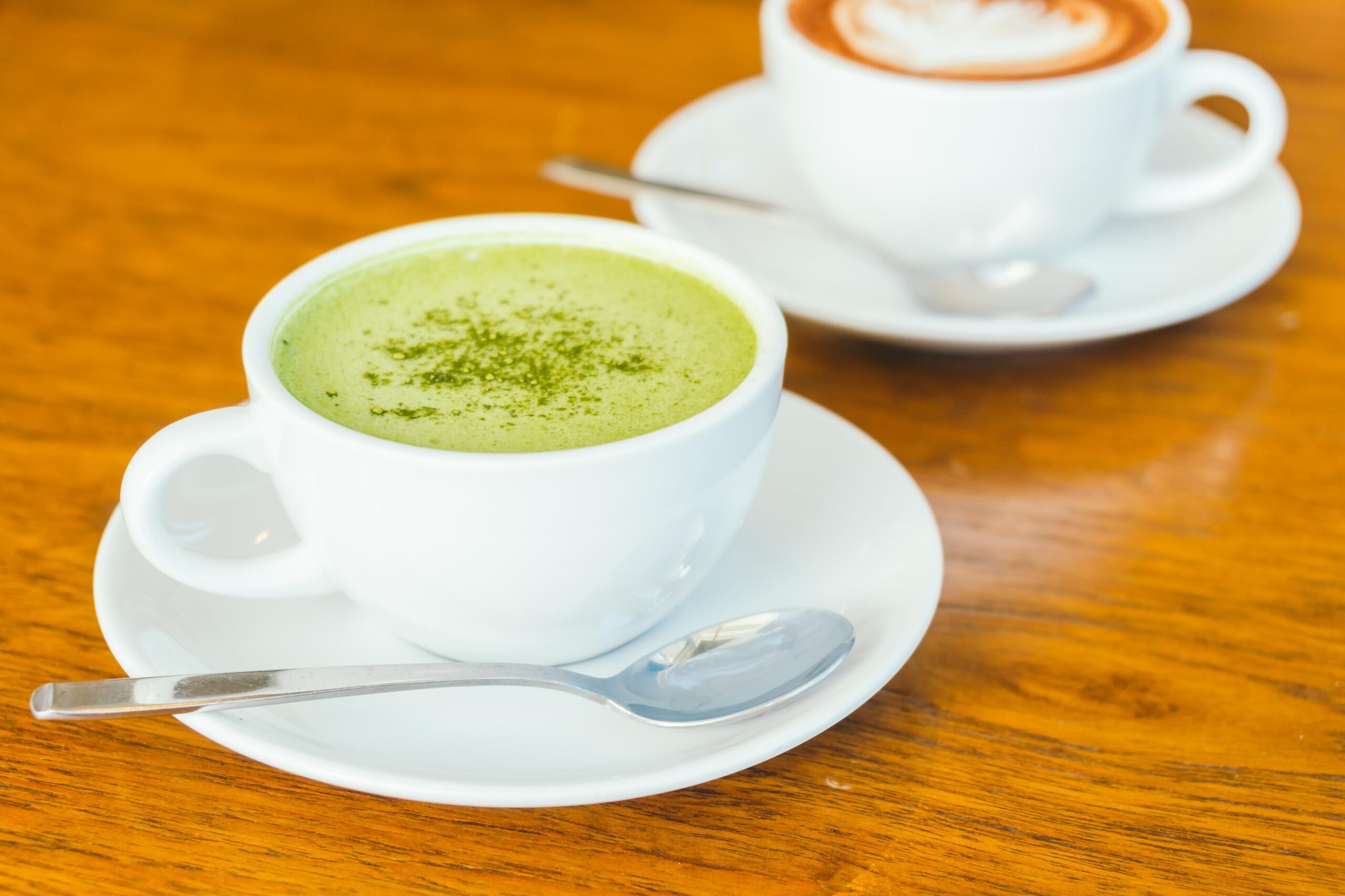
Learning how to make matcha latte at home is a simple, joyful ritual that empowers you to create a perfect, personalized beverage every time. It connects you to a rich history while allowing for modern creativity. With a little practice, the right ingredients, and these techniques, you’ll be crafting lattes that rival—or even surpass—your favorite café.

Why Tea Might Be the Break You Didn’t Know You Needed
Scrolling through my feed this morning, I realized how easy it is to forget what a quiet moment feels like. Notifications, stories, messages- they all seem to arrive at once, asking for attention I don’t always want to give. And yet, in the middle of it, I poured myself a cup of tea. It wasn’t…
-
A Golden Sip of Serenity chrysanthemum tea
There is a pot on many kitchen tables in Singapore that no one talks about much. Pale yellow gold in the glass, with a few small chrysanthemum flowers or flower buds drifting at the bottom. It appears after a heavy meal, at a grandmother’s house, or in a hawker centre when the weather turns unbearable….
-
Tea in a Scrollable World
I often think about how tea fits into a world that moves as fast as ours does. Every day, there are notifications, updates, trends, and posts competing for attention. Memes, videos, tweets, they all demand a response, a like, a share. It is a constant motion that leaves very little space for pause. And then…
-
Marriott High Tea 1 for 1: Indulge in Luxury at Singapore Marriott Tang Plaza Hotel
I almost didn’t go. Hotel afternoon tea always felt like something you did for a birthday or a special occasion with loved ones, or when a relative flew in and you wanted to seem like you had your life together. Expensive. A little performative. The kind of thing you photograph more than you eat. If…
-
Why Some Teas Feel Like Company
I’ve always thought of tea as a companion of sorts. Not a person, not a friend, but something that sits quietly beside you while the day moves forward. A cup of tea doesn’t interrupt your thoughts. It doesn’t demand attention. It simply exists, warm and steady, while you figure out what comes next. Some teas…
-
A Refined Afternoon Tea Experience at the Pan Pacific Atrium High Tea
Pan Pacific Atrium High Tea is the afternoon tea experience at the Atrium Lounge in Pan Pacific Singapore: a refined, unhurried sitting with TWG tea or Lavazza coffee, elegant seating pods above the reflection pool, and a menu that pairs classic English tea traditions with Peranakan flavours. For couples, friends, families, and tea lovers looking…
-
The Tea We Drink for No Reason
Tea is often praised for its ritual, its mindfulness, its ability to transform ordinary moments into quiet ceremonies. And I appreciate all of that. I really do. But there is another kind of tea, one that rarely gets mentioned in articles or recommended in guides. The tea we drink for no reason at all. I…
-
A Tea Lover’s Map to Elegant Finds in the City Teaware Shop
There is a particular quiet that settles when you pour hot water over tea leaves in a pot you chose with care. The weight of the clay in your hand. The porcelain capacity that holds just the right amount of warmth. A small ritual, repeated, until it becomes yours. Singapore knows tea in many languages….
-
Why We Pretend Every Tea Moment Should Be Peaceful
There is a quiet expectation we place on tea that I’m not sure we talk about enough. We expect it to calm us. To slow us down. To make everything feel a little more intentional, a little more put together, a little more peaceful than whatever came before it. But I’ve started to wonder if…
-
The Discipline of Grace in Every Bowl: Tea Ceremony in Japan
Water begins to move in a small iron kettle. The sound is faint, almost like wind through pines, and in a quiet room lined with tatami mats, it is enough to fill the silence. A host kneels in the tea room. A guest waits. Nothing is said, yet something has already begun. This is where…