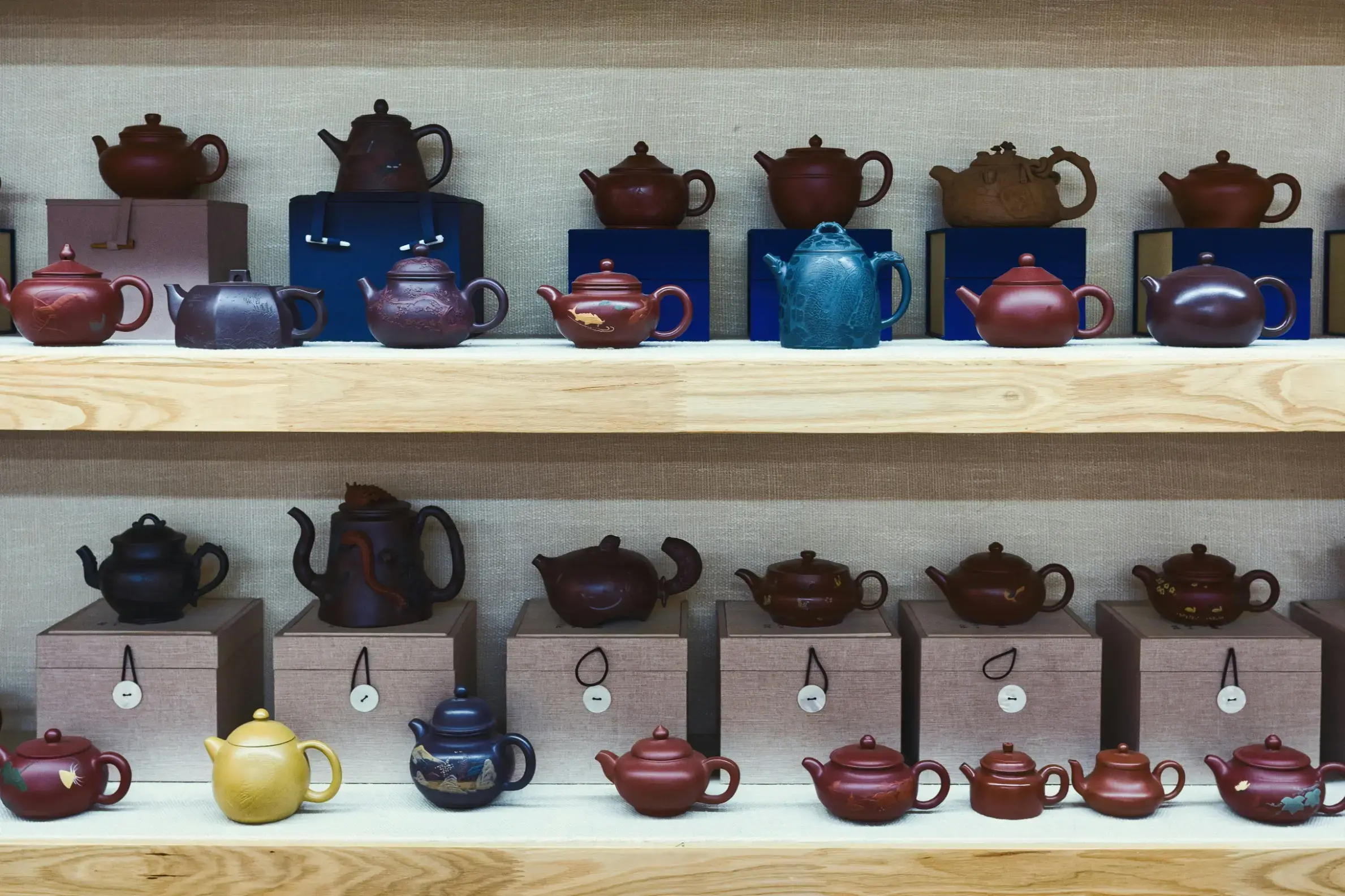
In many Singapore teaware shops, a Yixing teapot immediately draws attention. This iconic piece of Yixing pottery is crafted from unique purple clay found only in the Yixing region of China, west of Taihu Lake in Jiangsu Province. Yixing has a rich heritage in Chinese art and pottery, with production dating back to the Neolithic period and a focus on zisha or 'purple sand' teapots since the 16th century. Its unglazed exterior, muted earth tones like beige and sandy hues, and compact form distinguish it from typical porcelain or glass vessels found in beginner tea sets. These teapots represent the pinnacle of craftsmanship and artistry.
For newcomers interested in traditional brewing tea, the Yixing teapot prompts questions: Does it truly affect the taste and essence of tea? Is it only for advanced users? Is the higher price justified? A zisha teapot is more than decoration; it embodies a centuries-old tradition emphasizing material interaction, patience, and consistency.
The Science Behind Yixing Clay and Yixing Pottery
A common misconception is that a Yixing teapot “infuses minerals” like iron into tea. This is false. The magic lies in the porosity and absorption of the clay.
Yixing clay includes types such as zisha, banshanlu, and zhusha, mixed to create a range of colors and textures in teapots. The firing process also affects the surface color and properties.
The porous purple clay absorbs natural oils and aromatic compounds from the infusion of tea leaves. Over months of use, the pot develops a “memory,” softening bitterness and rounding flavors. This subtle seasoning reflects the craftsmanship of the potters perfected over centuries.
Instant flavor changes are unrealistic; instead, the surface gradually preserves the tea’s essence, enriching each sip.
Understanding Cost and Quality in Singapore’s Yixing Ware Market
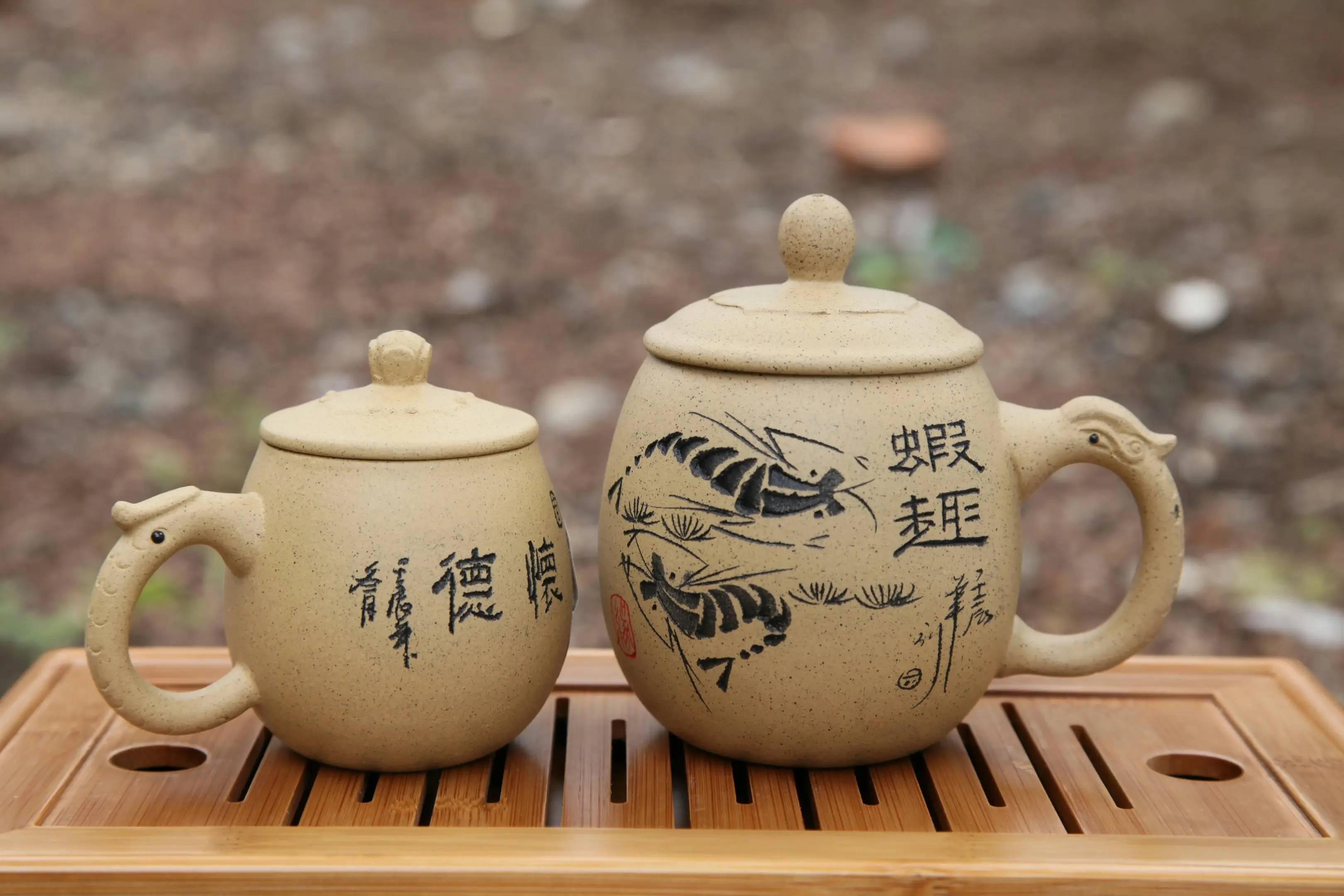
Singapore imports these artisan goods, so price varies by the origins of the clay and the skill of the artist or potter. Typical ranges are:
- Entry-level (SGD $30–$80): Often machine-assisted with mixed clay, functional but lacking deep seasoning ability.
- Mid-range (SGD $100–$300): Semi-handmade with reliable clay and good craftsmanship, ideal for beginners.
- High-end / Collector pieces (SGD $500–$2000+): Fully handmade by master potters using rare clay, often stamped with an artist's seal. These belong to exceptional collections and appeal to collectors worldwide.
Choosing Quality Yixing Ware: What to Look For
When holding a Yixing teapot, the clay should feel smooth with natural texture, and the weight balanced. The body, spout, and handle should align harmoniously, reflecting refined craftsmanship.
Check the lid fits snugly without wobbling, and the spout pours a clean, controlled stream that stops sharply. This functionality is essential for brewing.
Beware of cheap “Yixing” pots from tourist shops, they rarely use genuine zisha clay. Avoid overly shiny surfaces indicating chemical coatings. If the pot smells like soap or chemicals, reject it immediately.
Brewing with a Zisha Teapot: A Simple Routine
Using your zisha teapot need not be complicated. Consistency is key:
- Rinse with warm water only; never use soap. Porous clay absorbs chemicals, ruining seasoning.
- Pre-warm the pot with hot water before adding leaves.
- Brew only one specific type of tea such as roasted oolong or raw pu-erh, to develop proper seasoning.
- Discard leaves after each session; do not leave them inside overnight.
- Rinse and air dry naturally, leaving the lid off to prevent moisture buildup.
- Repeat regularly.
Pro Tip: Singapore’s tap water varies in taste due to chemical treatment. Using filtered water enhances tea taste and preserves your pot’s seasoning.
Lessons from Yixing Pottery Enthusiasts
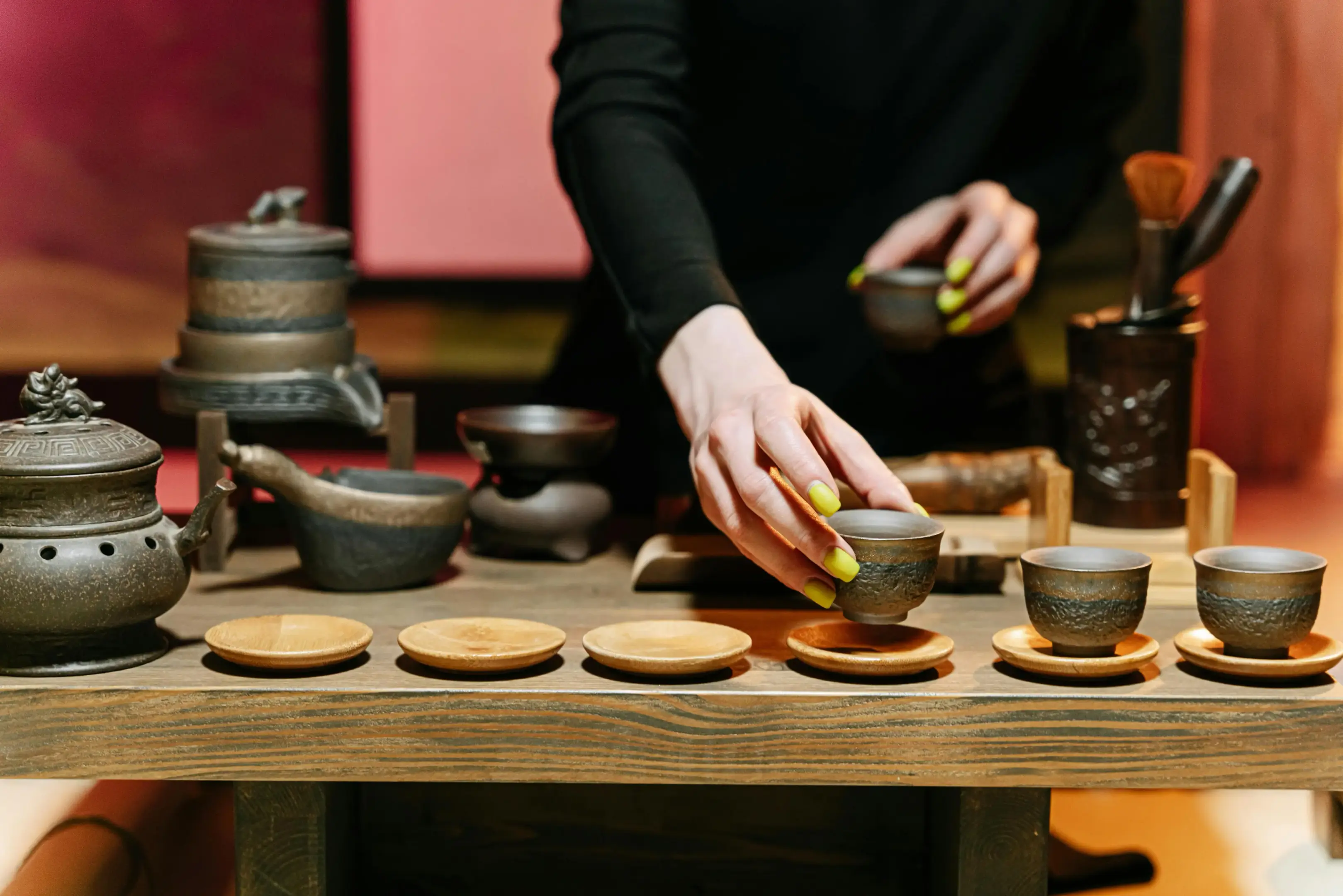
Lesson 1: The First-Time Confusion
A beginner brews different teas such as green, pu-erh, and oolong in one pot.
- Result: Mixed flavors muddle the pot’s seasoning.
- Lesson: Dedicate your pot to the same type of tea.
Lesson 2: The Over-Cleaner
Using soap to clean the teapot.
- Result: Clay absorbs soap, spoiling future brews.
- Lesson: Hot water alone cleans a Yixing teapot.
Lesson 3: The Patient User
Consistently brewing roasted Wuyi oolong in a mid-range pot.
- Result: After months, tea becomes smoother, bitterness softens.
- Lesson: Patience allows porous clay to enhance tea essence.
Embracing Yixing Pottery Tradition in Singapore
Singapore’s teaware shops reflect a blend of tradition and modernity, with Chinese tea culture prevailing, especially in Yixing ware and gongfu-style.
Compact urban living favors small teapots and minimal setups. Humidity demands proper drying to avoid moisture retention in unglazed clay.
Beyond function, Yixing teapots symbolize a slower, intentional lifestyle, feels like a pause in a fast city connecting tea enthusiasts to a rich heritage and artistry spanning centuries.
Specific Types and Styles of Yixing Teapots
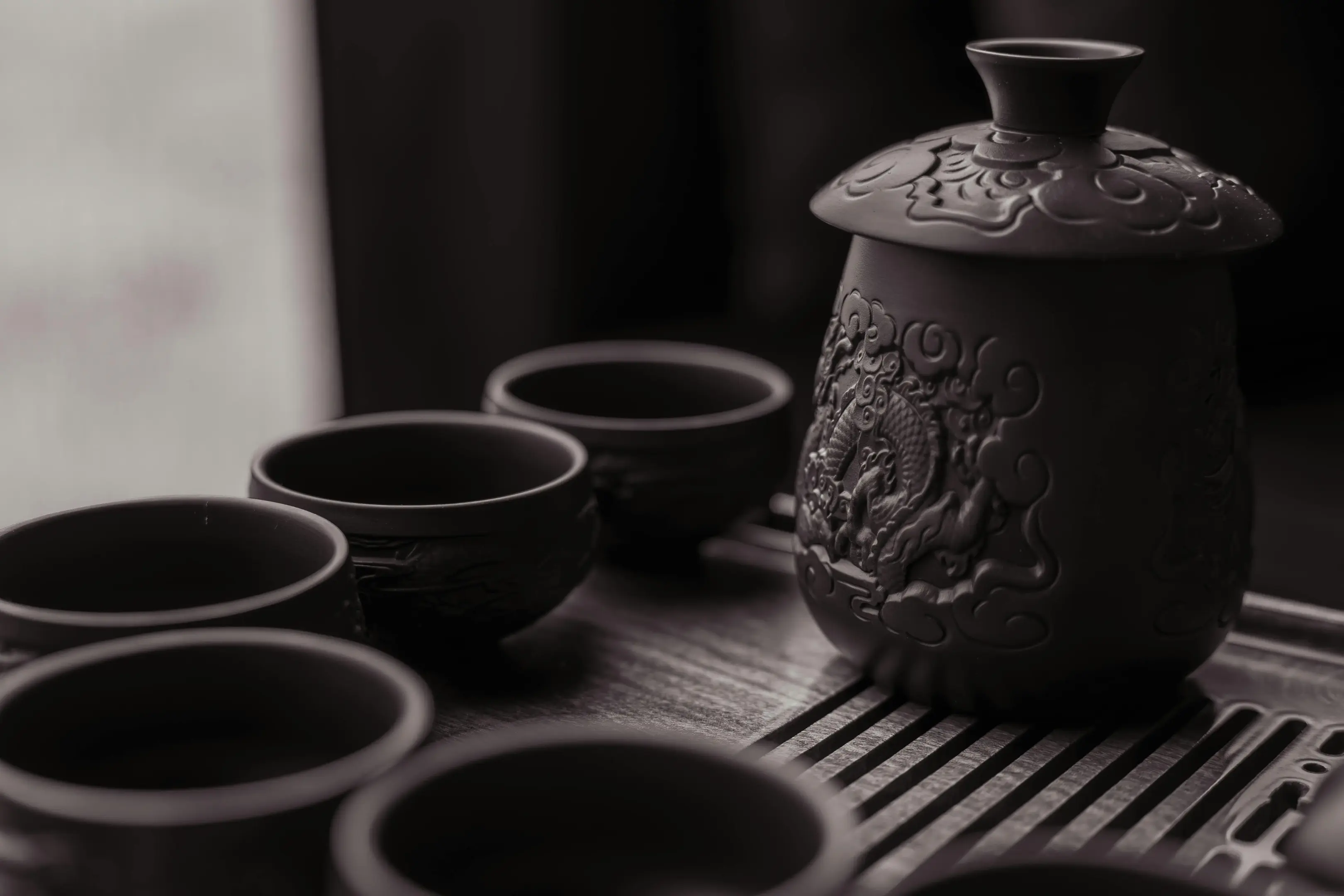
Yixing pottery includes four main specific types:
- Geometric styles: Shapes like round lanterns crafted using the slab method.
- Naturalistic styles: Forms mimicking nature, such as lotus leaves.
- Ribbed or segmented bodies: Made by press-moulding.
- Miniature teapots (shuiping hu): Designed for gongfu tea, often made with orange-red or cinnabar clay.
All are handcrafted rather than thrown on a wheel, using traditional techniques and firing processes that influence clay color and functionality.
Collectors seek pieces stamped with the seal of master artists or potters, marking the pinnacle of excellence in Chinese art and pottery. These treasured vessels are displayed in exceptional collections worldwide, including San Francisco and Beijing.
Conclusion
Is a Yixing teapot worth it?
If you expect an instant upgrade of cheap tea, you may be disappointed. But if you seek a mindful ritual, a connection to tradition and craftsmanship, then it is a worthwhile investment. If you want to understand teaware more deeply before choosing pieces like this, it helps to start with a beginner’s guide to teaware and tea tools.
A Yixing teapot is a living object that grows more beautiful and purposeful alongside your practice. Visit a local shop or browse online, test the stock carefully, and find a pot that feels right. The journey unfolds quietly, one sip at a time, celebrating the excellence and heritage of Yixing ware.

Floral Teas Are Not “For Beginners”—They’re For People With Taste
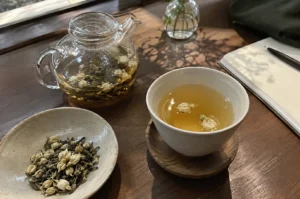
There is a curious assumption in tea culture that I have never quite understood. If you are new to tea, you begin with something floral. Jasmine. Rose. Osmanthus. Lightly scented blends. Then, supposedly, you move on. You discover roasted oolongs. Aged teas. More complex leaves. Stronger flavours. Eventually, you become a “serious” tea drinker. I…
-
How to Make Cold Brew Tea: The Slow Method for a Smoother Cup
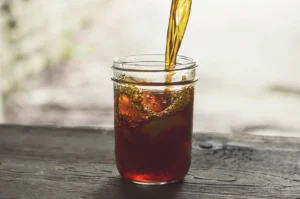
There is a jar on the top shelf of my refrigerator that I did not need this morning. I filled it last night, before the kitchen went dark. Loose tea leaves, cool water, a lid resting loosely on top. Then I closed the door and left it alone, the way you leave bread to rise…
-
Milk Tea Isn’t “Ruining” Tea—But Some Milk Tea Is Ruining Milk Tea
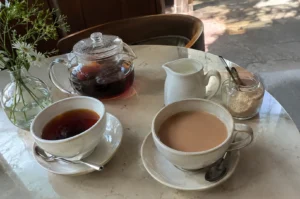
I have noticed that few things can start an argument among tea drinkers quite as quickly as milk. Mention adding milk to a good tea and suddenly everyone has an opinion. Some insist that milk covers the flavour of the leaves. Others will tell you that certain teas were practically made for it. I have…
-
There Are Always Good Things to Eat at The Marmalade Pantry
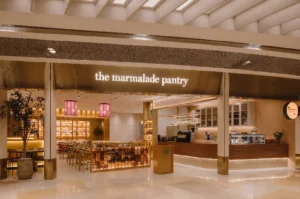
The afternoon rain had just eased when I climbed up to Level 4 of ION Orchard, home to the Marmalade Pantry Ion. Outside, Orchard Road was doing its usual thing: too many people, too much noise, everyone somewhere to be in the bustle of the city. Inside, at a corner table, someone was pouring tea…
-
The Teacup as a Compass: What My Daily Brew Taught Me About Pace
I never intended for tea to become a way of keeping track of my days. It just happened. There are mornings when I drink the first cup quickly, barely noticing the taste because my mind is already somewhere else. Then there are afternoons when I make tea and somehow manage to sit with it for…
-
Silk Tea Bar Review: A Quiet Climb Worth Making on Sago Street
I almost walked past it. Sago Street was loud that afternoon, the way Chinatown often is. Voices, footsteps, the clatter of a hundred small transactions. I was looking for a door and nearly missed the narrow one that led upstairs. Then I climbed. And somewhere between the ground floor and the second, the noise fell…
-
“Artisan” Doesn’t Mean Ethical: The Supply Chain Questions We Avoid
I have always been drawn to the word “artisan.” Maybe because it creates a certain image in my mind. Someone carefully working with their hands. Someone who knows their craft deeply. Someone preserving a tradition that has existed long before the rest of us discovered it. When I see “artisan tea” on a label, I…
-
A Quiet Afternoon at A Beautiful Day Café
The rain had just started when I stepped in off Paya Lebar Road. Not heavy. Just enough to soften the light and slow everyone down. Inside, someone was pouring tea, and the sound of it carried further than it should have. A small room can do that. It can make a pour feel like a…
-
The Problem With “Single-Origin” Tea Obsession
There was a time when knowing where a tea came from was enough. Now, it sometimes feels as though we need to know everything. The mountain. The village. The garden. The harvest date. The particular plot where the leaves were grown. Single-origin tea has become a mark of quality in modern tea culture. The idea…
-
Where Singapore’s Tea Traditions Still Steep: Pek Sin Choon
The first thing I noticed was the smell. Not perfume, not incense. Something warmer and older than both. Roasted tea leaves, drifting out onto Mosque Street before I even reached the door. It’s the kind of smell that makes you slow your steps without knowing why. Pek Sin Choon has been on this corner of…