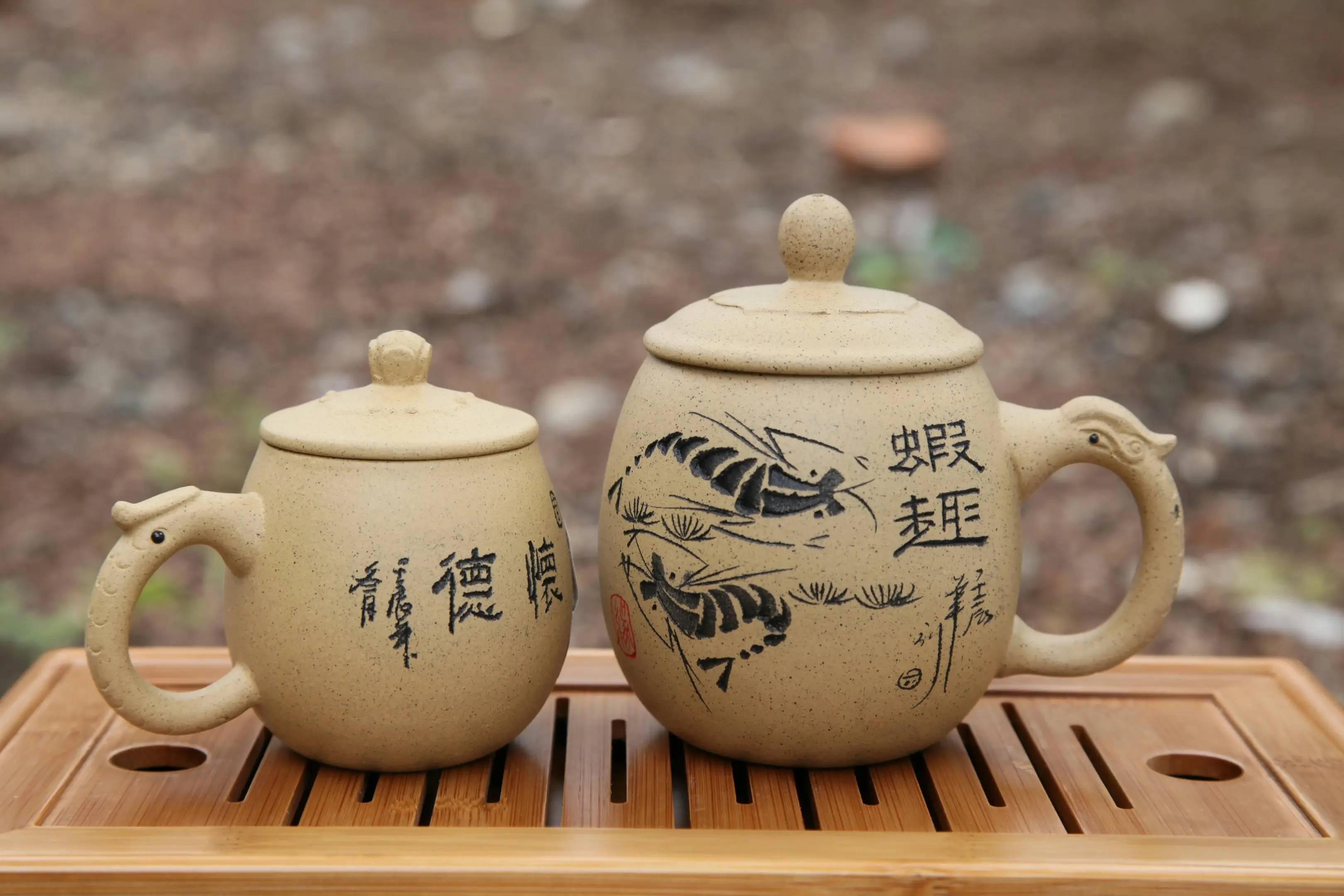
In many Singapore teaware shops, a Yixing teapot immediately draws attention. This iconic piece of Yixing pottery is crafted from unique purple clay found only in the Yixing region of China, west of Taihu Lake in Jiangsu Province. Yixing has a rich heritage in Chinese art and pottery, with production dating back to the Neolithic period and a focus on zisha or 'purple sand' teapots since the 16th century. Its unglazed exterior, muted earth tones like beige and sandy hues, and compact form distinguish it from typical porcelain or glass vessels found in beginner tea sets. These teapots represent the pinnacle of craftsmanship and artistry.
For newcomers interested in traditional brewing tea, the Yixing teapot prompts questions: Does it truly affect the taste and essence of tea? Is it only for advanced users? Is the higher price justified? A zisha teapot is more than decoration; it embodies a centuries-old tradition emphasizing material interaction, patience, and consistency.
The Science Behind Yixing Clay and Yixing Pottery
A common misconception is that a Yixing teapot “infuses minerals” like iron into tea. This is false. The magic lies in the porosity and absorption of the clay.
Yixing clay includes types such as zisha, banshanlu, and zhusha, mixed to create a range of colors and textures in teapots. The firing process also affects the surface color and properties.
The porous purple clay absorbs natural oils and aromatic compounds from the infusion of tea leaves. Over months of use, the pot develops a “memory,” softening bitterness and rounding flavors. This subtle seasoning reflects the craftsmanship of the potters perfected over centuries.
Instant flavor changes are unrealistic; instead, the surface gradually preserves the tea’s essence, enriching each sip.
Understanding Cost and Quality in Singapore’s Yixing Ware Market
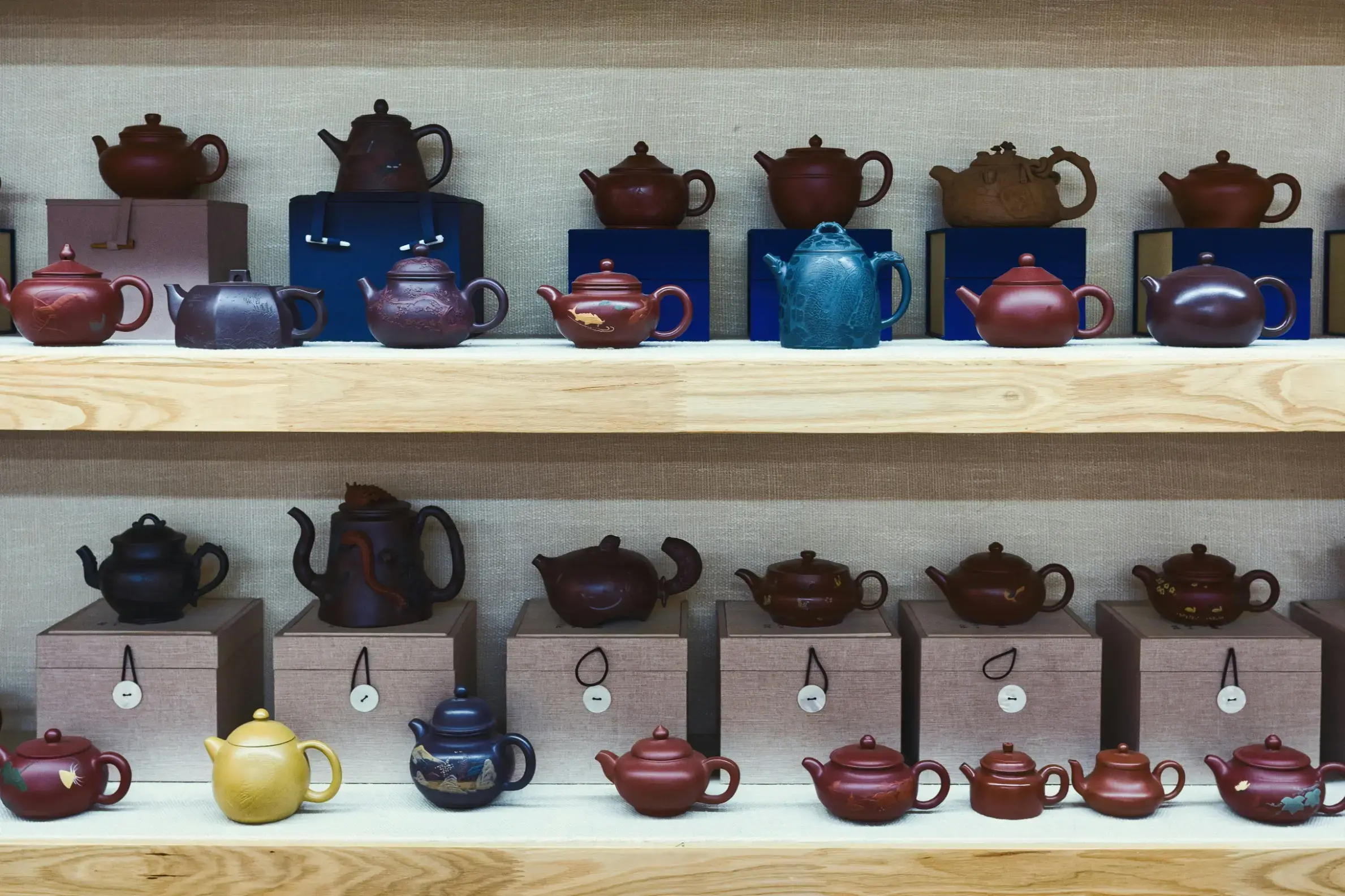
Singapore imports these artisan goods, so price varies by the origins of the clay and the skill of the artist or potter. Typical ranges are:
- Entry-level (SGD $30–$80): Often machine-assisted with mixed clay, functional but lacking deep seasoning ability.
- Mid-range (SGD $100–$300): Semi-handmade with reliable clay and good craftsmanship, ideal for beginners.
- High-end / Collector pieces (SGD $500–$2000+): Fully handmade by master potters using rare clay, often stamped with an artist's seal. These belong to exceptional collections and appeal to collectors worldwide.
Choosing Quality Yixing Ware: What to Look For
When holding a Yixing teapot, the clay should feel smooth with natural texture, and the weight balanced. The body, spout, and handle should align harmoniously, reflecting refined craftsmanship.
Check the lid fits snugly without wobbling, and the spout pours a clean, controlled stream that stops sharply. This functionality is essential for brewing.
Beware of cheap “Yixing” pots from tourist shops, they rarely use genuine zisha clay. Avoid overly shiny surfaces indicating chemical coatings. If the pot smells like soap or chemicals, reject it immediately.
Brewing with a Zisha Teapot: A Simple Routine
Using your zisha teapot need not be complicated. Consistency is key:
- Rinse with warm water only; never use soap. Porous clay absorbs chemicals, ruining seasoning.
- Pre-warm the pot with hot water before adding leaves.
- Brew only one specific type of tea such as roasted oolong or raw pu-erh, to develop proper seasoning.
- Discard leaves after each session; do not leave them inside overnight.
- Rinse and air dry naturally, leaving the lid off to prevent moisture buildup.
- Repeat regularly.
Pro Tip: Singapore’s tap water varies in taste due to chemical treatment. Using filtered water enhances tea taste and preserves your pot’s seasoning.
Lessons from Yixing Pottery Enthusiasts
Lesson 1: The First-Time Confusion
A beginner brews different teas such as green, pu-erh, and oolong in one pot.
- Result: Mixed flavors muddle the pot’s seasoning.
- Lesson: Dedicate your pot to the same type of tea.
Lesson 2: The Over-Cleaner
Using soap to clean the teapot.
- Result: Clay absorbs soap, spoiling future brews.
- Lesson: Hot water alone cleans a Yixing teapot.
Lesson 3: The Patient User
Consistently brewing roasted Wuyi oolong in a mid-range pot.
- Result: After months, tea becomes smoother, bitterness softens.
- Lesson: Patience allows porous clay to enhance tea essence.
Embracing Yixing Pottery Tradition in Singapore
Singapore’s teaware shops reflect a blend of tradition and modernity, with Chinese tea culture prevailing, especially in Yixing ware and gongfu-style.
Compact urban living favors small teapots and minimal setups. Humidity demands proper drying to avoid moisture retention in unglazed clay.
Beyond function, Yixing teapots symbolize a slower, intentional lifestyle, feels like a pause in a fast city connecting tea enthusiasts to a rich heritage and artistry spanning centuries.
Specific Types and Styles of Yixing Teapots
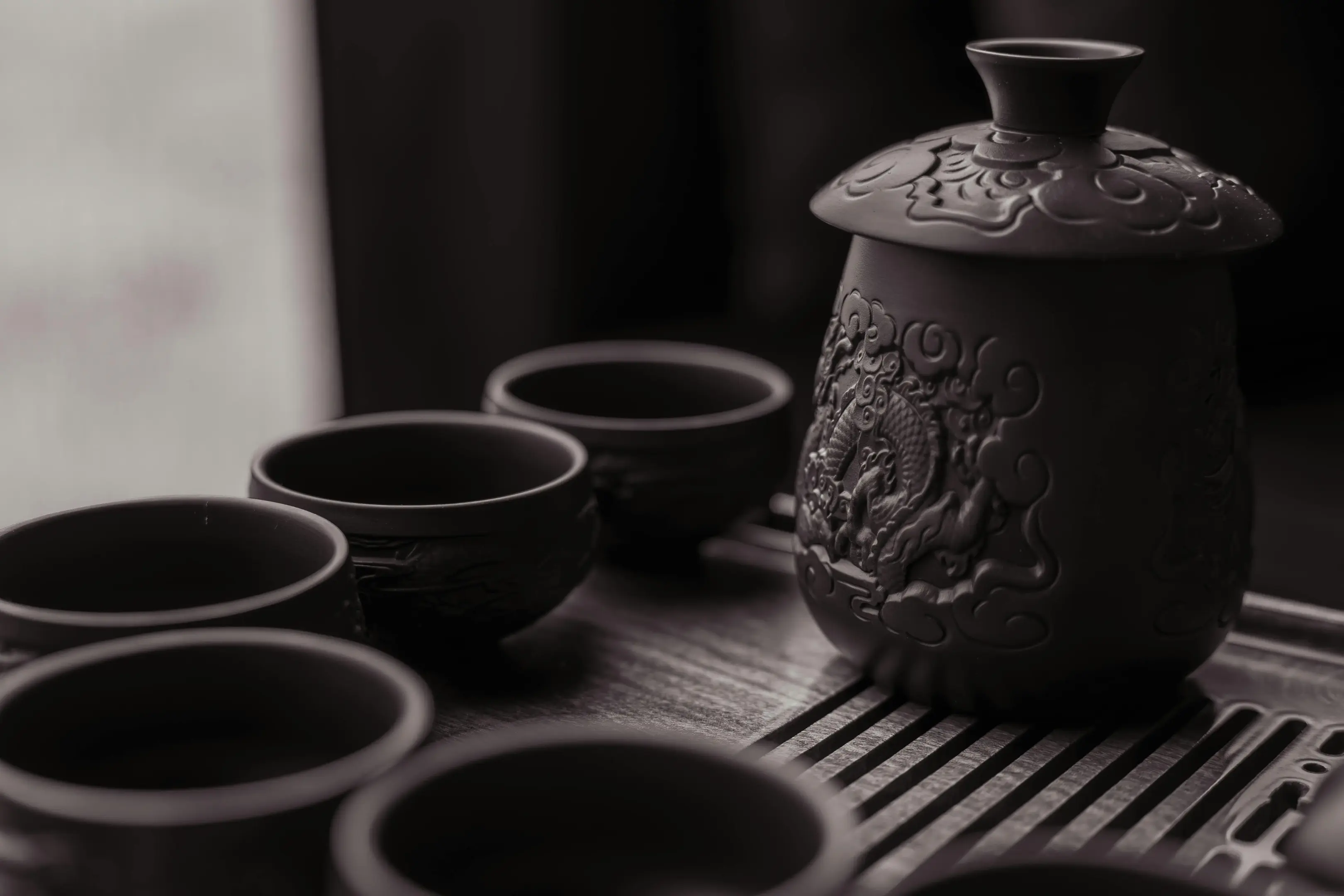
Yixing pottery includes four main specific types:
- Geometric styles: Shapes like round lanterns crafted using the slab method.
- Naturalistic styles: Forms mimicking nature, such as lotus leaves.
- Ribbed or segmented bodies: Made by press-moulding.
- Miniature teapots (shuiping hu): Designed for gongfu tea, often made with orange-red or cinnabar clay.
All are handcrafted rather than thrown on a wheel, using traditional techniques and firing processes that influence clay color and functionality.
Collectors seek pieces stamped with the seal of master artists or potters, marking the pinnacle of excellence in Chinese art and pottery. These treasured vessels are displayed in exceptional collections worldwide, including San Francisco and Beijing.
Conclusion
Is a Yixing teapot worth it?
If you expect an instant upgrade of cheap tea, you may be disappointed. But if you seek a mindful ritual, a connection to tradition and craftsmanship, then it is a worthwhile investment. If you want to understand teaware more deeply before choosing pieces like this, it helps to start with a beginner’s guide to teaware and tea tools.
A Yixing teapot is a living object that grows more beautiful and purposeful alongside your practice. Visit a local shop or browse online, test the stock carefully, and find a pot that feels right. The journey unfolds quietly, one sip at a time, celebrating the excellence and heritage of Yixing ware.

Clifford Pier High Tea Review: Local Flavours by the Waterfront
I went looking for a building that no longer serves tea. The Clifford Pier still stands where it always has, at the edge of Marina Bay, its old timber trusses arching overhead like the ribs of something patient. But when I arrived, hoping to relive a Heritage Afternoon Tea I’d taken there years ago, I…
-
The Quiet Lessons a Cup of Tea Can Teach
I have often found that the simplest cup of tea carries the most subtle lessons. Not every tea moment is dramatic, ceremonial, or picturesque. Some are ordinary, even fleeting, yet they manage to teach something quietly about patience, observation, and care. Take the leaves themselves. Watching them unfurl in hot water is a small, deliberate…
-
A Journey Through Popular Bubble Tea Brands and Shops: Bubble Tea Singapore
The first time I really tasted bubble tea, I mean actually tasted it, I was standing outside a shoppers mall in the rain, waiting for a friend who was late. I had ordered something on autopilot from one of the many bubble tea shops in Singapore. But that day, without distraction, I noticed the tea…
-
Tea in a World That Never Pauses
Scrolling through my feed this morning, I realized something. We live in a world that barely stops. Notifications pile up. Videos play automatically. Messages arrive faster than we can read them. Every surface seems to demand attention. And then there is tea. A cup of tea does not ping. It does not scroll. It does…
-
From Plantation to Cup: The Journey of Sri Lanka’s Black Tea Pekoe
Black tea pekoe is all about whole-leaf black tea made from those long leaves and buds, usually the youngest ones right near the shoot tips. And when you hear Orange Pekoe, it’s not about orange flavor at all; it’s actually the name of that grade. For tea lovers or anyone curious about quality Sri Lankan…
-
To the Tea Lovers and the Tea That Holds Us
I want to write a letter, not to anyone in particular, but to the quiet ritual that has accompanied so many of our days. To the tea in our cups and to the people who take the time to notice it. Tea is patient. It waits for us when we are rushing. It sits quietly…
-
What Is Rooibos Tea: Red Gold in Your Cup, the Science and Benefits
There is a certain hour when the day loosens its grip. The coffee has long gone cold. Black tea feels like too much. And yet the kettle still calls, because the ritual matters more than the caffeine. This is where rooibos often arrives. A deep russet red pouring into the cup, warm and unhurried, carrying…
-
The Cup I Always Return To
There is one tea I always return to, even after tasting countless others. It is not rare. It is not expensive. The leaves are ordinary, the aroma familiar. And yet, it has a way of anchoring me, no matter the day or the mood. I first drank it years ago, during a week that felt…
-
Where to Buy Turkish Tea: Finding Authentic Çay for the True Turkish Tea Experience
The first time I understood Turkish tea, I was not drinking it in a café. I was standing in a small shop, watching a man refuse to sell me the wrong thing. I had pointed at a shiny box of flavoured black tea, and he shook his head, quietly, the way someone corrects a friend…
-
Why Tea Might Be the Break You Didn’t Know You Needed
Scrolling through my feed this morning, I realized how easy it is to forget what a quiet moment feels like. Notifications, stories, messages- they all seem to arrive at once, asking for attention I don’t always want to give. And yet, in the middle of it, I poured myself a cup of tea. It wasn’t…