Walk into any Korean restaurant, and before you glance at the menu, a glass of amber-colored boricha (보리차) arrives. This Korean barley tea is as fundamental as water in Korean culture—served hot or cold, a staple in everyday life and a gesture of hospitality.
While roasted barley tea is popular across many East Asian countries, Korean barley tea stands out with its robust, nutty flavor derived from deeply roasted barley grains. This article explores boricha’s unique preparation, health benefits, and cultural significance, providing a comprehensive recipe and tips for brewing at home.
What is Korean Barley Tea (Boricha 보리차)?
Boricha is a caffeine-free barley drink made by brewing roasted barley grains. Unlike true teas, it’s a tisane, naturally sugar free and caffeine free. Korean barley tea is known for its rich, nutty flavor, achieved by roasting barley grains to a dark brown color—almost like coffee beans. This roasting develops a savory, toasty taste distinct from lighter barley teas like Japan’s mugicha.
Boricha is a popular East Asian drink, especially in South Korea, China, and Japan, enjoyed year-round. In Korea, it’s served in restaurants and homes alike, often chilled in summer as a refreshing drink and warm in winter. Many Koreans absolutely love this barley drink for its comforting aroma and satisfying taste, which can be an acquired taste for newcomers.
The Art of Roasting Barley
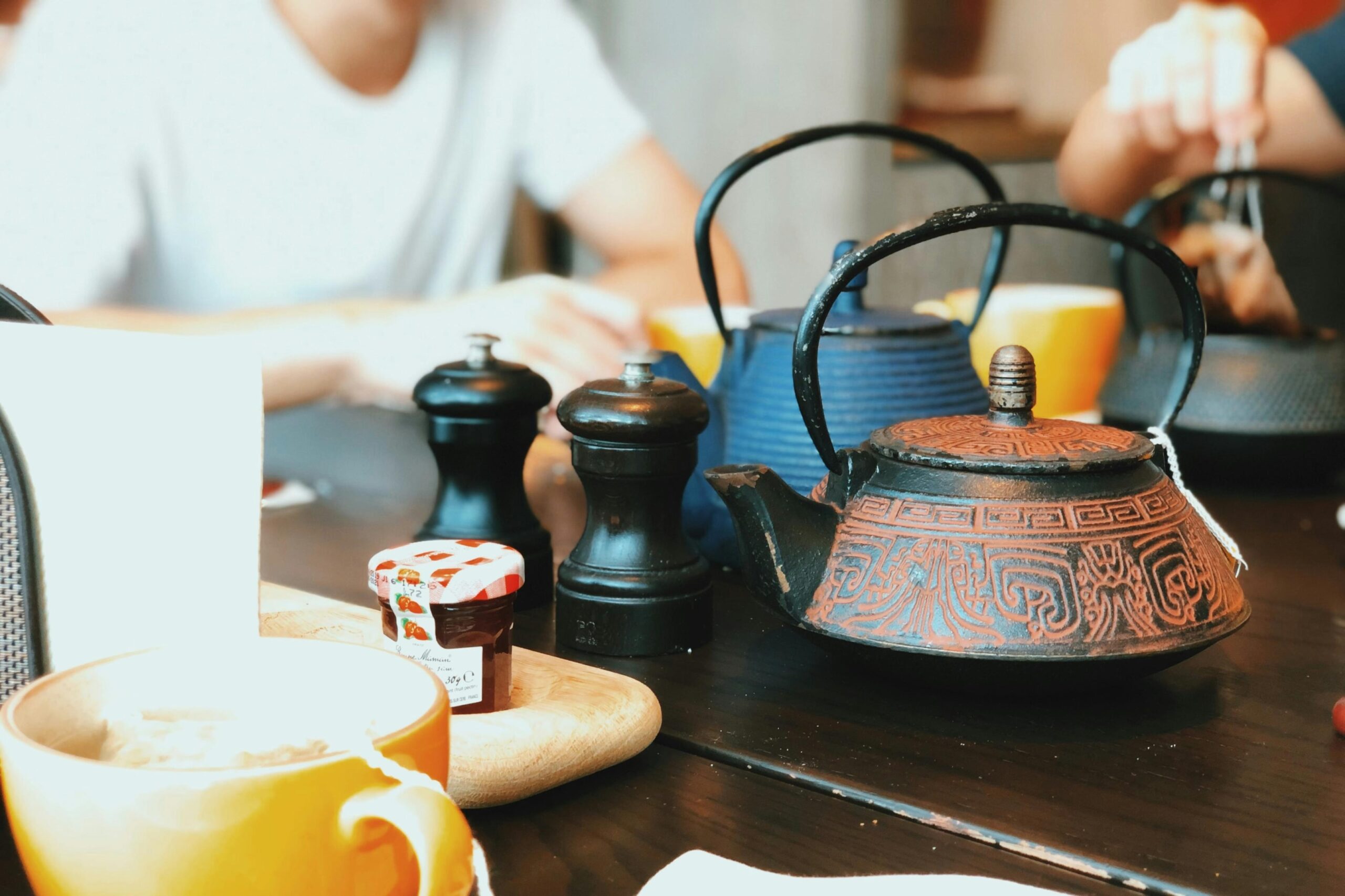
The key to Korean roasted barley tea’s flavor lies in roasting the barley grains properly. Using medium heat and medium low heat, barley is pan-roasted until dark brown, releasing a nutty aroma and rich flavor. The smell of roasting barley grains is deeply nostalgic in Korean households, filling the kitchen with warmth. Under-roasting yields a grassy taste, while over-roasting causes bitterness. This careful roasting distinguishes Korean barley tea from other barley teas in East Asian countries.
Today, many prefer convenient barley tea bags or pre-roasted barley grains, but some still roast their own barley to enjoy the freshest flavor and control the roast level. Roasting your own barley allows you to adjust the flavor intensity, from lighter nutty notes to a darker, coffee-like richness.
Love Hearing from Boricha Enthusiasts
One of the most rewarding parts of sharing Korean barley tea is hearing how much people enjoy it. Many who try boricha for the first time are pleasantly surprised by its nutty, roasted flavor and refreshing qualities. Whether brewed from roasted barley grains or convenient barley tea bags, this barley drink has a way of winning hearts worldwide.
Boricha is called mugicha in Japan, where it is especially popular as a cooling drink during summer months. This shared appreciation across East Asian countries highlights the cultural bond formed through this simple, healthy beverage. Many fans love hearing stories of how boricha is a staple in Korean everyday life, from family meals to summer picnics.
If you’re new to Korean barley tea, give it a try—you might find yourself absolutely loving this caffeine-free, sugar free, and deliciously nutty barley drink that offers a unique taste of Korea’s rich traditions.
Health Benefits of Korean Barley Tea
Boricha offers many health benefits, making it a beloved barley drink in Korea and beyond:
- Caffeine Free and Sugar Free: Ideal for all ages, including children and pregnant women, boricha is a safe and healthy hydration option.
- Rich in Antioxidants: Roasted barley grains contain antioxidants supporting overall health and protecting against free radicals.
- Supports Digestive Health: Traditionally consumed after meals to aid digestion and soothe the stomach, barley tea promotes digestive health through its fiber content.
- Promotes Blood Fluidity: Barley tea may improve circulation and overall wellness by enhancing blood fluidity.
- Cooling Drink: Considered a cooling drink in Korean tradition, perfect for hot summers, boricha helps reduce body heat and refresh the body.
- Mineral Rich: Contains essential minerals like selenium, phosphorus, and B vitamins, contributing to a balanced diet.
- Weight Loss Friendly: As a zero-calorie, sugar free beverage, boricha supports weight management when replacing sugary drinks.
How to Brew Korean Barley Tea at Home
Boricha is simple to brew with roasted barley grains or tea bags. Below are authentic recipes for making Korean barley tea that highlight the versatility of this popular drink.
Using Roasted Barley Grains or Cooked Pearl Barley
- In a large pot, bring 2 liters of hot water to a boil.
- Add 2–3 tablespoons of roasted barley grains or cooked pearl barley.
- Reduce heat to medium low heat and simmer for 15–20 minutes, stirring occasionally to release the full flavor.
- Strain the grains and let the tea cool.
- Store chilled and enjoy cold or warm. This method produces rich, flavorful barley water with a deep amber color.
Cold Brew Method
- Place 2–3 tablespoons of roasted barley grains or one tea bag in 2 liters of cold water.
- Steep overnight in the refrigerator to extract a smooth, mild flavor.
- Strain and serve as a refreshing drink, perfect for hot days.
Using Barley Tea Bags
- Place one tea bag in 2 liters of hot or cold water.
- If hot, steep for 10–15 minutes; if cold, steep for 1–2 hours.
- Remove the tea bag and serve. Barley tea bags offer convenience without sacrificing the nutty, roasted flavor.
Korean Barley Tea vs. Other East Asian Barley Teas
Known as mugicha in Japan and enjoyed similarly in China, barley tea varies by roasting style and preparation. Korean roasted barley tea uses darker roasted grains, yielding a richer, nuttier flavor compared to the lighter, sweeter mugicha. Corn tea and buckwheat tea are other popular barley drink alternatives in many East Asian countries, each offering unique taste profiles and health benefits.
Korean barley tea is often paired with roasted corn tea (oksusu cha) to balance flavors and provide a complementary cooling drink experience. The interplay of these traditional beverages highlights the cultural significance of grain-based teas in East Asian diets.
Where to Buy Korean Barley Tea in Singapore
Korean supermarkets like Koryo Mart, Seoul Mart, and K-Mart stock different brands of Korean barley tea, including loose roasted barley grains and barley tea bags. Major supermarkets and online platforms such as Shopee and Lazada also offer various options for those looking to buy authentic Korean barley tea.
When purchasing, look for trusted brands like Dongsuh (동서) and Ottogi (오뚜기), which clearly label their products with images of roasted barley grains and the word “보리차.” This ensures you get high-quality roasted barley tea that delivers the signature rich flavor and health benefits.
Creative Uses for Boricha
Boricha is versatile beyond just drinking:
- Use as barley water to cook rice, adding a nutty flavor and extra nutrients.
- Freeze brewed tea into ice cubes for a subtle infusion in other drinks, enhancing refreshment.
- Mix chilled boricha with milk or plant-based alternatives for a caffeine-free latte with a unique roasted flavor.
- Combine with lemon, honey, or soju to create refreshing mocktails and cocktails.
- Pair boricha with grilled meats, spicy Korean dishes, or savory snacks to balance flavors and provide a cooling effect.
Frequently Asked Questions
- Is Korean barley tea caffeine free? Yes, it is naturally caffeine free.
- Can children drink boricha? Absolutely, it’s often one of the first drinks given to children in Korea.
- How long does brewed tea last? Best consumed within 3-4 days when refrigerated.
- Can barley grains be reused? Yes, it’s common to reuse roasted barley grains for a lighter second brew.
- Does it aid weight loss? As a zero-calorie, sugar free drink, boricha supports weight management.
- What does Korean barley tea taste like? It has a nutty, toasty, and slightly savory flavor with a smooth finish.
Final Thoughts on Korean Barley Tea
Korean barley tea, or boricha, is a delicious, healthy, and culturally rich beverage. Its robust roasted flavor, caffeine-free nature, and many health benefits make it a staple in Korean everyday life and a popular East Asian drink. Whether enjoyed hot or cold, boricha is a refreshing drink that offers a comforting taste of Korea.
By brewing your own boricha with roasted barley grains or convenient barley tea bags, you can experience the unique smell, flavor, and health benefits of this traditional Korean staple. Many who try it are pleasantly surprised by how delicious and versatile this barley drink can be.
Enjoy the rich tradition of Korean barley tea and explore its many uses in your kitchen and lifestyle. Whether you’re seeking a healthy hydration option, a unique flavor experience, or a cultural connection, boricha offers all this and more in every cup.
Additionally, incorporating Korean barley tea into your daily routine can be a simple yet effective way to embrace a healthier lifestyle. Its natural ingredients and absence of caffeine make it an excellent choice for hydration throughout the day, especially for those sensitive to stimulants. With its growing popularity worldwide, boricha is becoming more accessible, inviting more people to discover the comforting and wholesome qualities of this traditional Korean beverage.

Maybe Your Favourite Tea Is Not Your Best Tea
I have a tea sitting in my cupboard that I would never call my “best” tea. It is not the rarest. It is not the most expensive. It does not come with an impressive story about ancient tea trees, remote mountains, or a limited harvest. And yet, I drink it more often than almost anything…
-
Clipper Tea Review: Does the Packaging Match the Pour?
There’s a box of Clipper Tea that’s lived in my cupboard longer than most of my mugs. I didn’t plan to buy it. I was standing in the tea aisle, tired, half-decided on something familiar, when the colour caught me. Bright, cheerful, a little hand-drawn looking. So I brought it home. And I’ve been drinking…
-
Hear Me Out, Tea Does Not Need to Be Serious All the Time
There is something I have noticed about tea culture. We take tea very seriously. Perhaps too seriously. We discuss origins, processing methods, brewing temperatures, and the history behind every leaf. We debate whether a tea should be enjoyed in a certain way. We carefully consider the correct vessel, the right water, and the ideal environment….
-
Red Bush Tea: The Tea That Does Not Need to Shout
There is a red pot in my mother’s kitchen that only comes out in the evening. By then the coffee has done its work and gone quiet. The day has loosened. She fills the kettle, drops in a spoonful of something the colour of dried autumn, and lets it sit while she tidies the last…
-
Hear Me Out: High Tea Is Overrated
Hear me out: high tea is one of the most convincing ways we have found to make snacking feel important. I understand the appeal. The room is polished, the cups are delicate, and everything arrives in miniature. There is something satisfying about sitting down in the middle of the afternoon and behaving as though time…
-
Where Tea Is Given Time to Speak: Anteasocial Review
I almost walked past it. Owen Road Singapore doesn’t announce much. A quiet stretch, low buildings, the kind of road you pass through on the way to somewhere louder. Then there it was, unassuming, just numbers on a wall: 117. Anteasocial is a contemporary Oriental specialty teahouse in Singapore, and if you’re looking for a…
-
A Table Set for Stillness: Inside Antea Social’s Quiet Tea Ritual
Luxury usually announces itself before we have time to question it. It arrives through marble lobbies, silver stands and tiny sandwiches placed in strict formation. Antea Social offers a quieter argument. This is not afternoon tea in the familiar hotel sense. There is no grand procession of pastries or waiter lifting a polished lid. Instead,…
-
9 High Tea in Orchard Places for Scones, Tea, and a Quiet Afternoon
There is a particular kind of tiredness that comes from Orchard Road. Not the tiredness of a hard day, but the softer sort, the ache of too many shopfronts, too much bright glass, too many people moving faster than you feel like moving. And somewhere in the middle of all that, if you know where…
-
High Tea Orchard: Why the City Still Does It Best
It is easy to dismiss high tea in Orchard as an expensive pause between shopping bags. The tiered stands are photogenic, the hotel lounges polished, and the prices increasingly difficult to defend. ome scones arrive dry. Some savouries feel like banquet food made miniature. Some desserts are designed more for cameras than appetite. Still, Orchard…
-
McDonald’s Queensway Ridout Tea Garden Review: What It Is Like Dining in a Heritage Setting
I did not expect to find quiet at a McDonald’s Queensway Ridout Tea Garden outlet. But there I was, standing outside the McDonald’s outlet at 580 Queensway, listening to the water instead of the traffic. A much loved pond sat just beyond the glass, surrounded by stone lanterns and trees leaning over it. Somewhere behind…