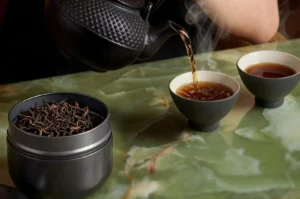
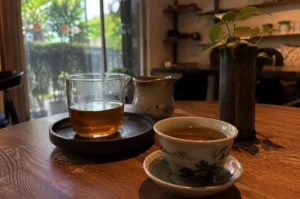
Walk into any Korean restaurant, and before you glance at the menu, a glass of amber-colored boricha (보리차) arrives. This Korean barley tea is as fundamental as water in Korean culture—served hot or cold, a staple in everyday life and a gesture of hospitality.
While roasted barley tea is popular across many East Asian countries, Korean barley tea stands out with its robust, nutty flavor derived from deeply roasted barley grains. This article explores boricha’s unique preparation, health benefits, and cultural significance, providing a comprehensive recipe and tips for brewing at home.
What is Korean Barley Tea (Boricha 보리차)?
Boricha is a caffeine-free barley drink made by brewing roasted barley grains. Unlike true teas, it’s a tisane, naturally sugar free and caffeine free. Korean barley tea is known for its rich, nutty flavor, achieved by roasting barley grains to a dark brown color—almost like coffee beans. This roasting develops a savory, toasty taste distinct from lighter barley teas like Japan’s mugicha.
Boricha is a popular East Asian drink, especially in South Korea, China, and Japan, enjoyed year-round. In Korea, it’s served in restaurants and homes alike, often chilled in summer as a refreshing drink and warm in winter. Many Koreans absolutely love this barley drink for its comforting aroma and satisfying taste, which can be an acquired taste for newcomers.
The Art of Roasting Barley
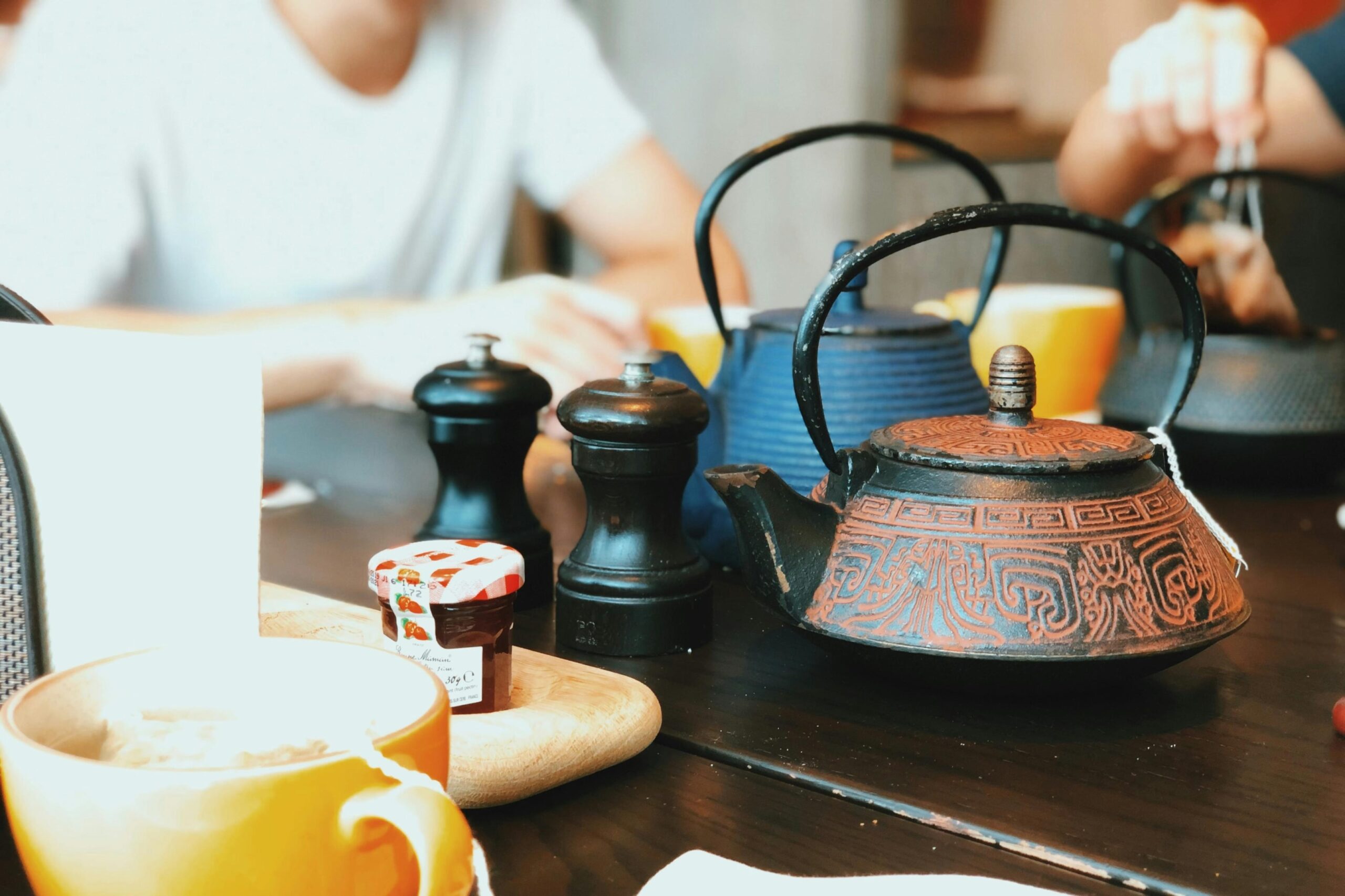
The key to Korean roasted barley tea’s flavor lies in roasting the barley grains properly. Using medium heat and medium low heat, barley is pan-roasted until dark brown, releasing a nutty aroma and rich flavor. The smell of roasting barley grains is deeply nostalgic in Korean households, filling the kitchen with warmth. Under-roasting yields a grassy taste, while over-roasting causes bitterness. This careful roasting distinguishes Korean barley tea from other barley teas in East Asian countries.
Today, many prefer convenient barley tea bags or pre-roasted barley grains, but some still roast their own barley to enjoy the freshest flavor and control the roast level. Roasting your own barley allows you to adjust the flavor intensity, from lighter nutty notes to a darker, coffee-like richness.
Love Hearing from Boricha Enthusiasts
One of the most rewarding parts of sharing Korean barley tea is hearing how much people enjoy it. Many who try boricha for the first time are pleasantly surprised by its nutty, roasted flavor and refreshing qualities. Whether brewed from roasted barley grains or convenient barley tea bags, this barley drink has a way of winning hearts worldwide.
Boricha is called mugicha in Japan, where it is especially popular as a cooling drink during summer months. This shared appreciation across East Asian countries highlights the cultural bond formed through this simple, healthy beverage. Many fans love hearing stories of how boricha is a staple in Korean everyday life, from family meals to summer picnics.
If you’re new to Korean barley tea, give it a try—you might find yourself absolutely loving this caffeine-free, sugar free, and deliciously nutty barley drink that offers a unique taste of Korea’s rich traditions.
Health Benefits of Korean Barley Tea
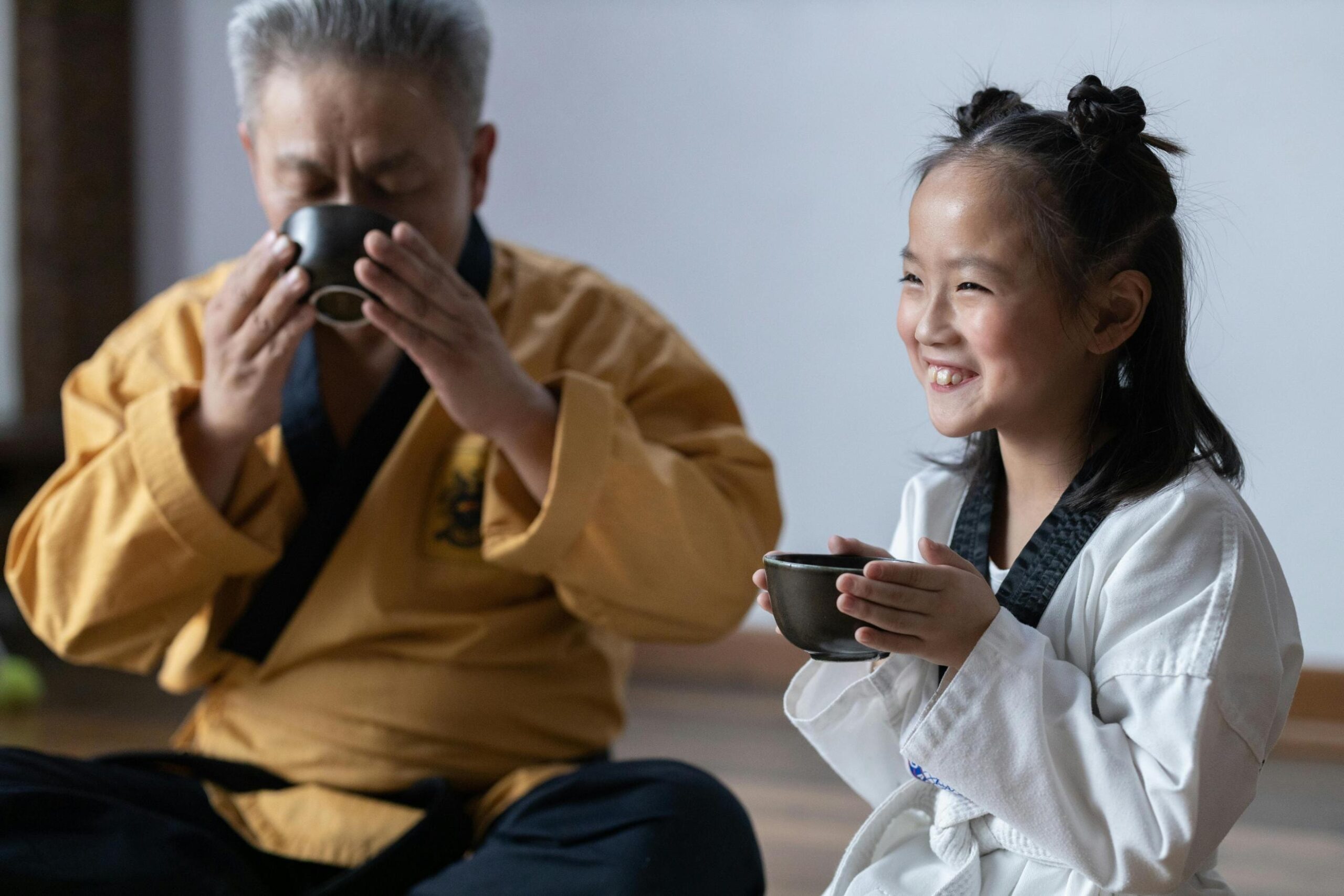
Boricha offers many health benefits, making it a beloved barley drink in Korea and beyond:
- Caffeine Free and Sugar Free: Ideal for all ages, including children and pregnant women, boricha is a safe and healthy hydration option.
- Rich in Antioxidants: Roasted barley grains contain antioxidants supporting overall health and protecting against free radicals.
- Supports Digestive Health: Traditionally consumed after meals to aid digestion and soothe the stomach, barley tea promotes digestive health through its fiber content.
- Promotes Blood Fluidity: Barley tea may improve circulation and overall wellness by enhancing blood fluidity.
- Cooling Drink: Considered a cooling drink in Korean tradition, perfect for hot summers, boricha helps reduce body heat and refresh the body.
- Mineral Rich: Contains essential minerals like selenium, phosphorus, and B vitamins, contributing to a balanced diet.
- Weight Loss Friendly: As a zero-calorie, sugar free beverage, boricha supports weight management when replacing sugary drinks.
How to Brew Korean Barley Tea at Home
Boricha is simple to brew with roasted barley grains or tea bags. Below are authentic recipes for making Korean barley tea that highlight the versatility of this popular drink.
Using Roasted Barley Grains or Cooked Pearl Barley
- In a large pot, bring 2 liters of hot water to a boil.
- Add 2–3 tablespoons of roasted barley grains or cooked pearl barley.
- Reduce heat to medium low heat and simmer for 15–20 minutes, stirring occasionally to release the full flavor.
- Strain the grains and let the tea cool.
- Store chilled and enjoy cold or warm. This method produces rich, flavorful barley water with a deep amber color.
Cold Brew Method
- Place 2–3 tablespoons of roasted barley grains or one tea bag in 2 liters of cold water.
- Steep overnight in the refrigerator to extract a smooth, mild flavor.
- Strain and serve as a refreshing drink, perfect for hot days.
Using Barley Tea Bags
- Place one tea bag in 2 liters of hot or cold water.
- If hot, steep for 10–15 minutes; if cold, steep for 1–2 hours.
- Remove the tea bag and serve. Barley tea bags offer convenience without sacrificing the nutty, roasted flavor.
Korean Barley Tea vs. Other East Asian Barley Teas

Known as mugicha in Japan and enjoyed similarly in China, barley tea varies by roasting style and preparation. Korean roasted barley tea uses darker roasted grains, yielding a richer, nuttier flavor compared to the lighter, sweeter mugicha. Corn tea and buckwheat tea are other popular barley drink alternatives in many East Asian countries, each offering unique taste profiles and health benefits.
Korean barley tea is often paired with roasted corn tea (oksusu cha) to balance flavors and provide a complementary cooling drink experience. The interplay of these traditional beverages highlights the cultural significance of grain-based teas in East Asian diets.
Where to Buy Korean Barley Tea in Singapore
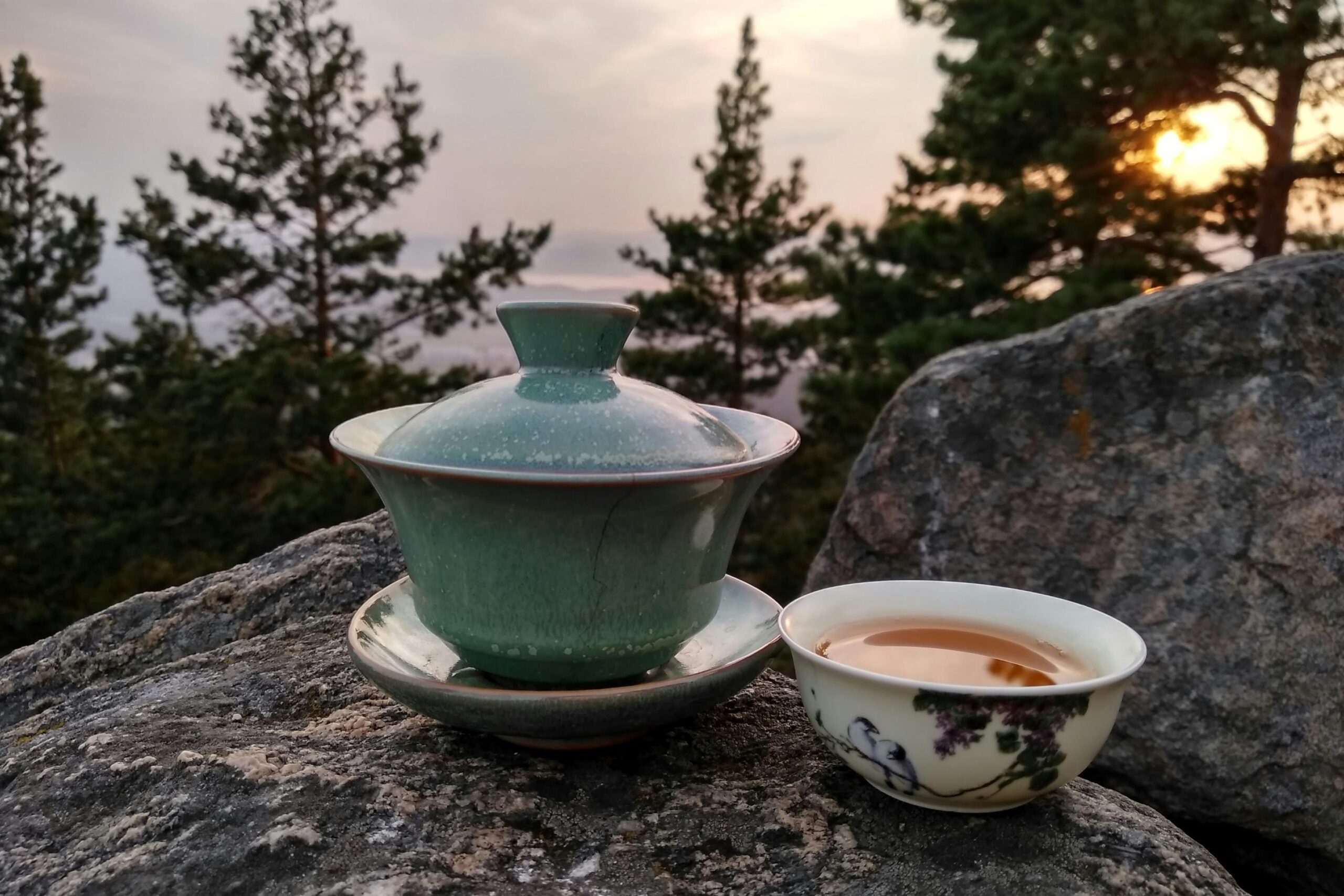
Korean supermarkets like Koryo Mart, Seoul Mart, and K-Mart stock different brands of Korean barley tea, including loose roasted barley grains and barley tea bags. Major supermarkets and online platforms such as Shopee and Lazada also offer various options for those looking to buy authentic Korean barley tea.
When purchasing, look for trusted brands like Dongsuh (동서) and Ottogi (오뚜기), which clearly label their products with images of roasted barley grains and the word “보리차.” This ensures you get high-quality roasted barley tea that delivers the signature rich flavor and health benefits.
Creative Uses for Boricha
Boricha is versatile beyond just drinking:
- Use as barley water to cook rice, adding a nutty flavor and extra nutrients.
- Freeze brewed tea into ice cubes for a subtle infusion in other drinks, enhancing refreshment.
- Mix chilled boricha with milk or plant-based alternatives for a caffeine-free latte with a unique roasted flavor.
- Combine with lemon, honey, or soju to create refreshing mocktails and cocktails.
- Pair boricha with grilled meats, spicy Korean dishes, or savory snacks to balance flavors and provide a cooling effect.
Frequently Asked Questions
- Is Korean barley tea caffeine free? Yes, it is naturally caffeine free.
- Can children drink boricha? Absolutely, it’s often one of the first drinks given to children in Korea.
- How long does brewed tea last? Best consumed within 3-4 days when refrigerated.
- Can barley grains be reused? Yes, it’s common to reuse roasted barley grains for a lighter second brew.
- Does it aid weight loss? As a zero-calorie, sugar free drink, boricha supports weight management.
- What does Korean barley tea taste like? It has a nutty, toasty, and slightly savory flavor with a smooth finish.
Final Thoughts on Korean Barley Tea
Korean barley tea, or boricha, is a delicious, healthy, and culturally rich beverage. Its robust roasted flavor, caffeine-free nature, and many health benefits make it a staple in Korean everyday life and a popular East Asian drink. Whether enjoyed hot or cold, boricha is a refreshing drink that offers a comforting taste of Korea.
By brewing your own boricha with roasted barley grains or convenient barley tea bags, you can experience the unique smell, flavor, and health benefits of this traditional Korean staple. Many who try it are pleasantly surprised by how delicious and versatile this barley drink can be.
Enjoy the rich tradition of Korean barley tea and explore its many uses in your kitchen and lifestyle. Whether you’re seeking a healthy hydration option, a unique flavor experience, or a cultural connection, boricha offers all this and more in every cup.
Additionally, incorporating Korean barley tea into your daily routine can be a simple yet effective way to embrace a healthier lifestyle. Its natural ingredients and absence of caffeine make it an excellent choice for hydration throughout the day, especially for those sensitive to stimulants. With its growing popularity worldwide, boricha is becoming more accessible, inviting more people to discover the comforting and wholesome qualities of this traditional Korean beverage.

Stop Calling It “Premium”: Why Most Luxury Tea Branding Is Empty
There is a word I have become increasingly cautious of in the tea world. Premium. It appears everywhere. Premium leaves. Premium harvests. Premium collections. Premium experiences. The word sounds reassuring. It suggests care, quality, and something worth paying attention to. But after seeing it attached to almost everything, I sometimes wonder whether it has started…
-
Pryce Tea: A Modern Pour with Old Tea-Room Ambitions
I visited on a weekday afternoon, around three, when the city had quieted into that particular lull between lunch and the evening rush. I’d been curious about Pryce Tea for a while, mostly because the brand keeps surfacing among people who talk about teas the way some people talk about wine. With a reputation built…
-
The Seasons in a Tin: How Weather Shapes What I Reach For
I have a small habit that I never really noticed until recently. The weather changes, and somehow, so does the tea I want. On a hot afternoon, I find myself reaching for something light and floral. When rain settles over the windows, I want something darker, warmer, perhaps a little more comforting. On those rare…
-
Ginger Lily Afternoon Tea on Orchard Road: A Floral Chapter in Singapore’s Culinary Story
I noticed the ginger lily flowers before I noticed anything else. Not real ones, exactly. A wall of them, suspended in resin, catching the light as I stepped off the lift on Level 5 at Hilton Singapore Orchard, home to Ginger Lily, a floral-themed afternoon tea lounge on Orchard Road. I stood there a second…
-
Minimalism, But Make It Warm: A Simpler Way to Drink Better Tea
There is a certain irony about tea. The more we learn about it, the easier it becomes to complicate it. A simple cup of leaves and water slowly becomes surrounded by equipment, measurements, techniques, and expectations. We begin collecting teapots, comparing brewing methods, and searching for the perfect setup. None of these things are wrong….
-
A Humble Cup in an Age of Overdesigned Drinks: iTea Review
The bubble tea I queued for last month came with a caramelized brûlée top I had to crack with the back of my spoon. It was fine. Pretty, even. But somewhere between the torched sugar and the cheese foam and the third topping I didn’t ask for, I lost the drink itself. So I went…
-
Matcha Hype Has Gone Too Far (But I Still Drink It)
I have a confession. I am slightly tired of seeing matcha everywhere. Not because I dislike matcha. In fact, I drink it quite often. But there is something amusing about watching a humble tea become the centre of every café menu, wellness conversation, and social media trend. Matcha has gone from a traditional Japanese tea…
-
Hortus Afternoon Tea Review: When the Garden Becomes the Occasion in the Flower Dome
I forgot, for a moment, that I was indoors at Hortus, the Mediterranean restaurant nestled within the Flower Dome at Gardens by the Bay. There were trees above me, real ones, and the air held that cool, green stillness you usually find early in the morning somewhere far from the city. A leaf drifted down…
-
The Real Reason Your Tea at Cafés Tastes Flat
There is a particular disappointment that comes with ordering tea at a café. You see the menu. You notice the carefully written descriptions. Perhaps there is a mention of fragrant jasmine, roasted oolong, or a carefully selected blend. The presentation arrives beautifully arranged, and for a moment, there is anticipation. Then you take the first…
-
Herbal Tea in Chinese: A Cup Shaped by Heat, Balance, and Belief
The first sip was bitter. I was maybe seven, and my grandmother had pressed a small ceramic cup into my hands, dark liquid inside, steam curling up between us. She didn’t explain. She just said, “Drink. You’ve been too heaty.“ I made a face. She didn’t smile. She just waited until I finished. Years later,…