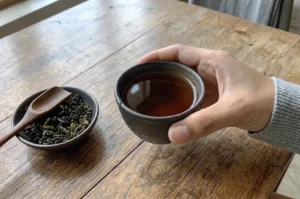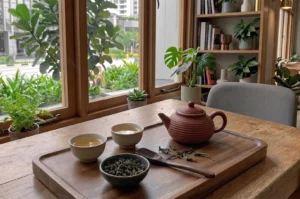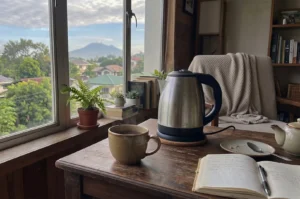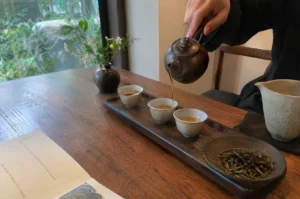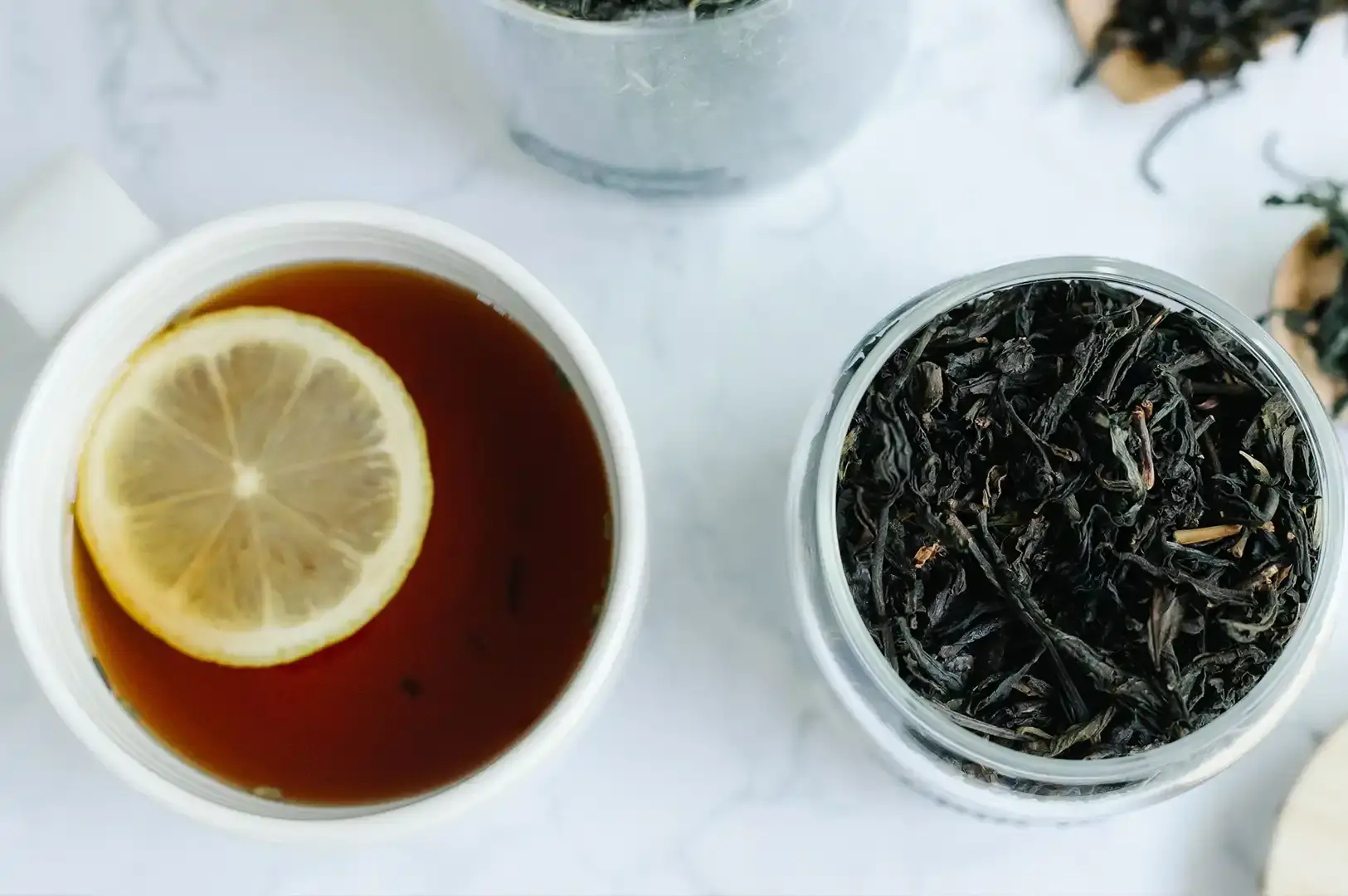
There is a tea that empties rooms and fills them in equal measure. Open a box of loose leaf lapsang souchong black tea, and someone nearby will lean in with delight while another quietly steps away. Few teas provoke such immediate, honest reactions.
That divide is part of its story. This smoked lapsang souchong smells of pine wood smoke and old fires, of campfire air and something faintly tarry. To some, it is comfort in a cup. To others, it tastes like an ashtray.
This article looks at why lapsang souchong tea stirs such strong feeling. It traces the heritage behind the real smoke, the flavors that split a room, and how a curious drinker in Singapore might enjoy lapsang souchong with fresh, open attention rather than fixed expectation.
What Lapsang Souchong Is (and What It Isn't): A Unique Black Tea from Wuyi Mountain
Lapsang souchong is a Chinese black tea, one of the oldest in recorded production. The tea leaves come from the Wuyi region in Fujian province, China, and the tea is fully oxidised, which places it firmly in the black tea family rather than among the green teas of the same hills.
What sets this smoked tea apart is the pine smoke. Traditional lapsang souchong is dried over pine fires, and the leaves absorb that smoky aroma during processing. The result is a pine-smoked tea with a character unlike anything else on the shelf.
It is worth clearing up one common confusion. Not every smoked tea is created the same way. Traditional Fujian versions carry a refined, layered smoke that sits over a sweet base. Many modern, mass-market versions, in contrast, lean on heavier, cruder smoking to chase a strong aroma, and these are often the ones that earn the tea its harshest critics.
There is also an unsmoked style produced in the Wuyi region, sometimes sold as a gentler expression of the same leaf. So lapsang souchong is not a single fixed flavor. It is a spectrum, and where a tea sits on it changes the experience entirely.
A Tea Built on Smoke and History: The Story Behind Smoked Lapsang Souchong
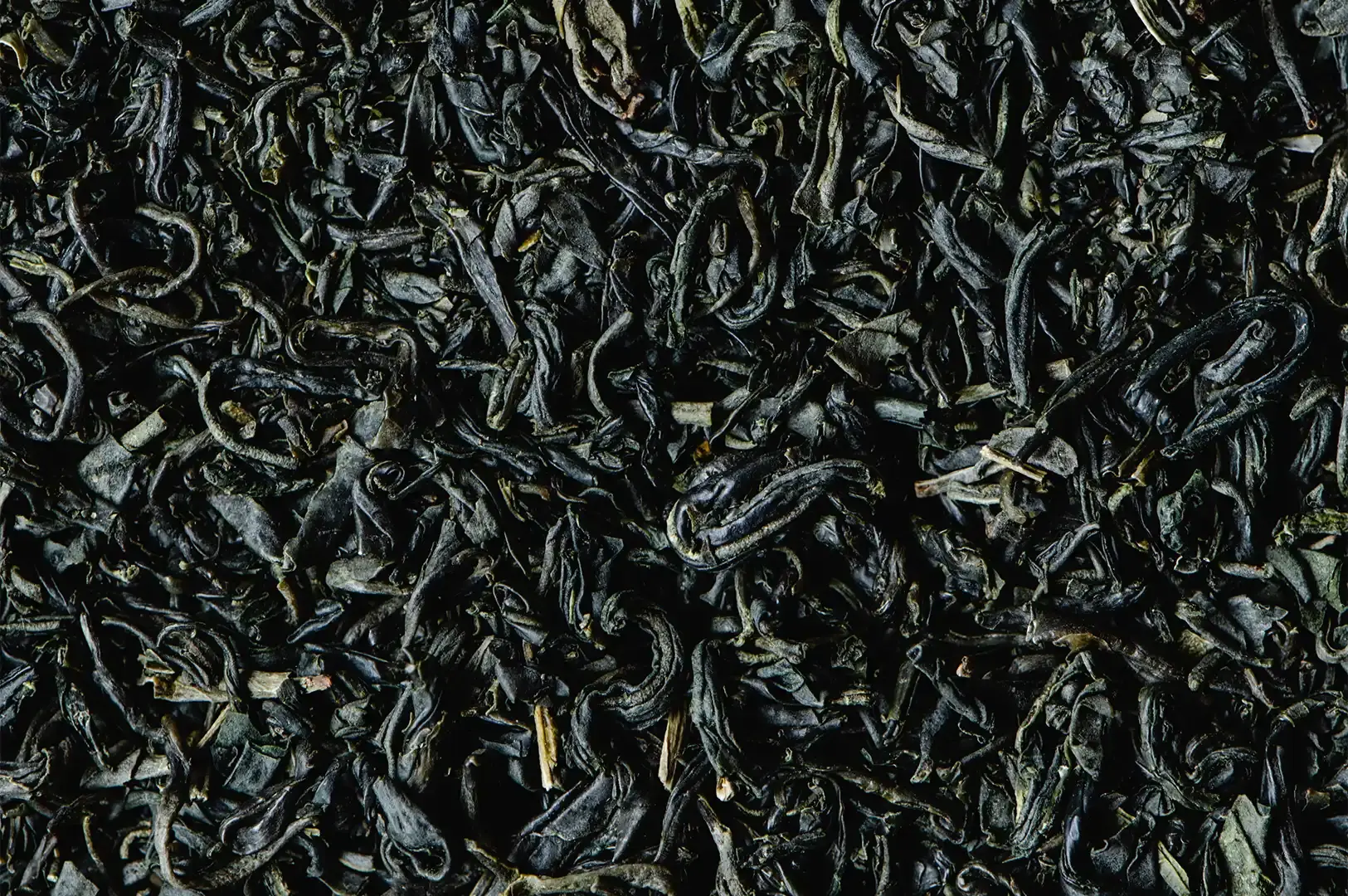
The smoke was not, by most accounts, a deliberate flourish. It began as practical necessity. The widely told story holds that tea farmers in the Wuyi mountains, pressed for time or disrupted during processing, dried their tea leaves quickly over pine wood fires. The smoke seeped in, and a new smoked lapsang souchong tea was born.
That tale is best held lightly. Origin stories in tea often blur memory with legend, and the precise details are difficult to verify. What is clearer is that this region of Fujian province became known for a black tea finished with pine smoke, and that it found an eager audience well beyond China.
Lapsang souchong holds a notable place in tea history as one of the earliest black teas exported westward. Traders carried it abroad, where its bold, smoky profile suited colder climates and heartier tables. In this context, the tea travelled far from its mountain origins and gathered admirers across continents.
As a result, the smoke became its signature rather than its accident. Today, the best Fujian tea makers treat that smoking process as a craft, controlling the heat, the wood, and the timing to produce a balanced cup rather than a brute one.
Why the Aroma and Flavor of Smoked Lapsang Souchong Divides People
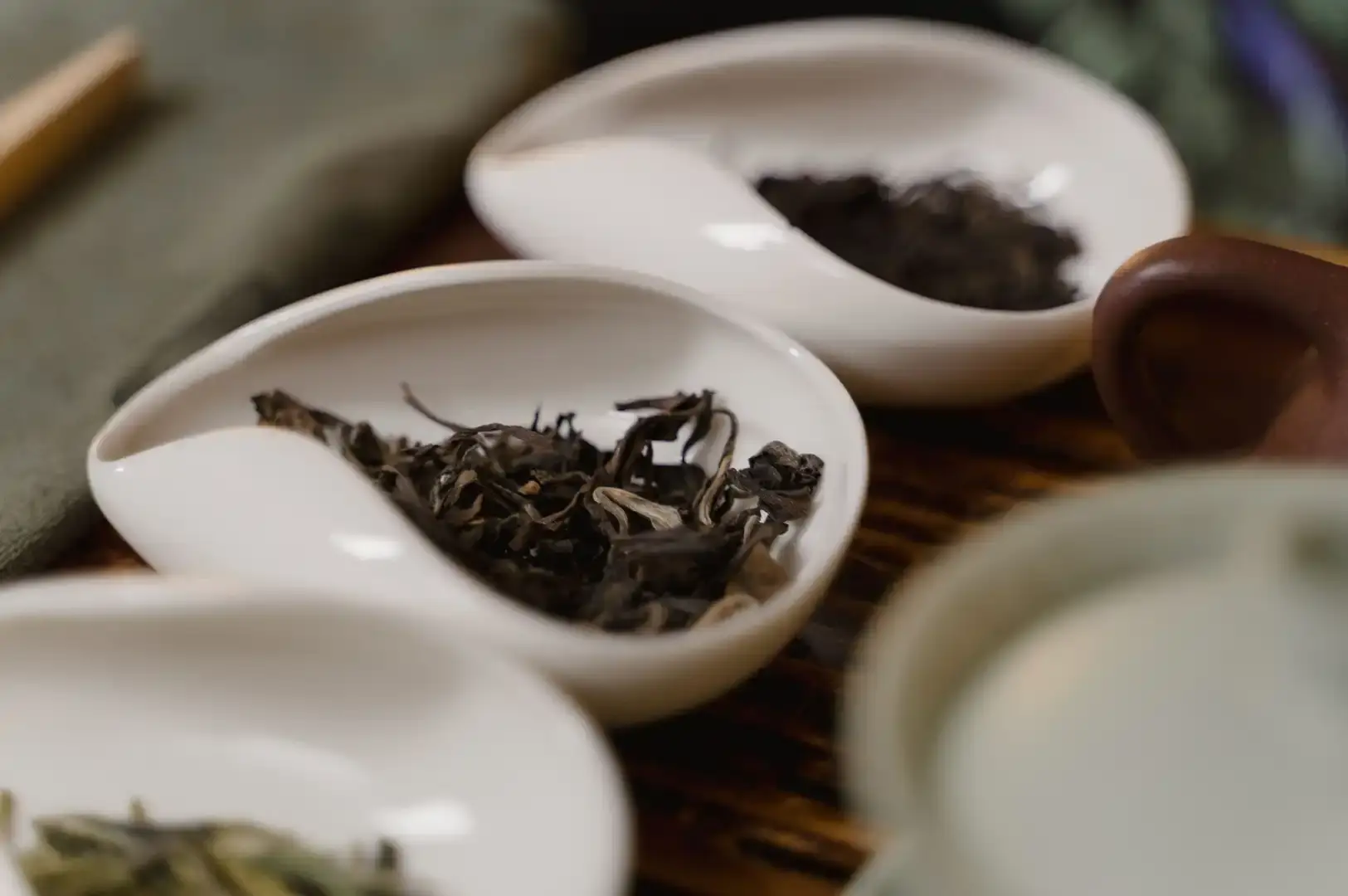
The aroma is where opinions split, often before the first sip. Lift the cup, and the nose meets something immediate and unmistakable.
People reach for familiar words to describe it. Campfire is the most common. Others mention pine resin, bacon, dried longan or other dark fruit, smoked wood, or a faintly tarry edge. None of these are wrong. The tea genuinely carries all of them, in shifting proportion.
The trouble is that smoke is a deeply personal trigger. For one person, it recalls warmth, hearths, and good company. For another, it summons burnt toast or a dirty grill. The same aroma, the same cup, two opposite memories. Imagine the intense contrast that leads to such divided opinions.
This unique profile makes lapsang souchong black tea a memorable occasion for tea lovers seeking a pleasant yet bold experience. Its intense smoky character sometimes even evokes hints of coffee or peated whisky, adding complexity to the red tea base.
Originating from the Wuyi region and traditionally smoked over pine wood fires, including Pinus taiwanensis, lapsang souchong delivers more smoke than many other teas, especially those from Taiwan, known for heavier smoking. This smoky depth sets it apart and defines its place among black teas worldwide.
Here is how the divide tends to fall.
- What enthusiasts appreciate: the depth and warmth, the way smoke layers over natural sweetness, the savory complexity, and the long, lingering finish with a hint of spice.
- What critics struggle with: an aroma that feels overpowering, a sense that the smoke buries the tea beneath it, and a tarry quality that can read as harsh rather than rich.
Neither reaction is wrong. Much depends on the quality of the tea and on the drinker's own associations. A poorly made, heavily smoked version will confirm every critic's complaint, while a well-crafted one can quietly change a skeptic's mind.
Tasting Notes for First Time Drinkers of Lapsang Souchong Tea
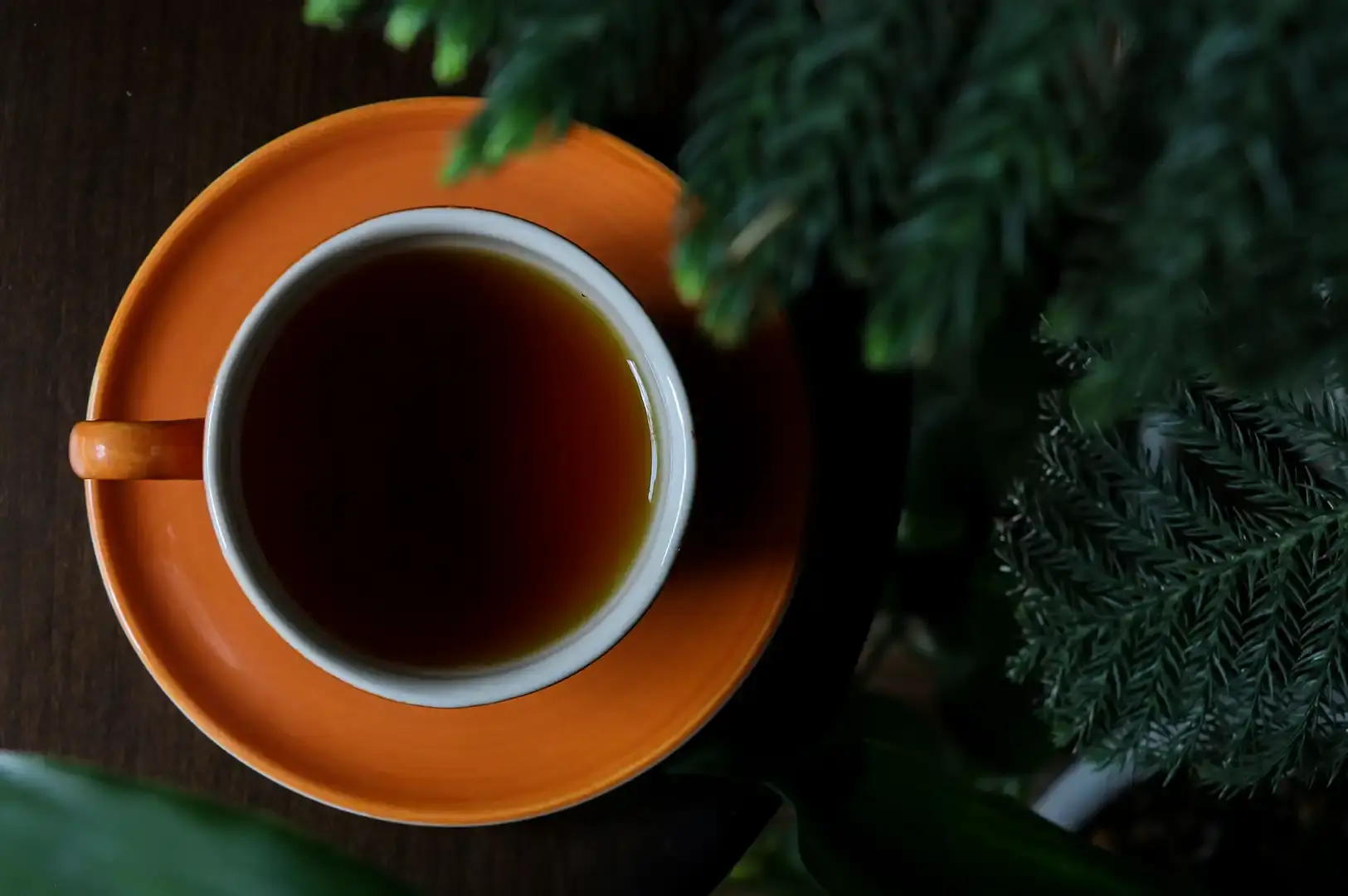
Set aside the aroma for a moment, and the tea reveals more than smoke. Beneath that opening note sits a black tea base with a natural, malty sweetness, the kind found in good Fujian black teas and other black teas like Earl Grey.
A well-made lapsang souchong has a medium to full body and a smooth, rounded mouthfeel. The smoke should sit over the tea, not smother it. In the better examples, the first impression is smoky, the middle turns sweet and warming, and the finish carries a gentle echo of pine and dried fruit. Some drinkers notice a savory, almost meaty quality that lingers pleasantly, reminiscent of bacon or barbecue.
Quality shows in how the smoke behaves. In a fine cup, the smoke feels integrated, woven into the tea rather than sitting on top of it like a coat of soot. In a lesser cup, the smoke is harsh and one-dimensional, often paired with bitterness and a drying astringency that tightens the mouth.
The aftertaste tells its own story. A good version leaves a clean, sweet warmth that invites another sip. A poor one leaves only ash. When judging these tea tasting notes, balance is the marker worth watching. The smoke should be a guest at the table, not the only one speaking.
How to Brew and Enjoy Lapsang Souchong: Hot Tea and Iced Tea Options
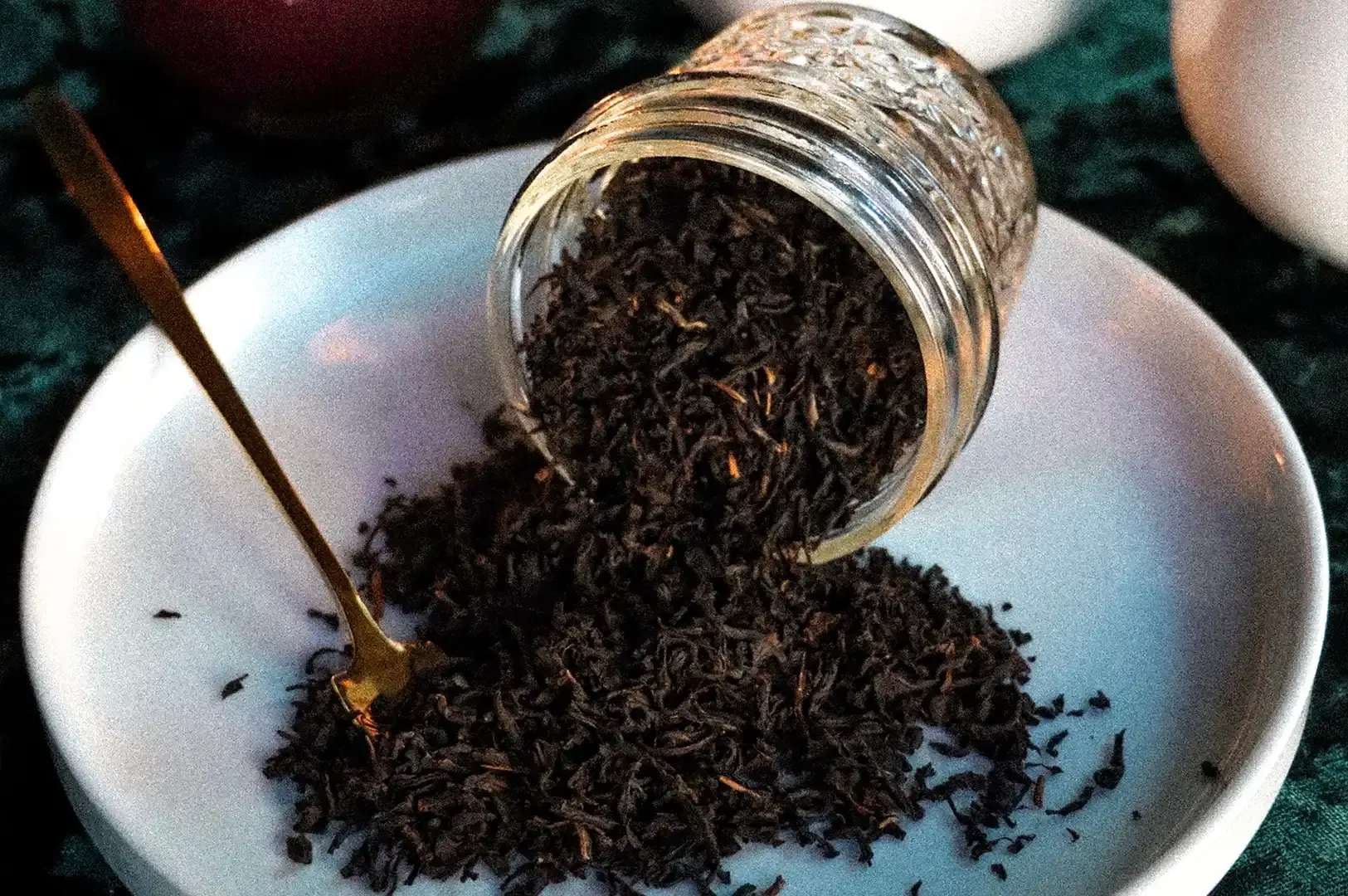
Many people meet lapsang souchong at its worst, brewed too strong and too long, and never return. The tea is more sensitive than its bold reputation suggests, and a little restraint goes a long way.
Because the smoke is already assertive, this tea rarely needs aggressive brewing to make itself known. For the best flavor, brew loose leaf lapsang souchong tea with filtered water at about 95 C. Use about one teaspoon (2 to 3 grams) of tea leaves per 150 milliliters of water. Pour the hot water over the leaves and steep for 3 to 5 minutes. Taste at 2 minutes, then every 30 seconds to find your preferred balance.
Lapsang souchong is delicious as a hot tea, perfect for an afternoon pick me up or a quiet evening. It can be enjoyed plain or infused with milk, though some find the smokey and milk mix unusual.
For a refreshing twist, try lapsang souchong iced tea. Cold brew with one ounce of loose leaf smoked lapsang souchong per gallon of filtered cold water. Refrigerate for at least 3 hours, strain, and serve with a hint of fresh mint or lemon. The iced tea version has a lighter smokiness that works well on warm days.
Pairings and Culinary Uses: How to Create Delicious Meals with Lapsang Souchon
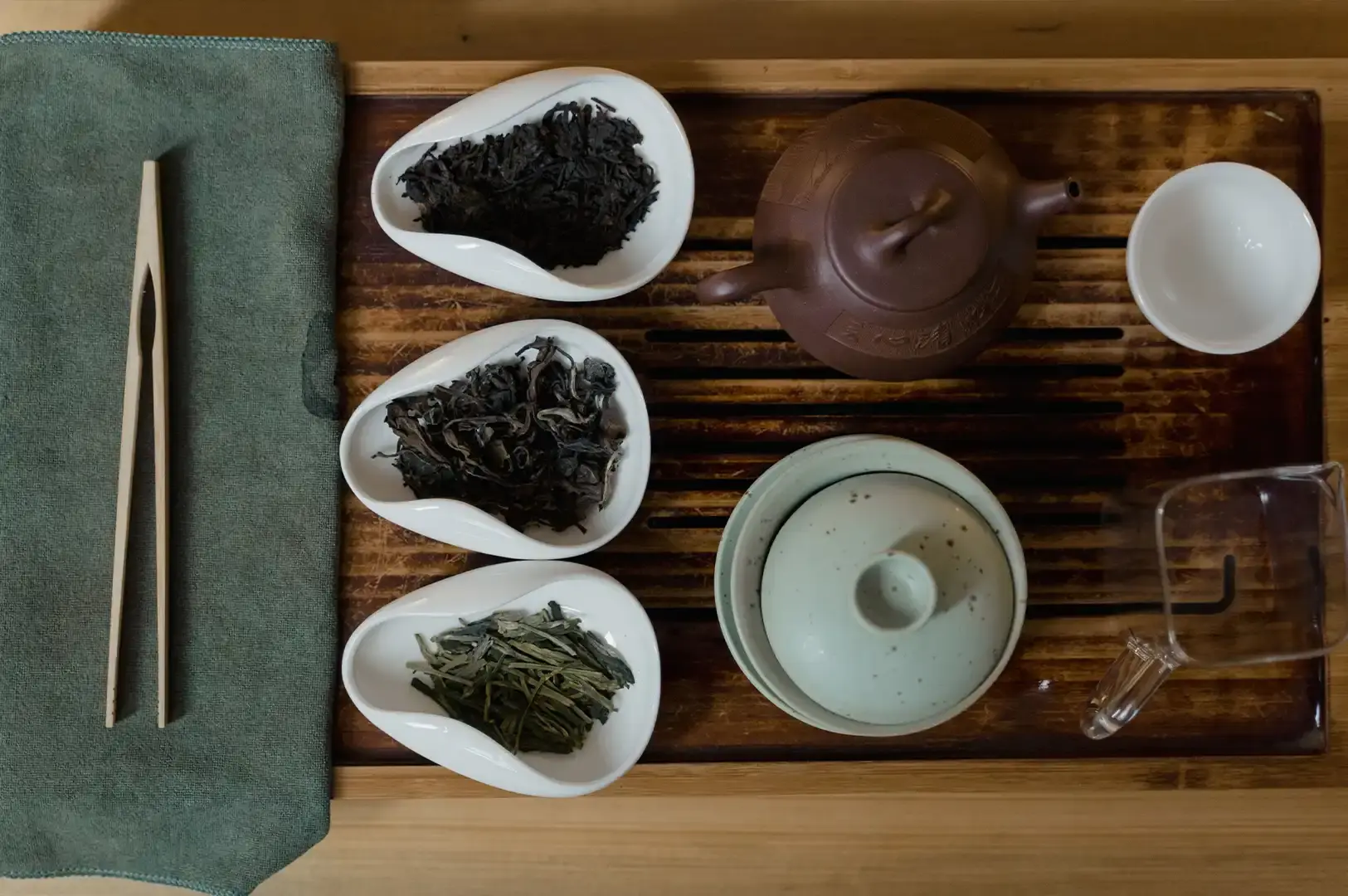
For those unsure about drinking lapsang souchong tea alone, food can be the bridge. This smoked black tea often makes more sense beside the right dish, where its smoke finds a partner rather than standing solitary.
- Smoked meats and barbecue: the shared smokiness creates harmony rather than clash, each lifting the other.
- Eggs and savory pastries: buttery, flaky bites give the smoke something gentle to rest against.
- Soups, stews, and sauces: lapsang souchong can be brewed and added to create smoky depth in stocks and sauces.
- Strong cheeses and dark chocolate: the tea cuts through richness while echoing savory depth.
- Boiled eggs: infused with lapsang souchong tea, they gain an interesting smoky flavor.
The logic behind tea pairing here is simple. Lapsang souchong does not want delicate, floral company like green tea or Earl Grey. It wants foods with character, foods that can stand beside smoke without disappearing.
Choosing and Storing Good Lapsang Souchong Tea Leaves
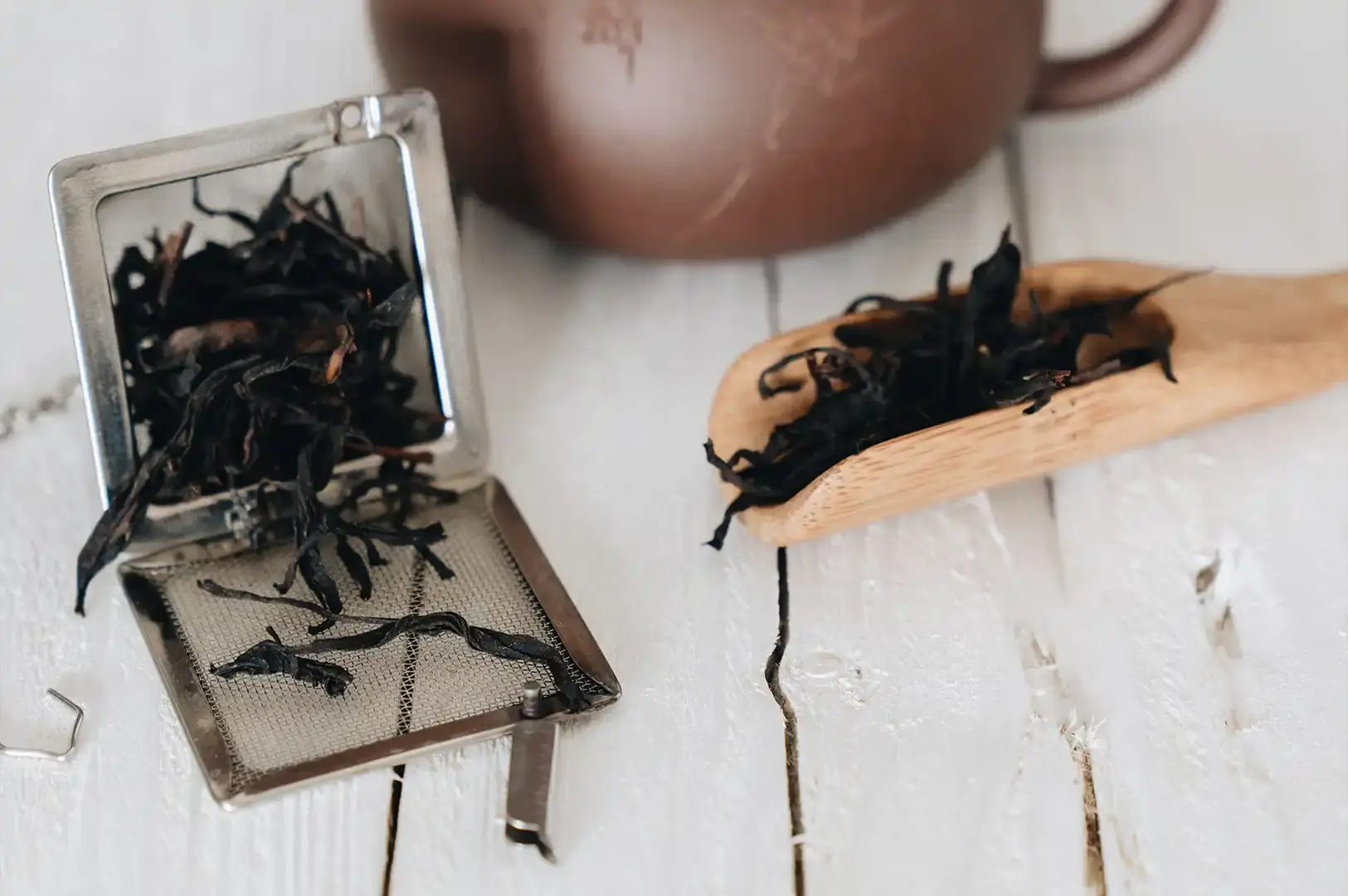
The gap between a wonderful cup and a dreadful one is wide, so a few considerations help a buyer choose wisely.
Origin transparency matters first. Teas that clearly state their Wuyi or wider Fujian province roots, and that describe how they were smoked with pine wood or smoked pine, tend to reflect more careful production. Vague labelling often signals a generic, heavily smoked blend made for shock rather than balance.
The word souchong refers to the fourth and fifth leaves of the tea plant, which are coarser than the finer leaves and the bud. These leaves absorb smoke better, making lapsang souchong a unique use of those leaves that might otherwise be overlooked.
Balance is the quality that separates the best from the rest. A good tea lets its natural sweetness show through the smoke. Freshness counts as well, since stale leaves can turn dull and overly sharp. Whole, intact leaves laid carefully in a sealed box away from light and moisture hold their character far longer than broken, dusty ones.
A Quiet Invitation to Enjoy Lapsang Souchong
The controversy around lapsang souchong black tea is, in the end, an invitation. A tea that divides so cleanly is a tea worth meeting on its own terms, with curiosity rather than a fixed verdict.
For readers in Singapore, whether long familiar with Chinese tea or only beginning to explore it, there is real pleasure in tasting thoughtfully. Try a traditional smoked lapsang souchong beside a lighter one. Notice how the smoke shifts when brewed gently at 95 C. Sit with it on a cool evening, perhaps with a little dark chocolate or an afternoon pick me up, and let the cup speak before deciding.
Those who wish to understand it further may find tea education a calm place to keep learning. There is no rush to love it, and no shame in not. The point is simply to taste with attention, and to let one of tea’s most divisive cups make its case.
Visit us at Tea Manor Singapore for a deep dive on restaurants that serve Tea well in your cups.

Not All Comfort Is Sweet: The Bitterness I Now Appreciate
I used to think comfort was supposed to be easy. A familiar drink. A familiar taste. Something that immediately made me feel better. For a long time, I gravitated towards teas that were gentle. Soft flavours. Natural sweetness. Anything that felt welcoming from the first sip. Then I started appreciating bitter teas. Not because I…
-
Understanding the Herb Behind the Refreshing Cup: Peppermint Tea
There is a moment, just after the hot water meets the fresh peppermint leaves, when the whole room seems to change. A sharp, green coolness lifts from the cup and settles somewhere behind your eyes. Drinking peppermint tea does this quietly, without fuss. It asks for nothing and offers a great deal. Most of us…
-
Why Most People Hate Oolong: Overcomplicated Advice Ruined It
I have always found it interesting that oolong tea is one of the most misunderstood teas. People often describe it as complicated. Too many varieties. Too many brewing methods. Too many rules. The leaves should be prepared this way. The water should be at this temperature. The teapot should be a certain material. The first…
-
Kempinski Singapore High Tea Review: When Afternoon Tea Feels Like an Occasion
The rain had come and gone by the time I arrived, leaving the street outside slick and quiet. I stepped in without knowing quite what I wanted from the afternoon. Only that I wanted it to be slow. The Lobby Lounge at The Capitol Kempinski Hotel Singapore does not rush you. It waits. And there…
-
Scent, Memory, and a Kettle: How Tea Anchors My Days
There are certain smells that bring us somewhere else before we even realise it. The scent of rain on warm pavement. A familiar perfume. The food someone used to make when we were younger. For me, tea belongs in that category. Sometimes, before I even take a sip, the aroma is enough to bring back…
-
The Chinese Yixing Teapot: More Than a Teapot, a Living Tea Tradition
The first time I held a Chinese Yixing teapot, I wasn’t ready for how warm it would feel. Small, reddish-brown, sitting in my palm like a river stone that had been kept somewhere warm. I’d just rinsed it with hot water, the way you’re supposed to before the first brew, and the clay drank up…
-
Your “Tea Sommelier” Might Be Selling You a Vibe, Not a Better Cup
There is a particular moment that has become increasingly familiar in modern tea culture. A tea is presented. Before the first sip, we are introduced to its story. The region. The altitude. The history. The carefully chosen words that describe its character. Perhaps there are notes of wildflowers, distant forests, roasted grains, or forgotten memories….
-
Does Tea Contain Caffeine? Understanding What’s Really in Your Tea
There’s a quiet moment many of us know well. The kettle clicks off. Steam curls up. You wrap your hands around a warm cup and feel your shoulders drop, just a little. Tea has always carried this sense of calm, of slowing down. So it can feel almost contradictory to ask: does tea contain caffeine?…
-
“Detox Tea” Is Mostly Marketing: Here’s What Tea Actually Does
I have always found the phrase “detox tea” a little strange. Not because I dislike tea. Quite the opposite. Tea has been part of my daily life for years. I love the quiet ritual of choosing leaves, waiting for the water, and taking a moment to slow down. But somewhere along the way, tea became…
-
The Tea House That Time Did Not Forget: Tea Chapter Trading Pte Ltd
I almost walked past it. Located at Nine Neil Road, Tea Chapter Trading Pte Ltd sits quietly, a three-storey shophouse just across from Maxwell MRT in Singapore, its restored facade catching afternoon light. Around it, Chinatown moves at its usual pace. Inside, something slower has been happening since October 1989. I stepped in on a…