The rhythmic clanging of metal kettles echoes through narrow lanes as steam rises from countless chai stalls across India. The intoxicating aroma of cardamom, cinnamon, and fresh ginger mingles with robust black tea, creating an olfactory symphony that has captivated souls for centuries. This is masala chai—not merely a beverage, but a cultural phenomenon that transcends social boundaries and geographical borders. What began as ancient Ayurvedic medicine has evolved into global comfort, yet its heart remains distinctly Indian, preserving traditions that unite millions over a simple cup of masala chai.
Ancient Beginnings: When Spices Met Tea
Long before tea leaves reached Indian shores, Ayurvedic practitioners were brewing medicinal concoctions with warming spices. The tea plant arrived in India through various trade routes, but it was the indigenous wisdom of combining fragrant spices with these leaves that birthed what we know as masala tea.
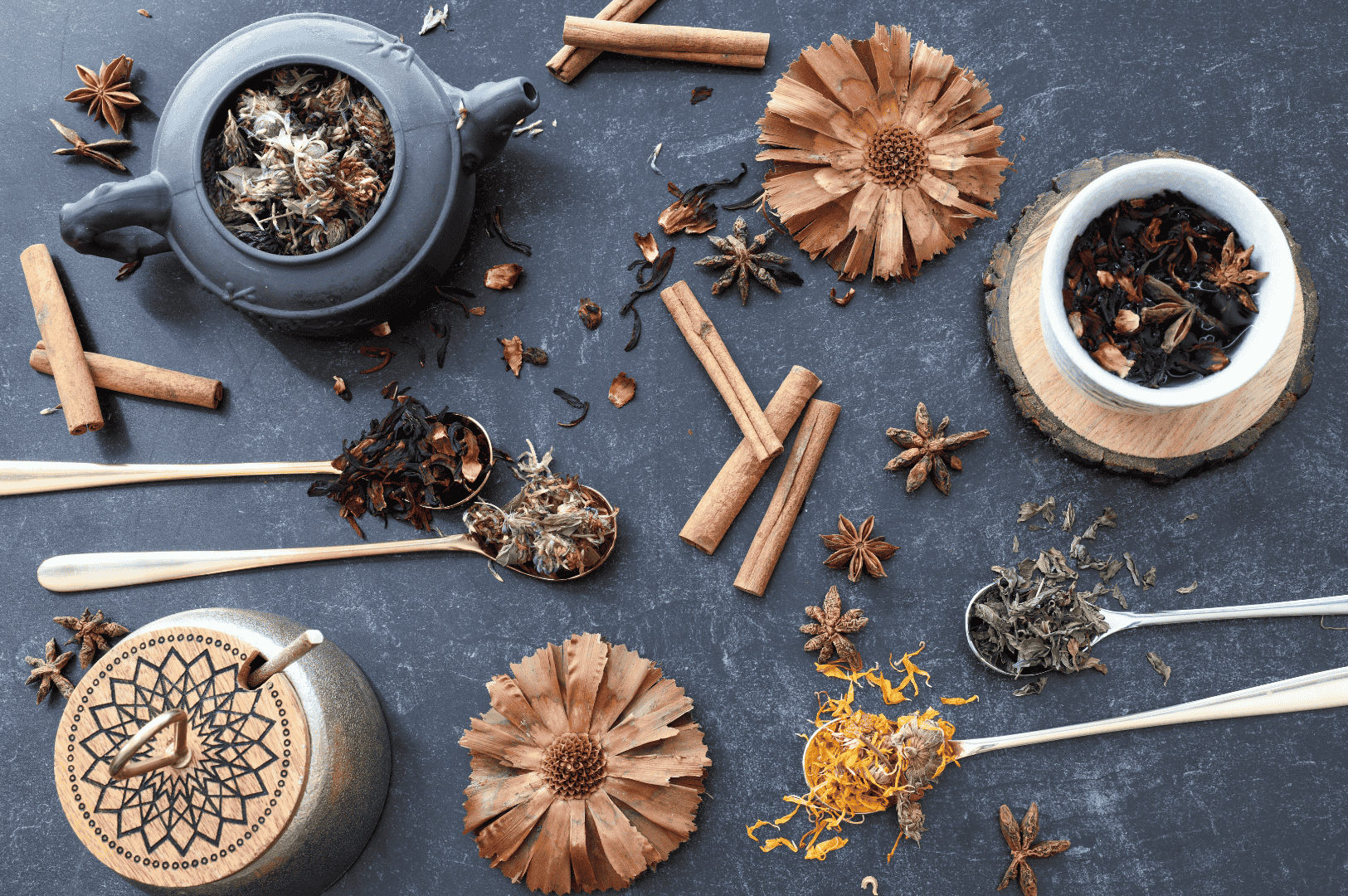
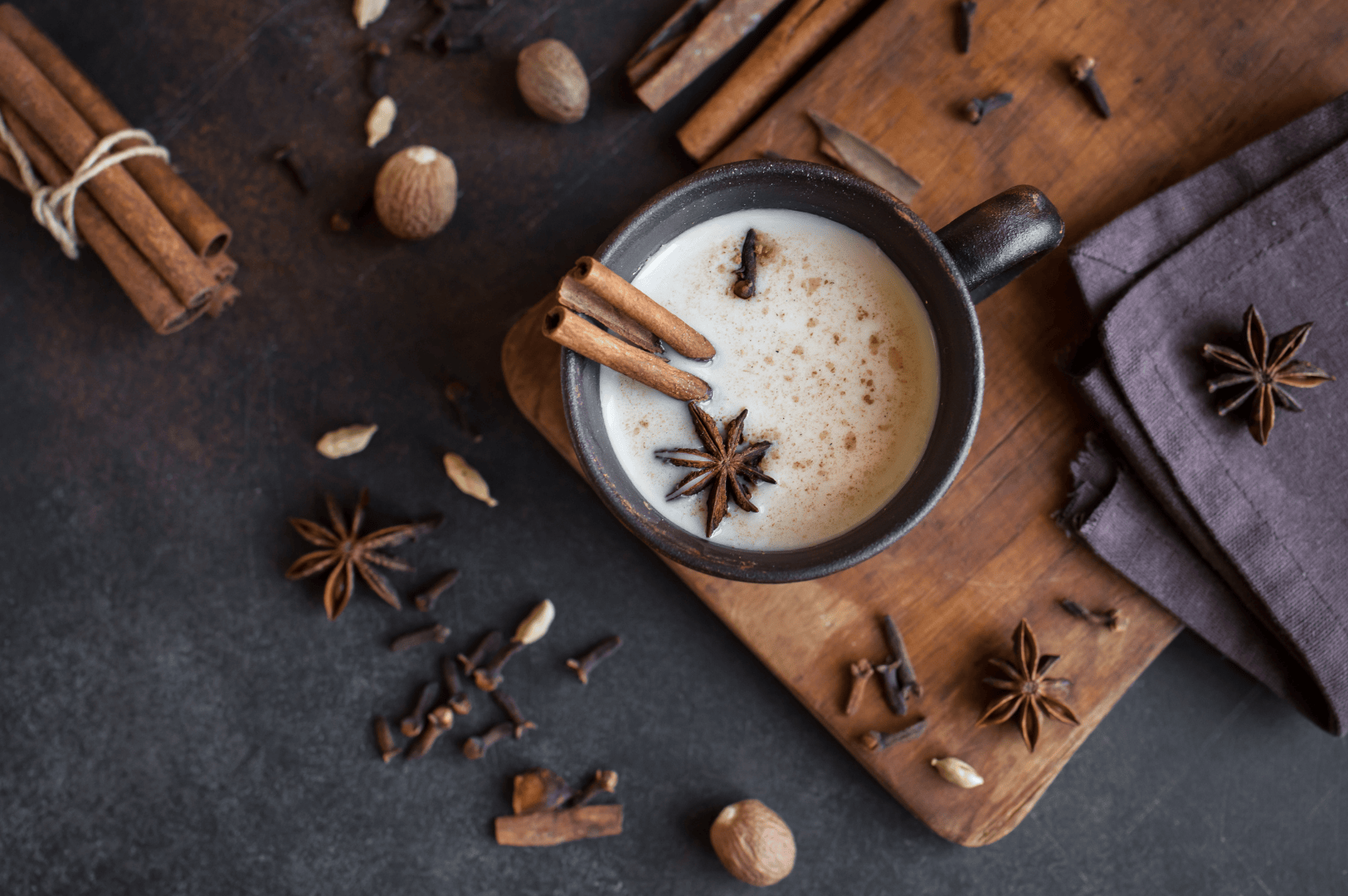
Ancient texts prescribed fresh ginger for digestion, green cardamom pods for respiratory health, and ceylon cinnamon for circulation. These aromatic spices formed the foundation of traditional indian tea culture, where drinking tea became synonymous with healing. The masala chai translates to "spiced tea," reflecting this marriage between medicinal herbs and the newly introduced tea leaves that would revolutionize Indian tea drinking practices.
Colonial Influence: The British Legacy Transformed
The Rise of Tea Plantations and Black Tea
The British East India Company established sprawling tea plantations across Assam and Darjeeling, transforming these regions into the backbone of global tea trade. The Tea Board of India promoted assam tea and darjeeling tea production, but Indian tea drinkers had different ideas about how to consume this bitter brew.
Rather than adopting British tea customs, Indians revolutionized the experience by adding milk and sugar along with their beloved whole spices. Tea stalls sprouted at railway stations where chai vendors became cultural ambassadors, serving steaming cups to travelers from all walks of life.
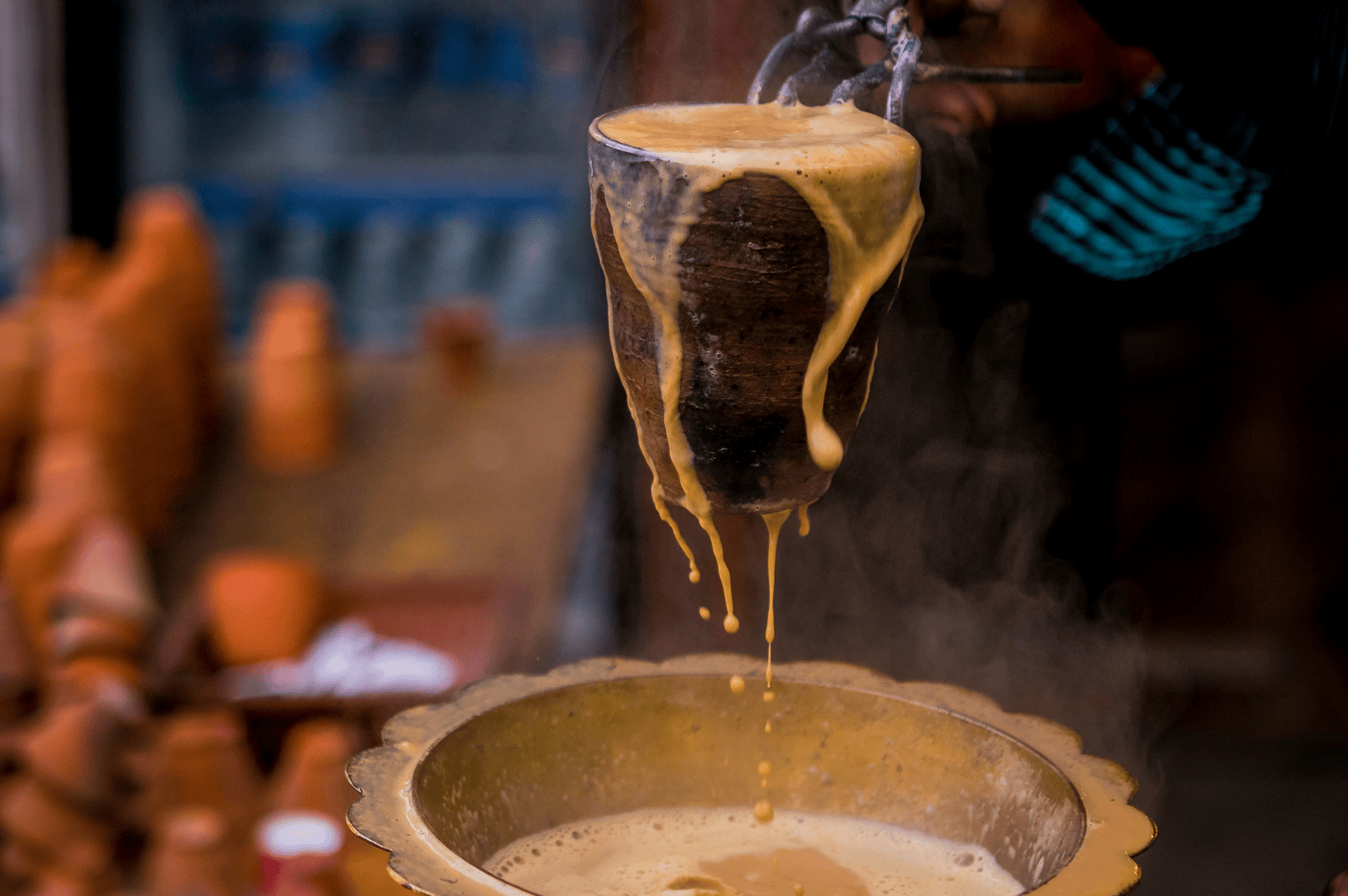
The chai wallahs emerged as vital figures in Indian society, making authentic masala chai accessible to working-class Indians who couldn't afford elaborate tea ceremonies. Their metal kettles and clay cups became symbols of democratic refreshment, where a perfect cup cost mere pennies but delivered immeasurable comfort.
Regional Variations & Ingredients: The Masala Dabba Tradition
Traditional Masala Chai Recipes Across India
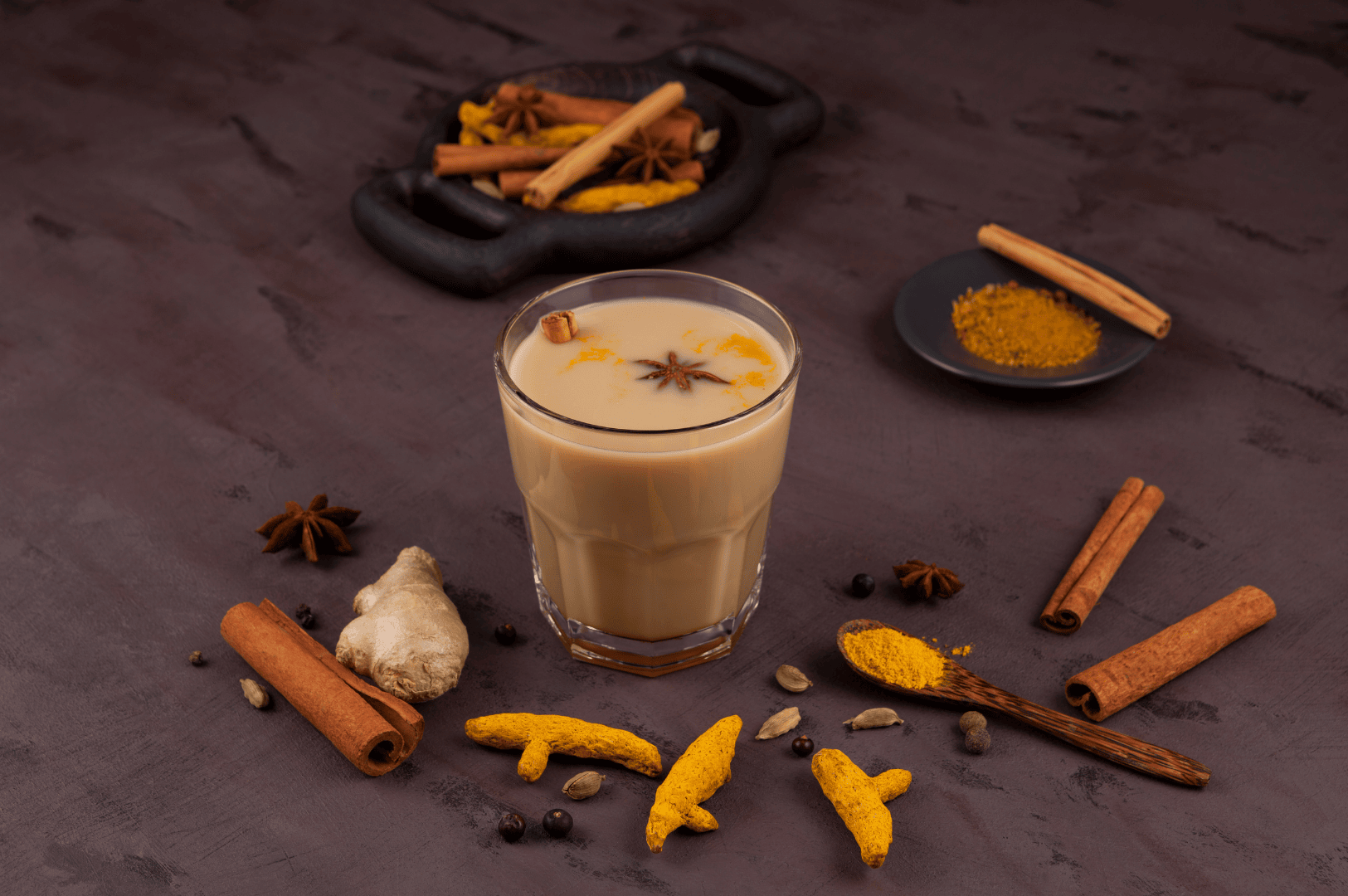
Every Indian household treasures its masala dabba—a spice box containing the essential ingredients to make masala chai. The fundamental recipe combines black tea bags or loose tea with aromatic herbs, but regional preferences create delightful variations.
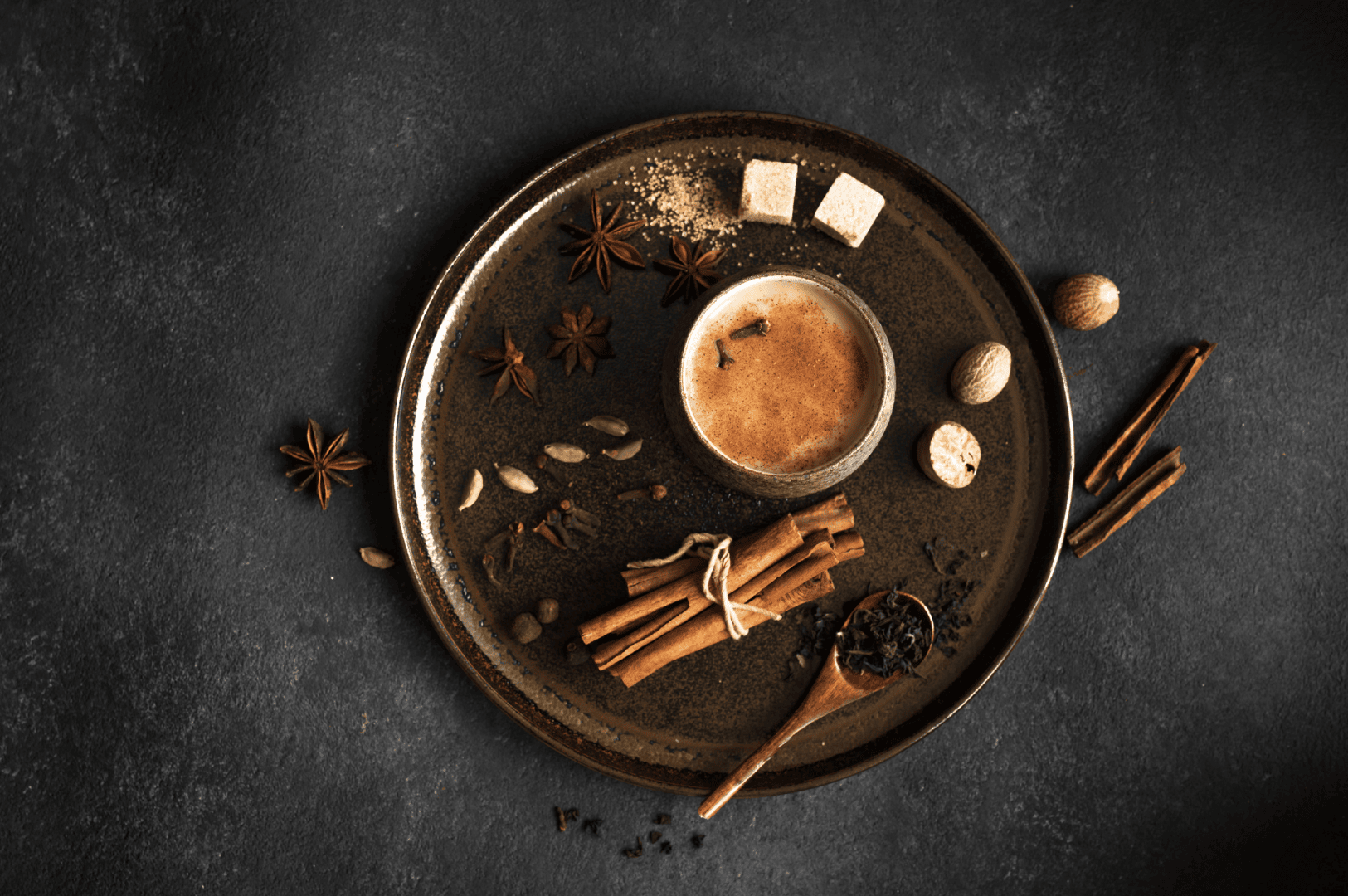
Kashmir celebrates cardamom-heavy blends, while Gujarat favors ground ginger's fiery kick. South india incorporates black pepper and star anise, creating complex flavor profiles that reflect local palates. The spice mix typically includes cinnamon sticks, fennel seeds, and sometimes maple syrup for sweetness instead of brown sugar.
Authentic preparation involves boiling water with whole spices, adding tea leaves, then incorporating milk to create that signature milky tea consistency. The technique to aerate chai—pouring the mixture between vessels to create foam—transforms a simple hot cup into a textured delight. Traditional serving in clay cups enhances the earthy experience, making each sip a sensory journey through India's rich culinary heritage.
Cultural Significance: More Than Just Drinking Tea
The Social Fabric of Chai Culture
Masala chai serves as India's great equalizer, transcending caste, class, and religious boundaries. The phrase "chai pe charcha" (discussion over tea) captures how this spiced tea facilitates conversations that might otherwise remain unspoken. From boardrooms to construction sites, tea breaks punctuate Indian life with moments of shared humanity.
Women have been the custodians of chai masala powder recipes, passing down secret spice combinations through generations. These family formulations represent culinary heritage more precious than gold, with each household claiming their blend creates the ultimate cup of chai.
The Indian diaspora carried these traditions worldwide, establishing south asian grocery stores and introducing coffee shops to authentic masala chai preparation. What started as traditional indian tea became a bridge connecting immigrant communities to their roots while introducing new cultures to this aromatic beverage.
International coffee chains began offering chai tea latte versions, though purists argue these steamed milk concoctions pale compared to the real experience. The journey from street-side tea stalls to global recognition demonstrates chai's universal appeal while highlighting the importance of preserving authentic preparation methods.
Singapore's Masala Chai Scene: Where to Find Authentic Masala Chai
Traditional Establishments in Little India
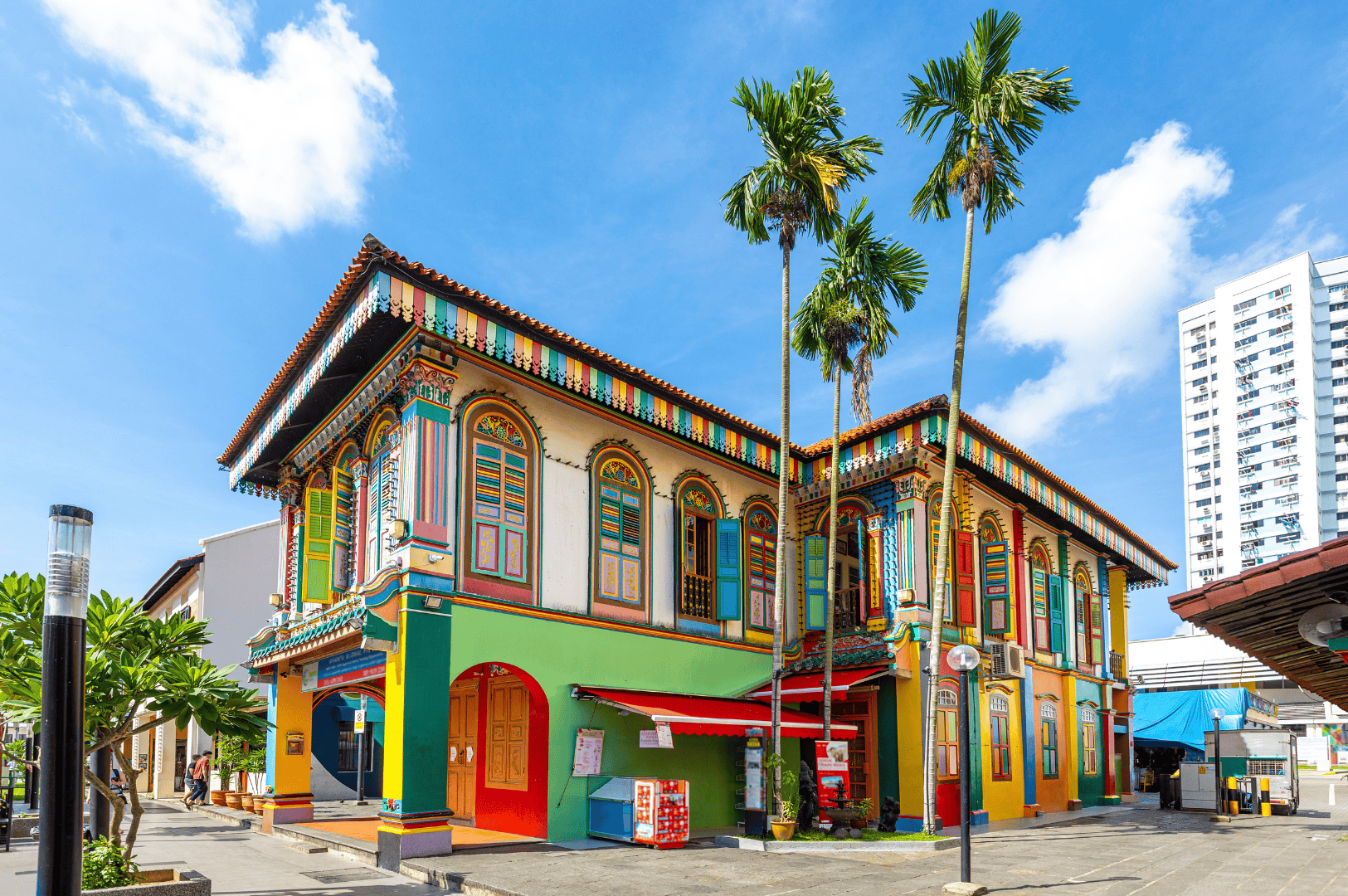
Singapore's vibrant indian tea culture thrives in Little India, where the aroma of chai masala wafts through bustling streets. Tekka Centre houses numerous chai vendors who prepare authentic masala chai using traditional methods, boiling water with fragrant spices before adding strong CTC tea and creating that perfect milky cup.
Banana Leaf Apolo has been serving generations of families their signature masala chai, prepared with fresh ginger and a carefully guarded spice mix. The restaurant's tea sellers understand that each cup of chai represents cultural continuity, maintaining recipes that connect Singapore's Indian community to their ancestral homeland.
MTR (Mavalli Tiffin Room) brings South Indian chai traditions to Singapore, incorporating unique spices that reflect regional preferences from Karnataka. Their approach demonstrates how indian masala chai varies across different states while maintaining core preparation principles.
Contemporary Cafés and Artisanal Producers
Modern establishments like CHAITEA balance tradition with innovation, using oat milk for lactose-intolerant customers while preserving the essential spice combinations that define authentic masala chai. They source ingredients from reputable tea vendors who understand the importance of quality in creating the perfect cup.
The Singapura Club offers a premium chai experience, using single-origin tea leaves and grinding their own spice mix fresh daily. Their commitment to authenticity attracts both homesick Indians and curious locals eager to experience genuine indian tea culture.
Local artisanal producers now create chai masala powder blends specifically for Singapore's diverse palate, available in south asian grocery stores throughout the island. These locally-made products allow residents to make masala chai at home, using traditional recipes adapted for modern convenience without compromising flavor integrity.
Modern Innovations & Future of Chai Tea
Contemporary culinary artists incorporate masala chai flavors into desserts, ice creams, and baked goods, expanding the beverage's influence beyond traditional boundaries. Local coffee shops experiment with coconut sugar and alternative sweeteners, accommodating health-conscious consumers while maintaining the warming spice profiles that make chai distinctive.
The artisanal movement emphasizes quality sourcing, with tea producers focusing on single-estate leaves and organic spice cultivation. This shift toward premium ingredients reflects growing appreciation for craftsmanship in tea production, elevating masala chai from street beverage to gourmet experience.
Digital platforms now connect traditional chai vendors with modern consumers, allowing authentic recipes to reach global audiences. This technological bridge ensures that time-honored preparation methods survive while adapting to contemporary lifestyles, proving that traditions can evolve without losing their soul.
A Cup of Masala Chai and Beyond
Masala chai's remarkable journey from ancient Ayurvedic medicine to global comfort beverage demonstrates the power of cultural adaptation and preservation. Singapore's authentic masala chai scene offers residents and visitors opportunities to experience this rich tradition firsthand, whether through traditional tea stalls or innovative contemporary interpretations. As chai continues evolving worldwide, its essence remains unchanged: bringing people together over shared warmth, one perfect cup at a time.
If you’d like to explore more iconic teas, you can discover The Dragon Well Legacy: Exploring China’s Legendary Longjing Tea or learn about Matcha Tea: The Versatile Japanese Green Tea Powder.

“Detox Tea” Is Mostly Marketing: Here’s What Tea Actually Does
I have always found the phrase “detox tea” a little strange. Not because I dislike tea. Quite the opposite. Tea has been part of my daily life for years. I love the quiet ritual of choosing leaves, waiting for the water, and taking a moment to slow down. But somewhere along the way, tea became…
-
The Tea House That Time Did Not Forget: Tea Chapter Trading Pte Ltd
I almost walked past it. Located at Nine Neil Road, Tea Chapter Trading Pte Ltd sits quietly, a three-storey shophouse just across from Maxwell MRT in Singapore, its restored facade catching afternoon light. Around it, Chinatown moves at its usual pace. Inside, something slower has been happening since October 1989. I stepped in on a…
-
Expensive Tea Doesn’t Guarantee a Better Cup, Here’s Why
There is a belief in tea that we rarely question. If something costs more, it must be better. It is an understandable assumption. A rare tea from a respected region, carefully harvested and beautifully packaged, naturally creates expectations. We associate price with effort, craftsmanship, and quality. And often, that connection is justified. But not always….
-
SUN with MOON Singapore at Wheelock Place: A Unique Tea Dining Cafe Experience on Orchard Road
The lunch crowd had gone. Dinner hadn’t arrived yet. I came in during that strange, in-between hour, a little after three on a weekday, when the escalators at Wheelock Place hum quietly and Orchard Road feels almost gentle. Most people were still at their desks. I wasn’t. I wanted tea, and I wanted to sit…
-
Cold Brew Tea Is Underrated (And Hot Purists Are Missing Out)
I used to think tea had to be hot. There was something about the ritual of it. Boiling water, warming the pot, watching the leaves open. A proper cup of tea seemed to require steam. Then I tried cold brew tea, and I had to admit something slightly uncomfortable. I liked it. More than I…
-
All Things Delicious Review: The Quiet Pleasure of Tea and Cake.
There’s a particular kind of afternoon that asks for tea, and All Things Delicious answers it with a quiet, comforting tea-and-cake experience on Arab Street: handmade sweet treats, warm approachable teas, and a room that makes simple pleasures feel like enough. Not coffee, with its urgency. Tea. The slow kind, poured while the conversation drifts…
-
Wellness Tea Is a Scam, but Tea Can Still Be Good for You
There is a strange contradiction in the way we talk about tea today. For centuries, tea was appreciated for its taste, its rituals, and the moments it created. Today, it is often sold as something else entirely. A solution. A promise. A shortcut. The language surrounding wellness tea has become increasingly familiar. Detox tea. Cleansing…
-
Camellia Tea: A Blossom, A Leaf, A Legacy Rooted in Camellia Sinensis
My grandmother kept her camellia tea in a battered tin that had once held biscuits. She never called it anything fancy. It was just cha, brewed strong in the mornings using fresh tea leaves from the tea plant, poured into small cups that had lost their matching saucers years ago. I didn’t know then that…
-
Why “Caffeine-Free Tea” Marketing Should Be Regulated (Seriously)
Hear me out: we have become far too comfortable with the phrase “caffeine-free tea.” It appears on beautiful packaging, wellness websites, and café menus with the confidence of a health guarantee. The words suggest calm evenings, better sleep, and a gentler relationship with what we drink. But there is a problem. The phrase sounds clearer…
-
The Forgotten Luxury of Sitting Still at Japanese Tea House
You stoop to enter the traditional japanese tea house. That is the first thing the tea house asks of you, before the tea, before the talk, before anything at all. The doorway is low, deliberately so, and even the tall must bow to pass through it. In that small act of folding the body, something…