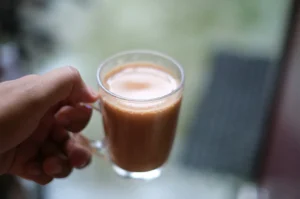
I think milk tea deserves a little more respect.
Not because it needs to become expensive or sophisticated, but because we’ve somehow accepted that milk tea is supposed to be sweet, colourful, and filled with enough toppings to qualify as dessert.
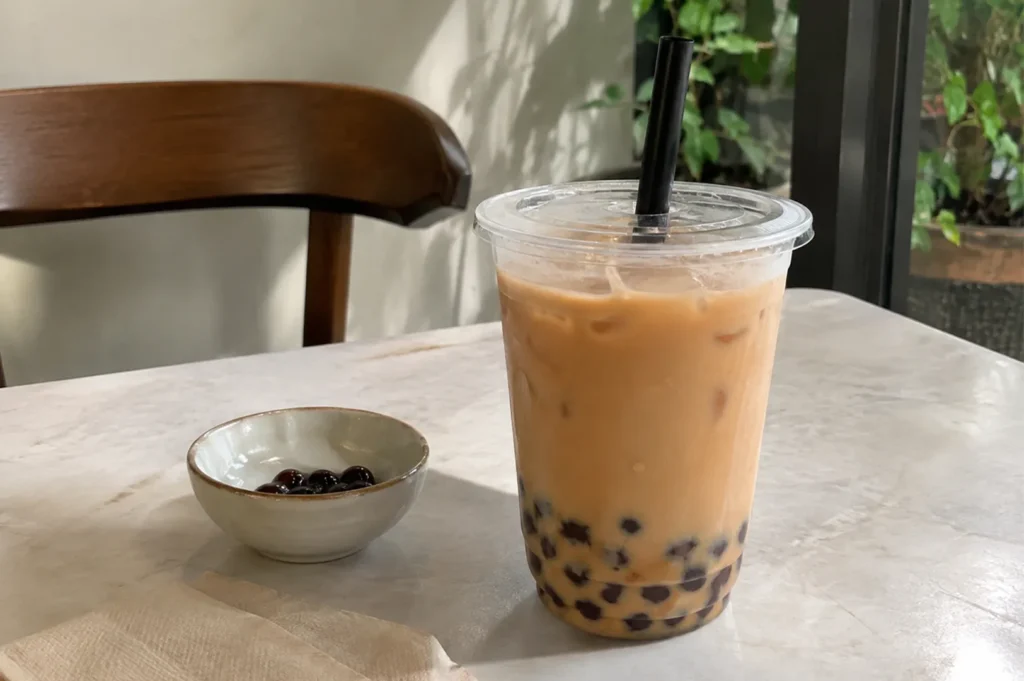
And honestly, I enjoy a good bubble tea.
There’s something fun about choosing your sweetness level, adding pearls, and walking around with a drink that feels more like a treat than an afternoon refreshment.
But sometimes I wonder whether we’ve forgotten about the tea itself.
Because milk tea can be genuinely beautiful when someone pays attention to what goes into it.
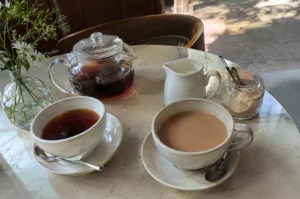
A strong Assam with milk can have a wonderful malty richness. A carefully prepared Hong Kong-style milk tea balances robust tea with a smooth, creamy texture. Even a simple cup of milk tea at home can feel surprisingly satisfying when neither the milk nor the sweetness overwhelms everything else.
None of these needs an elaborate presentation.
Just a little thought.
What bothers me about some modern milk tea shops is how much effort seems to go into creating the next exciting flavour, while the actual tea becomes almost an afterthought.
More toppings. More syrups. More combinations that sound impressive on a menu.
But what if the most interesting thing a milk tea shop could offer was simply a really good cup of milk tea?
I don’t think elegance has to mean fine china, expensive ingredients, or a café that takes itself too seriously.
Sometimes elegance is knowing when to stop adding things.
Of course, there’s room for playful drinks. Fruit jellies, brown sugar pearls, and creamy toppings have their own appeal, and I wouldn’t want milk tea culture to lose that creativity.
I just wish more shops treated the tea base with the same enthusiasm they give everything else.
After all, milk tea has a rich place in everyday drinking traditions, from Hong Kong cafés to South Asian households and Singapore’s own kopi tiam culture.
It doesn’t need to borrow sophistication from somewhere else.
Maybe it simply needs us to notice what was already there.
A good tea. The right balance. A cup worth enjoying even without the extras.
That sounds pretty elegant to me.
— Maria Tan
On tea, culture, and everyday rituals.

Stop Buying Tea for the Aesthetic: How Packaging Hijacks Taste
There is something fascinating about the way we buy tea today. Before we taste the leaves, we have already formed an opinion. The box is elegant. The label is beautifully designed. The colours suggest calm, luxury, or tradition. The story feels carefully written. And before the first sip, we have already decided that the tea…
-
A Tea Table in the Clouds: The Westin Singapore High Tea Review
It was one of those afternoons when the city felt too loud and too fast, and I wanted to sit somewhere quiet without really explaining why. So I went up. All the way up, to Level 32 of The Westin Singapore, where the Lobby Lounge sits above the noise like it knows something the rest…
-
“Caffeine-Free Tea” Confuses Everyone—Let’s Fix the Language
I have noticed that tea conversations can become surprisingly confusing. Not because tea itself is complicated, but because we sometimes use the same words to mean completely different things. One phrase that always catches my attention is “caffeine-free tea.” It sounds simple enough. A tea without caffeine. But is that really what we mean? Because…
-
The Pull, Pour, and Ritual Behind Singapore’s Favourite Milk Tea: Teh Tarik
It starts with a sound. A long ribbon of tea, arcing from one metal mug held high to another held low. The stream catches the light. Then the froth rises, pale and soft, and the whole thing gets poured back and lifted again. Nobody at the stall looks up. This happens a hundred times a…
-
Stop Chasing Tasting Notes: Tea Isn’t Wine and That’s a Relief
I have a small confession to make. Sometimes I have absolutely no idea what I am supposed to be tasting. A tea description might promise orchid, honey, toasted nuts, stone fruit, and something wonderfully mysterious called a “long mineral finish.” I take a sip. I taste tea. And then I start wondering if everyone else…
-
Chinese Tea Sets: Beautiful on the Table, But How Do They Brew?
There is a small arrangement on the table this evening, and I have not touched it yet. A pale bowl with a lid resting slightly askew. A round pitcher beside it, waiting to be filled. Cups no larger than a thumb and two fingers, lined up like a quiet sentence. The surfaces catch the last…
-
Floral Teas Are Not “For Beginners”—They’re For People With Taste
There is a curious assumption in tea culture that I have never quite understood. If you are new to tea, you begin with something floral. Jasmine. Rose. Osmanthus. Lightly scented blends. Then, supposedly, you move on. You discover roasted oolongs. Aged teas. More complex leaves. Stronger flavours. Eventually, you become a “serious” tea drinker. I…
-
How to Make Cold Brew Tea: The Slow Method for a Smoother Cup
There is a jar on the top shelf of my refrigerator that I did not need this morning. I filled it last night, before the kitchen went dark. Loose tea leaves, cool water, a lid resting loosely on top. Then I closed the door and left it alone, the way you leave bread to rise…
-
Milk Tea Isn’t “Ruining” Tea—But Some Milk Tea Is Ruining Milk Tea
I have noticed that few things can start an argument among tea drinkers quite as quickly as milk. Mention adding milk to a good tea and suddenly everyone has an opinion. Some insist that milk covers the flavour of the leaves. Others will tell you that certain teas were practically made for it. I have…
-
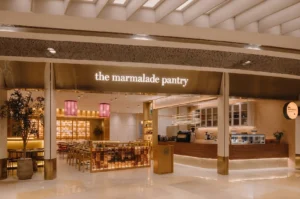
There Are Always Good Things to Eat at The Marmalade Pantry
The afternoon rain had just eased when I climbed up to Level 4 of ION Orchard, home to the Marmalade Pantry Ion. Outside, Orchard Road was doing its usual thing: too many people, too much noise, everyone somewhere to be in the bustle of the city. Inside, at a corner table, someone was pouring tea…