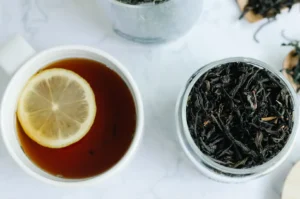
Walking through Chinatown’s Mosque Street, you encounter two distinct tea traditions that embody Singapore’s rich heritage and evolving culture. Pek Sin Choon, one of the oldest tea merchants in Singapore, stands as a living root of Chinese tea culture, while modern teaware shops offer a fresh perspective on tea appreciation through design and brewing systems. Together, they reveal the wide array of ways tea leaves and premium tea are experienced in this vibrant city.
Pek Sin Choon: The Heart of Chinese Tea Tradition
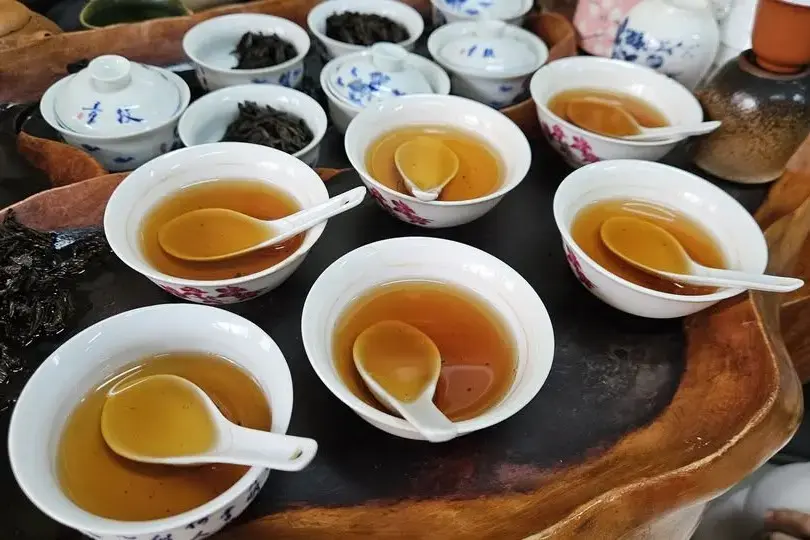
Established in 1925, Pek Sin Choon is a historic tea shop deeply rooted in Singapore’s tea culture. Known for its signature Nanyang tea blends, Pek Sin Choon supplies over 80% of bak kut teh shops, defining the taste of this iconic local food and beverage. The shop’s identity is tied to traditional methods: tea leaves are imported from China, roasted, blended, and packed manually, preserving a heritage that honors the senses and passion of generations.
At Pek Sin Choon, tea appreciation centers on the leaf itself. Customers purchase loose tea leaves, such as pu erh, oolong, and tie guanyin, selected by type, roast, and harvest grade. The tea is packed in simple, traditional packaging, often gifted as a small gift to friends or family, symbolizing respect and connection. The store’s atmosphere, thick with the roasted aroma of premium tea, invites visitors to sip and savor tea the same way their mothers and grandfathers did.
Read more about Chinese tea traditions here.
Modern Tea Shops: Curated Tea Appreciation and Brewing Systems
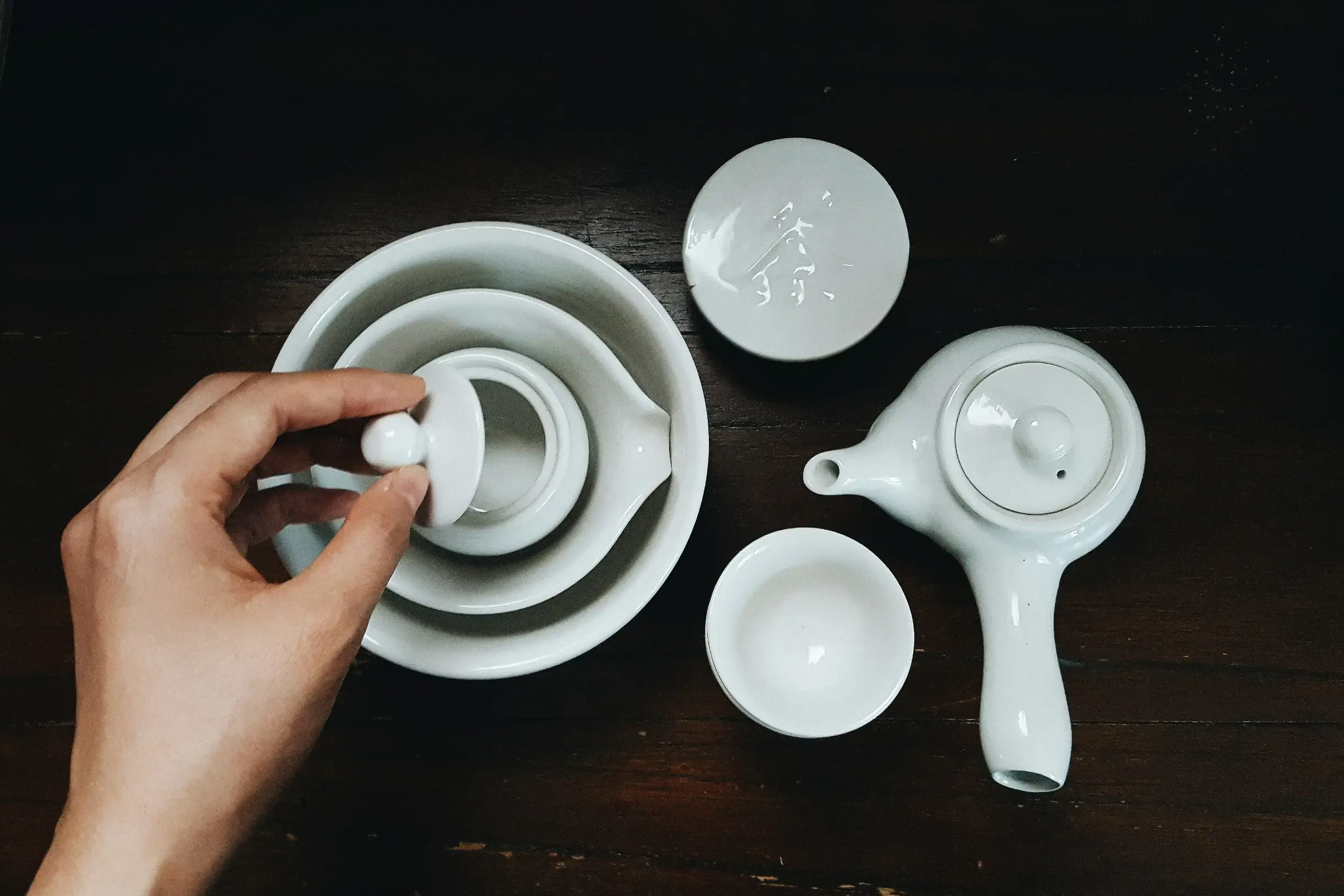
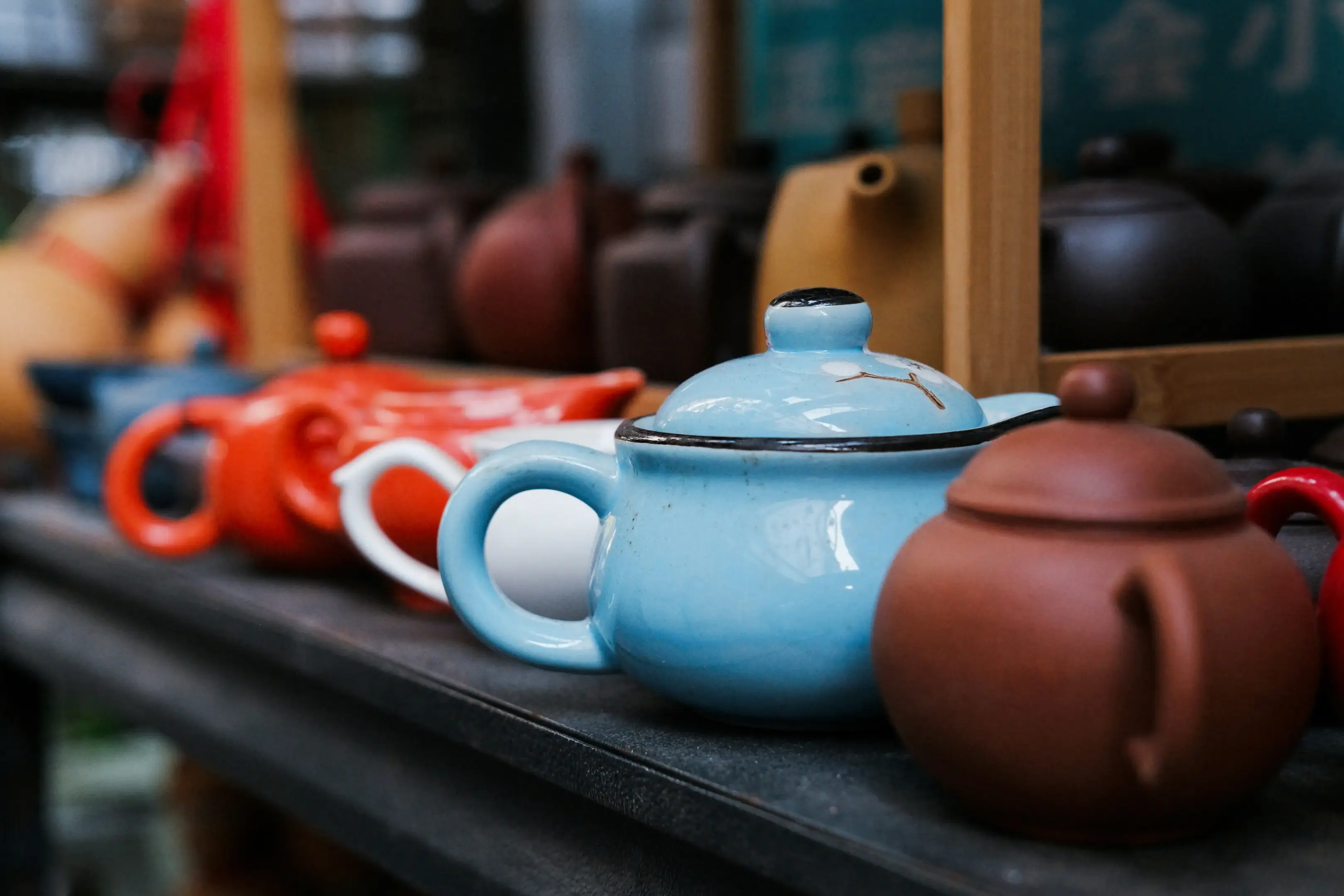
In contrast, modern tea shops in Singapore present tea appreciation as a curated experience centered on brewing tools and aesthetics. These shops showcase premium tea alongside a wide array of teaware like gaiwans, clay teapots, glass pitchers, and textured cups, each selected to enhance the flavour and aroma of specific tea leaves.
Here, tea is introduced as a structured system. Customers learn multi-step brewing techniques and the importance of temperature, steeping time, and vessel material. This approach transforms drinking tea into a mindful ritual that engages all senses, with the teaware often becoming a statement of personal taste and lifestyle.
Modern tea shops also offer educational experiences, guiding visitors through the nuances of tea types like tie guanyin or pu erh, and the subtle flavour notes that distinguish each harvest. This method appeals to a new generation eager to explore tea beyond mere consumption, turning each sip into a moment of discovery and appreciation.
Pek Sin Choon and Nanyang Tea: A Unique Blend
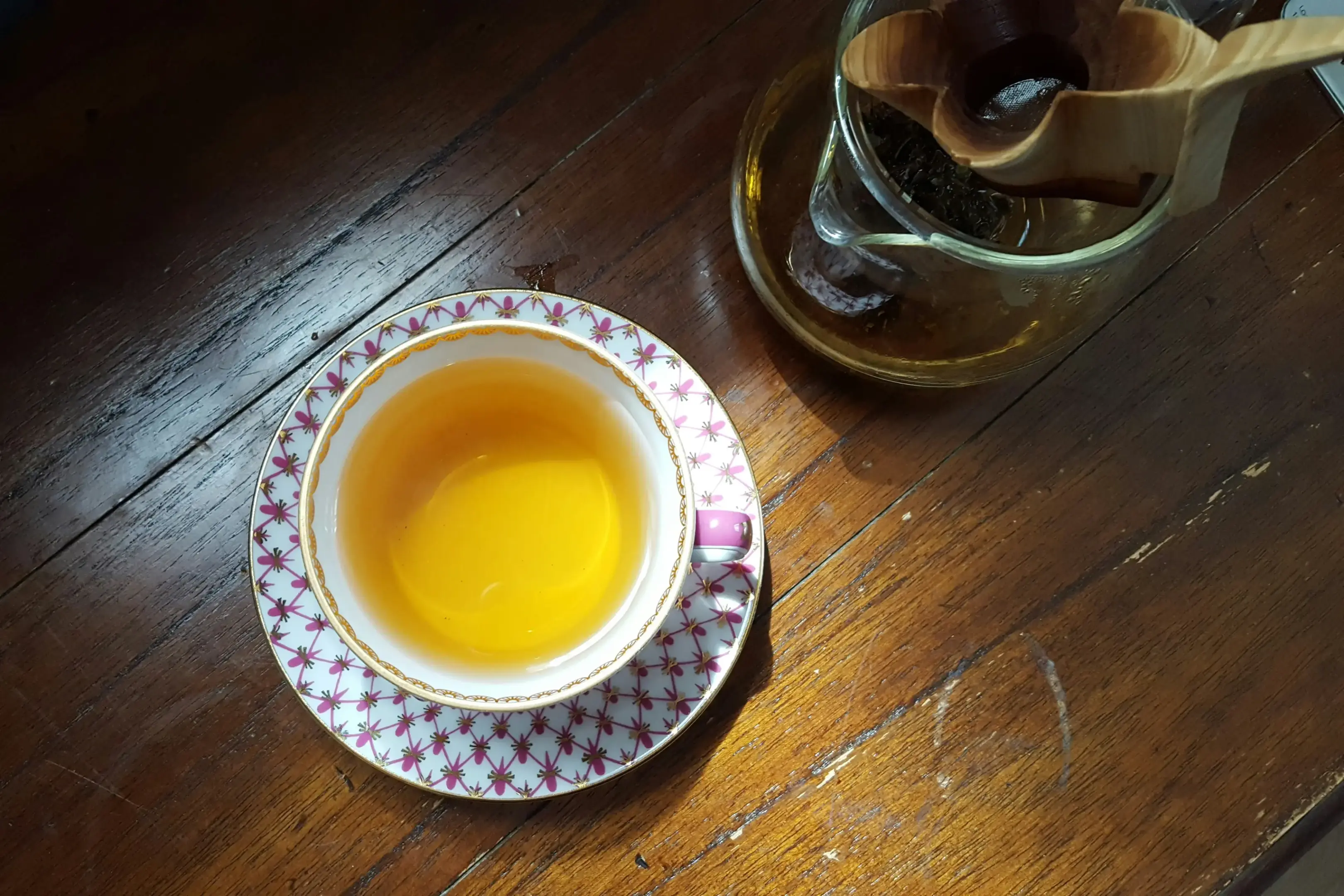
Pek Sin Choon’s Nanyang tea is a blend uniquely crafted in Singapore, reflecting the city’s multicultural palate. These blends are roasted and mixed locally to complement bak kut teh, a beloved food that pairs perfectly with the slightly bitter, roasted notes of the tea. This blend’s popularity underscores Pek Sin Choon’s role not just as a supplier but as a cultural custodian, preserving and promoting a traditional flavour profile that is distinctly Singaporean.
Tea Leaves and Premium Tea: The Common Ground
Despite their differences, both Pek Sin Choon and modern tea shops share a commitment to premium tea quality. Whether it’s the carefully sourced pu erh from China or the fragrant tie guanyin, the emphasis remains on the tea leaves’ origin, grade, and processing. Both traditions invite consumers to taste and decide for themselves, fostering a deeper understanding of tea’s complexity.
Tea Appreciation: Tradition Meets Modernity
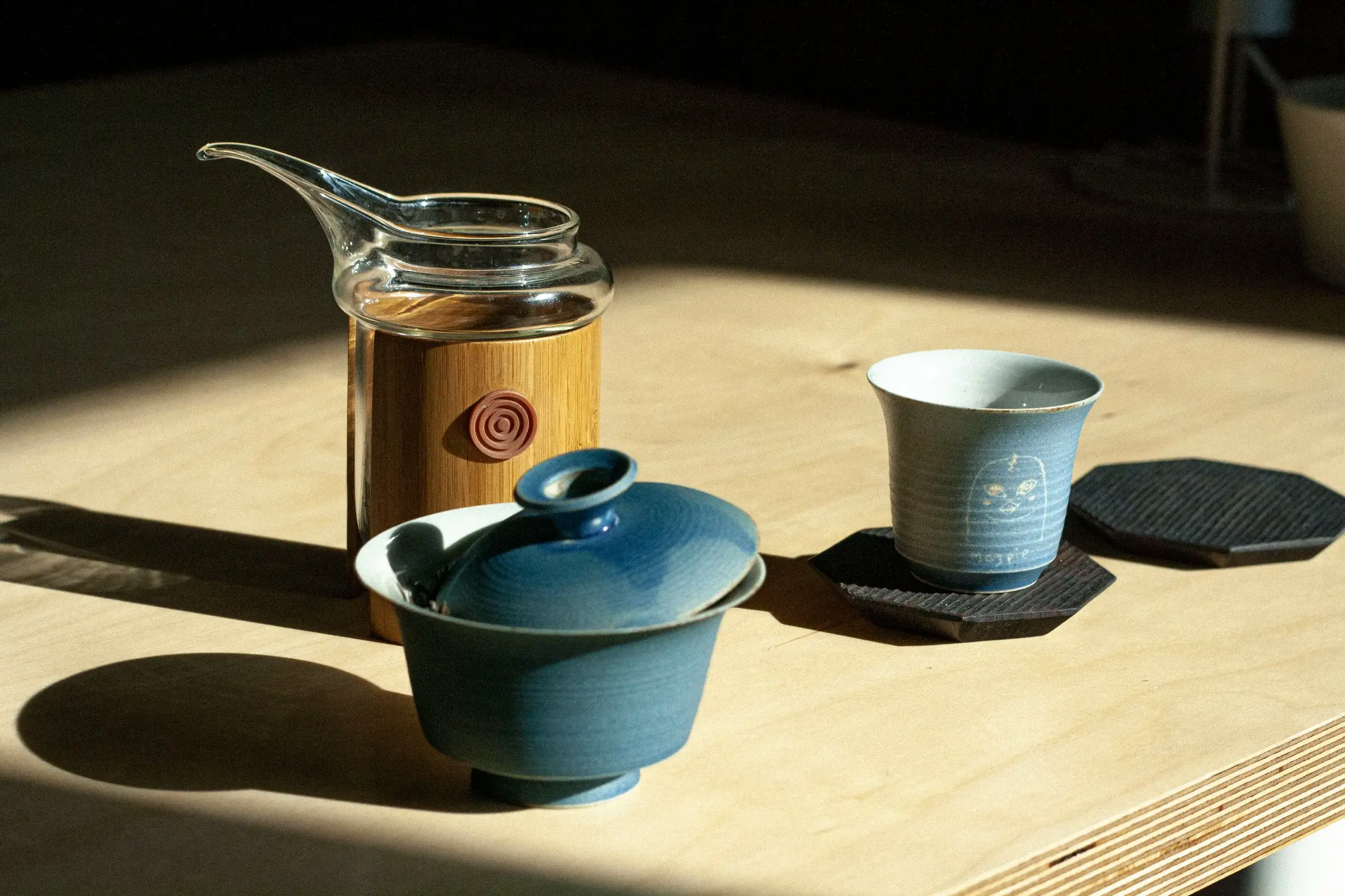
Tea appreciation in Singapore is undoubtedly enriched by the coexistence of these two tea cultures. Pek Sin Choon offers an authentic, tradition-rooted experience where tea is a daily beverage connected to family and history. Modern tea shops provide an interactive, design-focused exploration that elevates tea drinking to an art form. For those starting their tea journey, it can be helpful to check out guides about tea shops and tea ware shops.
Visitors to Chinatown can enjoy this duality: from sitting in Pek Sin Choon’s historic shop, watching tea packed and sold much like in decades past, to visiting contemporary tea shops where tea appreciation is taught through curated sets and brewing workshops.
Small Gifts and Cultural Connection
Tea from Pek Sin Choon often serves as a meaningful small gift, packed with cultural significance. Presenting premium tea leaves or a blend like Nanyang tea to friends or family is a gesture that transcends the beverage itself, symbolizing care and shared moments. This tradition continues to thrive alongside modern gifting trends that favor stylish teaware sets and curated tea blends.
Conclusion: Two Paths to the Same Cup
Pek Sin Choon and modern tea shops represent two complementary ways to engage with tea in Singapore. One honors the root of Chinese tea culture through simplicity and heritage; the other invites exploration through premium tea and the art of brewing. Together, they enrich Singapore’s tea landscape, offering every tea lover, whether beginner or connoisseur, a chance to sip, taste, and appreciate tea in their own way.
By embracing both traditions, Singapore continues to celebrate tea as a timeless beverage and a living culture, where every cup tells a story of passion, history, and community.

Tea Ceremony Kyoto: A Slow Dance of Bowls and Breath
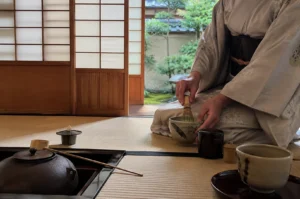
The room is quiet enough to hear water. Somewhere beyond the paper screens of this traditional tea ceremony venue, a garden drips after morning rain. Inside a tea house on a tatami mat worn soft by years of kneeling, a tea master lifts a bamboo whisk and begins tea making. There is no rush in…
-
Why We Keep Romanticising Tea Moments That Never Happened
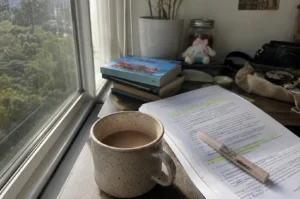
I sometimes wonder if we are drinking tea or remembering something that never really happened. A quiet morning that feels softer in memory than it ever was in real life. A perfect cup by the window that somehow always looks better in hindsight. A tea moment that feels cinematic, even though it probably lasted only…
-
Masala Chai Tea Origins: The Cultural Evolution of India’s Spiced Tea Tradition
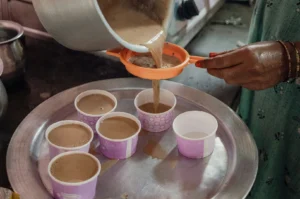
There is a sound that belongs to mornings across India: the hiss of milk rising in a battered pot, the clink of a spoon against metal, the low murmur of a tea seller calling out to passing crowds. Before the first sip, there is the scent. Cardamom pods, fresh ginger, and cinnamon stick curling into…
-
We Are Turning Tea Into Something It Was Never Meant to Be
There is something quietly strange happening in tea culture. The more popular the tea becomes, the more it starts to resemble everything it once stood apart from. Speed. Branding. Productivity. Performance. Tea, which once belonged to unhurried moments, is increasingly being asked to do more. To energize. To optimize focus. To replace coffee. To support…
-
Sencha Green Tea vs. Matcha Powder: Understanding the Differences in Japanese Green Tea
Two tins of tea powder sit side by side on a shelf. Both hold a fine green powder. Both promise the taste of authentic Japanese tea. To the eye, they look almost identical, and that is precisely where the confusion begins. One is matcha powder, often used in matcha lattes and desserts. The other is…
-
Discovering Gryphon Tea Company’s Earl Grey in Singapore
I recently tried the Earl Grey from Gryphon Tea Company Singapore, and I have to admit, it surprised me. Not because it was flawless-it wasn’t, but because it felt like a tea that knew exactly what it wanted to be. The aroma is the first thing that hits you. Bergamot is present but subtle, not…
-
Hojicha: The Roasted Japanese Green Tea With A Mellow Twist
There is a moment, just after the hot water meets the hojicha tea leaves, when the kitchen fills with the aroma of something toasted. Not grassy. Not sharp. Warm, like roasted nuts or the edge of a freshly baked loaf. That moment is where hojicha begins. Hojicha (sometimes spelled houjicha) is a roasted green tea…
-
A Quiet Afternoon at Yixing Xuan Teahouse
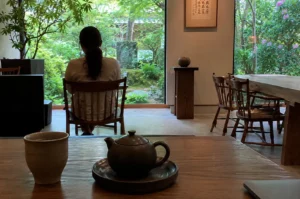
I recently spent a quiet afternoon at Yixing Xuan Teahouse, a place that feels like a pause in the city. The moment you step inside, the world seems slower. The air carries the gentle aroma of steeped leaves, and the staff move with quiet precision. I chose an oolong, simple yet familiar. Watching the leaves…
-
The Controversial Smoky Tea That Divides Enthusiasts: Lapsang Souchong Black Tea
There is a tea that empties rooms and fills them in equal measure. Open a box of loose leaf lapsang souchong black tea, and someone nearby will lean in with delight while another quietly steps away. Few teas provoke such immediate, honest reactions. That divide is part of its story. This smoked lapsang souchong smells…
-
The Tea That Keeps Me Coming Back
I have a tea I return to more than any other. It is not rare. It is not expensive. In fact, most people would probably pass it by without a second thought. And yet, somehow, it has become a quiet companion over the years. I first drank it on a rainy afternoon. I had been…