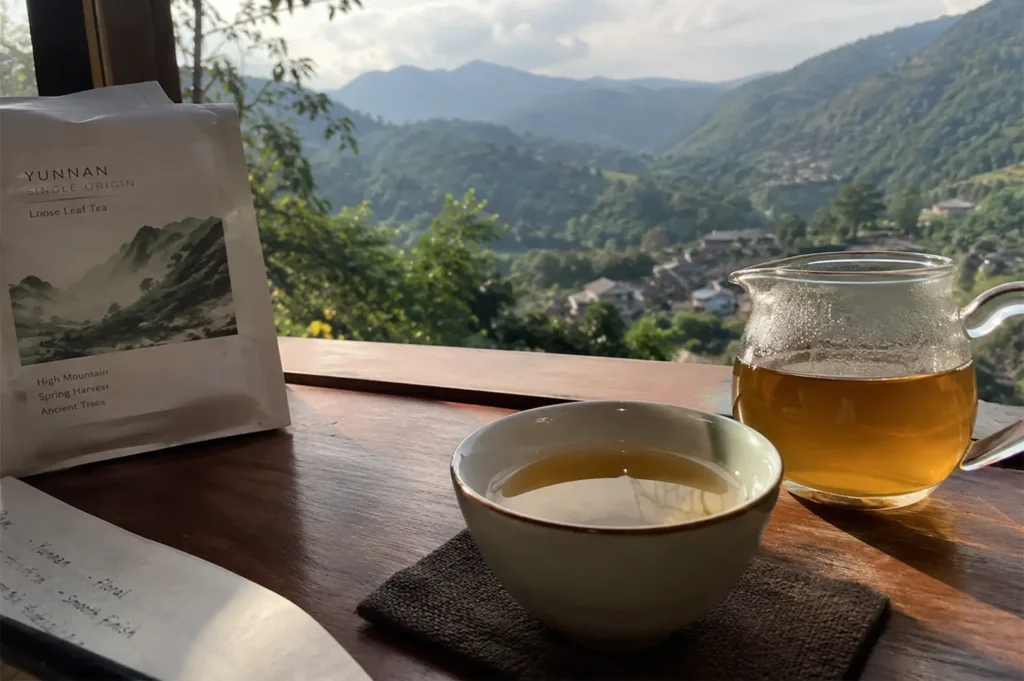
There was a time when knowing where a tea came from was enough.
Now, it sometimes feels as though we need to know everything.
The mountain. The village. The garden. The harvest date. The particular plot where the leaves were grown.
Single-origin tea has become a mark of quality in modern tea culture. The idea is appealing. A specific place gives us a story, and the story gives us a sense of authenticity.
But I wonder if we have started placing too much value on the label.
Knowing a tea’s origin can tell us something important. Soil, climate, elevation, cultivar, and farming practices can all influence what eventually reaches the cup. For serious tea drinkers, tracing these details can be part of the pleasure.
But origin is not a guarantee of enjoyment.
A tea from a celebrated mountain can still leave you unmoved. A blended tea with no prestigious geographical story can become the one you reach for every morning.
I have experienced this more than once.
A tea arrives with an impressive pedigree. I approach it expecting something extraordinary. Sometimes it delivers. Other times, I finish the cup and wonder why I was so impressed by everything except the tea itself.
Perhaps this is the problem with obsession.
We start drinking the story before we drink the tea.
We see the name on the package and begin forming an opinion. We expect certain flavours because we know where the tea comes from. We search for complexity because we have been told it should be there.
The cup becomes an examination of whether our expectations were correct.
That seems a little unfair to tea.
Tea is not a passport. Its value does not come solely from where it was grown.
What matters is what happens when the leaves meet water, and what happens between that first sip and the last.
This does not mean origin is unimportant. Quite the opposite. Understanding where tea comes from can deepen our respect for the farmers, landscapes, and traditions behind it.
But perhaps we should treat origin as an invitation rather than a verdict.
Let the place tell you where the tea began.
Then let the cup tell you whether you want to return.
Because sometimes the most interesting tea is not the one with the most impressive address.
It is the one that makes you forget to check the label.
With quiet regard,
N. P. Lim
A reflection on single-origin tea and why knowing where a tea comes from should deepen appreciation, not decide whether we enjoy it.

The Art of Aging: Understanding Authentic Yunnan Pu-erh Tea
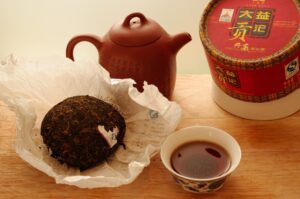
Among the world’s most revered fermented dark teas, few types evoke as much intrigue and respect as Yunnan pu erh tea (普洱). Crafted from ancient tea trees in Yunnan province, this tea produced by traditional methods is a living testament to China’s rich beverage heritage. Unlike most loose leaf tea or black teas, high-quality pu…

Cafe Singapore Says It Values Craft. So Why Is Tea an Afterthought?
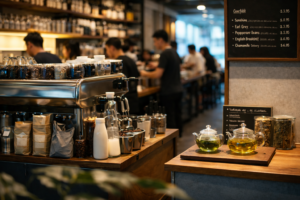
Singapore loves its café culture. We celebrate espresso machines. We admire single-origin beans. We debate tasting notes and extraction times like it is a sport. When someone says “Cafe Singapore,” most of us immediately picture coffee. But look at the tea menu. In many cafés, tea is reduced to a small corner of the page….
-
Tea from Japan: A Journey Through Culture, History, and Varieties
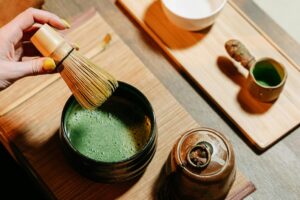
In Japan, tea is not merely a drink; it is a cultural cornerstone, a spiritual discipline, and an integral part of daily life. Tea is an important part of Japanese food culture, traditional ceremonies, and daily routines, reflecting its deep-rooted presence in society. The simple act of preparing and drinking Japanese tea is imbued with…
-
Sobacha: Exploring the Japanese Tradition of Roasted Buckwheat Tea (Sobacha)
Beyond the celebrated world of Japanese green tea lies a treasure trove of comforting, traditional beverages. Among the most beloved is sobacha (そば茶), a nutty and wholesome roasted buckwheat tea. It’s a staple in Japanese households and restaurants, cherished not just for its delightful flavor but for its deep connection to Japanese culinary culture and…
-
Ginger Tea Singapore: A Practical Journey to Finding and Enjoying This Wellness Beverage
Ginger tea is more than just a comforting beverage in Singapore; it’s a staple of modern wellness, a go-to remedy for chasing away the chill of an air-conditioned office, and a familiar taste of home across many cultures. The gentle warmth of ginger tea provides a soothing and invigorating sensory experience, evoking feelings of coziness…
-
Beyond Coffee: Cafe Singapore Cafes Worth Visiting for Their Tea
Author’s Note: I made just a few tweaks here and there to smooth out the flow and make your reading experience as enjoyable as possible. Hope you enjoy the read as much as I enjoyed fine-tuning it for you! If you close your eyes and imagine a typical cafe Singapore scene, you’d likely hear the…
-
Green Tea in Japan: Exploring the Cultural and Social Dimensions of Green Tea in Japan
In Japan, green tea is more than just a beverage; it is a cultural cornerstone, deeply woven into the fabric of daily life, social customs, and national identity. It’s the welcoming drink offered to a guest, the quiet moment of reflection in a busy day, and the centerpiece of a centuries-old ceremony. While many are…

Singapore Ginger Tea: A Complete Guide to Traditional Wellness in the Lion City
In Singapore’s multicultural landscape, ginger tea is a beloved staple that transcends cultural boundaries. Known locally as teh halia, this warming brew embodies centuries of traditional wisdom adapted to modern Singapore life. Whether you seek relief from air-conditioned chill, digestive support after a big meal, or a refreshing sip on a rainy day, Singapore ginger…
-
Loose Tea Leaves: Elevate Your Singapore Tea Experience
In a city that moves as fast as Singapore, the simple act of brewing a cup of tea can feel like a small rebellion—a moment of intentional calm. More and more tea lovers are discovering that this moment is profoundly elevated when they make the switch from conventional tea bags to loose tea leaves. This…
-
Tea Leaf Singapore: An Exquisite Journey of Flavours, Traditions, and Moments
Singapore’s strategic position as a maritime trading hub has nurtured a rich tea culture where ancient traditions blend with modern innovation. The local love for tea runs deep, shaping Singapore’s unique tea culture and fostering a strong appreciation for every cup. Singapore continues to honor its tea traditions while embracing new innovations, ensuring that the…