I almost walked past it.
Sago Street was loud that afternoon, the way Chinatown often is. Voices, footsteps, the clatter of a hundred small transactions. I was looking for a door and nearly missed the narrow one that led upstairs.
Then I climbed. And somewhere between the ground floor and the second, the noise fell away.
A Chinese Tea Teahouse You Have to Look For
SILK Tea Bar sits on the second floor of a shophouse at 26A Sago Street, tucked above the street rather than beside it. That small climb does something. By the time you reach the top, you've already left the rush behind.
This is not the SILK Tea Bar some people expect. It isn't inside Chinatown Point. It's here, on Sago Street, folded into the older bones of the neighbourhood, a short walk from Chinatown MRT.
I liked that it made me work a little to find it. The best rooms often do.
First Impressions From the Second Floor: A Warm, Present Moment
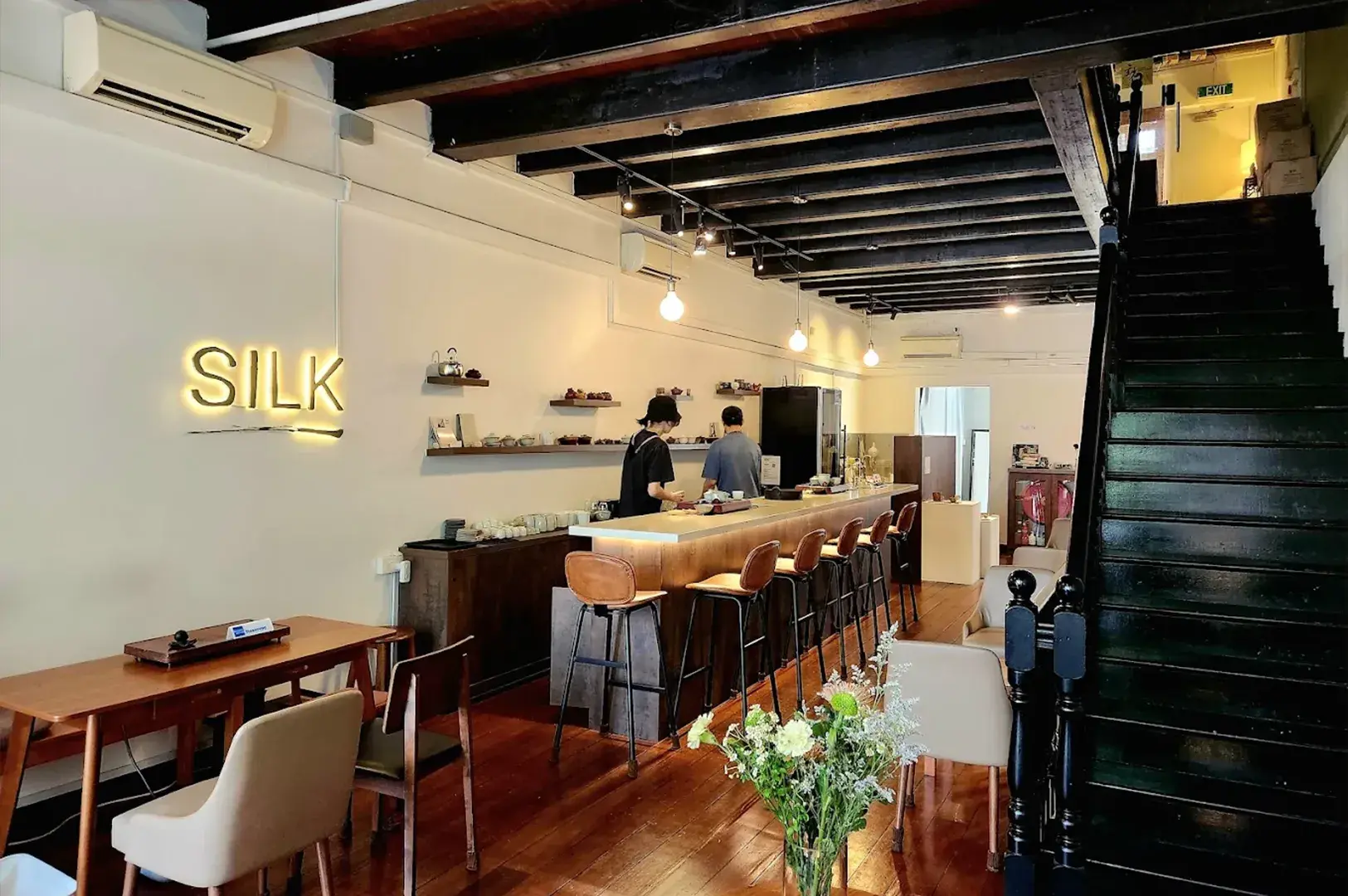
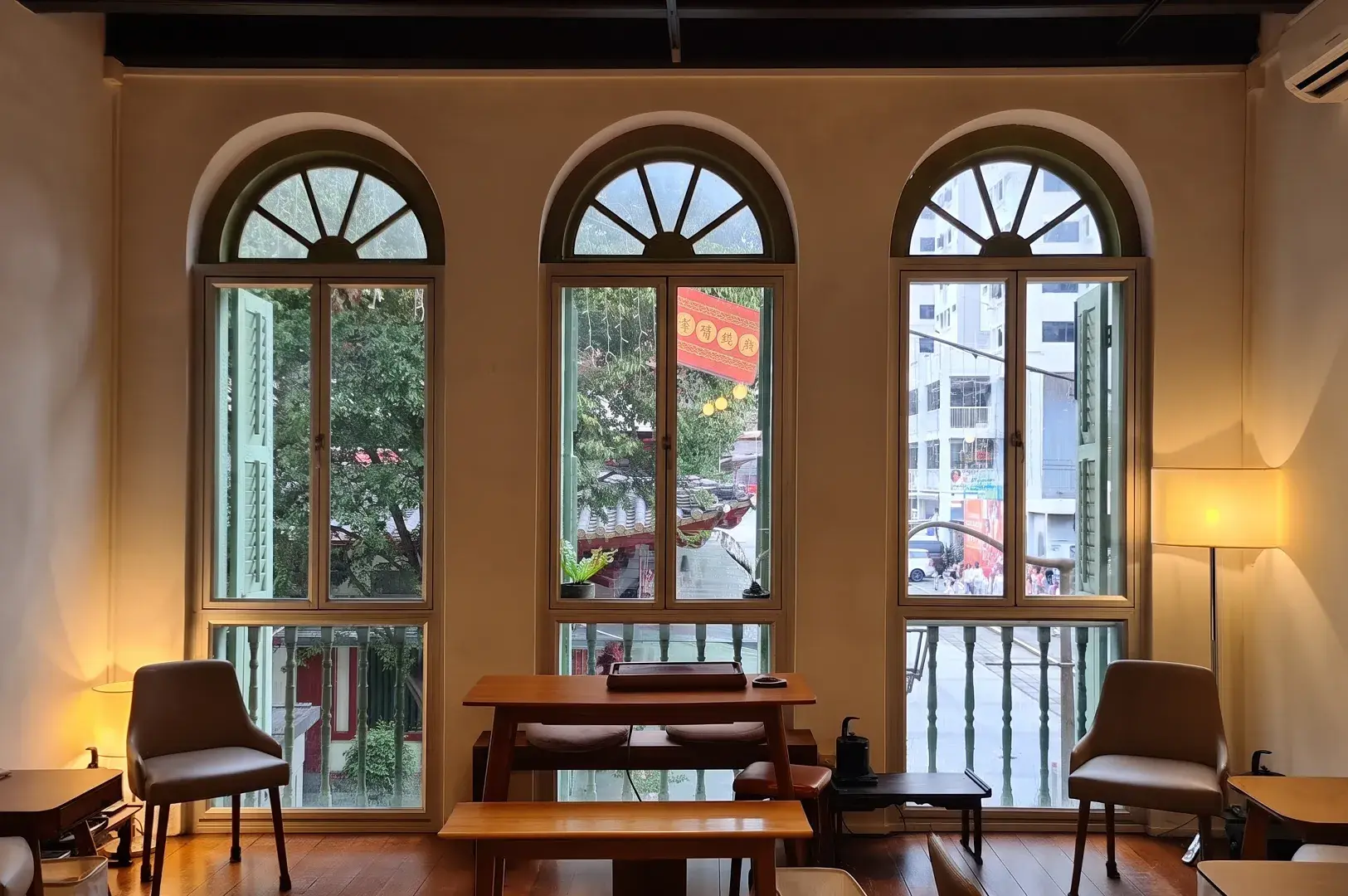
The space upstairs is calm in a way that feels intentional, not empty. Light comes in soft. Sound stays low. You lower your voice without being asked to.
I found a seat at a table and let my shoulders drop. There's a particular stillness to a teahouse that takes its tea seriously, and I felt it here before I'd ordered anything.
What struck me most was the honesty of the place. Nothing was styled to be photographed. It was simply a room for tea and conversation, and it seemed content to be exactly that.
The Tea: Where SILK Actually Speaks in Flavours and Philosophy
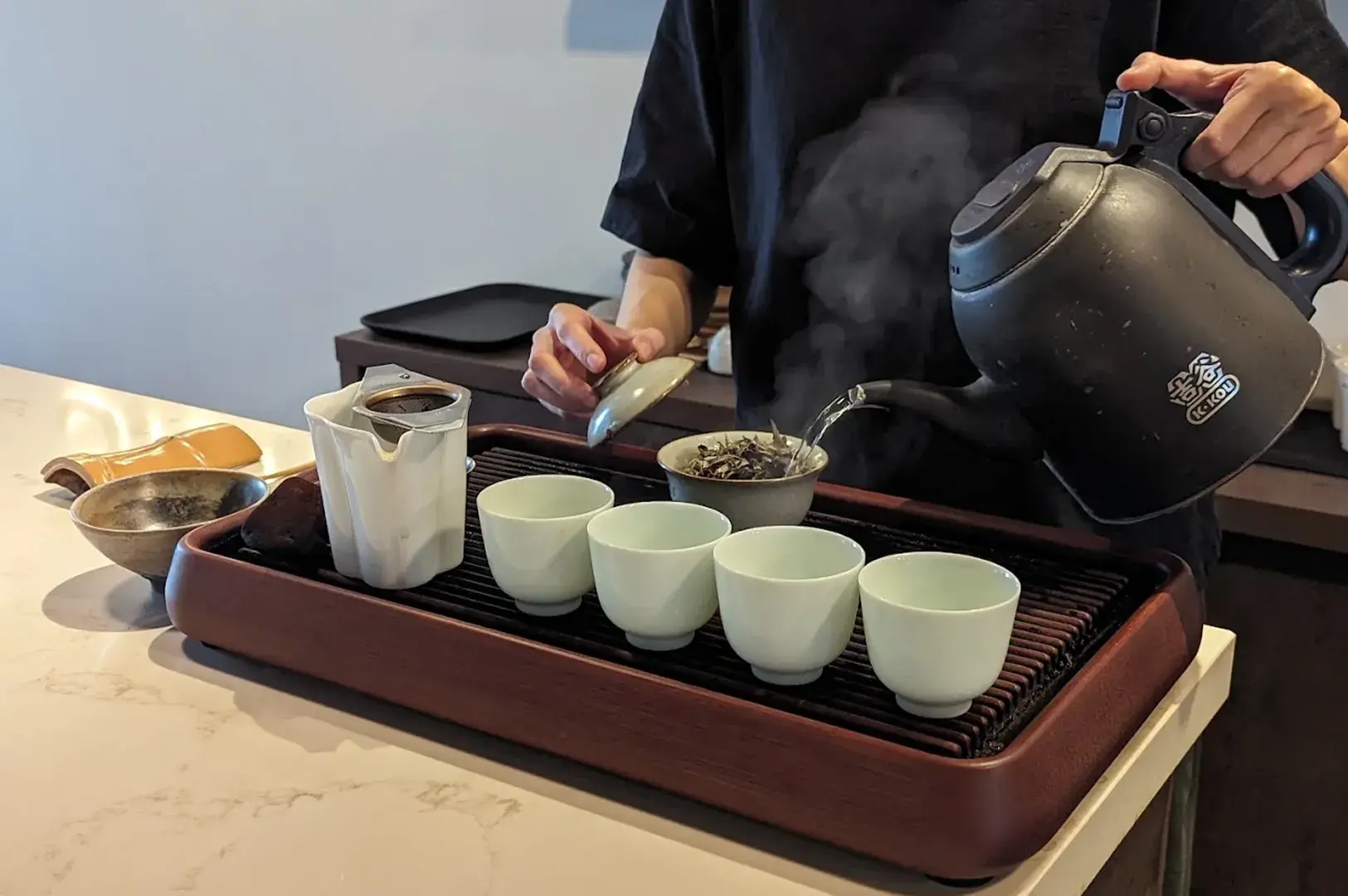
Because this is a tea bar first, I let the tea lead.
SILK offers both single-serving teas and multi-steep tea sessions, alongside reservation-based hosted tea flights. SILK uses natural spring water for its tea service, which sounds like a small detail until you taste what it does. Softer water, cleaner tea. The leaf comes through without anything muddying it.
I appreciated that you can choose your depth. Some afternoons you want to sit with one leaf and follow it. Other days you want the arc of a session, watching a tea change as it opens.
Multi-Steep Teas and the Process of the Second Steep
The multi-steep teas are where the tea bar shows its patience.
A progressive brew asks you to stay a while. The first steep tells you one thing. The second steep tells you something else, often quieter, sometimes deeper. You start to notice how a tea shifts, how it rounds out or softens as the leaves give more of themselves.
I've always thought the second steep is where a Chinese tea stops performing and starts confiding. Here, you're given room to notice that. No rush. No one clearing your cup before it's had its say.
Single-Serving Teas, Hot or Cold
If a full flight feels like too much, the single-serving teas are a gentler entry.
A hot brew on a grey day. A cold brew when Chinatown turns humid and close. It's the kind of choice that meets you where you are rather than asking you to arrive somewhere first.
For anyone newer to Chinese tea, this is an easy, welcoming way in. You don't need to know the language of it. You just need to be willing to sit and taste.
Oolong Tea, White Tea, and Learning to Slow Down in Life
The range leans into the teas worth lingering over. An oolong tea, with its long, folded character. A white tea, lighter, more whispered. These aren't drinks to gulp.
What I valued was how unintimidating it all felt. Tea culture can sometimes wear its knowledge heavily, as if you need to earn your seat. SILK didn't do that. It simply set good tea in front of me and let it speak for itself.
That's rarer than it sounds. A place can be serious about its craft and still leave the door open. This one does.
The Tea Wares, Quietly on Display: A Sign of Tradition and Business
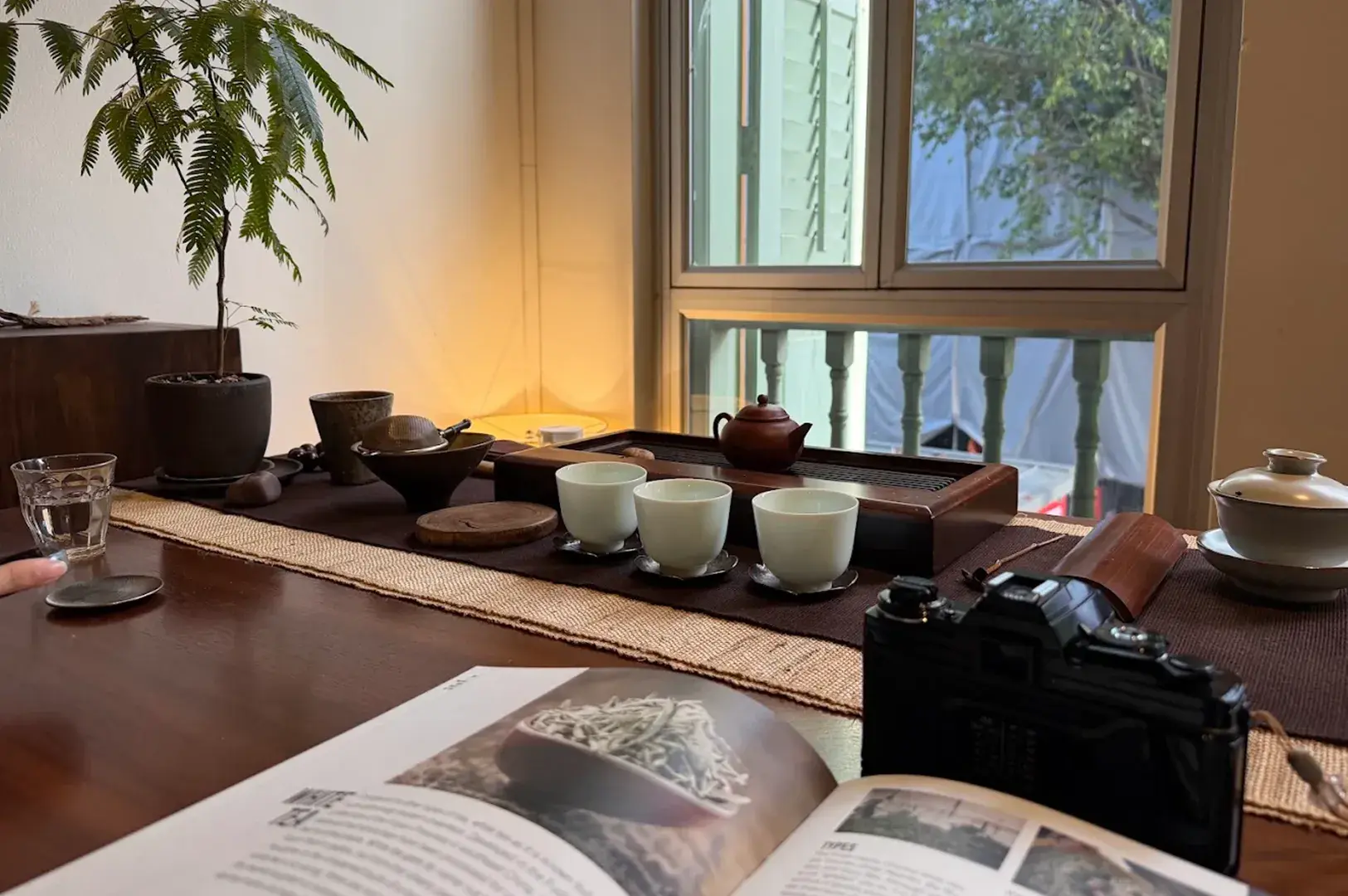
SILK also keeps a small collection of tea wares, and they're worth a slow look even if you came only to drink.
There's a certain kind of object made for actual use rather than display, and these lean that way. The Purion "Prosperity" Teapot, for instance, starts from SGD 275. Not an impulse buy, and it doesn't pretend to be. It's the sort of piece you'd choose once and keep for years, letting it season with the teas you return to.
I didn't leave with one. But I understood the pull. When tea becomes part of your rhythm, the vessel starts to matter too.
Service That Trusts the Tea and Invites You to Join
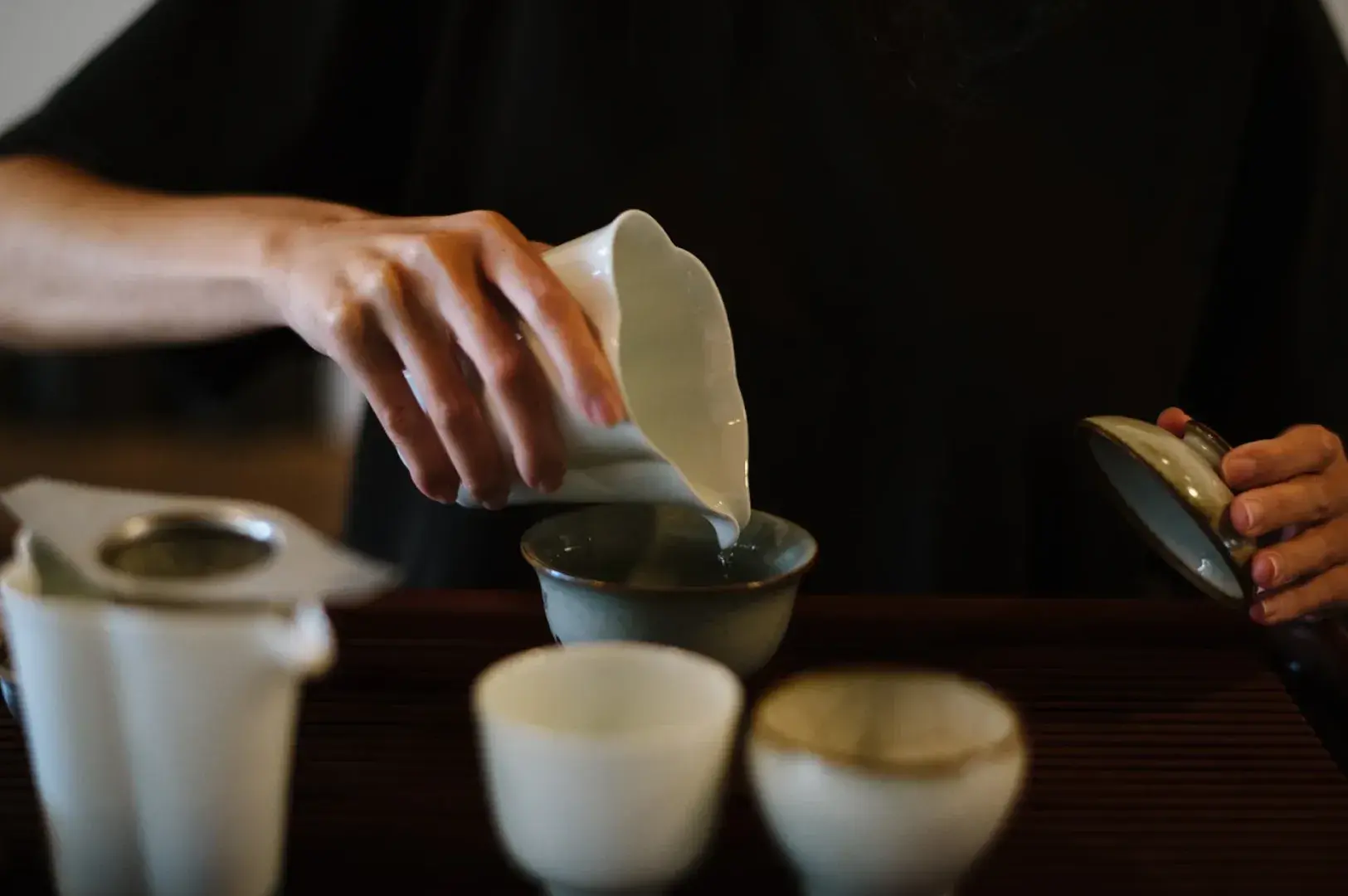
The service here doesn't hover, and I mean that as praise.
Tea was set down with care and then given space. No one performed the ceremony at me. No one narrated every note I was supposed to find. I was trusted to taste for myself, and that trust is its own kind of hospitality.
If you have questions, there's clearly knowledge to draw on from the owners, Melody and Xian, the duo behind the business. But it's offered, not imposed. That balance is hard to strike, and SILK strikes it quietly.
Practical Things Worth Knowing: Check the Ala Carte Menu and Plan Your Visit
A few notes before you go, because the hours here take a little planning.
- Where: 26A Sago Street, #02-01, Singapore 059021, on the second floor. Nearest MRT is Chinatown.
- Walk-ins: Available Tuesday to Sunday. Current daily hours should be checked before visiting, as SILK directs guests to its latest Google listing.
Reservations: Required for hosted tea flights and guided experiences, but Not for an ordinary walk-in tea session. Reservations are required for hosted tea flights and other guided tea experiences - Closed Mondays, so plan around that.
- Hosted tea flights are available by reservation if you want a guided session rather than a casual drop-in.
If it's your first visit, I'd come as a walk-in on a weekday afternoon. The room is calmer then, and there's no better way to meet a tea bar than unhurried.
What I'd Be Honest About: Not a Meal Spot, But Perfect for Rest and Light Snacks
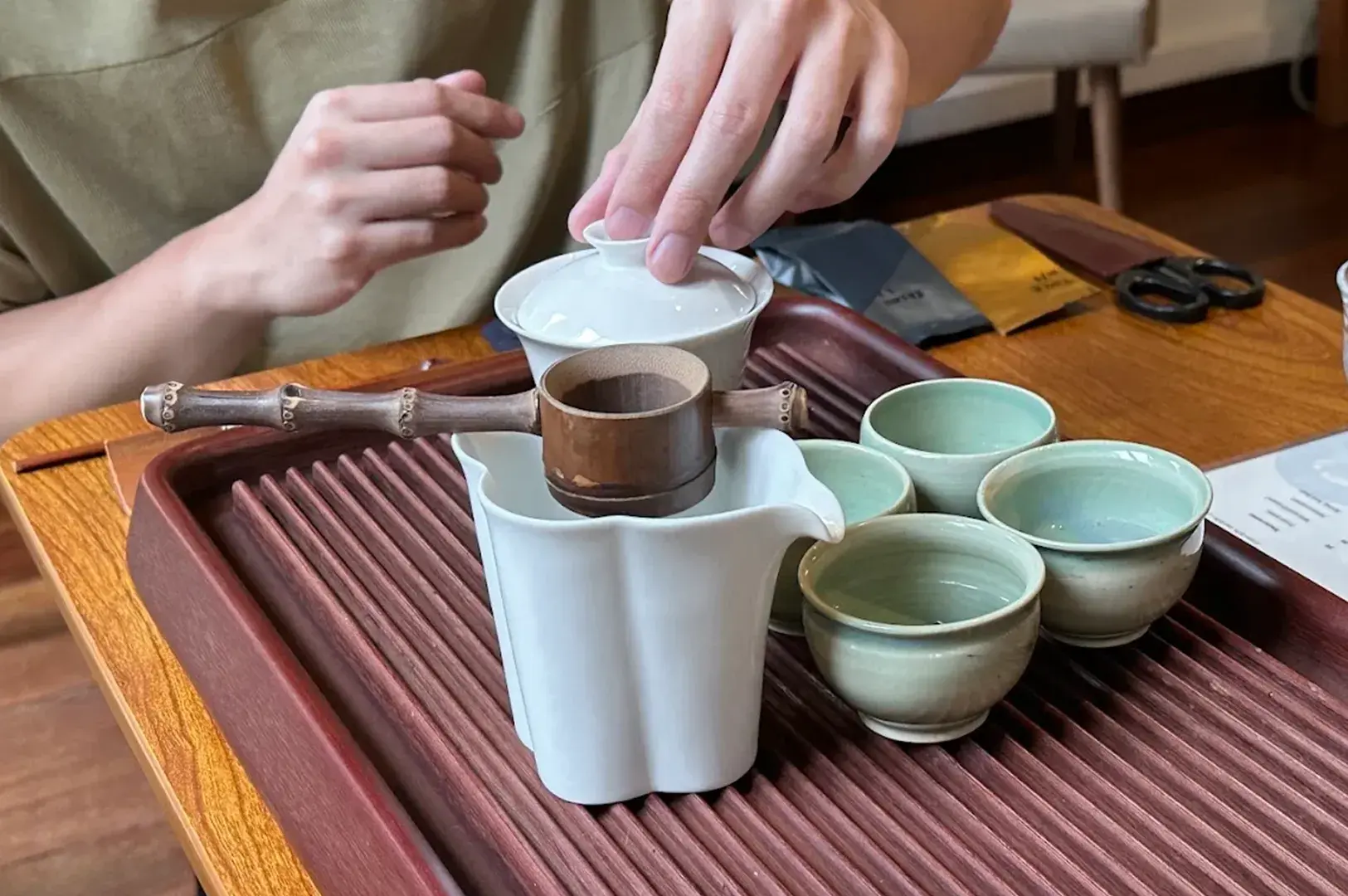
It isn't a place for everyone, and I don't think it wants to be.
If you're hungry for a meal, look elsewhere first. This is a tea bar, not a kitchen. The food, where it appears, sits gently in the background as light snacks rather than the reason you came.
In a world today bombarded by fast food and sugary beverages, SILK Tea Bar offers a quiet alternative where tea is not an afterthought or merely a companion to dessert but a main event to be savoured.
The menu pairs well with simple snacks, and the experience is perfect for catching up with friends or enjoying a moment alone.
The younger crowd, often intimidated by traditional tea culture, might find SILK a welcoming place where their interest in quality beverages can grow without pressure.
The hours can also catch you out. SILK accepts walk-ins from Tuesday to Sunday. Daily hours vary, so check the latest Google listing before visiting. Reservations are required for hosted tea flights and guided experiences
And the second-floor setting, lovely as it is, means it won't call out to you from the street. You have to want to find it. For some, that's a barrier. For me, it was part of the charm.
Would I Climb Those Stairs Again? Yes, to Enjoy the Warm Flavours and Philosophy of SILK
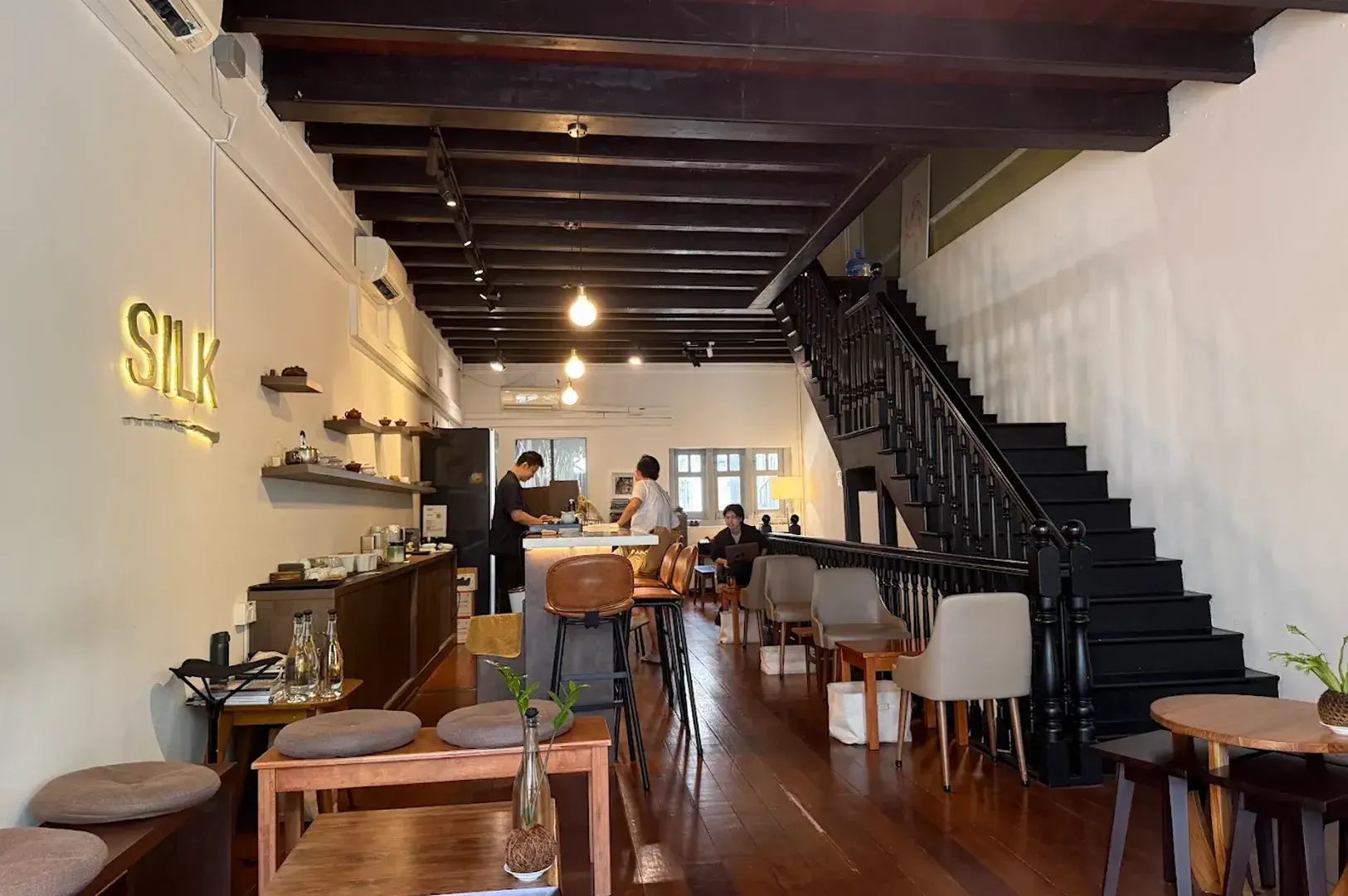
By the time I left, the light had shifted and my cup had long gone cool.
I'd sat far longer than I meant to, which is usually how I know a place has reached me. SILK Tea Bar didn't try to impress me. It just poured carefully, using water it had thought about, and let me find my own way into the leaf.
I'd return for the multi-steep teas, for that unhurried second steep where the tea finally softens and tells you something true. But more than any single cup, I'd return for the quiet. For a room that asks you to climb a little, then rewards you by slowing everything down.
Some places serve tea. This one makes room for it. And in the middle of Sago Street's noise, that felt like a small, welcome kind of grace.
FAQ
Where is SILK Tea Bar located?
On the second floor of a shophouse at 26A Sago Street, #02-01, Singapore 059021. It's on Sago Street itself, not inside Chinatown Point, and the nearest MRT is Chinatown.
What are the opening hours?
SILK accepts walk-ins Tuesday to Sunday. Daily hours can vary, so check its latest Google listing before visiting. It is closed on Mondays.
Do I need a reservation?
For casual walk-ins during weekday hours, no. Ordinary tea sessions are available for walk-ins. Reservations are required for hosted tea flights and other guided tea experiences.
Can I buy tea wares there?
You can. SILK keeps a selection of tea wares made for real use, including pieces like the Purion "Prosperity" Teapot, which starts from SGD 275.
Is it beginner-friendly?
Yes. The tea is treated seriously but shared without pretension. A single-serving tea is an easy introduction, while SILK's multi-steep selections and hosted tea flights suit those who want to explore more deeply.

Dong Ding Oolong: The Artisanal Craft Behind Taiwan’s Most Famous Tea
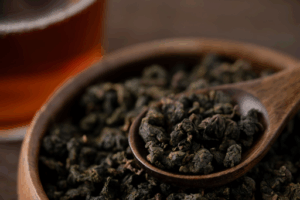
Imagine a warm, inviting aroma that fills the room with essence reminiscent of delicate flowers, toasted nuts, honeycomb, chocolate, and ripe stone fruit. The initial scent from a freshly opened tin of Dong Ding Oolong loose leaf tea can feel almost transportive. Upon brewing, the tea’s infusion shines with a brilliant golden colour, and your…

Yerba Mate Tea: Argentina’s Ancient Energy Brew and Modern Revival
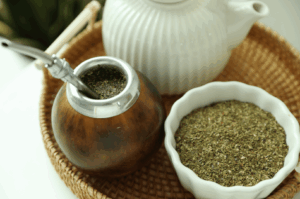
Picture a sun-drenched plaza in Buenos Aires, where the air hums with laughter and the scent of fresh flowers. In the center, friends gather in a close-knit circle, a cherished gourd filled with fragrant yerba mate tea making its way from hand to hand. Each person sips this herbal tea-brewed from green yerba mate leaves-through…

The Complete Guide to Kenyan Tea Industry Transformation in the Great Rift Valley
Imagine standing at the edge of Kenya’s Great Rift Valley, the birthplace of world-renowned Kenya tea. Here, undulating hills blanket the landscape in a lush sea of deep green, where rows of thriving tea bushes stretch across the horizon. This breathtaking region forms the core of the Kenyan tea industry-a powerhouse producing some of the…
-
Ceylon High Grown Tea: The Bright, Crisp Profiles of Nuwara Eliya
Imagine standing amidst a sea of emerald green on the island of Sri Lanka, where manicured tea bushes climb rolling hills and disappear into a cool, persistent mist. This is the world of Ceylon high grown tea, centred in Nuwara Eliya – a region characterized by bright sunshine in the morning and cool, misty nights….
-
Masala Chai Origins: The Cultural Evolution of India’s Spiced Tea Tradition
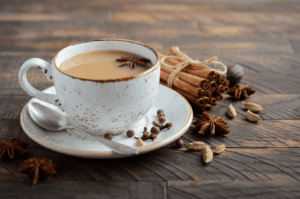
The rhythmic clanging of metal kettles echoes through narrow lanes as steam rises from countless chai stalls across India. The intoxicating aroma of cardamom, cinnamon, and fresh ginger mingles with robust black tea, creating an olfactory symphony that has captivated souls for centuries. This is masala chai-not merely a beverage, but a cultural phenomenon that…
-
Matcha Tea: The Versatile Japanese Green Tea Powder
The vibrant green powder that transforms simple hot water into liquid jade has captivated tea enthusiasts worldwide. Matcha tea represents more than just a trendy beverage-it’s a bridge connecting ancient Japanese traditions with modern culinary innovation. This unique form of powdered green tea offers endless possibilities, from meditative ceremonial drinking to creative kitchen applications that…
-
The Dragon Well Legacy: Exploring China’s Legendary Longjing Tea
Among the world’s most revered green teas, few carry the prestige and cultural significance of China’s legendary Dragon Well. This premium tea has captivated tea enthusiasts for centuries, earning its place as an imperial favourite and modern icon alike. From its mystical origins at West Lake to its meticulous processing methods, Longjing represents the pinnacle…