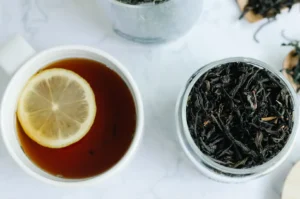
The air hangs thick with the sweet, spicy aroma of cardamom, ginger, and cloves mingling with the robust scent of boiling black tea and milk. The rhythmic clinking of glass against metal, the hiss of the gas stove, and the low hum of conversation create a familiar soundtrack. This is the sensory world of Indian chai culture, where drinking chai is far more than just a beverage. It is an art form, a tradition, and an integral part of Indian culture, shaping how people sit, sip, and connect.
In India, the question “Chai piyoge?” (“Will you have some tea?”) is never just a drink invitation—it is an act of mutual respect, an opening for conversation, and a symbol of hospitality. Drinking tea becomes a ritual, a pause that bridges strangers and strengthens the bonds of family, friends, and locals alike. The act of offering chai is deeply personal, with each person playing a key role in welcoming guests and sharing in the ritual, making hospitality a meaningful, individual gesture.
Introduction to Chai Culture
Chai culture is woven into the very fabric of Indian society, where drinking chai is never just a drink—it is a daily ritual, a social connector, and a celebration of tradition. The act of drinking tea, especially masala chai, is deeply embedded in the rhythms of life across the country. From bustling city streets to quiet rural homes, chai consumption is a popular drink that brings people together, transcending age, class, and background.
The cultural significance of chai lies in its power to unite. Whether shared among friends during a lively conversation or offered to guests as a gesture of hospitality, chai is an integral part of social life in India. Its rich taste and inviting aroma make it more than just a beverage; it is an art form, crafted with care and attention to detail. Each cup reflects centuries of traditions and rituals, from the precise blend of spices to the ceremonial pouring and serving.
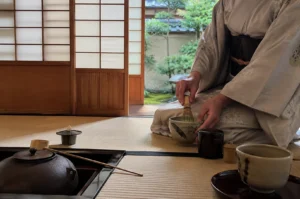
Around the world, many cultures have their own tea ceremonies and customs—from Japanese matcha traditions to Chinese Longjing green tea—but Indian chai stands out for its warmth and inclusivity. In India, every sip is a moment to pause and connect, a reflection of how something as simple as tea can hold profound meaning.
The Evolution of a National Obsession: The History and Cultural Significance of Indian Chai
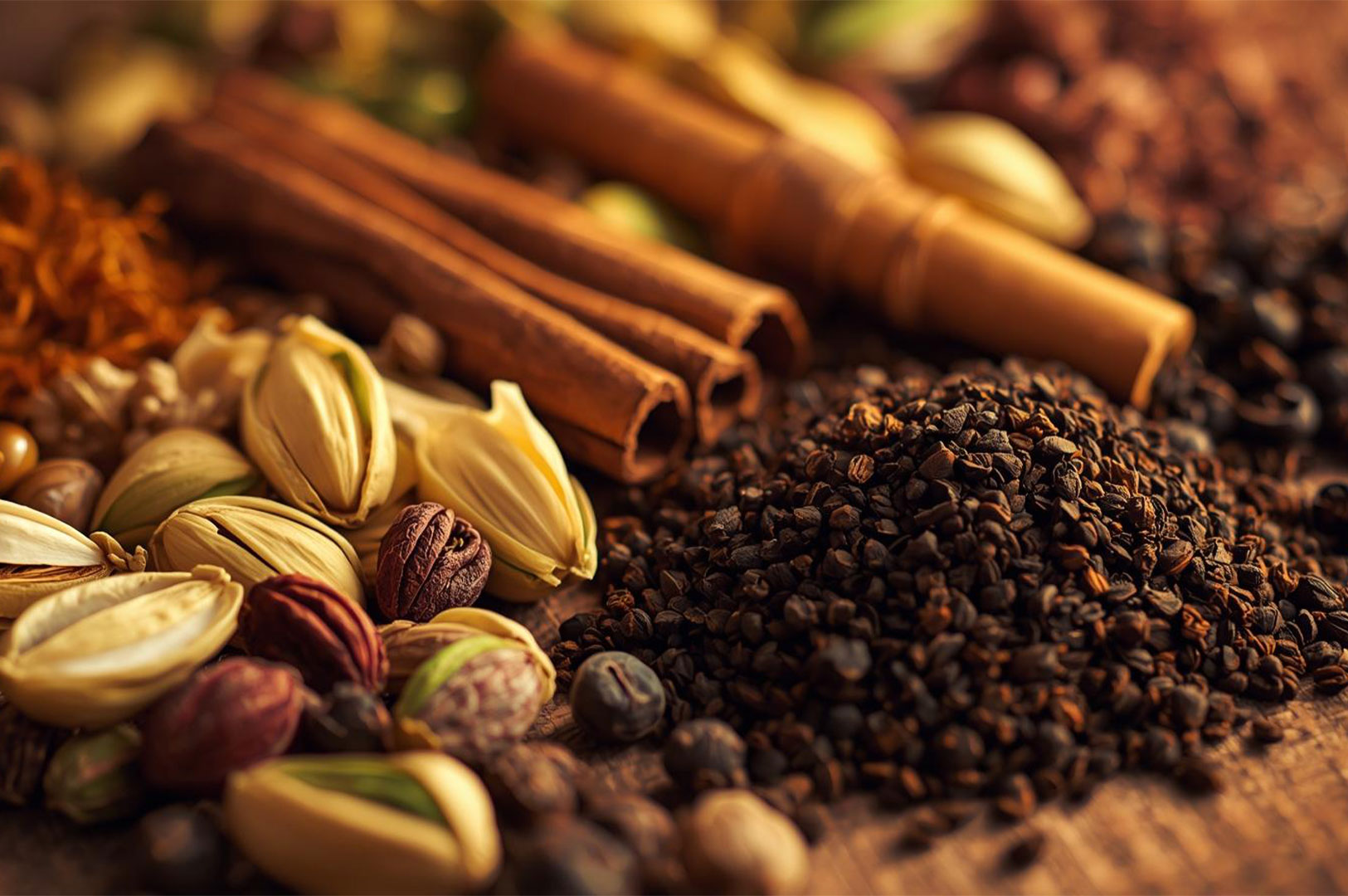
While tea has been consumed for centuries in many cultures, the unique style of Indian tea—a blend of milk, sugar, and spices—emerged from an extraordinary fusion of global and local influences.
When the British introduced tea plantations to India in the 19th century to rival China’s tea trade, tea was initially an export good, not a popular drink at home. Indians, accustomed to traditional herbal drinks brewed with dried leaves, resisted the foreign beverage.
It was only when local vendors began experimenting—adding boiling water, milk, and aromatic spices like ginger, cinnamon, and cardamom—that a transformation occurred. This was the birth of masala chai, a drink that felt authentically Indian yet modern. It soon became deeply embedded in daily social life, offering comfort, flavor, and warmth. Traditionally, chai was drank in communal gatherings, where people would share and pass around cups during social or festive occasions, highlighting its ritualistic and collective enjoyment.
Chai thus became the central role player in Indian culture, reflecting both the history of colonial trade and the nation’s ability to reinterpret global influences through a uniquely local art form.
The Street Corner Parliament: The Social Life and Art Form of Chai Stalls
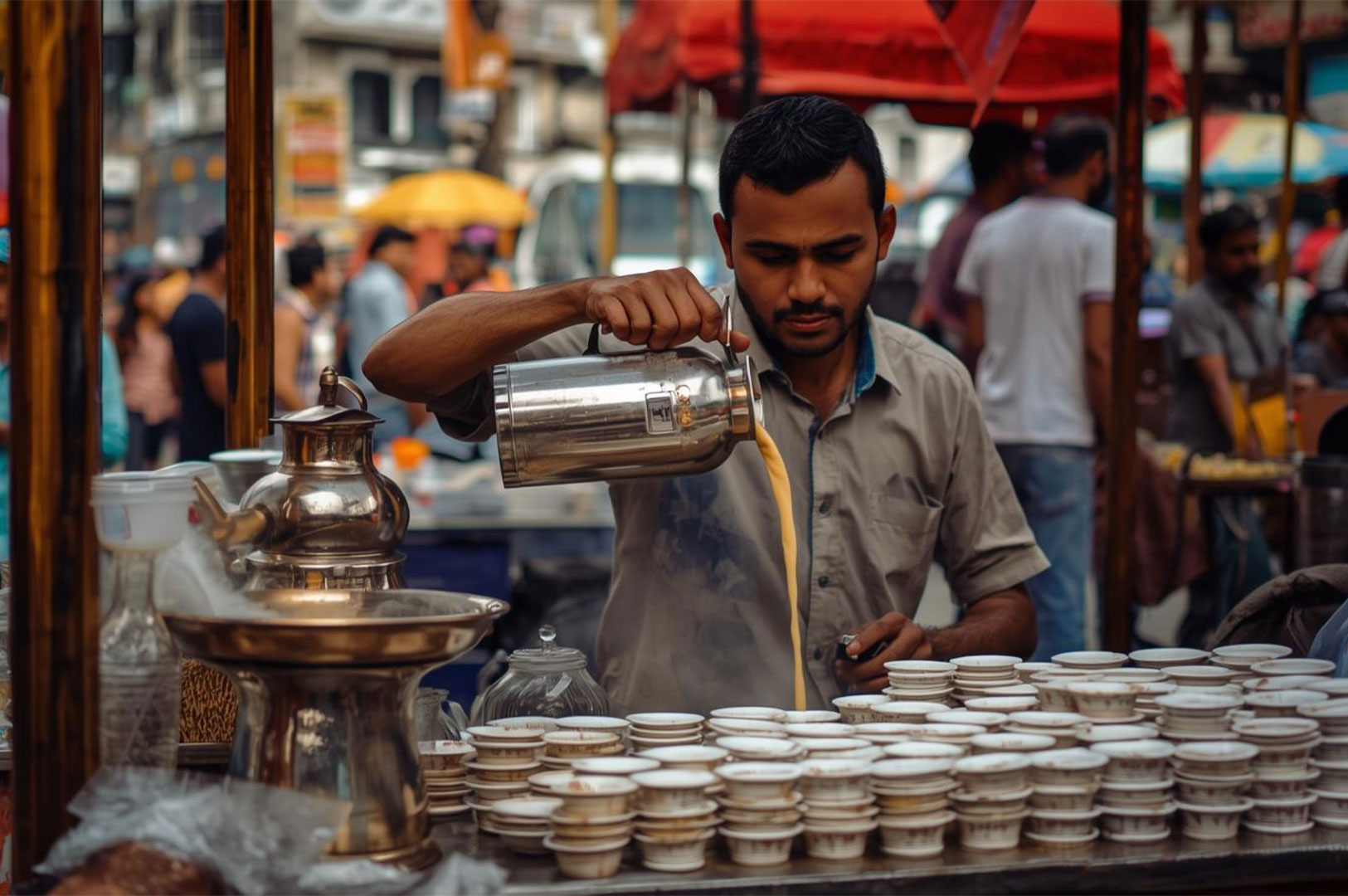
Walk through any Indian city, and you’ll find a chai stall—known locally as a tapri—on nearly every corner. These humble setups, equipped with nothing more than a kettle of boiling water, a stove, and stacks of cups, embody the democratic spirit of Indian chai culture.
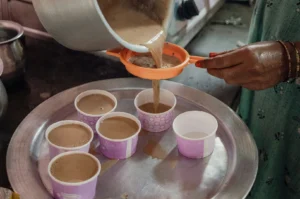
The chai wallah, or tea vendor, performs a small ceremony each time he brews—a rhythmic process of mixing, pouring, and frothing that has the grace of an art form. The scene of chai preparation—steam rising, metal spoons clinking, the scent of spices in the air—transforms the act of drinking tea into a shared cultural performance.
At these stalls, three important dynamics play out:
- The Great Equalizer: Here, the boundaries of class blur. A wealthy businessman and a taxi driver might be sipping from the same glass side by side, the shared act of sipping chai highlighting social connection and equality. For those few minutes, chai brings people together as equals.
- The Information Exchange: Long before social media, chai stalls served as hubs for news, gossip, and politics. Conversation flows freely—proof that in India, chai consumption is as much about connecting minds as it is about warming the body.
- A Moment of Pause: In the chaotic rhythm of urban India, the chai break offers a small escape. Like coffee culture in the West, it provides a moment of calm and reflection amid constant movement.
The Heart of the Home: Chai, Family, and Hospitality in Indian Culture

If the street stall represents public social life, then chai at home is a portrait of intimacy and hospitality. The first sound in many Indian homes is the gentle whistle of a kettle or the bubbling of milk over the stove. Offered chai is both a morning wake-up call and an evening comfort.
Every family has its own version of masala chai, a reflection of personal style and regional tradition—some favoring the earthy sharpness of ginger, others preferring the sweet aroma of cinnamon or cardamom. These subtle variations showcase the diversity of Indian chai culture.
Chai at home fulfills several essential functions:
- Hospitality: No guest leaves an Indian home without being offered chai. It is customary for families to serve chai piping hot in small cups or glasses, often with a plate of snacks, highlighting the importance and etiquette of serving as part of the ritual.
- Bonding: Families gather over cups of steaming chai to discuss the day’s events, celebrate good news, or simply enjoy each other’s company.
- Rituals: The day begins and ends with drinking tea—a morning energizer and an evening ritual to mark the transition from work to rest.
This domestic ceremony reveals how chai functions as more than sustenance—it’s a tool for connection, a way to nurture relationships and rhythm in daily life.
Chai, Health Benefits, and the Art of Balance
While chai is cherished for its taste and social significance, it also offers notable health benefits. The spices used in masala chai—ginger, cardamom, cinnamon, cloves, and black pepper—have been valued in Ayurvedic tradition for their ability to warm the body, aid digestion, and boost immunity. Like other beverages with deep cultural and ritual significance—such as tea, coffee, cacao, yerba mate, and various alcoholic beverages—chai plays an important role in social customs and traditions around the world.
Unlike coffee, which can overstimulate, chai provides a gentler energy lift, balanced by the calming properties of milk and spices. Its natural antioxidants—derived from dried leaves of the tea plant—make it a healthy alternative to sugary alcohol or a refreshing cocktail.
Thus, drinking chai combines sensory pleasure with wellness, embodying the Indian ideal that nourishment should be both art form and practice of balance.
Around the World: Chai, Different Cultures, and Global Influence

Though chai is rooted in India, its influence now stretches around the world. Just as yerba mate, brewed from the yerba mate plant in South America and sipped through a metal straw called bombilla, carries social and spiritual weight, Indian tea represents a ritual of togetherness and respect.
Across different cultures, tea takes many forms—from the tea ceremony in Japan to the wine-like sophistication of Chinese tea tasting traditions. In this global context, Indian chai culture stands out for its warmth, accessibility, and emotional resonance.
Modern chai cafes in cities like Mumbai, Delhi, London, and New York reimagine the drink for contemporary audiences, serving everything from chai lattes to spiced iced chai. Yet, even as it becomes a popular drink worldwide, its cultural significance remains tied to the humble act of sharing—a small cup, a few moments, and a sense of belonging.
The Enduring Art Form and Cultural Significance of Chai
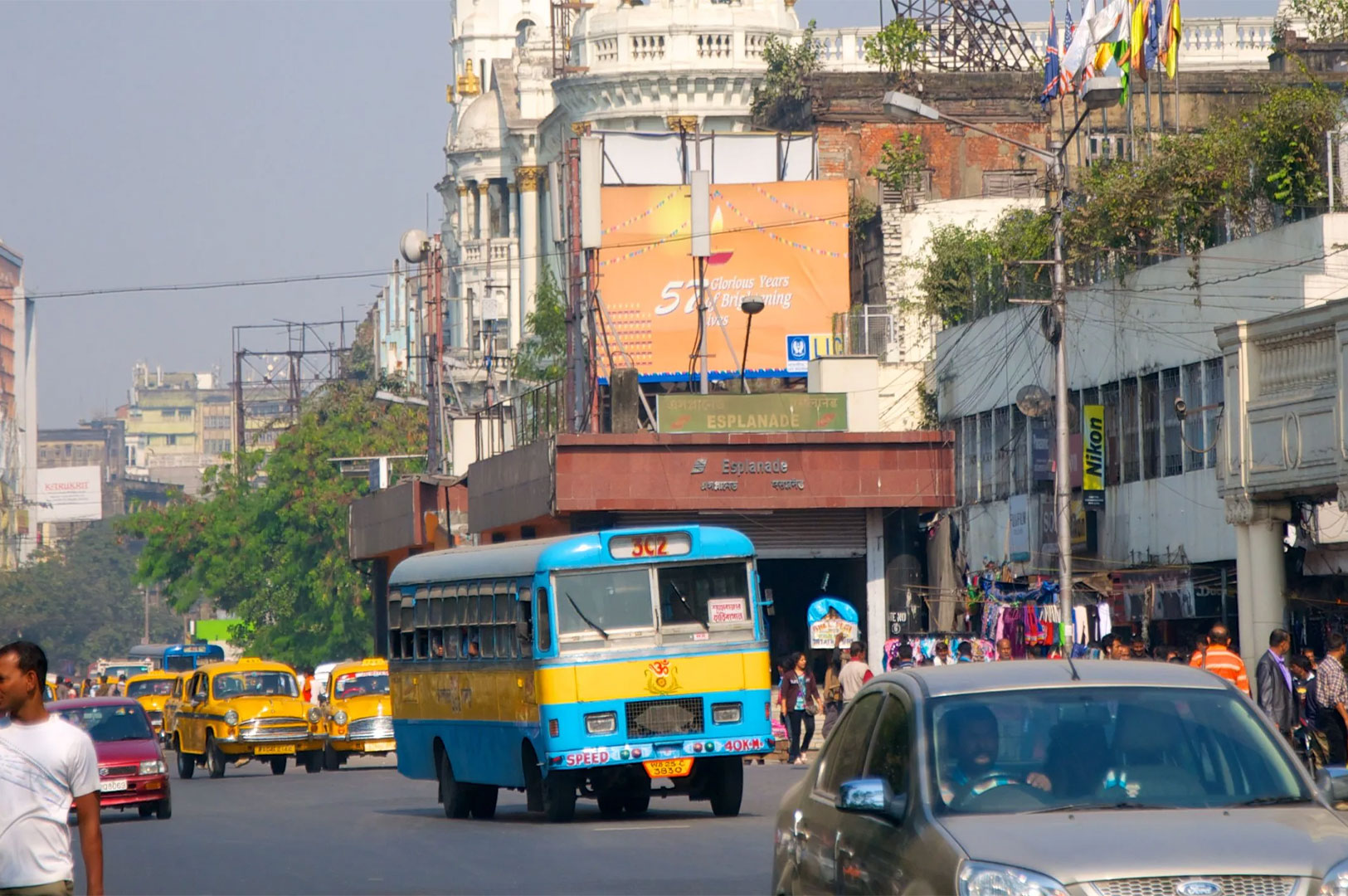
From the misty tea gardens of Assam to the crowded lanes of Kolkata, chai continues to define the social life and tradition of a country. It is a beverage that unites many cultures within India, a drink that reflects both the history and the evolving process of modern life.
In a world increasingly dominated by coffee and alcohol, chai remains the essential comfort that brings people together—friends, families, and locals alike. Whether enjoyed at a roadside stall or brewed with care at home, it is never just a beverage. It is a ceremony, a story of mutual respect, and an enduring symbol of how Indian culture transforms something as simple as hot water, milk, and spices into a drink that captures the soul of a nation.
So, the next time you lift a cup of chai to your lips, take a moment to sip slowly and remember: within that single brew lies the warmth of India, the rhythm of its tradition, and the universal truth that some drinks are not meant to be consumed—they are meant to be experienced.
The Future of Chai Culture
The future of chai culture is vibrant and full of promise, as a new generation of chai lovers embraces both tradition and innovation. While coffee culture has made its mark in India, it has also sparked a renewed interest in the art of drinking chai. Young people are rediscovering the cultural significance of chai, eager to learn traditional recipes and the stories behind them.
Despite these changes, the cultural significance of chai remains essential. Whether enjoyed in a traditional ceremony or as part of a contemporary café experience, chai continues to bring people together, fostering mutual respect and a sense of community. With its rich history, delicious taste, and enduring role in Indian culture, chai is set to remain a beloved beverage around the world, connecting people and traditions for generations to come.

The Tea I Keep Drinking When I Don’t Feel Like Myself
There are days when tea feels unnecessary. Not because I stop liking it, but because I don’t feel like the version of myself who usually drinks it slowly, thoughtfully, and with attention. On those days, I still make tea anyway. Not out of ritual, but out of habit. It is never the elaborate kind of…
-
Tea Ceremony Kyoto: A Slow Dance of Bowls and Breath
The room is quiet enough to hear water. Somewhere beyond the paper screens of this traditional tea ceremony venue, a garden drips after morning rain. Inside a tea house on a tatami mat worn soft by years of kneeling, a tea master lifts a bamboo whisk and begins tea making. There is no rush in…
-
Why We Keep Romanticising Tea Moments That Never Happened
I sometimes wonder if we are drinking tea or remembering something that never really happened. A quiet morning that feels softer in memory than it ever was in real life. A perfect cup by the window that somehow always looks better in hindsight. A tea moment that feels cinematic, even though it probably lasted only…
-
Masala Chai Tea Origins: The Cultural Evolution of India’s Spiced Tea Tradition
There is a sound that belongs to mornings across India: the hiss of milk rising in a battered pot, the clink of a spoon against metal, the low murmur of a tea seller calling out to passing crowds. Before the first sip, there is the scent. Cardamom pods, fresh ginger, and cinnamon stick curling into…
-
We Are Turning Tea Into Something It Was Never Meant to Be
There is something quietly strange happening in tea culture. The more popular the tea becomes, the more it starts to resemble everything it once stood apart from. Speed. Branding. Productivity. Performance. Tea, which once belonged to unhurried moments, is increasingly being asked to do more. To energize. To optimize focus. To replace coffee. To support…
-
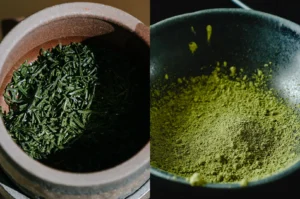
Sencha Green Tea vs. Matcha Powder: Understanding the Differences in Japanese Green Tea
Two tins of tea powder sit side by side on a shelf. Both hold a fine green powder. Both promise the taste of authentic Japanese tea. To the eye, they look almost identical, and that is precisely where the confusion begins. One is matcha powder, often used in matcha lattes and desserts. The other is…
-
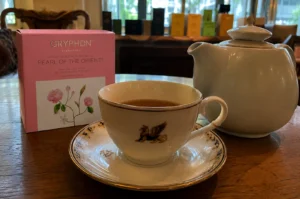
Discovering Gryphon Tea Company’s Earl Grey in Singapore
I recently tried the Earl Grey from Gryphon Tea Company Singapore, and I have to admit, it surprised me. Not because it was flawless-it wasn’t, but because it felt like a tea that knew exactly what it wanted to be. The aroma is the first thing that hits you. Bergamot is present but subtle, not…
-
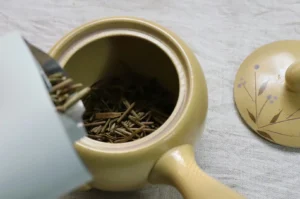
Hojicha: The Roasted Japanese Green Tea With A Mellow Twist
There is a moment, just after the hot water meets the hojicha tea leaves, when the kitchen fills with the aroma of something toasted. Not grassy. Not sharp. Warm, like roasted nuts or the edge of a freshly baked loaf. That moment is where hojicha begins. Hojicha (sometimes spelled houjicha) is a roasted green tea…
-
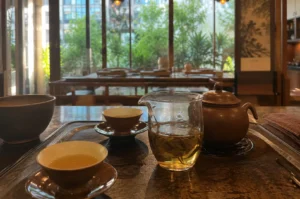
A Quiet Afternoon at Yixing Xuan Teahouse
I recently spent a quiet afternoon at Yixing Xuan Teahouse, a place that feels like a pause in the city. The moment you step inside, the world seems slower. The air carries the gentle aroma of steeped leaves, and the staff move with quiet precision. I chose an oolong, simple yet familiar. Watching the leaves…
-
The Controversial Smoky Tea That Divides Enthusiasts: Lapsang Souchong Black Tea
There is a tea that empties rooms and fills them in equal measure. Open a box of loose leaf lapsang souchong black tea, and someone nearby will lean in with delight while another quietly steps away. Few teas provoke such immediate, honest reactions. That divide is part of its story. This smoked lapsang souchong smells…