There is something fascinating about the way we buy tea today.
Before we taste the leaves, we have already formed an opinion.
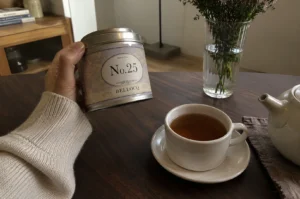
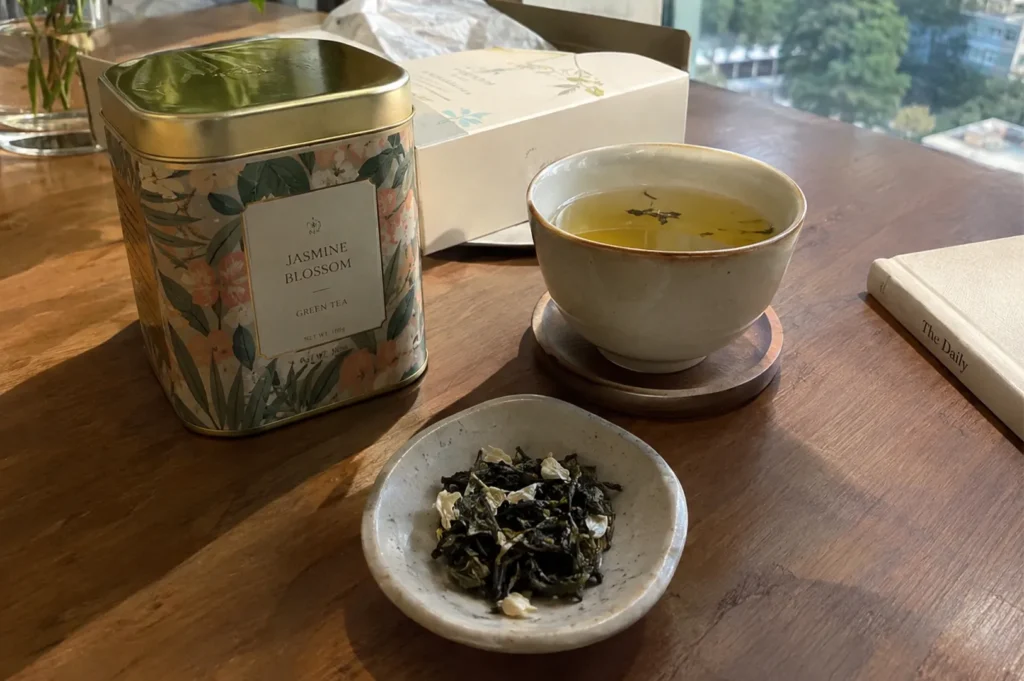
The box is elegant.
The label is beautifully designed.
The colours suggest calm, luxury, or tradition.
The story feels carefully written.
And before the first sip, we have already decided that the tea must be special.
This is not surprising. Humans are drawn to beauty. Presentation influences how we experience almost everything, including food and drink.
A beautifully designed tea package can create curiosity. It can introduce us to a producer we may never have discovered otherwise.
But I sometimes wonder whether we have allowed the packaging to become louder than the tea itself.
A tea tin cannot tell us how the tea will actually taste.
It cannot tell us whether the leaves were suited to our preferences.
It cannot tell us whether the tea will become part of our daily life or simply become another forgotten item on a shelf.
Yet we often buy tea based on the promise before we experience the reality.
I have made this mistake myself.
There have been teas I purchased because the presentation was beautiful. The packaging suggested something thoughtful, refined, perhaps even memorable.
Then I brewed it.
Sometimes, the tea was excellent.
Other times, I found myself admiring the container more than the contents.
Perhaps this is one of the quiet challenges of modern tea culture. We are surrounded by beautiful objects, and sometimes we confuse beauty with value.
But tea is not meant to be displayed forever.
It is meant to be opened.
The leaves are meant to meet water. The aroma is meant to fill the room. The cup is meant to be held.
A simple package containing a tea we return to often may offer more value than an elaborate box that rarely leaves the shelf.
This does not mean packaging is unimportant. Good design can honour the tea. It can reflect the care behind the product and create a meaningful first impression.
But the first impression should not become the final judgement.
Tea reveals itself differently.
Not through appearance.
Through experience.
Perhaps the next time we choose a tea, we should pause before asking whether the package belongs on our shelf.
A better question might be:
Will I want to open this tomorrow morning?
Because the true beauty of tea is not found in how it looks before it is brewed.
It is found in what remains after the cup is empty.
With quiet regard,
N. P. Lim

What Kopi and Tea Say About Singapore
One of the things I love most about Singapore is that we never really chose between kopi and tea. We kept both. Walk into almost any hawker centre or coffee shop and you’ll see it immediately. One person orders kopi-o. Another asks for teh-c. Someone else is drinking Chinese tea from a flask they brought…
-
The Tea We Keep Saving for Later
Many tea drinkers have a tea they are saving. A special oolong purchased during a memorable trip. A rare tea gifted by a friend. A tea that feels too valuable, too limited, or too meaningful to drink casually. So it waits. Days become weeks. Weeks become months. The tea remains carefully stored while more ordinary…
-
Earl Grey Tea Benefits: What Is Earl Grey Tea and Why Has It Endured for Centuries?
Introduction Few teas are as instantly recognisable as Earl Grey tea. Even among people who do not regularly drink tea, the distinctive citrus aroma of Earl Grey often feels familiar. It appears in tea shops, cafés, afternoon tea menus, and kitchen cupboards around the world, yet many people still ask the same question: what is…
-
Can You Call Yourself a Tea Lover If You Don’t Like Matcha?
I have a confession. I don’t think every tea lover needs to love every tea. That sounds obvious when written down, but spend enough time around tea enthusiasts and you may start to think otherwise. Someone discovers that you enjoy tea. The questions begin. Do you drink green tea? What about pu-erh? Have you tried…
-
Is Tea Acidic? Understanding Tea Acidity and What It Means for Tea Drinkers
One of the most common questions among both new and experienced tea drinkers is surprisingly simple: is tea acidic? The answer is yes, but the reality is far more nuanced than a simple yes or no. Most teas fall on the mildly acidic side of the pH scale, yet they are generally far less acidic…
-
The Best Tea Sessions Are Usually Unplanned
Some of the most memorable tea sessions begin without intention. No special occasion. No carefully selected tea ware. No plan to spend an afternoon appreciating tea. Someone simply puts water on to boil. A tea is chosen almost absentmindedly. Cups are found. The tea is poured. And somehow, those sessions often become the ones we…
-
A Guide to the Wedding Tea Ceremony in Singapore: Tradition, Family, and Meaning
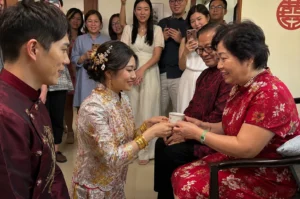
I still remember the morning of my older sister’s wedding day. We were packed into my parents’ flat, and the sticky humidity in the air was intense, even with the air conditioning running on full blast. Amidst the loud laughter and the fun of the morning gatecrash, everything suddenly slowed down. I watched her kneel…
-
Why Tea Gifts Always Feel More Personal
There are easier gifts to buy than tea. Gift cards, flowers, candles. They require very little thought. Most people will appreciate them, and if they don’t, no real harm is done. Tea feels different. Giving someone tea involves a small act of interpretation. You are making a quiet guess about what they might enjoy. Something…
-
Wabi Sabi Meaning: Discovering Beauty in Imperfection
Singapore is famous for its spotless streets, impressive glass towers, and a culture that constantly celebrates the new-be it design trends, the latest matcha drinks, or the next “perfect place” for brunch. For a long time, I bought into this idea of curated perfection. My home had to be pristine, my days measured for maximum…
-
The Strange Pressure to Understand Every Tea Immediately
Tea drinkers do something interesting. When trying a new tea, many immediately begin searching for the “correct” tasting notes. Floral. Roasted. Fruity. Mineral. Someone takes a sip and suddenly feels pressure to identify every subtle characteristic as though there is a right answer hidden somewhere inside the cup. And if the tea feels confusing at…