There is something fascinating about the way we buy tea today.
Before we taste the leaves, we have already formed an opinion.
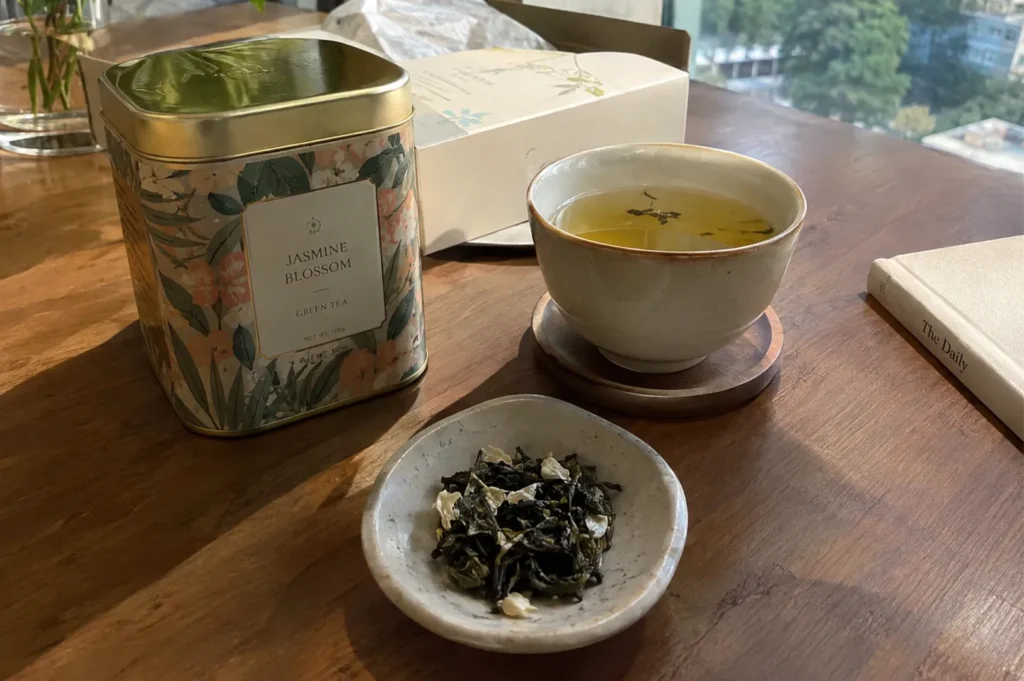
The box is elegant.
The label is beautifully designed.
The colours suggest calm, luxury, or tradition.
The story feels carefully written.
And before the first sip, we have already decided that the tea must be special.
This is not surprising. Humans are drawn to beauty. Presentation influences how we experience almost everything, including food and drink.
A beautifully designed tea package can create curiosity. It can introduce us to a producer we may never have discovered otherwise.
But I sometimes wonder whether we have allowed the packaging to become louder than the tea itself.
A tea tin cannot tell us how the tea will actually taste.
It cannot tell us whether the leaves were suited to our preferences.
It cannot tell us whether the tea will become part of our daily life or simply become another forgotten item on a shelf.
Yet we often buy tea based on the promise before we experience the reality.
I have made this mistake myself.
There have been teas I purchased because the presentation was beautiful. The packaging suggested something thoughtful, refined, perhaps even memorable.
Then I brewed it.
Sometimes, the tea was excellent.
Other times, I found myself admiring the container more than the contents.
Perhaps this is one of the quiet challenges of modern tea culture. We are surrounded by beautiful objects, and sometimes we confuse beauty with value.
But tea is not meant to be displayed forever.
It is meant to be opened.
The leaves are meant to meet water. The aroma is meant to fill the room. The cup is meant to be held.
A simple package containing a tea we return to often may offer more value than an elaborate box that rarely leaves the shelf.
This does not mean packaging is unimportant. Good design can honour the tea. It can reflect the care behind the product and create a meaningful first impression.
But the first impression should not become the final judgement.
Tea reveals itself differently.
Not through appearance.
Through experience.
Perhaps the next time we choose a tea, we should pause before asking whether the package belongs on our shelf.
A better question might be:
Will I want to open this tomorrow morning?
Because the true beauty of tea is not found in how it looks before it is brewed.
It is found in what remains after the cup is empty.
With quiet regard,
N. P. Lim

The Matcha Latte and the Tea It Came From
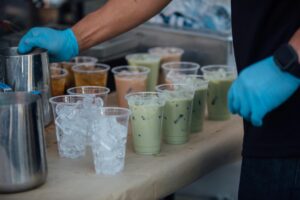
The matcha latte drink has become one of the most recognizable tea-based beverages in modern cafés. From Starbucks menus to independent tea bars, it is served hot in ceramic mugs or as iced matcha lattes layered in a glass with cold milk and ice. It is marketed as a healthy drink. It is praised for…

We Are Drinking Tea Too Quickly
There is something ironic about rushing tea. We order it to relax. We call it calming. We describe it as grounding. And yet, more often than not, we drink it the same way we drink everything else — between emails, between meetings, between scrolling. Tea has become background noise. A mug beside the laptop. A…
-
Where Tea Meets Cuppage Plaza Food: Restaurants That Serve Both Well
Walk into Cuppage Plaza Singapore and you immediately feel the shift. Just a short walk from Somerset MRT Station, Cuppage Plaza is a go-to spot for anyone craving authentic Japanese cuisine. Sure, Orchard Road is just outside, all shiny and bustling, but once you step inside this older building, the vibe totally shifts. The hallways…
-
Milk Tea Is Not Tea
This is not an argument about preference. It is a question about naming. Milk tea is everywhere now. It travels in oversized cups, sealed with plastic film. It arrives layered with foam, syrup, pearls, jelly, whipped cream. It is photographed before it is tasted. It is queued for. It is branded. It is loved. But…
-
A Journey into Herbal Teas: Exploring Nature’s Finest Infusions
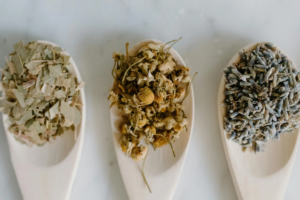
Imagine cupping your hands around a warm mug, inhaling the sweet, floral scent of chamomile tea or the invigorating peppermint tea aroma from the peppermint plant. As you take the first sip, you feel a sense of calm and comfort wash over you. This soothing experience is the magic of herbal teas, a diverse and…
-
Singapore Tea for Every Palate and Every Ritual
What draws us to seek something deeper in a simple cup of tea? In Singapore, where countless cultures have settled like leaves steeping in warm water, the answer unfolds quietly in the spaces between tradition and modernity. Good tea emerges from patient sourcing, from the steady hands of those who understand its language, from leaves…
-
Where to Find Private Room Singapore Spaces for Tea Rituals
In a city that never truly rests, quiet becomes something you have to choose. You feel it when you’re weaving through Orchard Road in the middle of the day, or squeezing past crowds in the Central Business District at lunch hour. The lights are bright, the notifications keep coming, and even when you sit down, your…
-
Tea Is Losing Its Ceremony — And We Let It Happen
No one announced it. There was no collective decision, no moment of cultural shift. And yet, the ceremony has quietly receded from everyday tea. What was once deliberate has become automatic. Tea used to require attention. Water temperature mattered. Leaves were measured with care. The cup was chosen, not grabbed. Even in the absence of…

The Art of Aging: Understanding Authentic Yunnan Pu-erh Tea
Among the world’s most revered fermented dark teas, few types evoke as much intrigue and respect as Yunnan pu erh tea (普洱). Crafted from ancient tea trees in Yunnan province, this tea produced by traditional methods is a living testament to China’s rich beverage heritage. Unlike most loose leaf tea or black teas, high-quality pu…
-
Cafe Singapore Says It Values Craft. So Why Is Tea an Afterthought?
Singapore loves its café culture. We celebrate espresso machines. We admire single-origin beans. We debate tasting notes and extraction times like it is a sport. When someone says “Cafe Singapore,” most of us immediately picture coffee. But look at the tea menu. In many cafés, tea is reduced to a small corner of the page….