There is something fascinating about the way we buy tea today.
Before we taste the leaves, we have already formed an opinion.
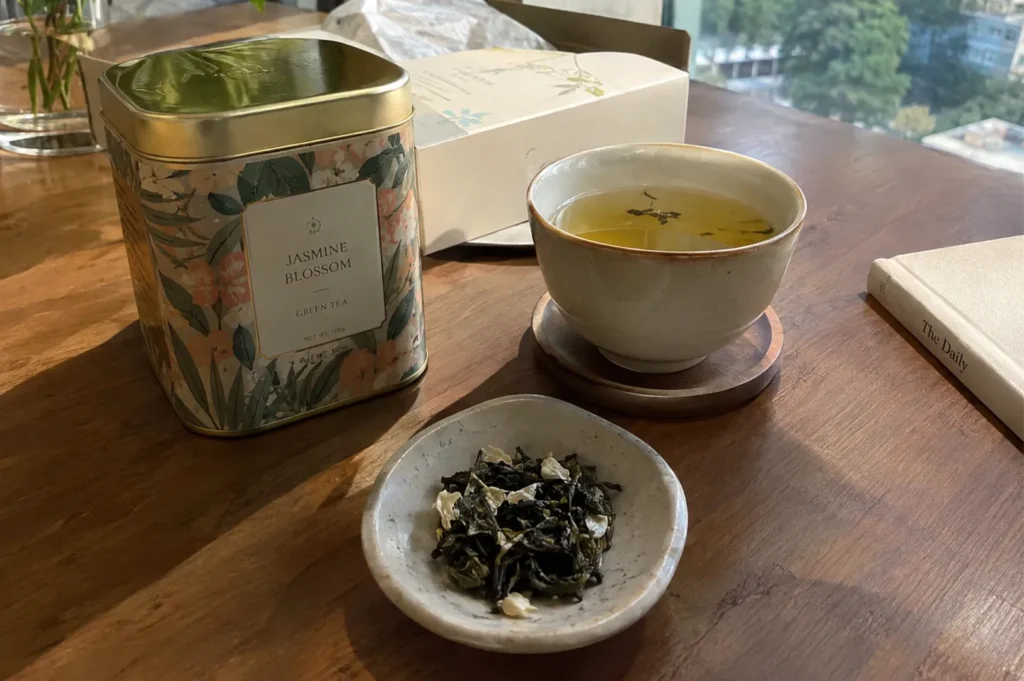
The box is elegant.
The label is beautifully designed.
The colours suggest calm, luxury, or tradition.
The story feels carefully written.
And before the first sip, we have already decided that the tea must be special.
This is not surprising. Humans are drawn to beauty. Presentation influences how we experience almost everything, including food and drink.
A beautifully designed tea package can create curiosity. It can introduce us to a producer we may never have discovered otherwise.
But I sometimes wonder whether we have allowed the packaging to become louder than the tea itself.
A tea tin cannot tell us how the tea will actually taste.
It cannot tell us whether the leaves were suited to our preferences.
It cannot tell us whether the tea will become part of our daily life or simply become another forgotten item on a shelf.
Yet we often buy tea based on the promise before we experience the reality.
I have made this mistake myself.
There have been teas I purchased because the presentation was beautiful. The packaging suggested something thoughtful, refined, perhaps even memorable.
Then I brewed it.
Sometimes, the tea was excellent.
Other times, I found myself admiring the container more than the contents.
Perhaps this is one of the quiet challenges of modern tea culture. We are surrounded by beautiful objects, and sometimes we confuse beauty with value.
But tea is not meant to be displayed forever.
It is meant to be opened.
The leaves are meant to meet water. The aroma is meant to fill the room. The cup is meant to be held.
A simple package containing a tea we return to often may offer more value than an elaborate box that rarely leaves the shelf.
This does not mean packaging is unimportant. Good design can honour the tea. It can reflect the care behind the product and create a meaningful first impression.
But the first impression should not become the final judgement.
Tea reveals itself differently.
Not through appearance.
Through experience.
Perhaps the next time we choose a tea, we should pause before asking whether the package belongs on our shelf.
A better question might be:
Will I want to open this tomorrow morning?
Because the true beauty of tea is not found in how it looks before it is brewed.
It is found in what remains after the cup is empty.
With quiet regard,
N. P. Lim

Tea from Japan: A Journey Through Culture, History, and Varieties
In Japan, tea is not merely a drink; it is a cultural cornerstone, a spiritual discipline, and an integral part of daily life. Tea is an important part of Japanese food culture, traditional ceremonies, and daily routines, reflecting its deep-rooted presence in society. The simple act of preparing and drinking Japanese tea is imbued with…
-
Sobacha: Exploring the Japanese Tradition of Roasted Buckwheat Tea (Sobacha)
Beyond the celebrated world of Japanese green tea lies a treasure trove of comforting, traditional beverages. Among the most beloved is sobacha (そば茶), a nutty and wholesome roasted buckwheat tea. It’s a staple in Japanese households and restaurants, cherished not just for its delightful flavor but for its deep connection to Japanese culinary culture and…
-
Ginger Tea Singapore: A Practical Journey to Finding and Enjoying This Wellness Beverage
Ginger tea is more than just a comforting beverage in Singapore; it’s a staple of modern wellness, a go-to remedy for chasing away the chill of an air-conditioned office, and a familiar taste of home across many cultures. The gentle warmth of ginger tea provides a soothing and invigorating sensory experience, evoking feelings of coziness…
-
Beyond Coffee: Cafe Singapore Cafes Worth Visiting for Their Tea
Author’s Note: I made just a few tweaks here and there to smooth out the flow and make your reading experience as enjoyable as possible. Hope you enjoy the read as much as I enjoyed fine-tuning it for you! If you close your eyes and imagine a typical cafe Singapore scene, you’d likely hear the…
-
Green Tea in Japan: Exploring the Cultural and Social Dimensions of Green Tea in Japan
In Japan, green tea is more than just a beverage; it is a cultural cornerstone, deeply woven into the fabric of daily life, social customs, and national identity. It’s the welcoming drink offered to a guest, the quiet moment of reflection in a busy day, and the centerpiece of a centuries-old ceremony. While many are…

Singapore Ginger Tea: A Complete Guide to Traditional Wellness in the Lion City
In Singapore’s multicultural landscape, ginger tea is a beloved staple that transcends cultural boundaries. Known locally as teh halia, this warming brew embodies centuries of traditional wisdom adapted to modern Singapore life. Whether you seek relief from air-conditioned chill, digestive support after a big meal, or a refreshing sip on a rainy day, Singapore ginger…
-
Loose Tea Leaves: Elevate Your Singapore Tea Experience
In a city that moves as fast as Singapore, the simple act of brewing a cup of tea can feel like a small rebellion—a moment of intentional calm. More and more tea lovers are discovering that this moment is profoundly elevated when they make the switch from conventional tea bags to loose tea leaves. This…
-
Tea Leaf Singapore: An Exquisite Journey of Flavours, Traditions, and Moments
Singapore’s strategic position as a maritime trading hub has nurtured a rich tea culture where ancient traditions blend with modern innovation. The local love for tea runs deep, shaping Singapore’s unique tea culture and fostering a strong appreciation for every cup. Singapore continues to honor its tea traditions while embracing new innovations, ensuring that the…
-
Korean Barley Tea: A Journey into Boricha and Its Rich Traditions
Walk into any Korean restaurant, and before you glance at the menu, a glass of amber-colored boricha (보리차) arrives. This Korean barley tea is as fundamental as water in Korean culture—served hot or cold, a staple in everyday life and a gesture of hospitality. While roasted barley tea is popular across many East Asian countries,…
-
Mugicha Barley Tea: Japan’s Beloved Caffeine-Free Summer Drink Unveiled
Long before green tea became Japan’s iconic beverage, mugicha barley tea—a golden, nutty roasted barley tea—has refreshed Japanese families for centuries. Unlike traditional tea from Camellia sinensis leaves, mugicha is a naturally caffeine free herbal tea made by steeping roasted barley grains in hot water. This traditional barley tea has evolved from an imperial luxury…