There is something fascinating about the way we buy tea today.
Before we taste the leaves, we have already formed an opinion.
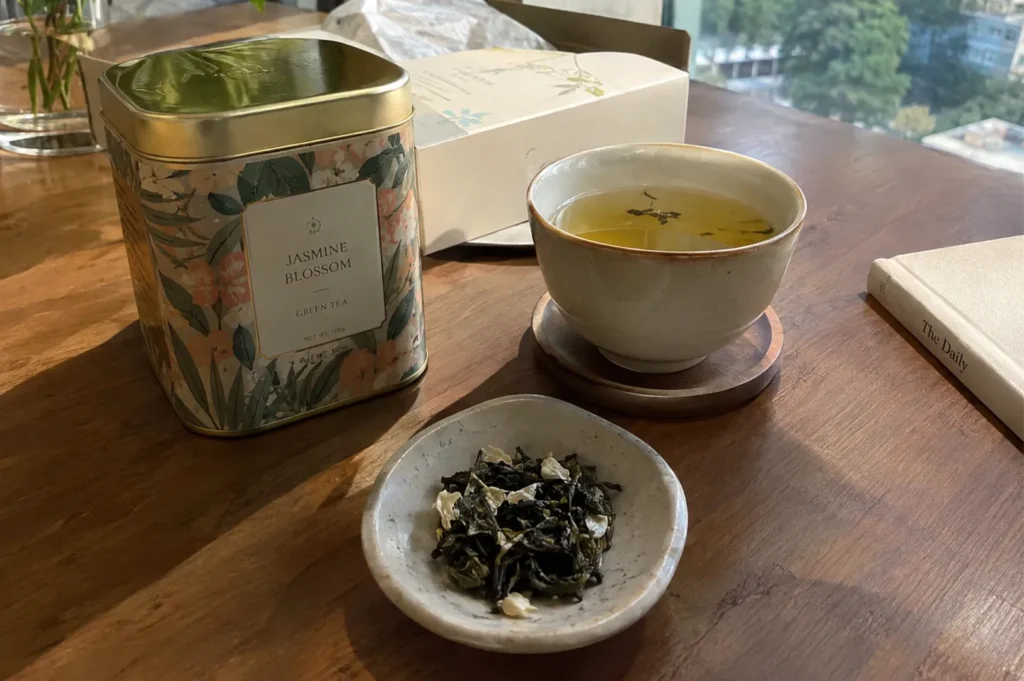
The box is elegant.
The label is beautifully designed.
The colours suggest calm, luxury, or tradition.
The story feels carefully written.
And before the first sip, we have already decided that the tea must be special.
This is not surprising. Humans are drawn to beauty. Presentation influences how we experience almost everything, including food and drink.
A beautifully designed tea package can create curiosity. It can introduce us to a producer we may never have discovered otherwise.
But I sometimes wonder whether we have allowed the packaging to become louder than the tea itself.
A tea tin cannot tell us how the tea will actually taste.
It cannot tell us whether the leaves were suited to our preferences.
It cannot tell us whether the tea will become part of our daily life or simply become another forgotten item on a shelf.
Yet we often buy tea based on the promise before we experience the reality.
I have made this mistake myself.
There have been teas I purchased because the presentation was beautiful. The packaging suggested something thoughtful, refined, perhaps even memorable.
Then I brewed it.
Sometimes, the tea was excellent.
Other times, I found myself admiring the container more than the contents.
Perhaps this is one of the quiet challenges of modern tea culture. We are surrounded by beautiful objects, and sometimes we confuse beauty with value.
But tea is not meant to be displayed forever.
It is meant to be opened.
The leaves are meant to meet water. The aroma is meant to fill the room. The cup is meant to be held.
A simple package containing a tea we return to often may offer more value than an elaborate box that rarely leaves the shelf.
This does not mean packaging is unimportant. Good design can honour the tea. It can reflect the care behind the product and create a meaningful first impression.
But the first impression should not become the final judgement.
Tea reveals itself differently.
Not through appearance.
Through experience.
Perhaps the next time we choose a tea, we should pause before asking whether the package belongs on our shelf.
A better question might be:
Will I want to open this tomorrow morning?
Because the true beauty of tea is not found in how it looks before it is brewed.
It is found in what remains after the cup is empty.
With quiet regard,
N. P. Lim

Does Diet Tea Work? Comparing Options for Safe and Effective Weight Management
The term diet tea has become one of the most searched phrases among people eager to lose weight naturally. For many, losing weight is the primary motivation behind trying these teas. Yet behind its popularity lies a maze of confusion. The market overflows with everything from authentic teas like green tea and oolong to questionable…
-
Does Green Tea Help To Lose Weight? The Role of Green Tea Extract, Drinking Green Tea, and Green Tea Preparations in Weight Management
For thousands of years, green tea has been revered in Asian cultures for its health-promoting properties. But can this ancient beverage actually help you lose weight, or is it just another overhyped health trend? The answer lies somewhere between the marketing hype and scientific reality. While green tea won’t magically melt away pounds overnight, decades…
-
Is Green Tea Caffeine? Everything You Need to Know
Green tea has long been celebrated for its health benefits and calming properties. It is a popular tea worldwide, known for its cultural significance and widespread consumption. Both green tea and black tea are made from the Camellia sinensis plant, also known as the tea plant. These teas come from the same plant, camellia sinensis,…
-
Is Green Tea Healthy? 7 Science-Backed Advantages of Green Tea
Is green tea healthy? The short answer is a resounding yes. For thousands of years, this beverage from the Camellia sinensis plant has been celebrated not only for its soothing taste but also for its numerous health benefits. Modern research continues to validate what tradition long suggested: drinking green tea regularly offers powerful advantages for…
-
The Complete Guide to Drinking Green Tea: Health Benefits, Brewing Techniques, and Cultural Traditions
For over 4,000 years, drinking green tea has been more than just a beverage choice-it’s been a pathway to wellness, mindfulness, and cultural connection. A cup of green tea offers a range of possible health benefits, supported by a growing body of scientific research exploring green tea benefits. Today, drinking green tea has become one…
-
Butter Tea Nutrition: Survival Through Tea in High Altitudes
Imagine waking up to a world where the air is thin and every breath feels like an effort. The wind outside is sharp, cutting across snow-covered peaks that stretch endlessly toward the sky. This is life at high altitudes-where the human body must constantly adapt to reduced oxygen levels, cold climatic conditions, and intense physical…
-
From Street Corners to Family Homes: The Social Geography and Cultural Significance of Indian Chai Culture
The air hangs thick with the sweet, spicy aroma of cardamom, ginger, and cloves mingling with the robust scent of boiling black tea and milk. The rhythmic clinking of glass against metal, the hiss of the gas stove, and the low hum of conversation create a familiar soundtrack. This is the sensory world of Indian…
-
Seasonal Aesthetics in the Korean Tea Ceremony: Reflecting Nature’s Rhythm and Subtle Beauty
Imagine sitting in a quiet, sunlit hanok-a traditional Korean house-its polished wooden floors warm beneath you. Before you rests a simple tea tray adorned with earthenware cups and a graceful teapot, each featuring intricate designs that showcase the detailed craftsmanship and artistry of Korean teaware. Outside, a soft breeze carries the aroma of blossoming flowers….
-
The Samovar’s Role in Russian Tea Culture: How This Unique Device Shaped Russian Tea Tradition
Picture a cozy room in the heart of a Russian winter, snow blanketing the world outside. Inside, at the center of a family table, stands a gleaming metal urn, steam gently puffing from its chimney. This is the samovar-the traditional self-boiler that has shaped Russian tea culture for centuries. More than a tool to heat…
-
The Art of Pouring: Height, Froth, and Hospitality in Moroccan Tea Service
Imagine this: you’re seated on low cushions in a Marrakech riad, surrounded by patterned tiles and the scent of spices wafting through the air. Your host approaches with a polished silver teapot, or berrad, holding it high above a small glass. A thin stream of steaming green tea flows gracefully, landing perfectly in an ornate…