I have a small confession to make.
Sometimes I have absolutely no idea what I am supposed to be tasting.
A tea description might promise orchid, honey, toasted nuts, stone fruit, and something wonderfully mysterious called a “long mineral finish.”
I take a sip.
I taste tea.
And then I start wondering if everyone else is experiencing something I am not.
Tea culture has become remarkably good at describing tea. We have tasting wheels, elaborate notes, and entire conversations dedicated to identifying the smallest details in a cup.
There is something wonderful about that. Learning how to notice flavour can make tea more interesting.
But I think we sometimes take it too seriously.
I have had teas where I could immediately understand the description. I have also had teas where someone told me I should be tasting flowers and I spent the next five minutes searching desperately for a flower that simply was not there.
Perhaps the problem is that we have started treating tasting notes like an examination.
There is a right answer.
There is a wrong answer.
And if you cannot find the notes everyone else is talking about, you start wondering whether you understand tea at all.
But tea is not a test.
Maybe you taste honey.
Maybe you taste nothing particularly identifiable.
Maybe you simply think it is delicious.
That should count for something.
I sometimes envy the freedom of people who drink tea without worrying about describing it. They take a sip, decide whether they like it, and continue with their day. No tasting wheel required.
There is a strange relief in that.
Because tea does not need to behave like wine.
It does not need a vocabulary of impressive words before we are allowed to appreciate it. Sometimes a tea is floral. Sometimes it is earthy. Sometimes it is simply the tea we wanted that afternoon.
And honestly, I think that is enough.
The more I drink tea, the less interested I become in proving that I can identify every flavour.
I would rather know whether I want another cup.
Perhaps that is a better measure of appreciation anyway.
Not whether we can describe the tea perfectly.
But whether we enjoyed drinking it.
— Maria Tan
On tea, culture, and everyday rituals.

Dong Ding Oolong: The Artisanal Craft Behind Taiwan’s Most Famous Tea
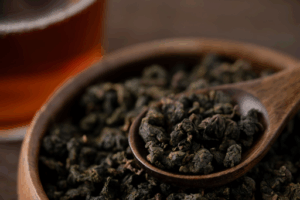
Imagine a warm, inviting aroma that fills the room with essence reminiscent of delicate flowers, toasted nuts, honeycomb, chocolate, and ripe stone fruit. The initial scent from a freshly opened tin of Dong Ding Oolong loose leaf tea can feel almost transportive. Upon brewing, the tea’s infusion shines with a brilliant golden colour, and your…

Yerba Mate Tea: Argentina’s Ancient Energy Brew and Modern Revival
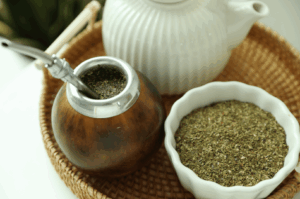
Picture a sun-drenched plaza in Buenos Aires, where the air hums with laughter and the scent of fresh flowers. In the center, friends gather in a close-knit circle, a cherished gourd filled with fragrant yerba mate tea making its way from hand to hand. Each person sips this herbal tea-brewed from green yerba mate leaves-through…

The Complete Guide to Kenyan Tea Industry Transformation in the Great Rift Valley
Imagine standing at the edge of Kenya’s Great Rift Valley, the birthplace of world-renowned Kenya tea. Here, undulating hills blanket the landscape in a lush sea of deep green, where rows of thriving tea bushes stretch across the horizon. This breathtaking region forms the core of the Kenyan tea industry-a powerhouse producing some of the…
-
Ceylon High Grown Tea: The Bright, Crisp Profiles of Nuwara Eliya
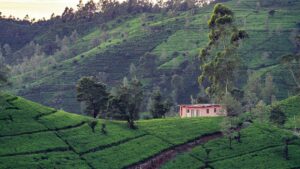
Imagine standing amidst a sea of emerald green on the island of Sri Lanka, where manicured tea bushes climb rolling hills and disappear into a cool, persistent mist. This is the world of Ceylon high grown tea, centred in Nuwara Eliya – a region characterized by bright sunshine in the morning and cool, misty nights….
-
Masala Chai Origins: The Cultural Evolution of India’s Spiced Tea Tradition
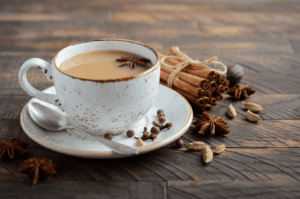
The rhythmic clanging of metal kettles echoes through narrow lanes as steam rises from countless chai stalls across India. The intoxicating aroma of cardamom, cinnamon, and fresh ginger mingles with robust black tea, creating an olfactory symphony that has captivated souls for centuries. This is masala chai-not merely a beverage, but a cultural phenomenon that…
-
Matcha Tea: The Versatile Japanese Green Tea Powder
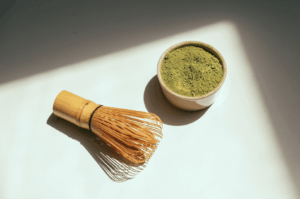
The vibrant green powder that transforms simple hot water into liquid jade has captivated tea enthusiasts worldwide. Matcha tea represents more than just a trendy beverage-it’s a bridge connecting ancient Japanese traditions with modern culinary innovation. This unique form of powdered green tea offers endless possibilities, from meditative ceremonial drinking to creative kitchen applications that…
-
The Dragon Well Legacy: Exploring China’s Legendary Longjing Tea
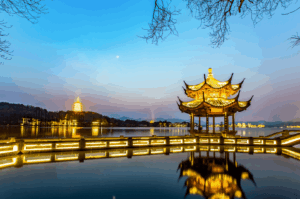
Among the world’s most revered green teas, few carry the prestige and cultural significance of China’s legendary Dragon Well. This premium tea has captivated tea enthusiasts for centuries, earning its place as an imperial favourite and modern icon alike. From its mystical origins at West Lake to its meticulous processing methods, Longjing represents the pinnacle…