Stop Treating Pu-erh Like Crypto: Collecting Isn’t the Same as Enjoying
There is something peculiar about buying tea that we have no intention of drinking.
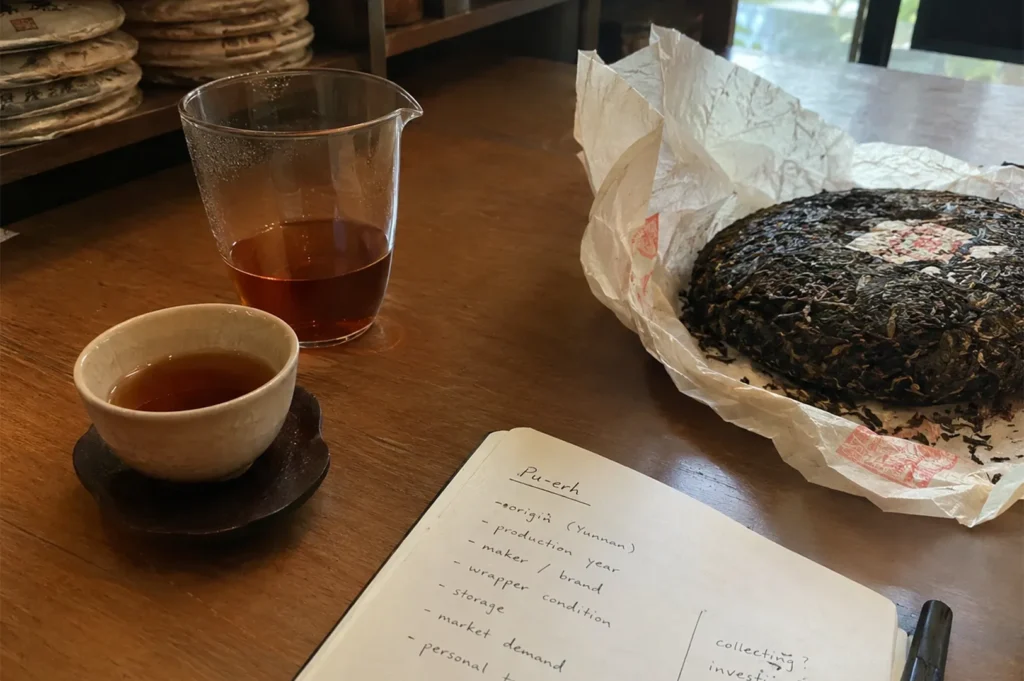
We examine its origin. We study the production year. We consider the reputation of the maker, the condition of the wrapper, and whether the tea might become more valuable in another decade.
Then we put it away.
I understand the attraction. Pu-erh has a history that rewards curiosity, and its ability to change with age makes it unlike many other teas. A well-stored cake of raw Pu-erh can develop characteristics quite different from those it possessed when first produced.
There is pleasure in witnessing that transformation.
But somewhere along the way, I wonder whether we have confused appreciation with accumulation.
Tea collecting has begun to resemble another familiar activity: investing in something because we believe someone else might eventually pay more for it.
The language is remarkably similar.
Scarcity. Provenance. Appreciation. Market demand.
Even the anxiety feels familiar.
We worry about buying too late, choosing the wrong vintage, or opening something that might be worth more unopened. A tea cake becomes less a drink and more an asset whose future value must be protected.
I find that a strange responsibility to place upon a few hundred grams of leaves.
Of course, collecting Pu-erh is not inherently foolish. Serious collectors have helped preserve important teas, documented production histories, and developed knowledge about ageing that ordinary drinkers might otherwise never encounter.
I respect that.
There is also nothing unreasonable about setting aside tea to observe how it changes over time. That is part of Pu-erh’s fascination, particularly with sheng, or raw Pu-erh, which can undergo significant changes during storage.
But ageing is not a guarantee of improvement. Time changes tea; it does not automatically make it better. Storage conditions, the original material, and personal taste all influence whether those changes are desirable.
With quiet regard, N. P. Lim

The Quiet Difference Between Muslim-Owned Cafés and MUIS-Certified Halal High Tea Spots in Singapore
I remember wandering down Arab Street years ago, searching for a quiet café where I could settle into an afternoon of coffee, tea, and conversation. I found a minimalist little space filled with delicate pastries and beautiful dessert displays, but hesitation quietly crept in as I began wondering about alcohol-based syrups, gelatin, and whether the…
-
Why Tea Shops Always Feel Slightly Different From Cafés
I’ve noticed something interesting over the years. People behave differently in tea shops. Not dramatically different, of course. No one suddenly becomes wiser the moment tea is poured. But the atmosphere tends to shift in subtle ways. Conversations slow down. Phones appear less often. Even silence feels more comfortable somehow. Tea shops carry a different…
-
High Tea Halal Singapore: Elegant and Inclusive Dining Experiences
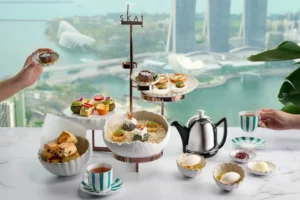
A tiered stand arrives. A pot of tea follows, still too hot to pour. For many of my Muslim friends, there’s usually a quiet moment before anyone reaches for a scone. Someone asks whether the kitchen is halal certified. Only then does the high tea afternoon properly begin. This list tries to take care of…

Why Oolong Tea Always Feels Slightly Mysterious
Oolong tea never feels entirely straightforward. Green tea usually introduces itself immediately. Black tea does the same. You understand them quickly. One feels fresh and bright. The other feels deep and familiar. But oolong tends to sit somewhere in between. Not fully green. Not fully black. Not always easy to describe. Perhaps that is part…
-
Benefits of Black Tea: Why This Everyday Drink Still Matters
For many people, black tea is simply part of a routine. It is the first thing brewed in the morning, poured during afternoon tea, or enjoyed quietly at the end of a long day. Familiarity often makes it easy to overlook, but the benefits of black tea extend far beyond comfort or habit. In the…
-
Why Tea Somehow Tastes Better on Rainy Days
I don’t know when I first started believing this, but tea genuinely feels different when it rains. Not scientifically different, of course. The leaves do not magically change because of the weather. And yet somehow, a cup of tea on a rainy afternoon feels softer, warmer, maybe even a little more comforting than usual. Just…

Brew, Sip, Heal: The Powerful Chamomile Tea Benefits Explained
Singapore is a city that rarely stops moving. Between the hum of the MRT, the endless glow of screens, and the heavy humidity that clings to the air, finding a moment to genuinely wind down can feel like a luxury. For the longest time, my evening routine consisted of scrolling through my phone while finishing…
-
Why Tea Feels Different at Night
Tea changes after dark. The same leaves, brewed in the same pot, somehow feel quieter in the evening. The aroma lingers longer. The warmth of the cup feels more noticeable in the hands. Even conversation seems to soften slightly around tea at night. Perhaps it is because the world itself becomes quieter. During the day,…

Tea Health Benefits: Best Teas for Relaxation, Focus, and Sleep
Tea is one of the world’s most beloved drinks, enjoyed every day across countless cultures. When we talk about tea health benefits, it’s helpful to know the difference between true tea and herbal infusions. True tea comes from the Camellia sinensis plant, giving us popular varieties like green, black, white, and oolong tea. On the…

The Secret Joy of a Simple Cup of Tea
There’s something so deeply satisfying about a cup of tea-especially when it’s the simplest cup. No complicated brewing methods. No fancy leaves. Just tea, water, and a moment of quiet. I’ve had tea in many places, from grand tea houses to humble kitchen counters. But the most memorable tea moments often happen in the least…