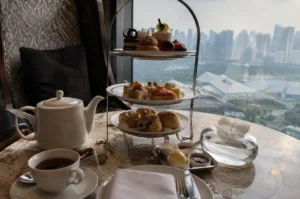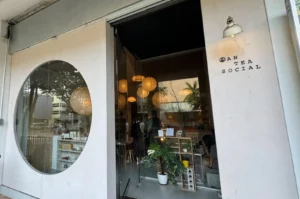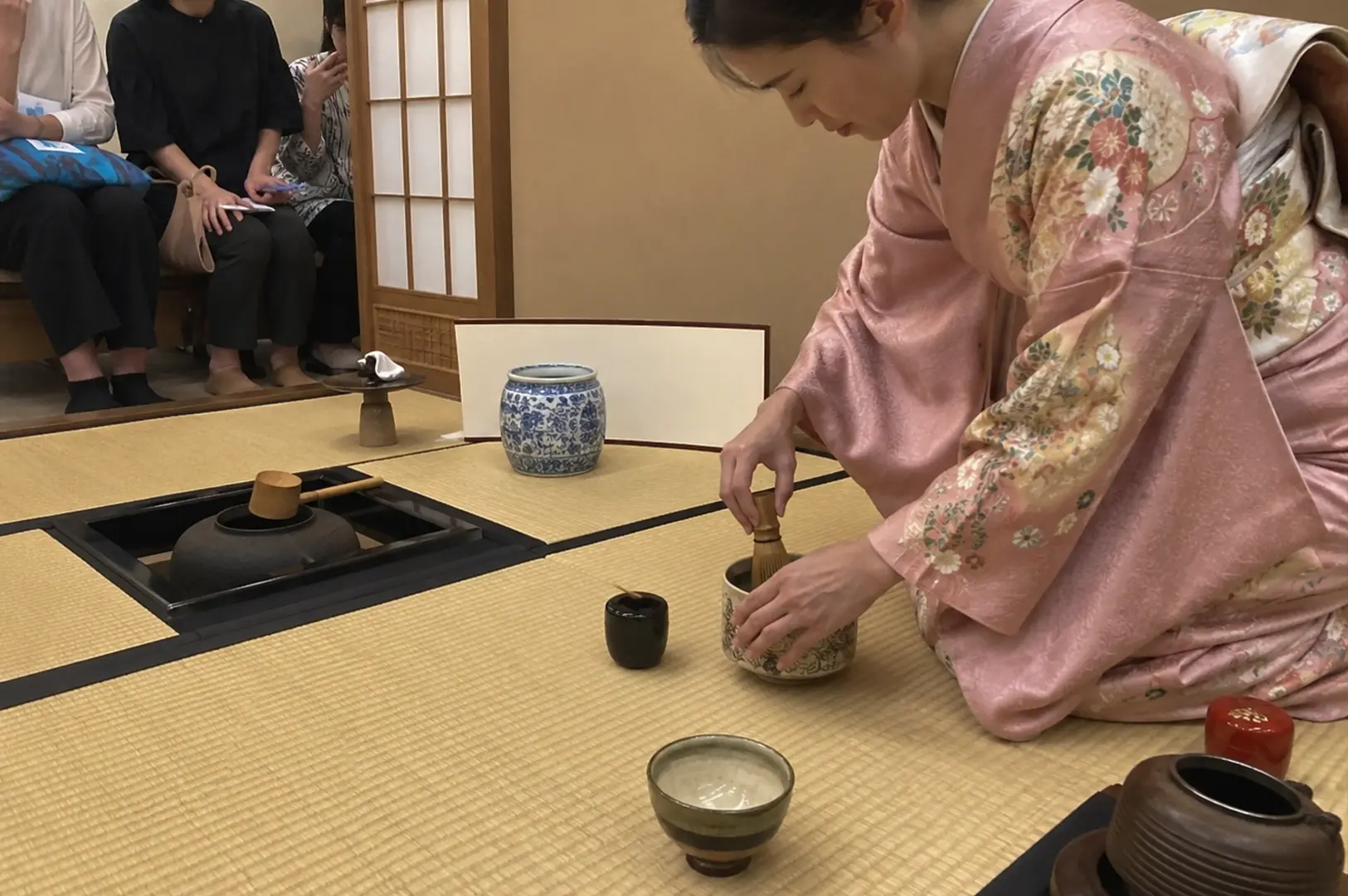
My first tea ceremony singapore experience left me more worried about etiquette than soaking in the moment. Surrounded by seasoned guests, I focused on getting every gesture right, how to bow, how to hold the cup, afraid of missing some point that makes tea culture here so unique. Looking back, I missed how these small acts in a tea ceremony quietly shape the atmosphere in singapore, turning simple moments into something meaningful.
It took just one traditional tea ceremony in Singapore for me to realize how the tiniest gestures: bowing, holding one cup the right way, savoring green tea or chinese tea with friends, carry a quiet, powerful meaning. In our fast-paced tea culture, it’s easy to focus on learning the moves or choosing the perfect cup, but the real tradition rests in how these small acts transform an ordinary gathering into something that feels timeless and deeply connected.
Tea Ceremony Etiquette as a Language in Tea Culture
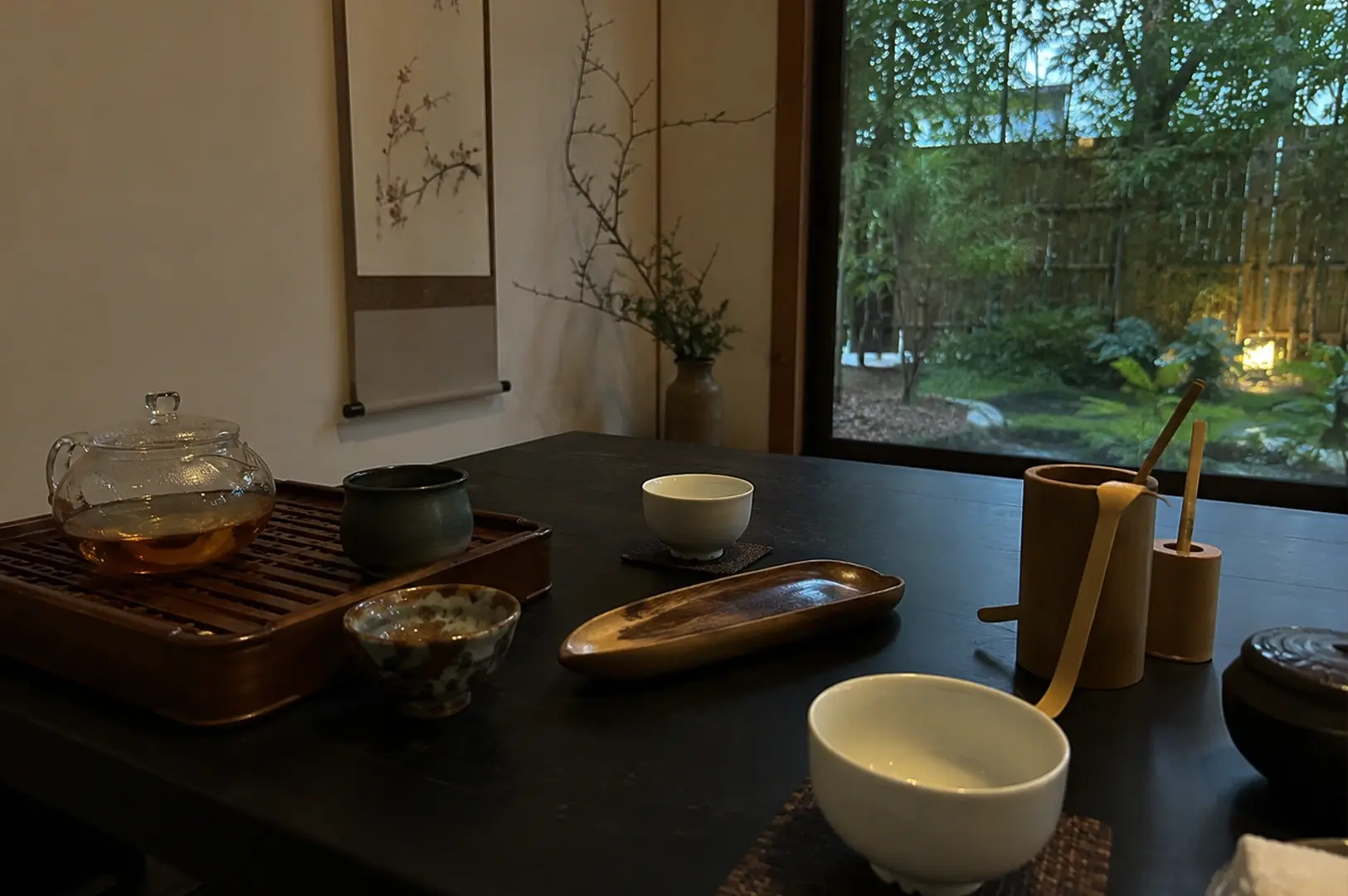
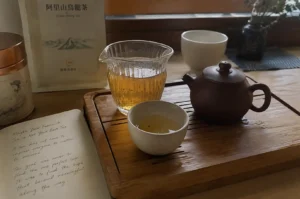
When you enter a tea ceremony, every detail, from the placement of the tea tray to the exact angle you rotate the bowl, serves as a quiet conversation within the room. Tea ceremony etiquette developed across different strands of chinese culture and Japanese tradition, shaped by tea preparation practices from gardens in China to modern teahouses in Singapore.
The strict sequence is rooted in four guiding principles:
- Wa (Harmony): Every guest, ingredient, cup, and season blends together for a gentle balance, whether drinking black tea, green tea, or a fine floral blend.
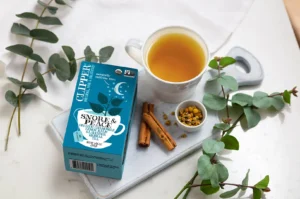
- Kei (Respect): Whether you’re handling a delicate clay cup or admiring the way cinnamon, cardamom, or fruit flavours infuse a dark oolong, respect underscores every gesture.
- Sei (Purity): Cleaning utensils in front of your guests or wiping the tea tray is as much about clarity of mind as it is about surface cleanliness.
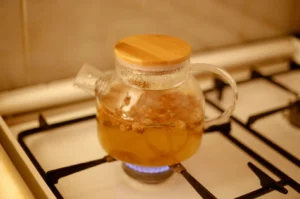
- Jaku (Tranquility): The ultimate reward: a grounded calm that settles over the room, even as the boiling water steams up the glass pot and the aroma of herbs and spices fill the air.
Learning these points helped me see tea ceremony as more than a display or a performance.
Chinese Tea: Hidden Gesture Meanings in Everyday Traditions
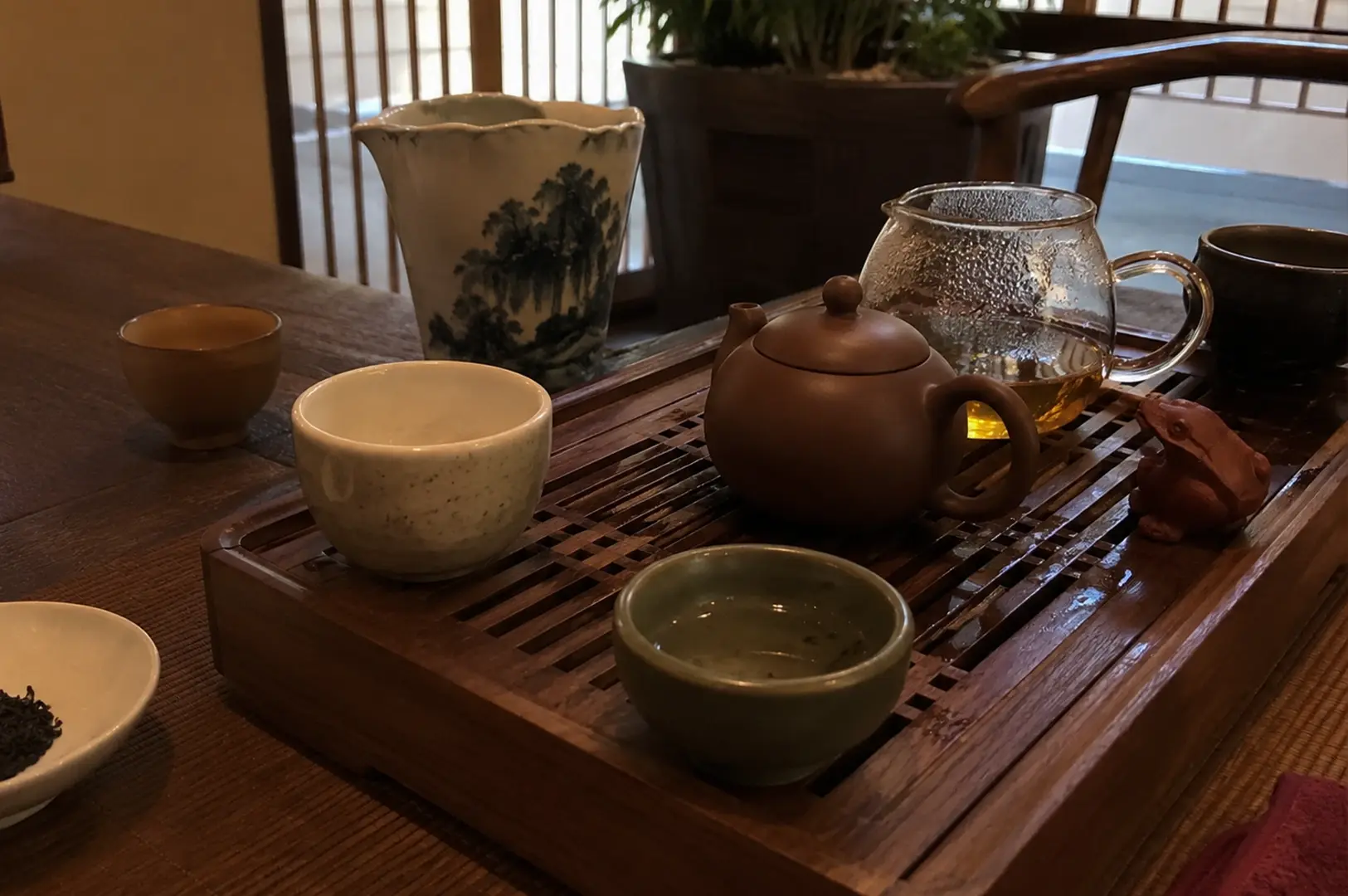
Chinese tea ceremonies, including those found in Singapore, offer a different rhythm than Japanese ceremonies but carry similar unspoken rules. I’ve learned there’s no single “correct” way, but the underlying intention is always attentiveness and respect, whether making tea for family on a warm morning or serving black tea for friends at a wedding celebration.
Bowing Before Receiving One Cup
Bowing isn’t only for grand occasions. In chinese culture, even a slight nod before accepting one cup of tea is a sign of gratitude, not just to your host but for the whole lineage of hands that made your cup possible. This includes the growers, the person who blended the fine leaf, and even the one who first taught you how to prepare your perfect cup.
Receiving the Bowl or Glass with Both Hands
Serving and accepting tea with both hands, as is common in a formal tea ceremony or over a simple cup of green tea, signals presence and focus. Whether you’re drinking at a regular price tea house or preparing ginger-infused cha yen at home, holding a cup with both hands anchors you in the moment and shows respect for the shared life at your table.
Rotating the Bowl: Honoring Imperfection
In traditional ceremonies, you often rotate the bowl, glass, or cup before taking your first sip. This acknowledges the unique flavour and beauty of each piece, even if it’s cracked or uneven, drawing on wabi-sabi, the appreciation of imperfection deeply woven into tea culture.
Admiring the Tea Set and Utensils
Some might find it odd to spend time admiring the tea set or teaware after drinking, but noticing the colour, weight, and texture of even a simple cup is a sign of gratitude for the artisan's gift and the fleeting beauty of that single moment.
Insider Knowledge:
In many Singapore tea houses, you’ll find that the choice of bowl, tray, and tea blend changes with the seasons. Don’t hesitate to ask your host why they picked a herb like ginger or a floral oolong for your cup, there’s often a quiet story behind each selection. If you’re interested to explore and try this firsthand, you can discover the best tea houses in Singapore and deepen your appreciation through this comprehensive Chinese tea guide.
Tea Ceremony: The Philosophies Within Each Infusions
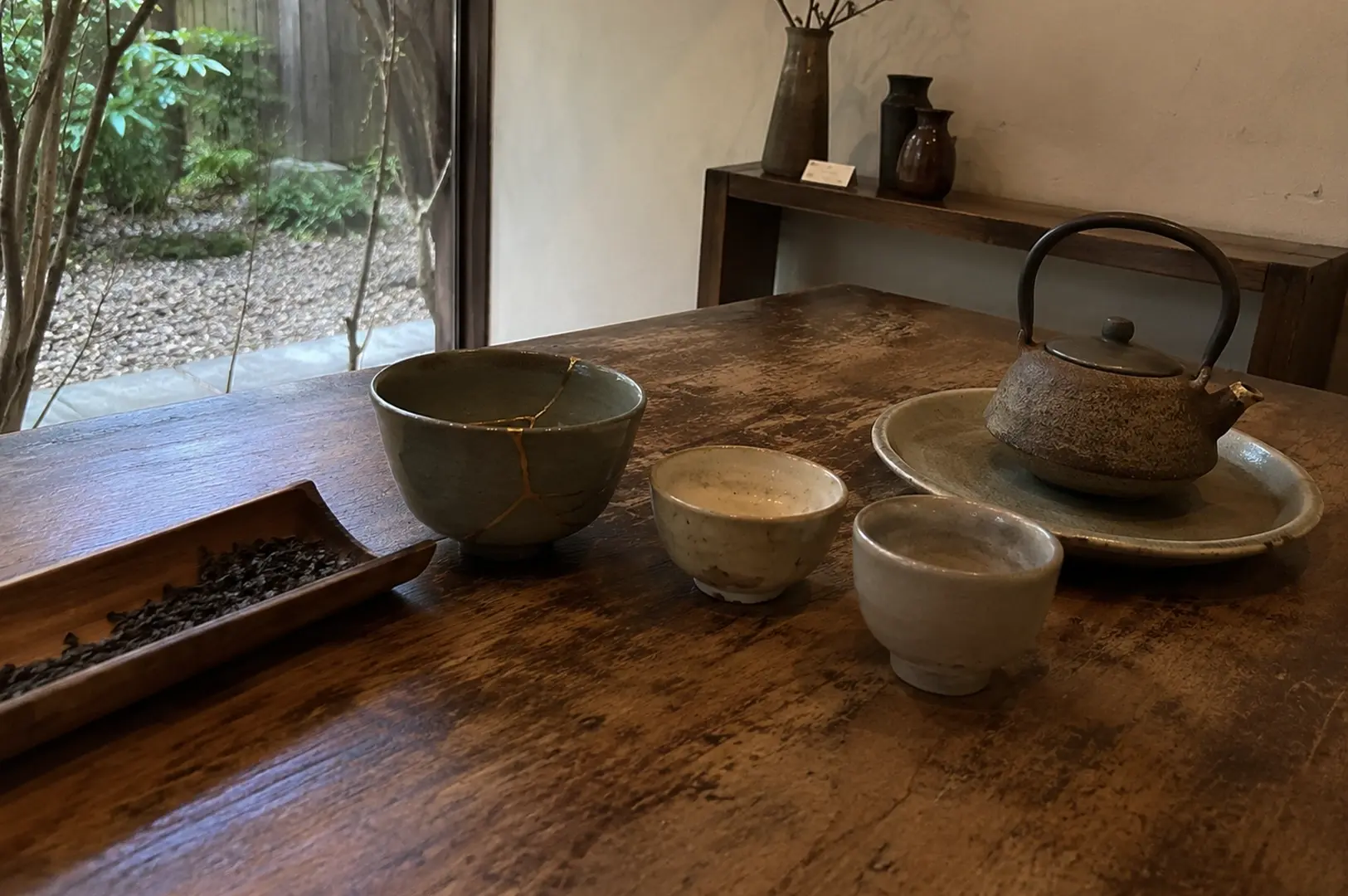
Tea ceremony gestures are shaped by philosophies that go beyond brewing instructions or the aromas rising from a hot infuser.
Wabi-Sabi and the Value of Imperfect Teaware
I once received a cup with a visible crack sealed by gold, a technique known as kintsugi. Rather than being embarrassed, my host said, “This cup has more life than any new glass at the table.” That moment forever changed the way I look at tea. Cracks, rough edges, and irregular glaze are not flaws but signs of a vessel’s unique journey, a philosophy at the heart of wabi-sabi.
Ichigo Ichie: Cherishing Every Occasion
In both Chinese and Japanese ceremonies, there’s a thoughtful awareness that each gathering is unique. Even if you use the same black tea, the same tea tray, and sip with the same group of friends, no two cups or mornings will ever taste quite alike. Honour that fleeting beauty; appreciate the chill of ice in a summer blend, or the warmth of hot green tea on a rainy Singapore night.
The Role of Tea Culture and Ceremony in Modern Singapore
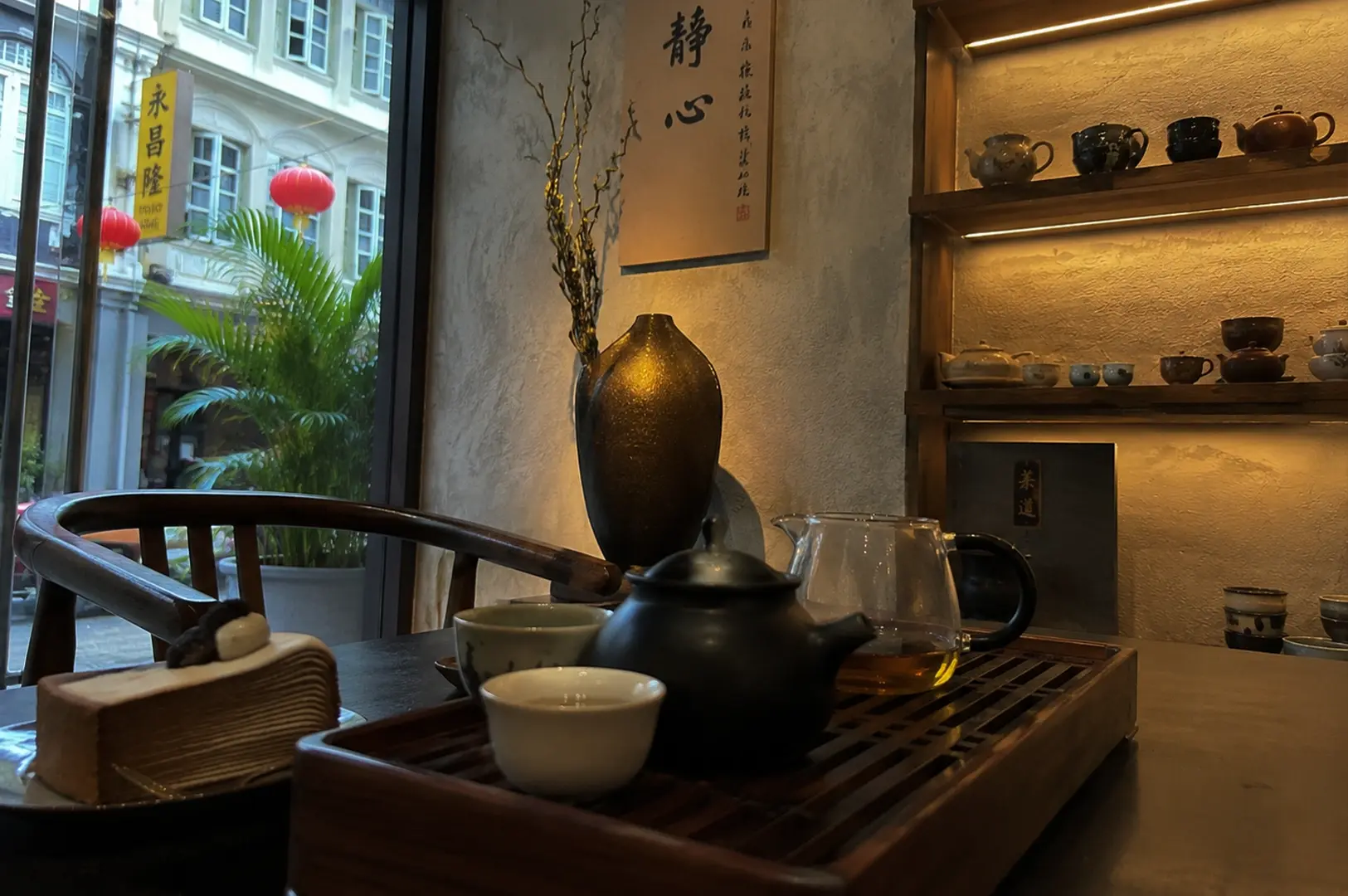
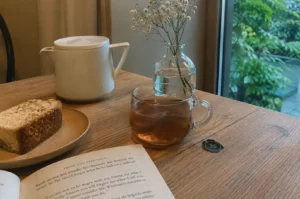
Modern Singapore is a country shaped by both tradition and change. I’ve noticed a growing number of younger guests seeking out traditional tea houses in Chinatown, as well as contemporary spots offering oolong or chinese tea blends served with scones or even paired with cake.
Tea ceremonies can act as a gentle rebellion against the speed and digital saturation of city life. It’s a chance to step away from regular phone checks, remove your shoes, and focus on the flavours, aromas, and quiet enjoyment that a single cup offers.
Pro Tip:
If you’re attending a tea ceremony for the first time, try to arrive early. This allows you to slow your breath, settle into the house or garden, and let the sensory details ground you before the ceremony begins.
Black Tea and Green Tea: Symbols on the Table
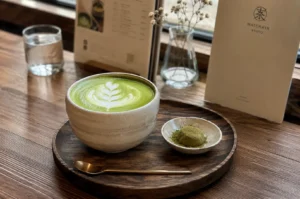
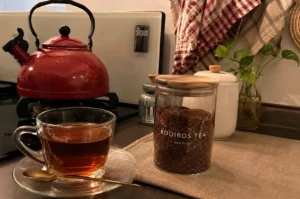
Different teas signal distinct moods and intentions during a ceremony. Black tea often brings a rich, dark colour and aromatic blend of spices, think cinnamon and cardamom. that create warmth ideal for cooler nights or family gatherings. Green tea, on the other hand, provides a light, fresh, and slightly bitter flavour that pairs well with floral infusions or a morning relaxation ritual.
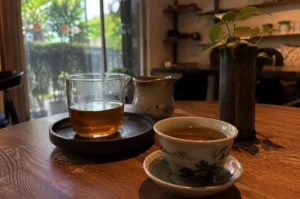
In Singapore, it’s not unusual for a tea tray to serve both, one cup of black tea for boldness, one cup of green tea for clarity. The choice is less about the tea itself and more about the atmosphere you wish to create.
One Cup, Many Meanings: Mistakes, Lessons, and Joy
When I first started participating in tea ceremonies, I was anxious about holding up the flow, missing a bow, or spilling a precious blend onto the table. I worried about not appreciating the colour of the tea enough or misjudging the temperature of the boiling water for brewing. Over time, I’ve learned that sincerity and presence matter far more than technical skill.
If you make a mistake—turning the bowl too slowly, or pausing too long before your sip—most hosts will smile and simply nod. The real tradition is about showing up, being present, and treating the simple act of drinking tea as a sign of care for yourself and your guests.
Insider Knowledge:
In tea spaces in Singapore, being quiet, removing shoes, turning off your phone, and speaking gently is both a sign of respect and a way to amplify the enjoyment of every flavour, every light reflection in your glass, and every breath of aromatic steam.
Chinese Culture, Celebration, and the Ongoing Gift of Tea
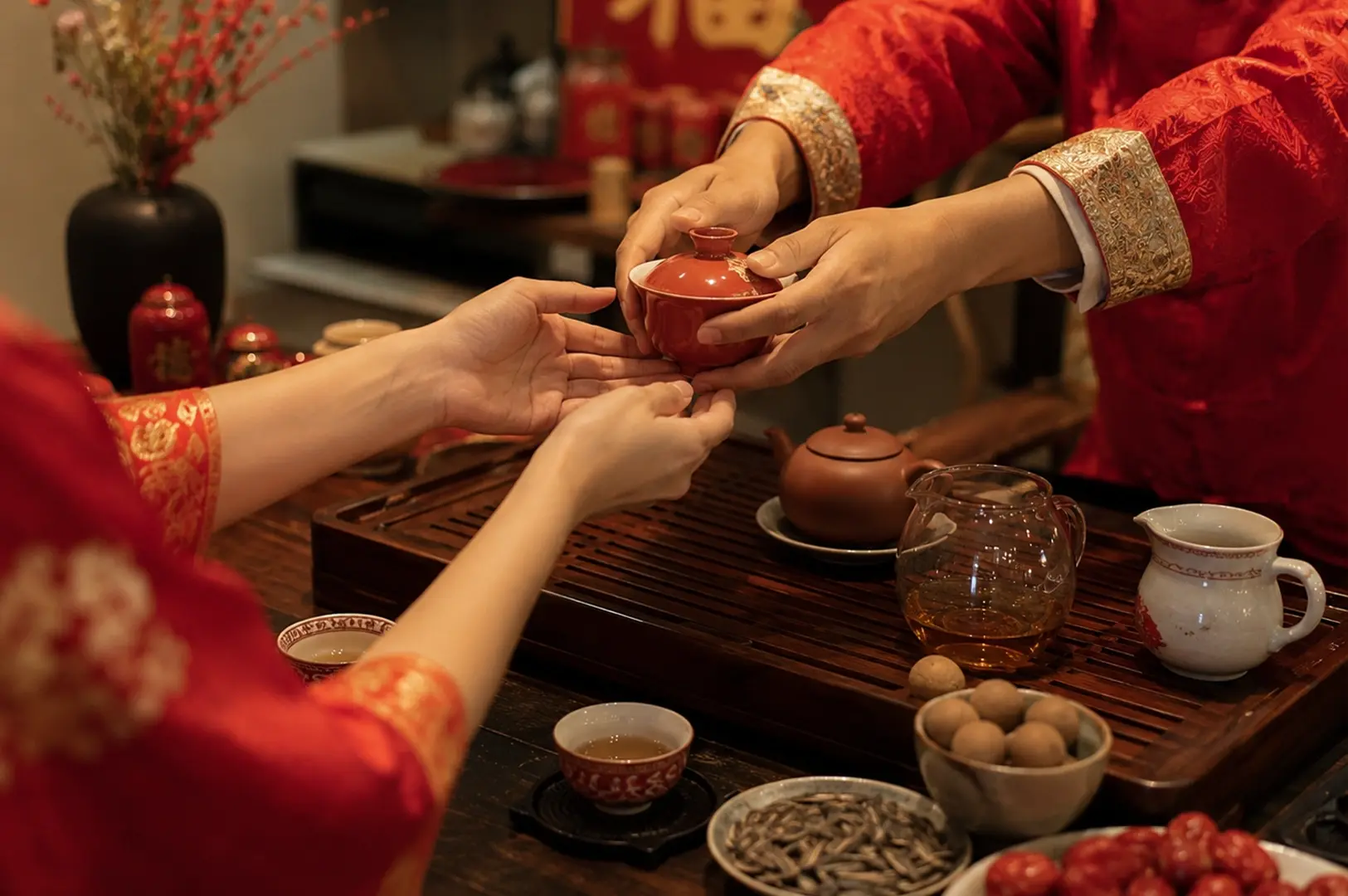
In Chinese culture, tea is more than a drink, it’s present at major life events, gifted at weddings, served at celebrations, and passed around among family and friends to mark new beginnings. Whether you’re enjoying scones at a downtown tea house or a simple hot cup brewed at home, the ceremony, as much as the tea, celebrates connection.
Exploring the origins of Chinese tea rituals can provide a deeper appreciation for the art and meaning behind tea ceremonies.
Conclusion: Small Gestures, Big Meaning in Tea Ceremony Singapore
From a single sip of green tea or black tea to the moment your fingers wrap around a warm cup, tea ceremonies in Singapore are less about rigid rules than about the quiet expression of care, gratitude, and connection. Each small gesture, whether bowing, serving, or rotating a bowl, teaches us how to ground ourselves in tradition and pay attention to the fleeting, aromatic beauty of each blend.
The next time you join a tea ceremony, focus on the tiny movements: how you serve your guests, admire the colour of the drink, and share one cup among friends. Even if you make a mistake, the true gift of tea is to remind us that life, like the ceremony, is built on humble rituals and gentle attention to one another.

Matcha Hype Has Gone Too Far (But I Still Drink It)
I have a confession. I am slightly tired of seeing matcha everywhere. Not because I dislike matcha. In fact, I drink it quite often. But there is something amusing about watching a humble tea become the centre of every café menu, wellness conversation, and social media trend. Matcha has gone from a traditional Japanese tea…
-
Hortus Afternoon Tea Review: When the Garden Becomes the Occasion in the Flower Dome
I forgot, for a moment, that I was indoors at Hortus, the Mediterranean restaurant nestled within the Flower Dome at Gardens by the Bay. There were trees above me, real ones, and the air held that cool, green stillness you usually find early in the morning somewhere far from the city. A leaf drifted down…
-
The Real Reason Your Tea at Cafés Tastes Flat
There is a particular disappointment that comes with ordering tea at a café. You see the menu. You notice the carefully written descriptions. Perhaps there is a mention of fragrant jasmine, roasted oolong, or a carefully selected blend. The presentation arrives beautifully arranged, and for a moment, there is anticipation. Then you take the first…
-
Herbal Tea in Chinese: A Cup Shaped by Heat, Balance, and Belief
The first sip was bitter. I was maybe seven, and my grandmother had pressed a small ceramic cup into my hands, dark liquid inside, steam curling up between us. She didn’t explain. She just said, “Drink. You’ve been too heaty.“ I made a face. She didn’t smile. She just waited until I finished. Years later,…
-
Maybe Your Favourite Tea Is Not Your Best Tea
I have a tea sitting in my cupboard that I would never call my “best” tea. It is not the rarest. It is not the most expensive. It does not come with an impressive story about ancient tea trees, remote mountains, or a limited harvest. And yet, I drink it more often than almost anything…
-
Clipper Tea Review: Does the Packaging Match the Pour?
There’s a box of Clipper Tea that’s lived in my cupboard longer than most of my mugs. I didn’t plan to buy it. I was standing in the tea aisle, tired, half-decided on something familiar, when the colour caught me. Bright, cheerful, a little hand-drawn looking. So I brought it home. And I’ve been drinking…
-
Hear Me Out, Tea Does Not Need to Be Serious All the Time
There is something I have noticed about tea culture. We take tea very seriously. Perhaps too seriously. We discuss origins, processing methods, brewing temperatures, and the history behind every leaf. We debate whether a tea should be enjoyed in a certain way. We carefully consider the correct vessel, the right water, and the ideal environment….
-
Red Bush Tea: The Tea That Does Not Need to Shout
There is a red pot in my mother’s kitchen that only comes out in the evening. By then the coffee has done its work and gone quiet. The day has loosened. She fills the kettle, drops in a spoonful of something the colour of dried autumn, and lets it sit while she tidies the last…
-
Hear Me Out: High Tea Is Overrated
Hear me out: high tea is one of the most convincing ways we have found to make snacking feel important. I understand the appeal. The room is polished, the cups are delicate, and everything arrives in miniature. There is something satisfying about sitting down in the middle of the afternoon and behaving as though time…
-
Where Tea Is Given Time to Speak: Anteasocial Review
I almost walked past it. Owen Road Singapore doesn’t announce much. A quiet stretch, low buildings, the kind of road you pass through on the way to somewhere louder. Then there it was, unassuming, just numbers on a wall: 117. Anteasocial is a contemporary Oriental specialty teahouse in Singapore, and if you’re looking for a…