
Tea in Singapore moves quietly through the day, carrying within its steam the gentle convergence of traditions that have found their way to this island over generations. In the soft morning light of hawker centers, the rhythmic pour of teh tarik creates small moments of pause, while afternoon finds its way into tranquil tea rooms where floral and fruity notes drift through conversations that unfold without hurry. There is something in the daily ritual of tea here that draws people together, whether in the familiar warmth of a kopitiam or within the hushed elegance of a hotel’s quiet corners, creating threads of connection that weave through the island’s multicultural tapestry. These moments of tea, scattered throughout Singapore’s days, continue to shape the rhythm of social life, offering small sanctuaries where tradition and community meet in the simple act of sharing a cup.
Many Singaporeans also enjoy teas known for their ability to relax or clear the mind, enhancing the calming experience of tea culture.
Points to Remember: Historical Evolution of Tea in Singapore
Colonial Era Foundations and Chinese Tea Houses
- Singapore’s tea story began with British colonial influence, introducing afternoon tea rituals anchored in luxury hotels like Raffles in York Street.
- These tea rooms offered black teas with milk and sugar, served alongside delicate cakes and sandwiches, establishing a key social point for business and leisure.
- Simultaneously, Chinese immigrants brought gongfu cha ceremonies and traditional tea houses where oolong, pu-erh, and jasmine teas were steeped with precision.
- These tea houses remain cultural hubs, preserving ancestral brewing methods and serving as community centers.
Indian and Tamil Tea Traditions
- Indian immigrants introduced teh tarik, a frothy, sweet black tea made by “pulling” the brew between vessels.
- This theatrical preparation suits Singapore’s hawker culture and adds a unique flavour dimension with spices like ginger and cardamom.
- These traditions blend seamlessly into Singapore’s tea scene, influencing local tea varieties and terminology such as “teh-o” and “teh-c.”
Modern Renaissance and Specialty Tea Growth
- Since the 2000s, Singapore has seen a tea renaissance with specialty retailers like TWG Tea offering curated selections and premium blends.
- Tea appreciation has grown into a refined hobby, with tea rooms and cafes providing educational experiences, rare teas, and artisanal brewing equipment for home use.
- Many tea enthusiasts choose to buy these specialty teas for their unique flavors and the elevated experience they offer.
Singapore’s Multicultural Tea Heritage
Chinese Tea Traditions
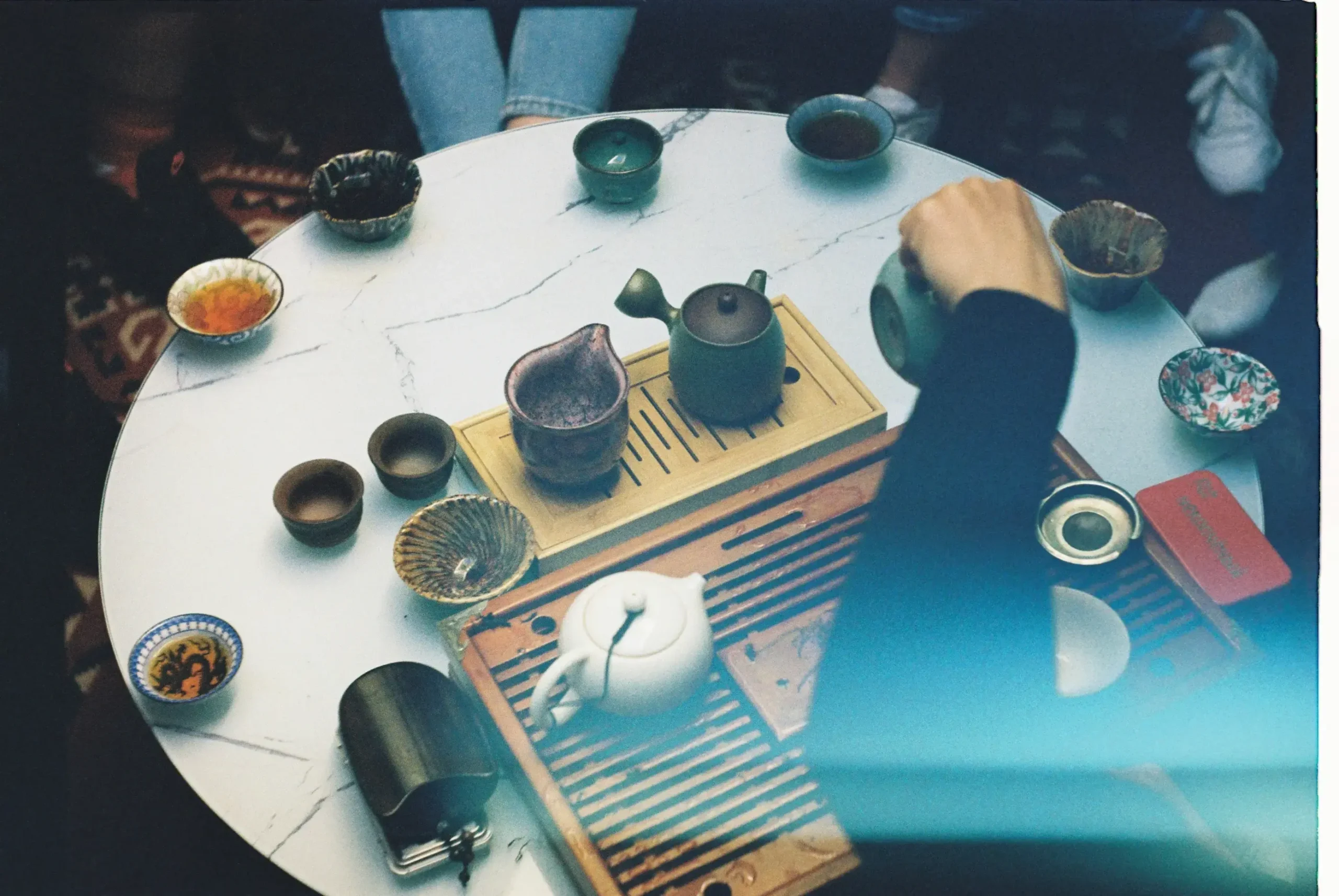
Chinese tea in Singapore revolves around the gongfu cha ceremony, emphasizing precise steeping to reveal complex flavours in teas like Tieguanyin oolong and aged pu-erh. Tea houses in Chinatown continue to serve as cultural anchors, where elders sip tea while sharing stories. Tea also plays a key role in festivals and weddings, symbolizing respect and family unity.
Indian and Malay Influences
Teh tarik remains a beloved beverage, with its ability to match both taste and social connection. Malay and Peranakan tea customs focus on hospitality, serving sweet herbal teas and traditional kueh alongside tea, especially during celebrations.
Popular Tea Types and Innovations
Singaporeans enjoy traditional Chinese loose-leaf teas, robust Indian black teas enhanced with ginger, and local herbal blends like chrysanthemum and pandan. Modern bubble tea shops innovate with fruit jellies and mocktails, offering refreshing options suited to the tropical climate.
Eco-friendly tea bag options are also becoming increasingly popular, appealing to environmentally conscious consumers in Singapore who value reusable and sustainable packaging.
Where to Find Quality Tea in Singapore
Luxury Afternoon Tea and Tea Rooms
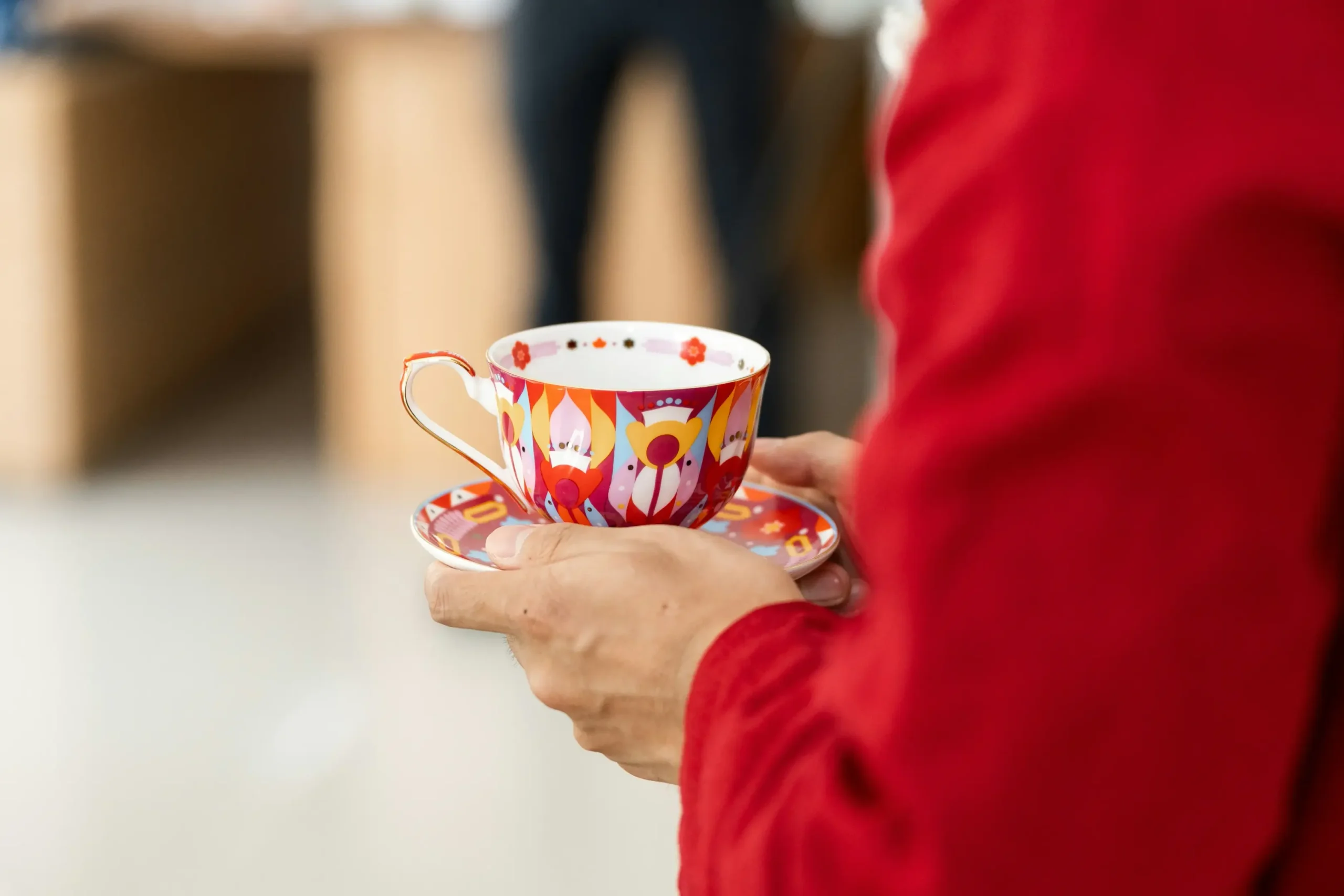
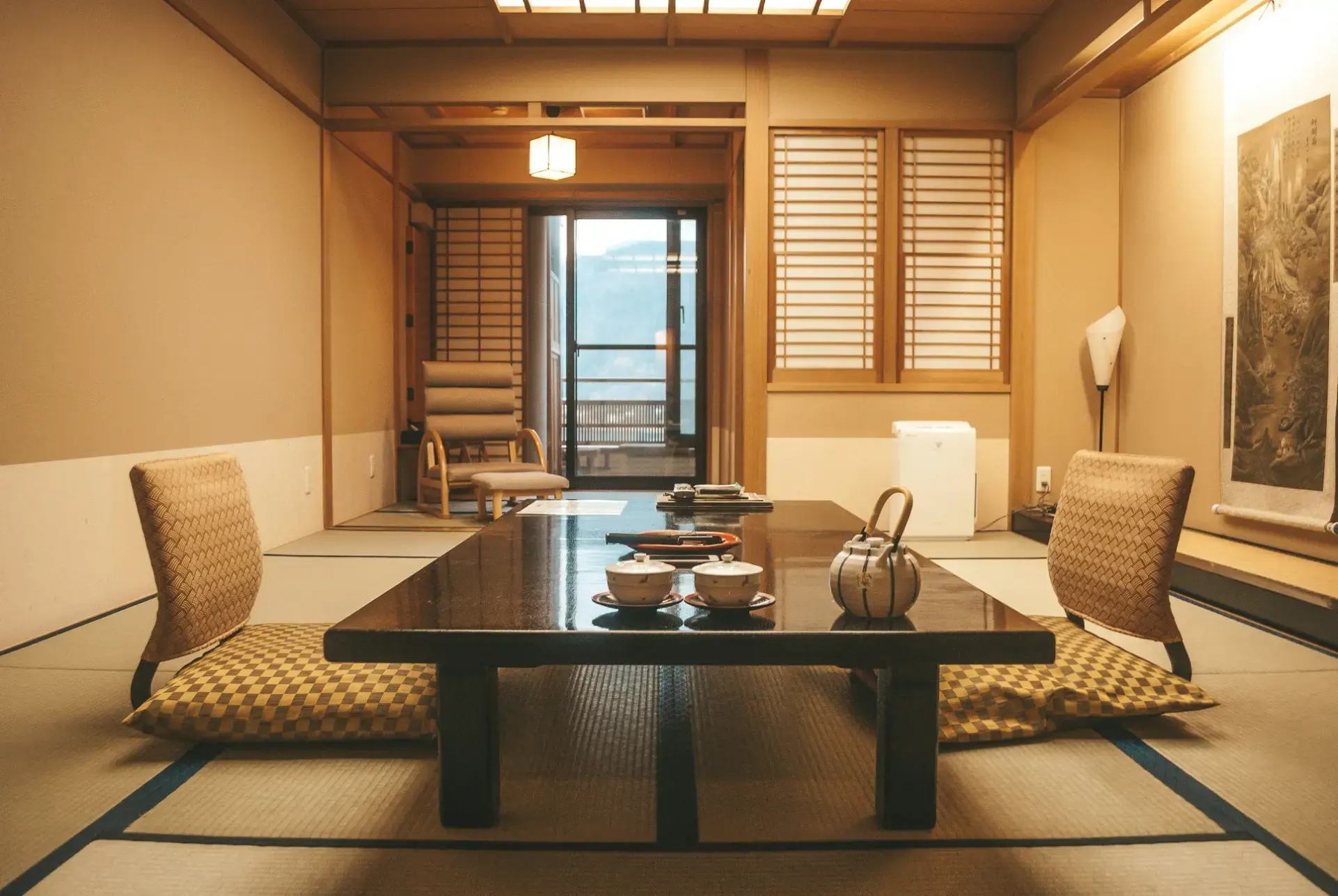
Singapore’s tea rooms, such as The Tea Room at St. Regis Singapore, offer seasonal afternoon tea sets featuring local flavours starting from $65++. Raffles Hotel’s Grand Lobby provides a classic colonial tea experience priced at $108++. Conrad Singapore Orchard and Grand Hyatt’s 10|SCOTTS also offer elegant tea services with beautiful settings and carefully matched tea selections. Afternoon tea is typically available daily, with most venues offering specific time slots in the afternoon; reservations are highly recommended, especially during weekends and peak periods.
Atlas bar combines art deco glamour with French-inspired tea and cakes, making it a must-visit for tea lovers seeking a unique ambiance.
Specialty Shops and Traditional Tea Houses
TWG Tea boutiques provide over 800 tea varieties, including the signature Singapore Breakfast blend. Chinatown’s traditional tea shops offer rare aged teas and expert brewing advice. Herbal tea specialists like Tily Tea blend traditional Chinese Medicine with modern wellness, offering caffeine-free options that suit daily health needs. Many specialty shops also offer beautifully packaged tea sets and accessories, making them an ideal gift for birthdays or wellness celebrations.
Local Tea Experiences and Bubble Tea
Hawker centers and mamak stalls serve teh tarik and local kopitiam teas, offering authentic, affordable experiences. Modern bubble tea chains like Koi and LiHo provide customizable drinks with premium tea bases and natural ingredients, appealing to younger consumers.
Tea appreciation classes and workshops are available for those wanting to deepen their knowledge and enjoy the full ability of tea’s diverse flavours.
Tea Customs and Etiquette Across Communities
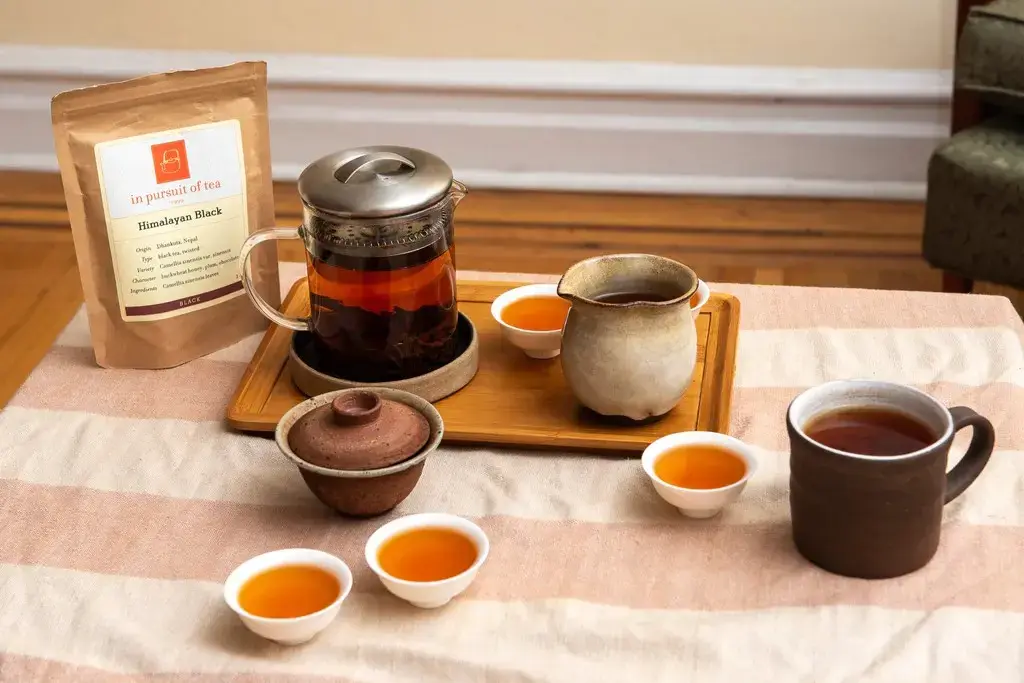
- Chinese Gongfu Cha ProtocolsGuests should appreciate the aroma and sip slowly, respecting the host’s precise steeping and serving order. Mobile phones are silenced, and conversation remains calm and respectful.
- Indian Tea Service and Communal SharingAccepting offered tea graciously honors the host’s hospitality. Watching and appreciating the “pulling” technique of teh tarik shows cultural respect.
- Malay Hospitality and Western Afternoon Tea EtiquetteMalay tea service includes sweet treats and encourages guests to engage in conversation. Western-style afternoon tea in hotels follows a tiered presentation of savouries, scones, and sweets, with milk added after tea to suit local preferences.
- Modern Fusion ApproachesSingapore blends traditional etiquette with casual business and social settings, making tea culture accessible and adaptable. Specialty cafes encourage questions and experimentation, welcoming newcomers.
Emerging Trends in Singapore’s Tea Scene

- Health-Focused and Sustainable TeasHerbal and functional teas targeting sleep, digestion, and stress relief are increasingly popular. Sustainable sourcing and organic blends appeal to environmentally conscious consumers, with biodegradable packaging and refill options gaining traction.
- Technology and Subscription ServicesApps and smart brewing equipment enhance the ability to steep tea perfectly at home. Premium tea subscriptions offer curated selections delivered to your door, making it easy to enjoy new flavours regularly. Many services allow you to subscribe by email or click to order online.
- Fusion Flavours and Tea TourismLocal blenders mix international elements like matcha with regional fruits and pandan, creating unique fusion teas. Tea tourism to plantations in Malaysia and beyond enriches appreciation and supports local businesses.
- Zero-Waste and Reusable PackagingBulk dispensers and compostable tea bags support zero-waste lifestyles, while reusable brewing devices reduce disposable waste, aligning with Singapore’s growing environmental awareness.
Practical Tips for Tea in Singapore’s Climate

- Storage and Brewing Adjustments: Use airtight containers and avoid heat or sunlight to preserve tea freshness in Singapore’s humid climate. Refrigerate delicate teas with care to prevent condensation. Adjust brewing by steeping for shorter times and using cooler water to suit tropical weather.
- Water Quality and Equipment Care: Filtered water improves tea flavour. Clean and dry teapots thoroughly to prevent mold growth, especially in porous materials like Yixing clay.
- Serving Suggestions: Serve smaller cups to enjoy hot tea before it cools. Pair tea with fresh fruits, light cakes, and floral accompaniments for a balanced experience.
Embracing the Rich Tea Culture in Singapore
Singapore’s tea culture is a vibrant mix of old traditions and fresh ideas, offering something special for every tea enthusiast. Whether you enjoy the peaceful ritual of a Chinese tea ceremony, the energetic pull of teh tarik, or the trendy twist of artisanal bubble tea, Singapore welcomes you to sip, savor, and explore a world of flavors in every cup. Visit cozy tea rooms, order your favorite blends, or join tea clubs to keep the love of tea alive every day, whether at home or out and about in the city. This lively tea scene truly reflects Singapore’s rich heritage and modern spirit, making each tea moment here a delightful experience worth cherishing.
For more on where to find the best brews, discover our detailed guide to good tea in Singapore in 2024 here.
A Tea Lover’s Guide to the Best Japanese Restaurant Singapore Dining Experiences
Searching for the best Japanese restaurant Singapore offers usually leads people toward sushi counters, omakase menus, or beautifully plated sashimi. Those elements certainly define much of the appeal of Japanese cuisine, but anyone who has spent time dining in Japan knows that the experience rarely ends with the food alone. Tea quietly accompanies the meal….

Why Tea Conversations Always Last Longer Than Expected
There is a small pattern I have started to notice about tea. Whenever tea is involved, conversations tend to last longer than planned. Someone says they will only stay for a short while. A kettle is placed on the stove. Tea is poured into a few cups, and suddenly the conversation begins to stretch in…
White Tea: The Most Delicate Expression of Chinese Tea
Introduction Among the many tea types that have emerged from centuries of tea cultivation, white tea often stands apart for its quiet character. It is light in colour, gentle in aroma, and remarkably simple in its making. Yet behind this softness lies a long tradition of craftsmanship that has shaped some of the most refined…
The Quiet Discipline of Brewing Tea
There is a quiet discipline that lives inside the act of brewing tea. It is not something that announces itself loudly. There are no strict rules written on the wall, no visible signs that something significant is taking place. From the outside, the process appears simple enough. Water is heated. Leaves are placed into a…
Understanding the Six Types of Chinese Tea and What Makes Each Unique
Introduction Across centuries of Chinese culture, tea has held a place of quiet importance. It appears in homes, markets, and tea houses across China, where the simple act of sharing a cup reflects patience, hospitality, and tradition. For many people, Chinese tea is not only a beverage. It is a moment of reflection and a…

Stepping Into a Tea Shop Singapore: A World of Leaves, Craft, and Calm
Introduction A good tea shop Singapore offers is not simply a place to buy tea. It is a place where flavour, craft, and tradition meet. In a city known for speed and convenience, a proper tea house offers something different. It invites people to slow down, pay attention, and actually taste what is in their…
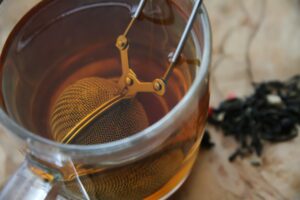
When Tea Becomes Too Beautiful to Drink
I recently saw a photograph of a tea session online that looked almost too perfect. The teapot sat neatly on a polished tray. The cups were aligned in a way that suggested someone had carefully adjusted them, perhaps more than once. A small branch of flowers leaned gently toward the tea set as if it…
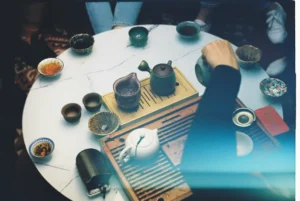
How Tea in Singapore Traveled From Colonial Tables to Modern Teahouses
Tea in Singapore moves quietly through the day, carrying within its steam the gentle convergence of traditions that have found their way to this island over generations. In the soft morning light of hawker centers, the rhythmic pour of teh tarik creates small moments of pause, while afternoon finds its way into tranquil tea rooms…
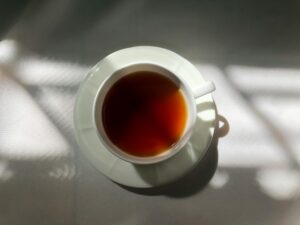
Are We Drinking Tea or Just Collecting It?
There was a time when buying tea meant something simple. You chose a tea you liked, brought it home, and brewed it. The leaves were meant for hot water, not long-term storage. Yet something has quietly changed. Today it is not unusual to meet tea drinkers with shelves filled with sealed cakes, tins, and packets…
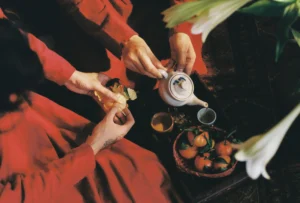
The Soul of Tea: Unveiling the Beauty of Traditional Tea Ceremonies
Tea is more than just a drink, isn’t it? It is a quiet moment in the middle of a busy day, a small ritual that grounds us. We are not just drinking tea; we are experiencing something far more profound, a glimpse into the centuries-old traditions of cultures that revere this simple beverage. Whether in…