There is something quietly strange happening in tea culture.
The more popular the tea becomes, the more it starts to resemble everything it once stood apart from.
Speed. Branding. Productivity. Performance.
Tea, which once belonged to unhurried moments, is increasingly being asked to do more. To energize. To optimize focus. To replace coffee. To support wellness routines. To fit neatly into morning productivity stacks and evening self-care checklists.
I find this slightly uncomfortable.
Not because tea cannot be part of modern life, but because it seems to be slowly reshaped by it.
A cup of tea used to mean pause. Now it often means function.
Even the way we talk about tea has changed. We no longer simply drink it. We extract benefits from it. We assign it roles. We turn it into a tool for better sleep, better digestion, better concentration, better everything.
But tea was never designed to perform for us.
It was designed to be experienced.
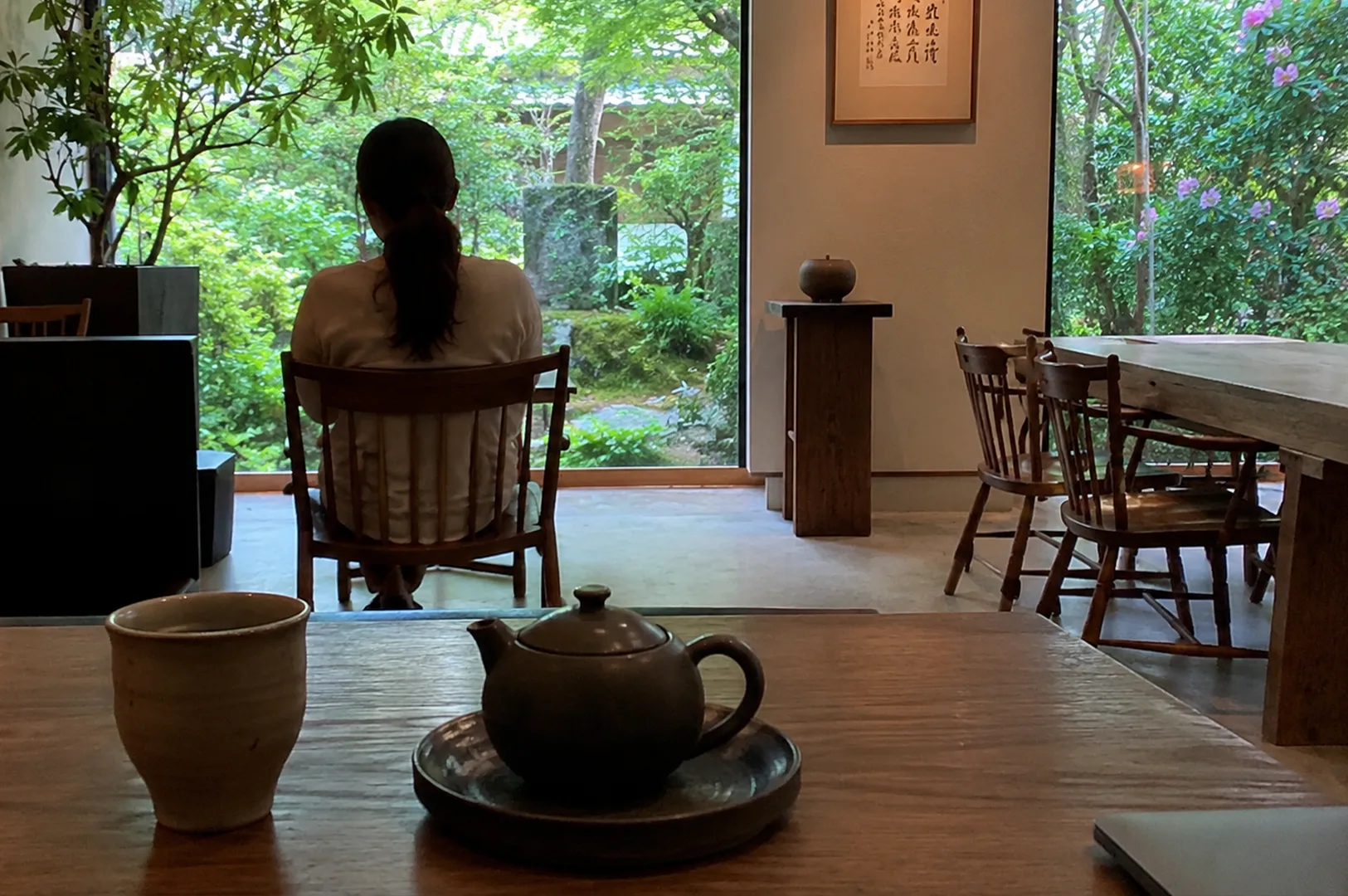
I remember sitting in a small tea space once, watching someone repeatedly check their phone between sips. The tea was good, carefully brewed, clearly prepared with intention. But the attention was elsewhere.
And I wondered, what exactly are we doing to tea when we treat it as background?
This is not a complaint about technology or modern habits. I am as guilty of it as anyone else. Tea sits beside a laptop more often than it sits in silence now.
But something subtle is being lost in that shift.
Tea is one of the few drinks that naturally resists urgency. It changes when rushed. It reveals less when treated as fuel. It becomes ordinary when reduced to function.
Yet we keep trying to make it fit into systems that require speed.
Even tea spaces are not immune. Some have begun to resemble cafés more than quiet rooms. Some encourage quick visits, quick drinks, quick exits. Others subtly invite remote work, as if every surface must justify its existence through productivity.
There is nothing wrong with adaptation.
But I sometimes wonder if we are slowly forgetting that tea does not need to justify itself at all.
A cup of tea is already complete without a task attached to it.
Perhaps the real question is not how tea fits into modern life.
Perhaps the question is whether modern life still allows space for tea to simply be tea.
With quiet regard,
N. P. Lim

A Guide to the Best Tea Singapore Has to Offer
Introduction In a city known for its vibrant food culture, tea quietly holds its own place among Singapore’s favourite indulgences. While coffee often dominates cafe conversations, many tea lovers know that the search for the best tea Singapore offers leads to a surprisingly diverse world of flavours, traditions, and carefully crafted blends. Across the city,…
-
A Tea Lover’s Guide to the Best Japanese Restaurant Singapore Dining Experiences
Searching for the best Japanese restaurant Singapore offers usually leads people toward sushi counters, omakase menus, or beautifully plated sashimi. Those elements certainly define much of the appeal of Japanese cuisine, but anyone who has spent time dining in Japan knows that the experience rarely ends with the food alone. Tea quietly accompanies the meal….

Why Tea Conversations Always Last Longer Than Expected
There is a small pattern I have started to notice about tea. Whenever tea is involved, conversations tend to last longer than planned. Someone says they will only stay for a short while. A kettle is placed on the stove. Tea is poured into a few cups, and suddenly the conversation begins to stretch in…
-
White Tea: The Most Delicate Expression of Chinese Tea
Introduction Among the many tea types that have emerged from centuries of tea cultivation, white tea often stands apart for its quiet character. It is light in colour, gentle in aroma, and remarkably simple in its making. Yet behind this softness lies a long tradition of craftsmanship that has shaped some of the most refined…
-
The Quiet Discipline of Brewing Tea
There is a quiet discipline that lives inside the act of brewing tea. It is not something that announces itself loudly. There are no strict rules written on the wall, no visible signs that something significant is taking place. From the outside, the process appears simple enough. Water is heated. Leaves are placed into a…
-
Understanding the Six Types of Chinese Tea and What Makes Each Unique
Introduction Across centuries of Chinese culture, tea has held a place of quiet importance. It appears in homes, markets, and tea houses across China, where the simple act of sharing a cup reflects patience, hospitality, and tradition. For many people, Chinese tea is not only a beverage. It is a moment of reflection and a…
-
Stepping Into a Tea Shop Singapore: A World of Leaves, Craft, and Calm
Introduction A good tea shop Singapore offers is not simply a place to buy tea. It is a place where flavour, craft, and tradition meet. In a city known for speed and convenience, a proper tea house offers something different. It invites people to slow down, pay attention, and actually taste what is in their…
-
When Tea Becomes Too Beautiful to Drink
I recently saw a photograph of a tea session online that looked almost too perfect. The teapot sat neatly on a polished tray. The cups were aligned in a way that suggested someone had carefully adjusted them, perhaps more than once. A small branch of flowers leaned gently toward the tea set as if it…

How Tea in Singapore Traveled From Colonial Tables to Modern Teahouses
Tea in Singapore moves quietly through the day, carrying within its steam the gentle convergence of traditions that have found their way to this island over generations. In the soft morning light of hawker centers, the rhythmic pour of teh tarik creates small moments of pause, while afternoon finds its way into tranquil tea rooms…

Are We Drinking Tea or Just Collecting It?
There was a time when buying tea meant something simple. You chose a tea you liked, brought it home, and brewed it. The leaves were meant for hot water, not long-term storage. Yet something has quietly changed. Today it is not unusual to meet tea drinkers with shelves filled with sealed cakes, tins, and packets…