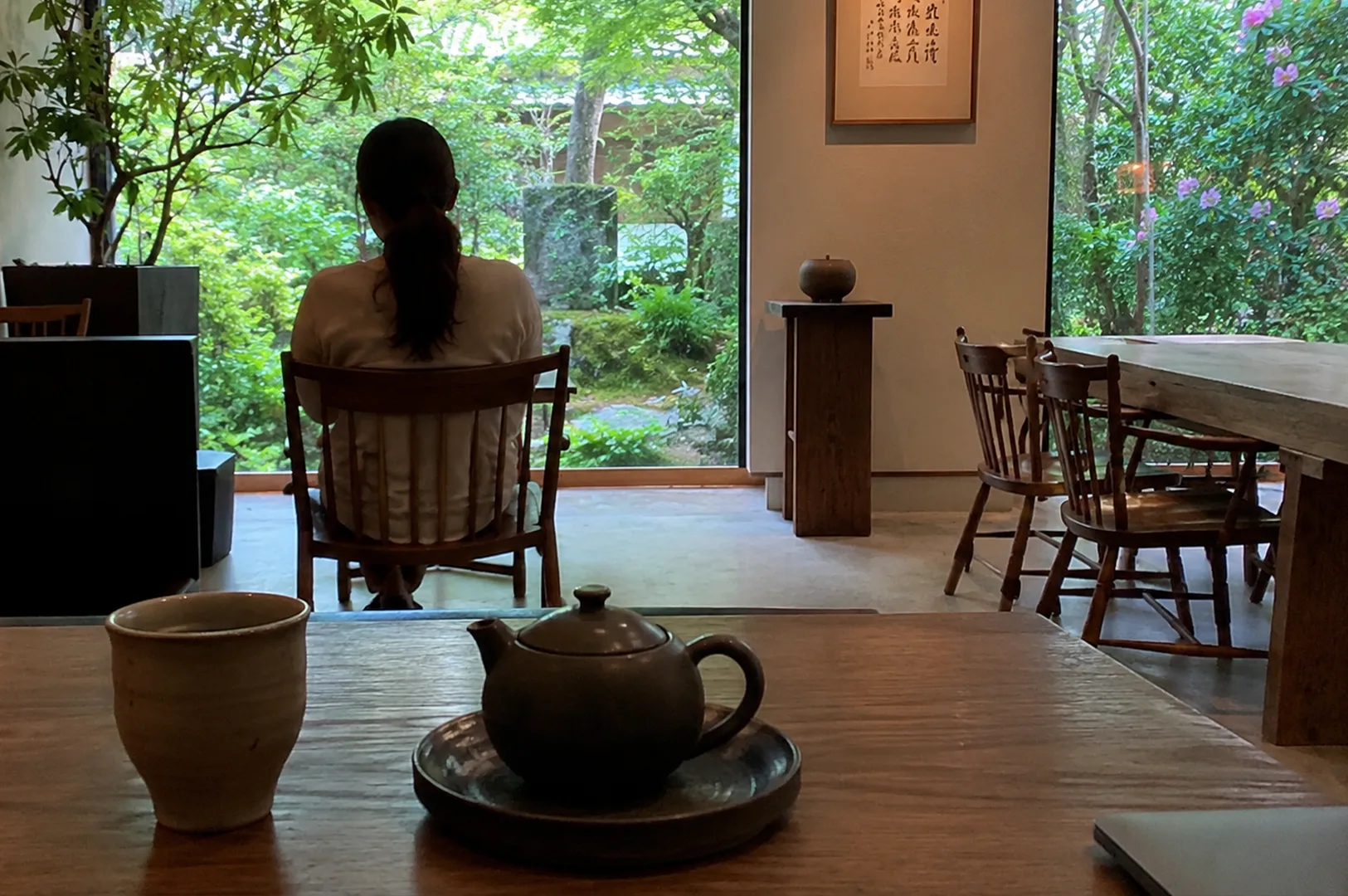
There is something quietly strange happening in tea culture.
The more popular the tea becomes, the more it starts to resemble everything it once stood apart from.
Speed. Branding. Productivity. Performance.
Tea, which once belonged to unhurried moments, is increasingly being asked to do more. To energize. To optimize focus. To replace coffee. To support wellness routines. To fit neatly into morning productivity stacks and evening self-care checklists.
I find this slightly uncomfortable.
Not because tea cannot be part of modern life, but because it seems to be slowly reshaped by it.
A cup of tea used to mean pause. Now it often means function.
Even the way we talk about tea has changed. We no longer simply drink it. We extract benefits from it. We assign it roles. We turn it into a tool for better sleep, better digestion, better concentration, better everything.
But tea was never designed to perform for us.
It was designed to be experienced.
I remember sitting in a small tea space once, watching someone repeatedly check their phone between sips. The tea was good, carefully brewed, clearly prepared with intention. But the attention was elsewhere.
And I wondered, what exactly are we doing to tea when we treat it as background?
This is not a complaint about technology or modern habits. I am as guilty of it as anyone else. Tea sits beside a laptop more often than it sits in silence now.
But something subtle is being lost in that shift.
Tea is one of the few drinks that naturally resists urgency. It changes when rushed. It reveals less when treated as fuel. It becomes ordinary when reduced to function.
Yet we keep trying to make it fit into systems that require speed.
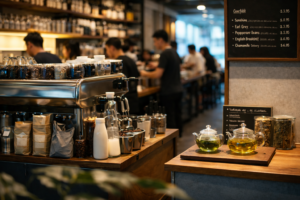
Even tea spaces are not immune. Some have begun to resemble cafés more than quiet rooms. Some encourage quick visits, quick drinks, quick exits. Others subtly invite remote work, as if every surface must justify its existence through productivity.
There is nothing wrong with adaptation.
But I sometimes wonder if we are slowly forgetting that tea does not need to justify itself at all.
A cup of tea is already complete without a task attached to it.
Perhaps the real question is not how tea fits into modern life.
Perhaps the question is whether modern life still allows space for tea to simply be tea.
With quiet regard,
N. P. Lim

Cafe Singapore Says It Values Craft. So Why Is Tea an Afterthought?
Singapore loves its café culture. We celebrate espresso machines. We admire single-origin beans. We debate tasting notes and extraction times like it is a sport. When someone says “Cafe Singapore,” most of us immediately picture coffee. But look at the tea menu. In many cafés, tea is reduced to a small corner of the page….
-
Tea from Japan: A Journey Through Culture, History, and Varieties
In Japan, tea is not merely a drink; it is a cultural cornerstone, a spiritual discipline, and an integral part of daily life. Tea is an important part of Japanese food culture, traditional ceremonies, and daily routines, reflecting its deep-rooted presence in society. The simple act of preparing and drinking Japanese tea is imbued with…
-
Sobacha: Exploring the Japanese Tradition of Roasted Buckwheat Tea (Sobacha)
Beyond the celebrated world of Japanese green tea lies a treasure trove of comforting, traditional beverages. Among the most beloved is sobacha (そば茶), a nutty and wholesome roasted buckwheat tea. It’s a staple in Japanese households and restaurants, cherished not just for its delightful flavor but for its deep connection to Japanese culinary culture and…
-
Ginger Tea Singapore: A Practical Journey to Finding and Enjoying This Wellness Beverage
Ginger tea is more than just a comforting beverage in Singapore; it’s a staple of modern wellness, a go-to remedy for chasing away the chill of an air-conditioned office, and a familiar taste of home across many cultures. The gentle warmth of ginger tea provides a soothing and invigorating sensory experience, evoking feelings of coziness…
-
Beyond Coffee: Cafe Singapore Cafes Worth Visiting for Their Tea
Author’s Note: I made just a few tweaks here and there to smooth out the flow and make your reading experience as enjoyable as possible. Hope you enjoy the read as much as I enjoyed fine-tuning it for you! If you close your eyes and imagine a typical cafe Singapore scene, you’d likely hear the…
-
Green Tea in Japan: Exploring the Cultural and Social Dimensions of Green Tea in Japan
In Japan, green tea is more than just a beverage; it is a cultural cornerstone, deeply woven into the fabric of daily life, social customs, and national identity. It’s the welcoming drink offered to a guest, the quiet moment of reflection in a busy day, and the centerpiece of a centuries-old ceremony. While many are…

Singapore Ginger Tea: A Complete Guide to Traditional Wellness in the Lion City
In Singapore’s multicultural landscape, ginger tea is a beloved staple that transcends cultural boundaries. Known locally as teh halia, this warming brew embodies centuries of traditional wisdom adapted to modern Singapore life. Whether you seek relief from air-conditioned chill, digestive support after a big meal, or a refreshing sip on a rainy day, Singapore ginger…
-
Loose Tea Leaves: Elevate Your Singapore Tea Experience
In a city that moves as fast as Singapore, the simple act of brewing a cup of tea can feel like a small rebellion—a moment of intentional calm. More and more tea lovers are discovering that this moment is profoundly elevated when they make the switch from conventional tea bags to loose tea leaves. This…
-
Tea Leaf Singapore: An Exquisite Journey of Flavours, Traditions, and Moments
Singapore’s strategic position as a maritime trading hub has nurtured a rich tea culture where ancient traditions blend with modern innovation. The local love for tea runs deep, shaping Singapore’s unique tea culture and fostering a strong appreciation for every cup. Singapore continues to honor its tea traditions while embracing new innovations, ensuring that the…
-
Korean Barley Tea: A Journey into Boricha and Its Rich Traditions
Walk into any Korean restaurant, and before you glance at the menu, a glass of amber-colored boricha (보리차) arrives. This Korean barley tea is as fundamental as water in Korean culture—served hot or cold, a staple in everyday life and a gesture of hospitality. While roasted barley tea is popular across many East Asian countries,…