There is something quietly strange happening in tea culture.
The more popular the tea becomes, the more it starts to resemble everything it once stood apart from.
Speed. Branding. Productivity. Performance.
Tea, which once belonged to unhurried moments, is increasingly being asked to do more. To energize. To optimize focus. To replace coffee. To support wellness routines. To fit neatly into morning productivity stacks and evening self-care checklists.
I find this slightly uncomfortable.
Not because tea cannot be part of modern life, but because it seems to be slowly reshaped by it.
A cup of tea used to mean pause. Now it often means function.
Even the way we talk about tea has changed. We no longer simply drink it. We extract benefits from it. We assign it roles. We turn it into a tool for better sleep, better digestion, better concentration, better everything.
But tea was never designed to perform for us.
It was designed to be experienced.
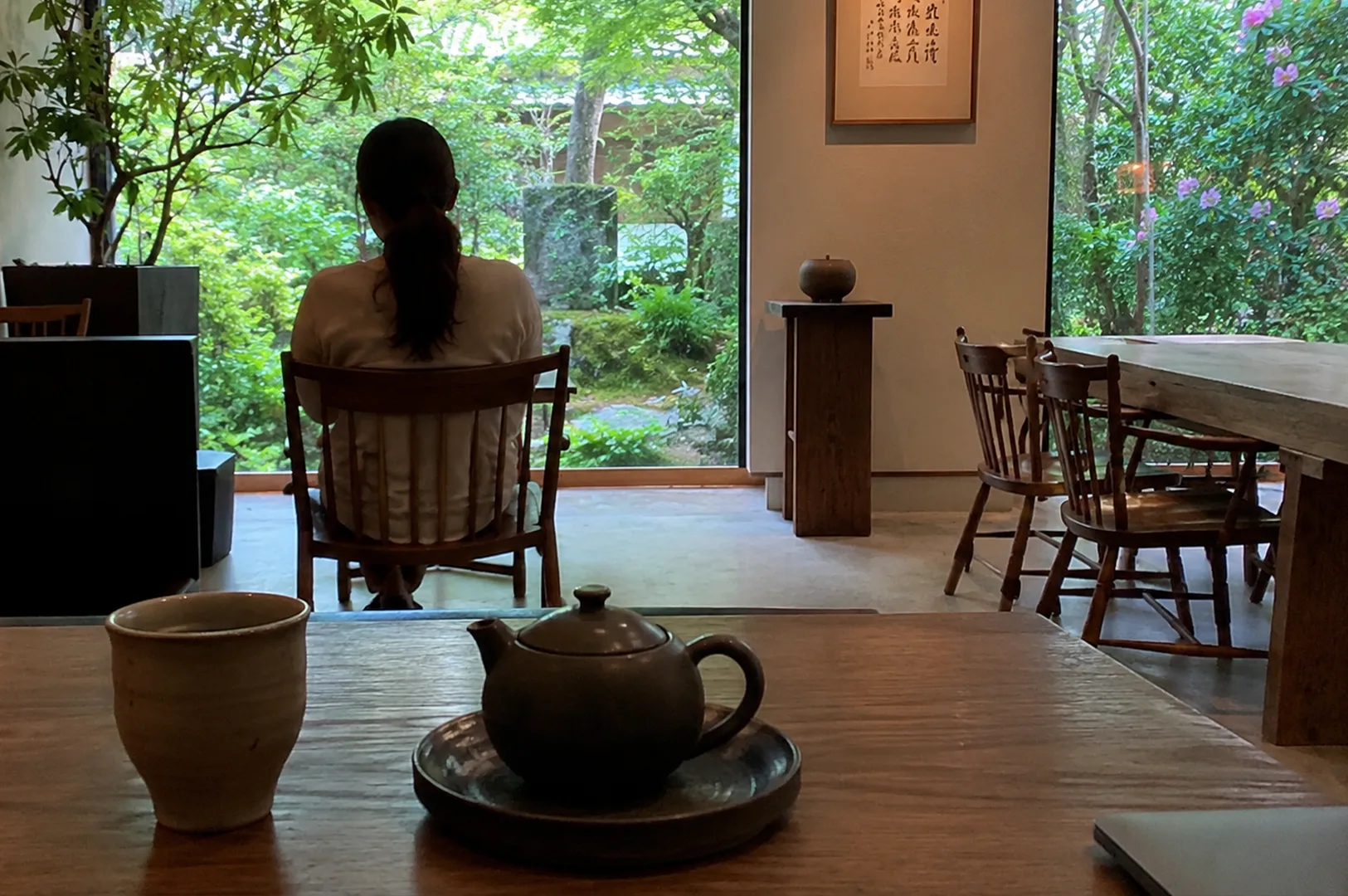
I remember sitting in a small tea space once, watching someone repeatedly check their phone between sips. The tea was good, carefully brewed, clearly prepared with intention. But the attention was elsewhere.
And I wondered, what exactly are we doing to tea when we treat it as background?
This is not a complaint about technology or modern habits. I am as guilty of it as anyone else. Tea sits beside a laptop more often than it sits in silence now.
But something subtle is being lost in that shift.
Tea is one of the few drinks that naturally resists urgency. It changes when rushed. It reveals less when treated as fuel. It becomes ordinary when reduced to function.
Yet we keep trying to make it fit into systems that require speed.
Even tea spaces are not immune. Some have begun to resemble cafés more than quiet rooms. Some encourage quick visits, quick drinks, quick exits. Others subtly invite remote work, as if every surface must justify its existence through productivity.
There is nothing wrong with adaptation.
But I sometimes wonder if we are slowly forgetting that tea does not need to justify itself at all.
A cup of tea is already complete without a task attached to it.
Perhaps the real question is not how tea fits into modern life.
Perhaps the question is whether modern life still allows space for tea to simply be tea.
With quiet regard,
N. P. Lim

Ceylon High Grown Tea: The Bright, Crisp Profiles of Nuwara Eliya
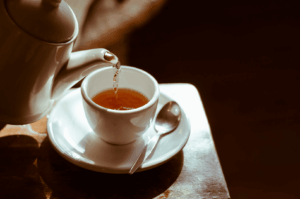
Imagine standing amidst a sea of emerald green on the island of Sri Lanka, where manicured tea bushes climb rolling hills and disappear into a cool, persistent mist. This is the world of Ceylon high grown tea, centred in Nuwara Eliya – a region characterized by bright sunshine in the morning and cool, misty nights….
-
Masala Chai Origins: The Cultural Evolution of India’s Spiced Tea Tradition
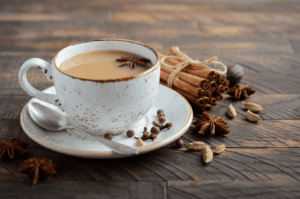
The rhythmic clanging of metal kettles echoes through narrow lanes as steam rises from countless chai stalls across India. The intoxicating aroma of cardamom, cinnamon, and fresh ginger mingles with robust black tea, creating an olfactory symphony that has captivated souls for centuries. This is masala chai-not merely a beverage, but a cultural phenomenon that…
-
Matcha Tea: The Versatile Japanese Green Tea Powder
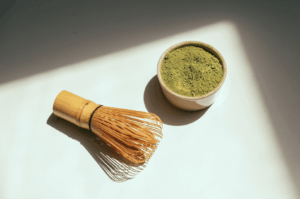
The vibrant green powder that transforms simple hot water into liquid jade has captivated tea enthusiasts worldwide. Matcha tea represents more than just a trendy beverage-it’s a bridge connecting ancient Japanese traditions with modern culinary innovation. This unique form of powdered green tea offers endless possibilities, from meditative ceremonial drinking to creative kitchen applications that…
-
The Dragon Well Legacy: Exploring China’s Legendary Longjing Tea
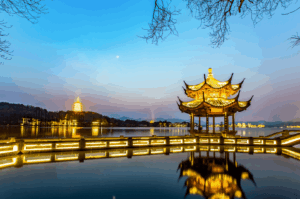
Among the world’s most revered green teas, few carry the prestige and cultural significance of China’s legendary Dragon Well. This premium tea has captivated tea enthusiasts for centuries, earning its place as an imperial favourite and modern icon alike. From its mystical origins at West Lake to its meticulous processing methods, Longjing represents the pinnacle…