There is something quietly strange happening in tea culture.
The more popular the tea becomes, the more it starts to resemble everything it once stood apart from.
Speed. Branding. Productivity. Performance.
Tea, which once belonged to unhurried moments, is increasingly being asked to do more. To energize. To optimize focus. To replace coffee. To support wellness routines. To fit neatly into morning productivity stacks and evening self-care checklists.
I find this slightly uncomfortable.
Not because tea cannot be part of modern life, but because it seems to be slowly reshaped by it.
A cup of tea used to mean pause. Now it often means function.
Even the way we talk about tea has changed. We no longer simply drink it. We extract benefits from it. We assign it roles. We turn it into a tool for better sleep, better digestion, better concentration, better everything.
But tea was never designed to perform for us.
It was designed to be experienced.
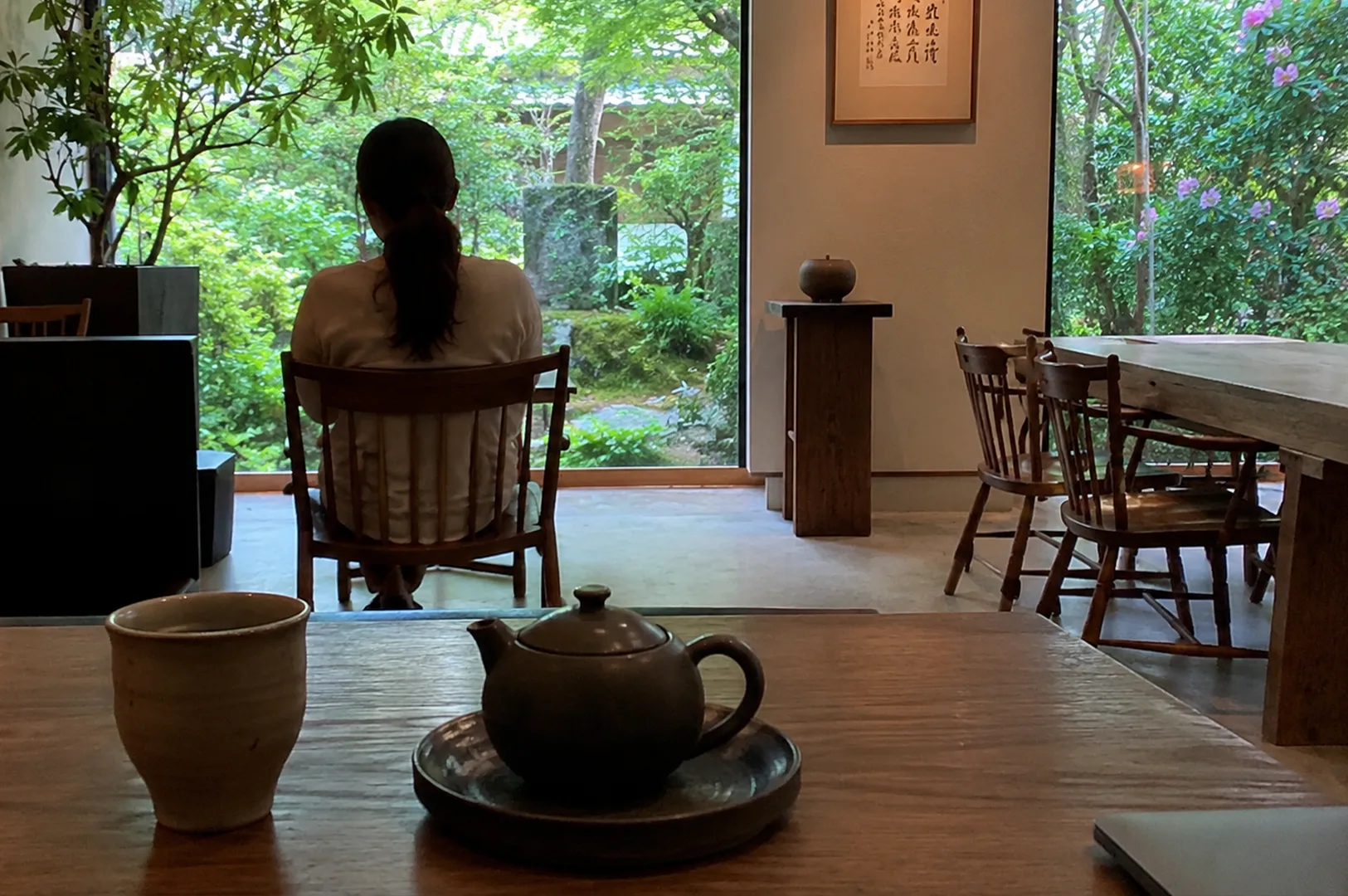
I remember sitting in a small tea space once, watching someone repeatedly check their phone between sips. The tea was good, carefully brewed, clearly prepared with intention. But the attention was elsewhere.
And I wondered, what exactly are we doing to tea when we treat it as background?
This is not a complaint about technology or modern habits. I am as guilty of it as anyone else. Tea sits beside a laptop more often than it sits in silence now.
But something subtle is being lost in that shift.
Tea is one of the few drinks that naturally resists urgency. It changes when rushed. It reveals less when treated as fuel. It becomes ordinary when reduced to function.
Yet we keep trying to make it fit into systems that require speed.
Even tea spaces are not immune. Some have begun to resemble cafés more than quiet rooms. Some encourage quick visits, quick drinks, quick exits. Others subtly invite remote work, as if every surface must justify its existence through productivity.
There is nothing wrong with adaptation.
But I sometimes wonder if we are slowly forgetting that tea does not need to justify itself at all.
A cup of tea is already complete without a task attached to it.
Perhaps the real question is not how tea fits into modern life.
Perhaps the question is whether modern life still allows space for tea to simply be tea.
With quiet regard,
N. P. Lim

Beyond Chamomile: Exploring Lesser-Known Herbal Infusions from Around the World
Tea is one of the most popular drinks worldwide, cherished for centuries as much for its taste as for its role in tradition and culture. While many people immediately think of green tea, black tea, or perhaps a steaming mug of mint tea, the spectrum of herbal infusions—blends using various herbs, fruits, and flowers—offers countless…
-
Raw vs. Ripe: Understanding the Two Paths of Pu Erh Processing
In the vast and ancient world of Chinese tea, few categories carry as much mystery and prestige as pu erh tea. Pu’er tea is renowned for its unique fermentation and aging techniques, which not only develop its complex flavor profiles but also contribute to its cultural significance and traditional production methods. Unlike most teas such…

From Keemun to Darjeeling: A Global Tour of Premium Black Teas
Black tea is more than just a morning ritual; it’s a global phenomenon steeped in rich history, cultural significance, and craftsmanship. From the misty mountains of India to the ancient gardens of China, each cup tells a story of its origin, flavor, and tradition. Throughout history, brewed tea has been cherished in various cultures, with…
-
Understanding Oolong Tea Oxidation Levels: The Spectrum of Oxidation in Tea Classification
When you step into the world of tea, you quickly learn about the main categories: white, green, oolong, and black. For many, green tea is fresh and vegetal, while black tea is bold and malty. But what about oolong? This category seems to defy easy definition, with some oolongs tasting light and floral like a…
-
Beyond Matcha: Exploring the Diverse World of Japanese Green Tea Varieties
Let’s be honest, when you hear “Japanese green tea,” your mind likely pictures a vibrant, frothy bowl of matcha. From trendy matcha lattes in every café to ice cream and desserts, matcha has become the undisputed global face of Japanese tea culture. And for good reason! It’s a delicious, versatile ingredient with numerous health benefits….
-
Silver Needle White Tea: The Delicate Emperor of Chinese Tea
In the vast and storied world of Chinese tea, few varieties command the reverence and prestige of Silver Needle white tea. Celebrated as Bai Hao Yin Zhen (白毫銀針)-meaning “White Hair Silver Needle”-this exceptional Chinese white tea sits atop the hierarchy of not just white tea, but among all tea types. Each slender ‘needle’ is not…
-
Thai Oolong Tea: Thailand’s Oolong Revolution in Ancient Tea Territory
In the shadowy folds of Northern Thailand’s mountains, where cool, misty air hugs the slopes and the morning dew clings to fragrant tea leaves, a revolution is steeping. Once known largely for its role in the Golden Triangle, this region now blossoms as a new epicenter for Thai oolong tea and innovative tea beverages like…
-
Dong Ding Oolong: The Artisanal Craft Behind Taiwan’s Most Famous Tea
Imagine a warm, inviting aroma that fills the room with essence reminiscent of delicate flowers, toasted nuts, honeycomb, chocolate, and ripe stone fruit. The initial scent from a freshly opened tin of Dong Ding Oolong loose leaf tea can feel almost transportive. Upon brewing, the tea’s infusion shines with a brilliant golden colour, and your…
-
Yerba Mate Tea: Argentina’s Ancient Energy Brew and Modern Revival
Picture a sun-drenched plaza in Buenos Aires, where the air hums with laughter and the scent of fresh flowers. In the center, friends gather in a close-knit circle, a cherished gourd filled with fragrant yerba mate tea making its way from hand to hand. Each person sips this herbal tea-brewed from green yerba mate leaves-through…

The Complete Guide to Kenyan Tea Industry Transformation in the Great Rift Valley
Imagine standing at the edge of Kenya’s Great Rift Valley, the birthplace of world-renowned Kenya tea. Here, undulating hills blanket the landscape in a lush sea of deep green, where rows of thriving tea bushes stretch across the horizon. This breathtaking region forms the core of the Kenyan tea industry-a powerhouse producing some of the…