There is something quietly strange happening in tea culture.
The more popular the tea becomes, the more it starts to resemble everything it once stood apart from.
Speed. Branding. Productivity. Performance.
Tea, which once belonged to unhurried moments, is increasingly being asked to do more. To energize. To optimize focus. To replace coffee. To support wellness routines. To fit neatly into morning productivity stacks and evening self-care checklists.
I find this slightly uncomfortable.
Not because tea cannot be part of modern life, but because it seems to be slowly reshaped by it.
A cup of tea used to mean pause. Now it often means function.
Even the way we talk about tea has changed. We no longer simply drink it. We extract benefits from it. We assign it roles. We turn it into a tool for better sleep, better digestion, better concentration, better everything.
But tea was never designed to perform for us.
It was designed to be experienced.
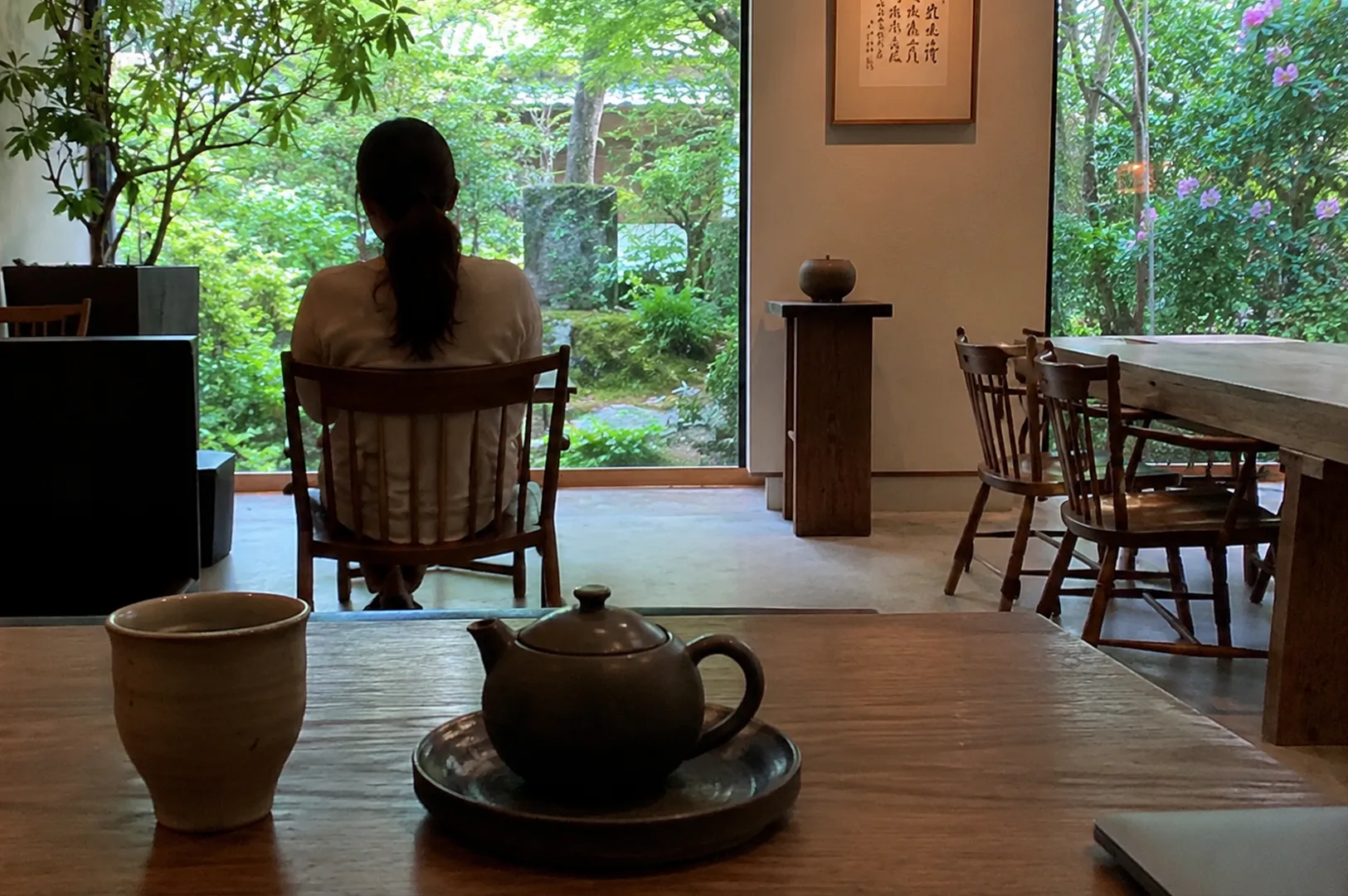
I remember sitting in a small tea space once, watching someone repeatedly check their phone between sips. The tea was good, carefully brewed, clearly prepared with intention. But the attention was elsewhere.
And I wondered, what exactly are we doing to tea when we treat it as background?
This is not a complaint about technology or modern habits. I am as guilty of it as anyone else. Tea sits beside a laptop more often than it sits in silence now.
But something subtle is being lost in that shift.
Tea is one of the few drinks that naturally resists urgency. It changes when rushed. It reveals less when treated as fuel. It becomes ordinary when reduced to function.
Yet we keep trying to make it fit into systems that require speed.
Even tea spaces are not immune. Some have begun to resemble cafés more than quiet rooms. Some encourage quick visits, quick drinks, quick exits. Others subtly invite remote work, as if every surface must justify its existence through productivity.
There is nothing wrong with adaptation.
But I sometimes wonder if we are slowly forgetting that tea does not need to justify itself at all.
A cup of tea is already complete without a task attached to it.
Perhaps the real question is not how tea fits into modern life.
Perhaps the question is whether modern life still allows space for tea to simply be tea.
With quiet regard,
N. P. Lim

Stop Buying Tea for the Aesthetic: How Packaging Hijacks Taste
There is something fascinating about the way we buy tea today. Before we taste the leaves, we have already formed an opinion. The box is elegant. The label is beautifully designed. The colours suggest calm, luxury, or tradition. The story feels carefully written. And before the first sip, we have already decided that the tea…
-
A Tea Table in the Clouds: The Westin Singapore High Tea Review
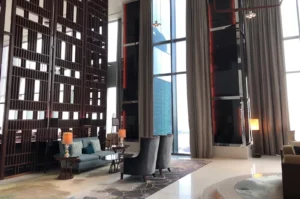
It was one of those afternoons when the city felt too loud and too fast, and I wanted to sit somewhere quiet without really explaining why. So I went up. All the way up, to Level 32 of The Westin Singapore, where the Lobby Lounge sits above the noise like it knows something the rest…
-
“Caffeine-Free Tea” Confuses Everyone—Let’s Fix the Language
I have noticed that tea conversations can become surprisingly confusing. Not because tea itself is complicated, but because we sometimes use the same words to mean completely different things. One phrase that always catches my attention is “caffeine-free tea.” It sounds simple enough. A tea without caffeine. But is that really what we mean? Because…
-
The Pull, Pour, and Ritual Behind Singapore’s Favourite Milk Tea: Teh Tarik
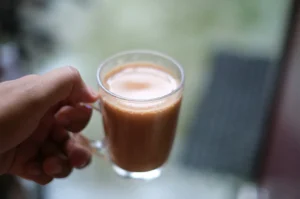
It starts with a sound. A long ribbon of tea, arcing from one metal mug held high to another held low. The stream catches the light. Then the froth rises, pale and soft, and the whole thing gets poured back and lifted again. Nobody at the stall looks up. This happens a hundred times a…
-
Stop Chasing Tasting Notes: Tea Isn’t Wine and That’s a Relief
I have a small confession to make. Sometimes I have absolutely no idea what I am supposed to be tasting. A tea description might promise orchid, honey, toasted nuts, stone fruit, and something wonderfully mysterious called a “long mineral finish.” I take a sip. I taste tea. And then I start wondering if everyone else…
-
Chinese Tea Sets: Beautiful on the Table, But How Do They Brew?
There is a small arrangement on the table this evening, and I have not touched it yet. A pale bowl with a lid resting slightly askew. A round pitcher beside it, waiting to be filled. Cups no larger than a thumb and two fingers, lined up like a quiet sentence. The surfaces catch the last…
-
Floral Teas Are Not “For Beginners”—They’re For People With Taste
There is a curious assumption in tea culture that I have never quite understood. If you are new to tea, you begin with something floral. Jasmine. Rose. Osmanthus. Lightly scented blends. Then, supposedly, you move on. You discover roasted oolongs. Aged teas. More complex leaves. Stronger flavours. Eventually, you become a “serious” tea drinker. I…
-
How to Make Cold Brew Tea: The Slow Method for a Smoother Cup
There is a jar on the top shelf of my refrigerator that I did not need this morning. I filled it last night, before the kitchen went dark. Loose tea leaves, cool water, a lid resting loosely on top. Then I closed the door and left it alone, the way you leave bread to rise…
-
Milk Tea Isn’t “Ruining” Tea—But Some Milk Tea Is Ruining Milk Tea
I have noticed that few things can start an argument among tea drinkers quite as quickly as milk. Mention adding milk to a good tea and suddenly everyone has an opinion. Some insist that milk covers the flavour of the leaves. Others will tell you that certain teas were practically made for it. I have…
-
There Are Always Good Things to Eat at The Marmalade Pantry
The afternoon rain had just eased when I climbed up to Level 4 of ION Orchard, home to the Marmalade Pantry Ion. Outside, Orchard Road was doing its usual thing: too many people, too much noise, everyone somewhere to be in the bustle of the city. Inside, at a corner table, someone was pouring tea…