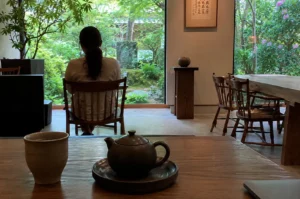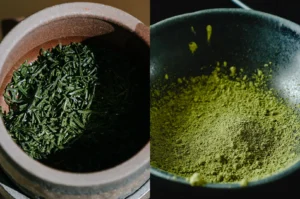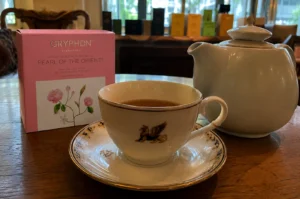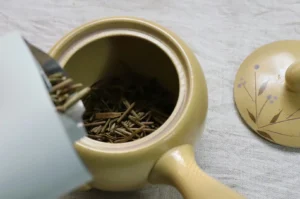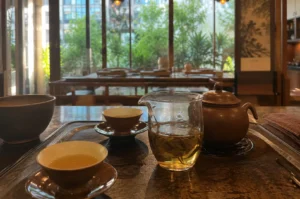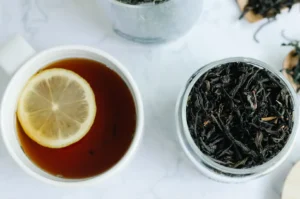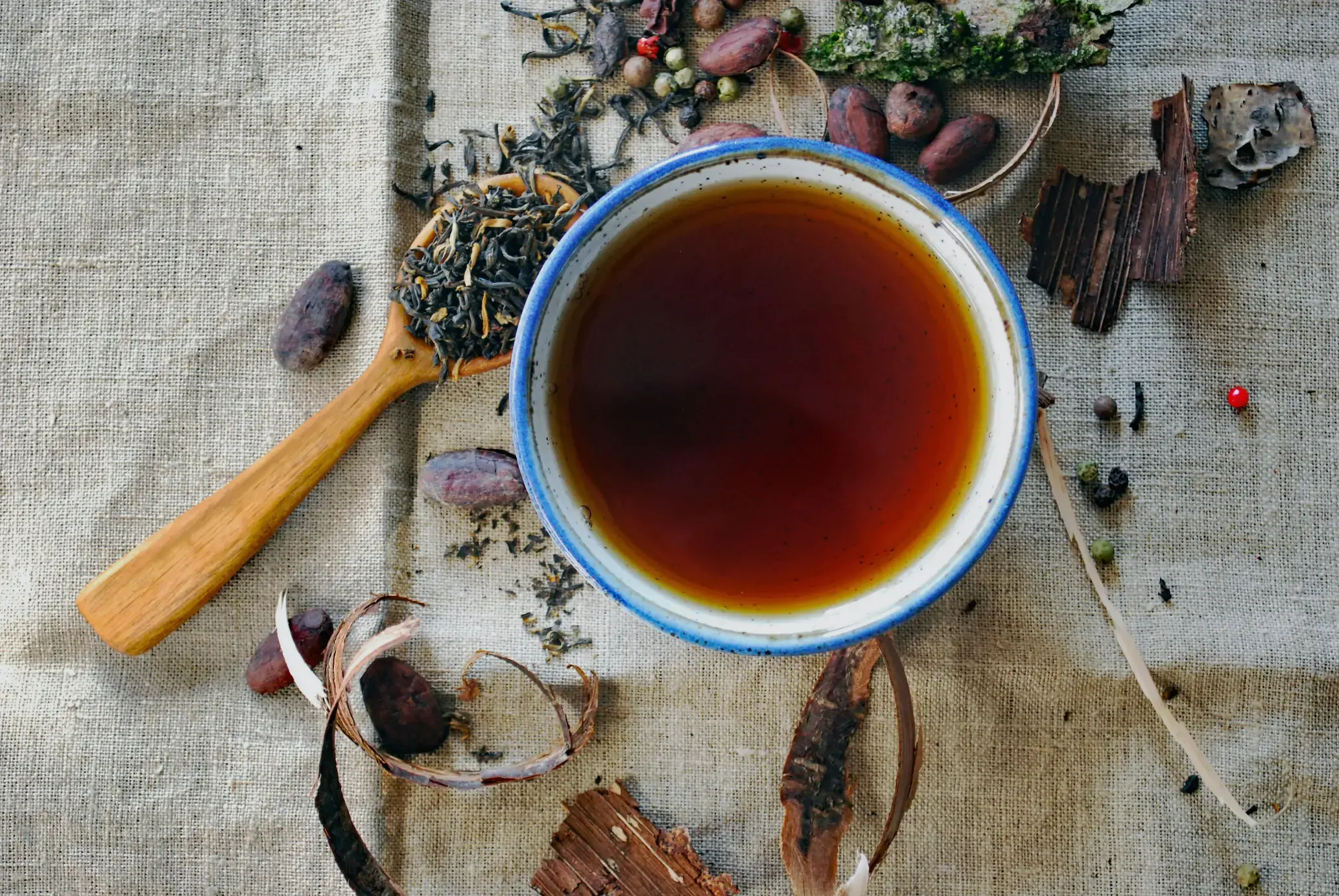
Tea begins long before it reaches your cup. It starts in quiet mountain regions where climate, soil, and tradition shape every leaf. From China to Japan and Taiwan, each origin brings its own character, creating a diverse and evolving world of tea.
In Singapore, tea has become both a daily ritual and a refined indulgence. It offers a moment to pause, to reconnect, and to enjoy something crafted with care.
Loose-leaf tea allows this experience to unfold fully. Unlike tea bags, the leaves have space to expand, releasing a more expressive aroma and flavour. Each cup becomes something to savour, not rush.
From Leaf to Cup: Understanding Tea Types
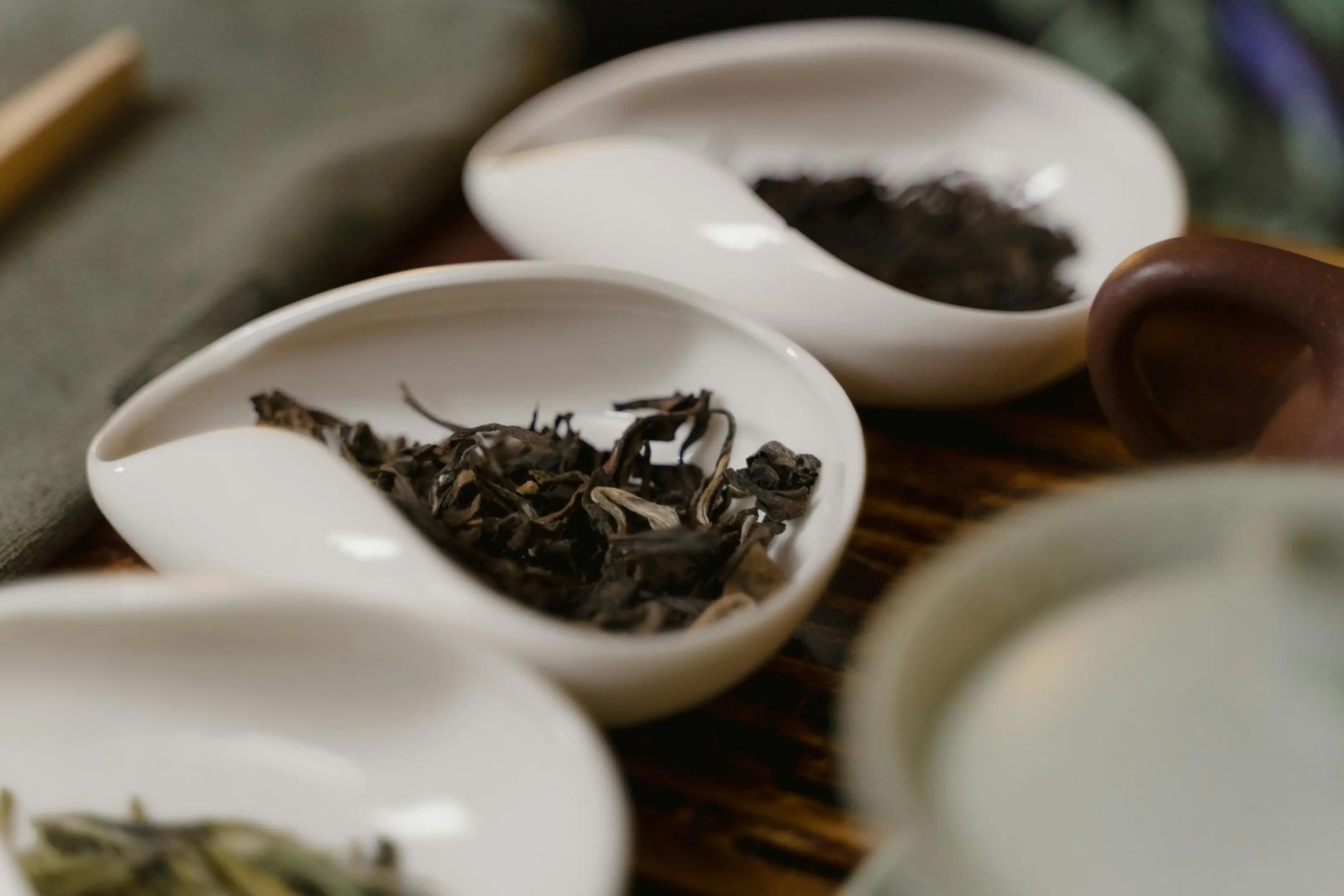
Every tea begins with the same plant, yet the journey from leaf to cup creates a remarkable range of flavours and experiences. The difference lies in how each leaf is handled, shaped, and allowed to oxidise.
Green Tea: Fresh, Light, and Delicate
Green tea is known for its clean and refreshing profile. It is minimally processed, allowing the leaf's natural qualities to remain.
What you can expect:
- Fresh and grassy notes
- Subtle sweetness
- Light colour and gentle aroma
Common origins include China and Japan, each offering slight variations in taste and character.
Oolong Tea: Complex and Aromatic
Oolong tea offers a balance between light and dark profiles. It is partially oxidised, creating layers of flavour that evolve with each infusion.
What makes it unique:
- Floral and fruity notes
- Smooth and aromatic finish
- A flavour that develops over multiple steeps
Oolong is often crafted in regions such as Taiwan and parts of China, where tradition plays a key role in its production.
Black Tea: Bold and Full-Bodied
Black tea is fully oxidised, resulting in a deeper colour and stronger taste. It is often chosen for its richness and depth.
Key characteristics:
- Deep amber colour
- Bold aroma
- Notes of malt, spice, or citrus
Blends like Earl Grey introduce a fragrant citrus layer, adding a familiar yet refined touch.
Herbal and Botanical Infusions
Herbal infusions offer a different experience. They are naturally caffeine-free and often lighter in profile.
Popular ingredients include:
- Rooibos for earthy warmth
- Lemongrass for a refreshing citrus note
- Fruits for a naturally sweet and vibrant flavour
These blends are ideal for winding down or enjoying a calming moment at any time of day.
The Craft and Quality Behind Premium Tea Leaves
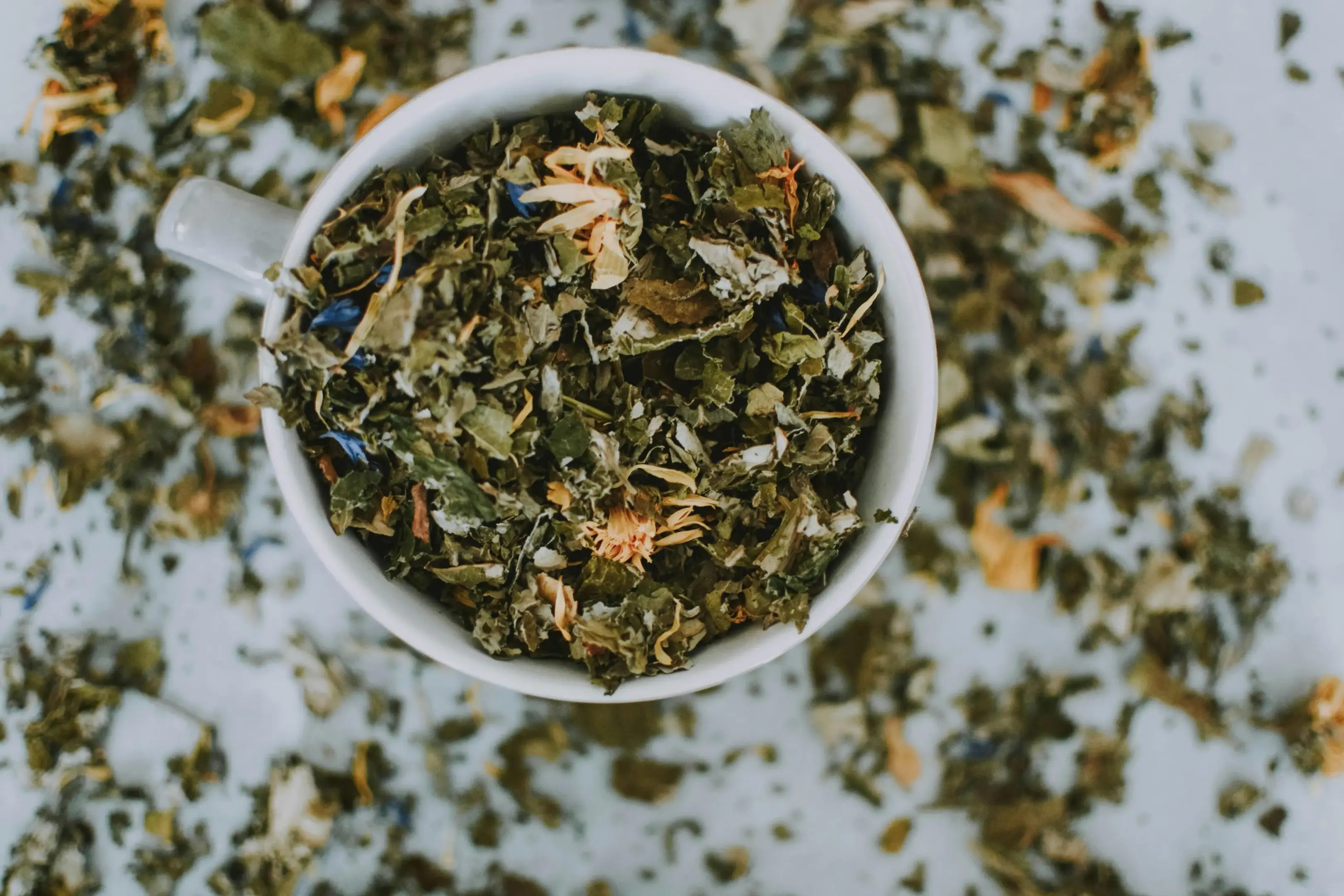
Every cup of tea begins with the leaf, but its quality depends on how it is grown and handled. The environment plays an important role. Climate, soil, and altitude all shape the flavour and aroma of the tea.
Premium tea leaves are picked at the right time, when they hold the best balance of taste and freshness. Regions such as Fujian in China are known for this level of care, with practices that have been refined over generations.
After harvesting, the leaves go through several steps that define their character. These include withering, oxidation, shaping, and drying. Each step is controlled carefully, as even small changes can affect the final taste, colour, and fragrance.
Well-crafted tea feels balanced and clean. The flavours are clear, the aroma is distinct, and the cup remains smooth from start to finish.
With time, these qualities become easier to notice, and you begin to recognise what makes a tea truly refined.
How to Choose Tea Leaves for Your Palate, Mood, and Occasion
Choosing tea is a personal experience. The right tea depends on what you enjoy, how you feel, and the moment you want to create.
You can start by considering:
- Your Flavour Preference - Tea can be light or full-bodied. Green tea and floral blends offer a fresh and delicate taste. Black tea has a stronger and richer flavour. Oolong sits in between with a balanced and layered profile.
- Your Mood - Tea can match how you feel. Herbal and lighter teas bring a sense of calm. Stronger blends feel more energising and help you stay focused.
- The Occasion - The setting can guide your choice. A familiar blend works well for daily tea time. A more aromatic tea suits quiet moments. A curated selection makes a thoughtful and elegant gift.
If you're looking to see how these flavours pair with a meal, you can find inspiration in this Japanese restaurant tea guide to see how professionals elevate the experience
Brewing Tea Leaves for the Perfect Cup
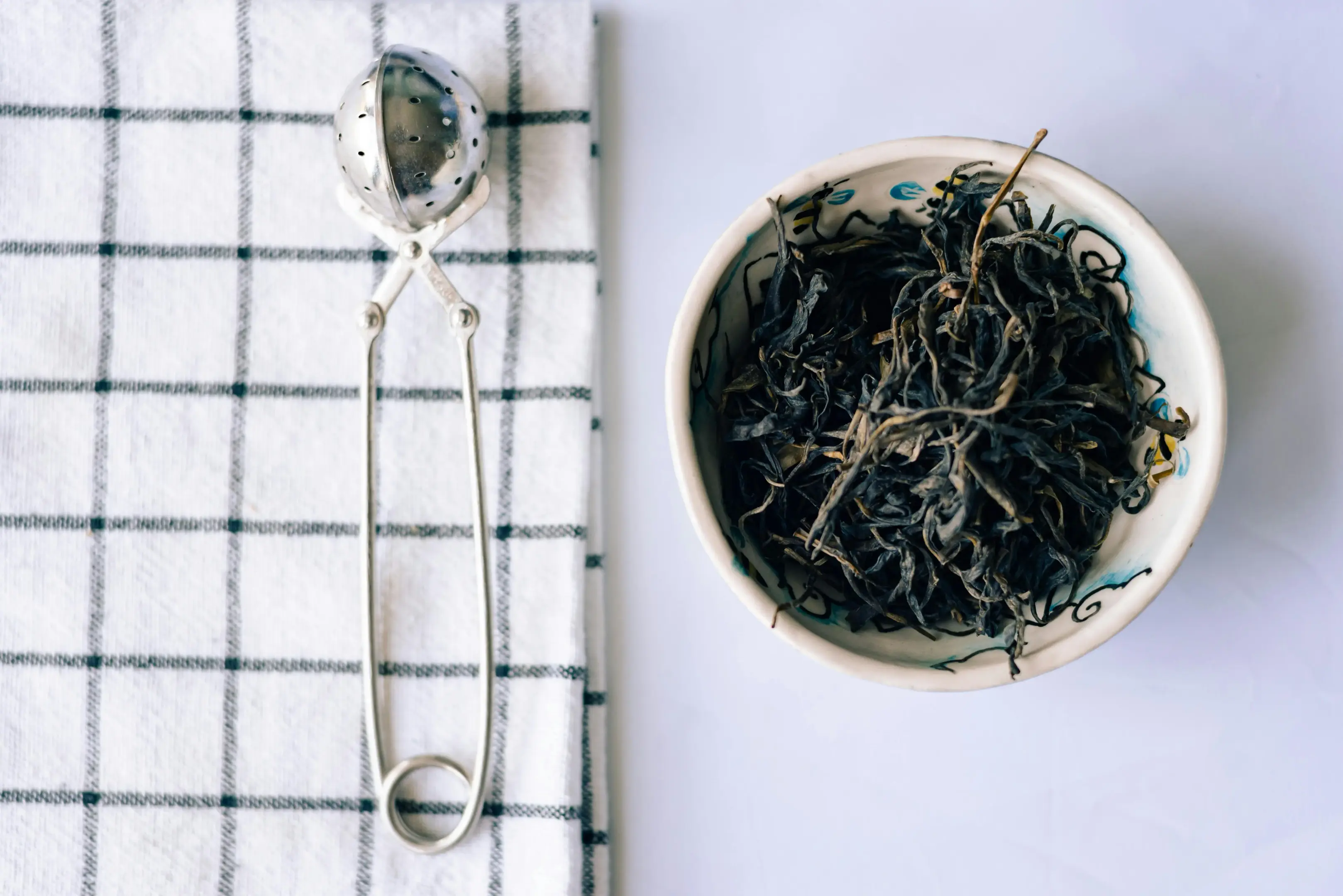
Brewing is where everything comes together. The way you prepare your tea has a direct impact on how it tastes and feels.
Water temperature is important. If the water is too hot, green tea can become bitter. If it is too cool, black tea and oolong may taste flat and lack depth. Steeping time also plays a role. A little too long can make the tea too strong, while too short may leave it underdeveloped.
A good teapot or gaiwan gives the leaves enough space to open up. This allows the flavours and aroma to come through more clearly in each cup.
The tools you use can make a difference. A well-made teapot or simple accessories can improve the brewing process and make tea time feel more enjoyable and relaxed.
The Sensory Experience and Culture of Tea in Singapore
Tea is not only about taste. It is an experience that engages all the senses.
The aroma rises first, inviting you in with its fragrant notes. The colour of the infusion reflects the character of the leaves, from pale gold to deep amber. Then comes the taste, followed by the lingering impression on the palate.
In Singapore, tea culture continues to evolve, blending traditional practices with modern lifestyles. It is present in quiet moments at home, in conversations shared over a pot, and in the simple act of pausing during a busy day.
For discerning tea lovers, tea offers more than refreshment. It becomes a way to slow down, to reconnect, and to appreciate the details that often go unnoticed.
Curating Your Tea Collection and Elevating Everyday Tea Moments
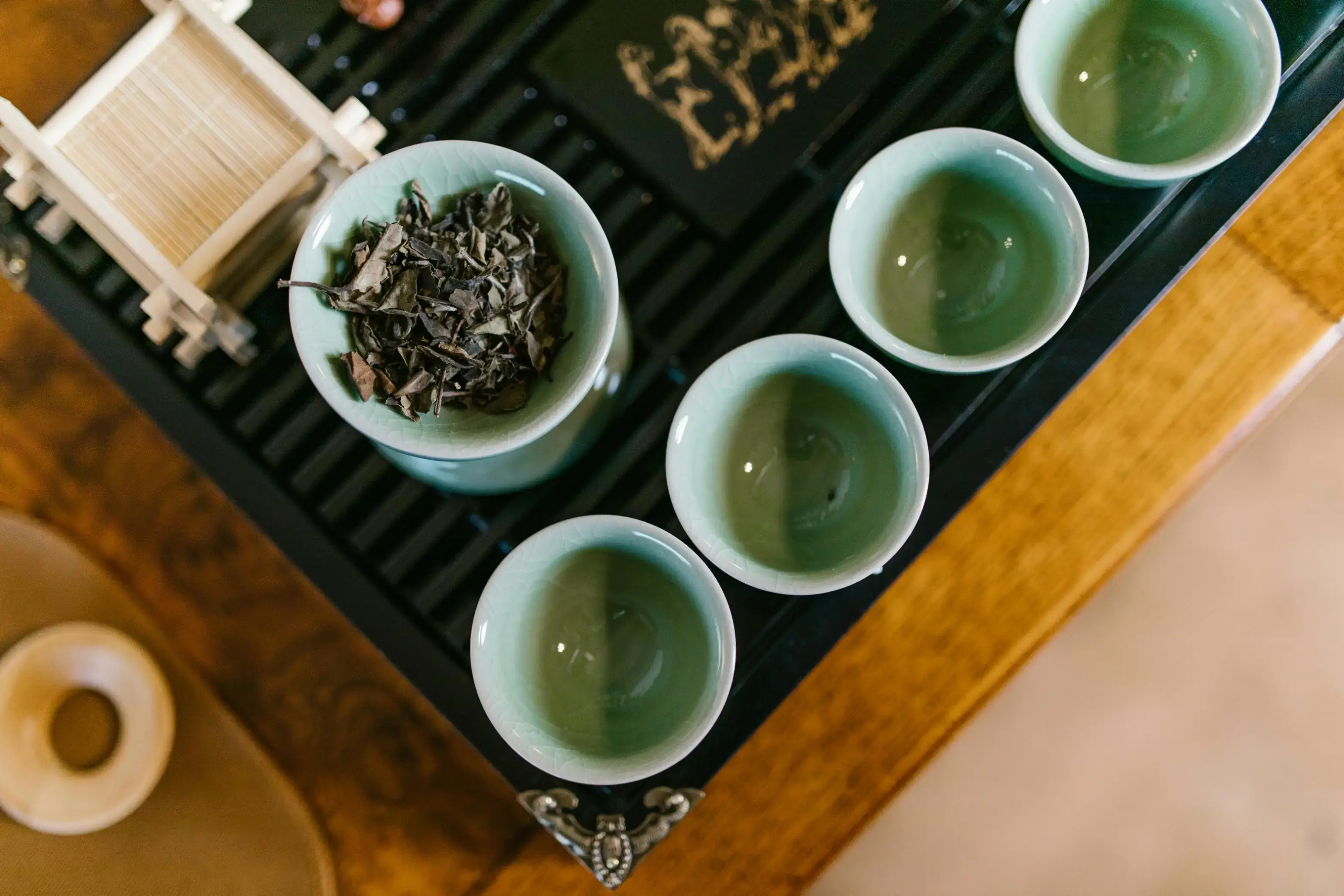
Building a thoughtful tea collection is one of the simplest ways to bring more joy into daily life.
Here’s how to get started:
- Begin with three or four favourite teas that suit different moods and times of day.
- Gradually explore new origins and blends as your palate develops.
- Store your loose leaf tea in airtight containers, away from strong light, heat, and moisture to preserve maximum freshness.
- Turn tea time into a gentle daily ritual. Light a candle, put away your phone for a few minutes, and simply savour the cup in front of you.
These small, mindful pauses are where the true pleasure of tea reveals itself.
Frequently Asked Questions
What are the best tea leaves to start with? Green tea is a good starting point due to its light and refreshing taste. Oolong offers more complexity, while black tea provides a stronger and fuller flavour.
How do you choose tea leaves in Singapore? Choose tea leaves based on flavour, origin, and quality. Look for loose leaf tea with a clean aroma and well-formed leaves.
What is the difference between green, oolong, and black tea? Green tea is minimally processed and light in taste. Oolong is partially oxidised with balanced flavours. Black tea is fully oxidised and bold.
How should tea leaves be stored? Store tea leaves in airtight containers away from light, heat, and moisture to keep them fresh.
How much tea leaves should be used for one cup? Use about one teaspoon of loose leaf tea per cup. Adjust based on taste and tea type.
A Final Sip: Embracing the Journey of Tea
Tea invites you to slow down. It offers a space to pause, reflect, and appreciate what is in front of you.
Each cup is part of a larger journey. From the origin of the leaves to the way they are brewed and enjoyed, every detail contributes to the experience.
As you continue exploring, your palate will evolve. Your appreciation will deepen. What begins as a simple cup becomes something more meaningful.
In that quiet moment, with tea in hand, there is always something new to discover.

The Tea I Keep Drinking When I Don’t Feel Like Myself
There are days when tea feels unnecessary. Not because I stop liking it, but because I don’t feel like the version of myself who usually drinks it slowly, thoughtfully, and with attention. On those days, I still make tea anyway. Not out of ritual, but out of habit. It is never the elaborate kind of…
-
Tea Ceremony Kyoto: A Slow Dance of Bowls and Breath
The room is quiet enough to hear water. Somewhere beyond the paper screens of this traditional tea ceremony venue, a garden drips after morning rain. Inside a tea house on a tatami mat worn soft by years of kneeling, a tea master lifts a bamboo whisk and begins tea making. There is no rush in…
-
Why We Keep Romanticising Tea Moments That Never Happened
I sometimes wonder if we are drinking tea or remembering something that never really happened. A quiet morning that feels softer in memory than it ever was in real life. A perfect cup by the window that somehow always looks better in hindsight. A tea moment that feels cinematic, even though it probably lasted only…
-
Masala Chai Tea Origins: The Cultural Evolution of India’s Spiced Tea Tradition
There is a sound that belongs to mornings across India: the hiss of milk rising in a battered pot, the clink of a spoon against metal, the low murmur of a tea seller calling out to passing crowds. Before the first sip, there is the scent. Cardamom pods, fresh ginger, and cinnamon stick curling into…
-
We Are Turning Tea Into Something It Was Never Meant to Be
There is something quietly strange happening in tea culture. The more popular the tea becomes, the more it starts to resemble everything it once stood apart from. Speed. Branding. Productivity. Performance. Tea, which once belonged to unhurried moments, is increasingly being asked to do more. To energize. To optimize focus. To replace coffee. To support…
-
Sencha Green Tea vs. Matcha Powder: Understanding the Differences in Japanese Green Tea
Two tins of tea powder sit side by side on a shelf. Both hold a fine green powder. Both promise the taste of authentic Japanese tea. To the eye, they look almost identical, and that is precisely where the confusion begins. One is matcha powder, often used in matcha lattes and desserts. The other is…
-
Discovering Gryphon Tea Company’s Earl Grey in Singapore
I recently tried the Earl Grey from Gryphon Tea Company Singapore, and I have to admit, it surprised me. Not because it was flawless-it wasn’t, but because it felt like a tea that knew exactly what it wanted to be. The aroma is the first thing that hits you. Bergamot is present but subtle, not…
-
Hojicha: The Roasted Japanese Green Tea With A Mellow Twist
There is a moment, just after the hot water meets the hojicha tea leaves, when the kitchen fills with the aroma of something toasted. Not grassy. Not sharp. Warm, like roasted nuts or the edge of a freshly baked loaf. That moment is where hojicha begins. Hojicha (sometimes spelled houjicha) is a roasted green tea…
-
A Quiet Afternoon at Yixing Xuan Teahouse
I recently spent a quiet afternoon at Yixing Xuan Teahouse, a place that feels like a pause in the city. The moment you step inside, the world seems slower. The air carries the gentle aroma of steeped leaves, and the staff move with quiet precision. I chose an oolong, simple yet familiar. Watching the leaves…
-
The Controversial Smoky Tea That Divides Enthusiasts: Lapsang Souchong Black Tea
There is a tea that empties rooms and fills them in equal measure. Open a box of loose leaf lapsang souchong black tea, and someone nearby will lean in with delight while another quietly steps away. Few teas provoke such immediate, honest reactions. That divide is part of its story. This smoked lapsang souchong smells…