There is a particular disappointment that comes from making a cup of tea that tastes bitter.
You choose the leaves carefully. You heat the water. You wait.
Then the first sip arrives, and something feels wrong.
For a long time, I assumed bitterness meant the tea itself was not very good. Perhaps the leaves were too strong. Perhaps I had chosen the wrong variety. Perhaps I simply did not understand what I was supposed to appreciate.
Eventually, I learned something much simpler.
Sometimes the tea is not the problem.
We simply leave it in the water too long.
This sounds obvious, but it is surprisingly easy to do. Tea brewing is often presented as though there is one perfect set of instructions, yet the reality is much more forgiving. A few extra minutes can change a cup considerably, particularly with teas that release more tannins or other compounds as they steep.
I have made this mistake countless times.
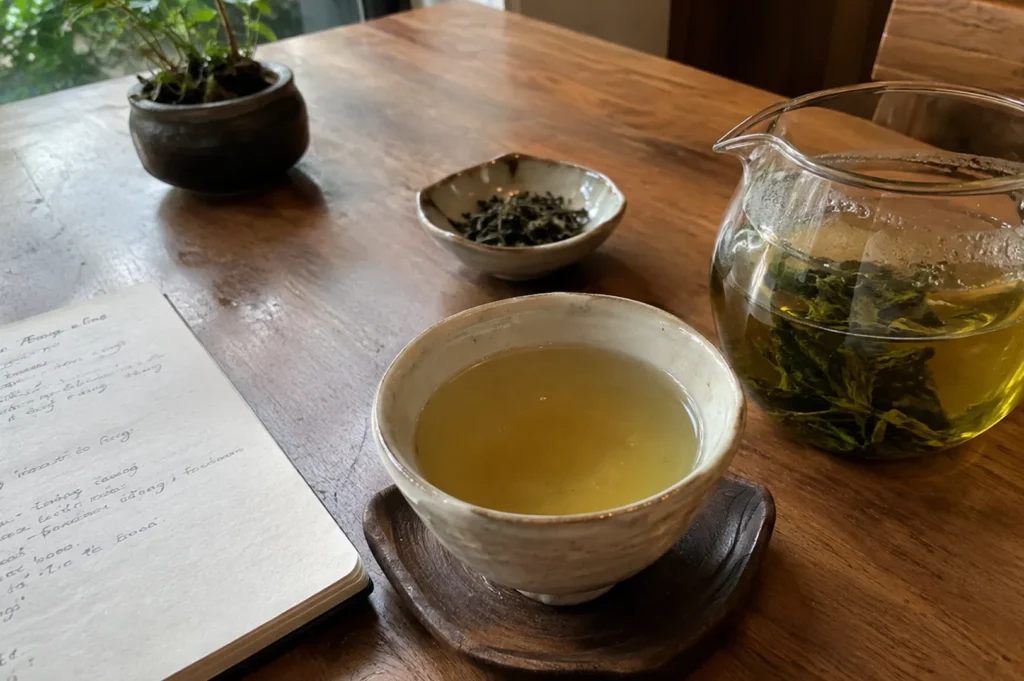
The kettle goes on. The tea goes into the pot. Then something interrupts the process. A message arrives. A thought takes my attention elsewhere. By the time I return, the tea has continued brewing without me.
The result is usually stronger than intended.
Not necessarily undrinkable, but certainly different.
The interesting thing is how quickly we blame the tea.
Perhaps this is because we expect a good tea to perform perfectly every time. We forget that brewing is a conversation between the leaves, the water, and the person preparing them.
The good news is that bitterness is often something we can adjust.
Use less leaf.
Shorten the infusion.
Change the water temperature.
Taste earlier.
There is no need to discard the tea or conclude that it is not worth drinking.
In fact, one of the most useful lessons I have learned as a tea drinker is that a disappointing cup is often information.
It tells us something.
Perhaps the tea needs less time. Perhaps it prefers cooler water. Perhaps we simply prefer a lighter extraction.
Tea does not always need to be rescued.
Sometimes it only needs another attempt.
And perhaps that is one of the quieter pleasures of drinking tea. The first cup does not have to be perfect. We can adjust, try again, and learn something along the way.
So if your tea tastes bitter, do not blame yourself.
And perhaps do not blame the tea either.
Try giving the leaves a little less time.
You may find that the cup you thought you disliked was simply waiting for you to brew it differently.
With quiet regard,
N. P. Lim

Afternoon Tea in Singapore: Your Passport to Tradition and Modern Fusion
Imagine the gentle clink of fine china, the sight of a beautiful three-tiered stand laden with exquisite sweet and savoury treats, and the aroma of freshly brewed tea filling the air. This is the timeless allure of afternoon tea in Singapore, a ritual that feels both wonderfully indulgent and deeply comforting. In a city that…
-
Discover the Rich Flavors of Ceylonese Tea: A Complete Overview
Picture a landscape of rolling hills carpeted in a sea of green, where misty clouds kiss the mountaintops and the air is crisp and cool. This is the heartland of Sri Lanka, the island nation once known as Ceylon, and the origin of one of the world’s most celebrated teas. For over a century, the…
-
The Art of the Tea Ceremony: Experience Tradition and Tranquility
Imagine sitting in a quiet room, the scent of tatami floor mats mingling with the subtle aroma of powdered green tea. Before you, a tea master moves with deliberate, graceful motions, whisking vibrant matcha tea into a frothy jade liquid using a bamboo whisk. Every gesture, from warming the tea bowl to the final, respectful…

The Ultimate Guide to Good Tea in Singapore: Where to Find the Best Brews in 2024
Singapore’s tea culture beautifully blends centuries-old heritage with modernity, offering tea lovers a vibrant journey through exclusive tea blends, single estate varieties, and innovative local creations. Whether you seek traditional Chinese tea houses or contemporary cafés, this guide highlights the best places to sip and shop for good tea in Singapore, ensuring you find the…

The Complete Guide to Matcha for Lattes: From Bean to Cup
A perfectly crafted matcha latte isn’t just a trendy drink, it’s a centuries-old Japanese tea tradition that’s been adapted for today’s tastes. Unlike your regular green tea, where you steep the leaves and then toss them, matcha powder dissolves completely, giving you a bold flavor and a nutrient boost that coffee just can’t match. Matcha…
-
Top 7 Best Teas for Weight Loss: Evidence-Based Options Ranked
Looking for the best teas for weight loss is a popular first step for anyone starting a wellness journey. While no single tea can magically melt away body fat, some teas contain natural compounds that can help with weight loss, boost metabolism, and manage appetite. The secret is consistency, drinking tea daily as part of…
-
Does Diet Tea Work? Comparing Options for Safe and Effective Weight Management
The term diet tea has become one of the most searched phrases among people eager to lose weight naturally. For many, losing weight is the primary motivation behind trying these teas. Yet behind its popularity lies a maze of confusion. The market overflows with everything from authentic teas like green tea and oolong to questionable…
-
Does Green Tea Help To Lose Weight? The Role of Green Tea Extract, Drinking Green Tea, and Green Tea Preparations in Weight Management
For thousands of years, green tea has been revered in Asian cultures for its health-promoting properties. But can this ancient beverage actually help you lose weight, or is it just another overhyped health trend? The answer lies somewhere between the marketing hype and scientific reality. While green tea won’t magically melt away pounds overnight, decades…
-
Is Green Tea Caffeine? Everything You Need to Know
Green tea has long been celebrated for its health benefits and calming properties. It is a popular tea worldwide, known for its cultural significance and widespread consumption. Both green tea and black tea are made from the Camellia sinensis plant, also known as the tea plant. These teas come from the same plant, camellia sinensis,…
-
Is Green Tea Healthy? 7 Science-Backed Advantages of Green Tea
Is green tea healthy? The short answer is a resounding yes. For thousands of years, this beverage from the Camellia sinensis plant has been celebrated not only for its soothing taste but also for its numerous health benefits. Modern research continues to validate what tradition long suggested: drinking green tea regularly offers powerful advantages for…