There is a particular disappointment that comes from making a cup of tea that tastes bitter.
You choose the leaves carefully. You heat the water. You wait.
Then the first sip arrives, and something feels wrong.
For a long time, I assumed bitterness meant the tea itself was not very good. Perhaps the leaves were too strong. Perhaps I had chosen the wrong variety. Perhaps I simply did not understand what I was supposed to appreciate.
Eventually, I learned something much simpler.
Sometimes the tea is not the problem.
We simply leave it in the water too long.
This sounds obvious, but it is surprisingly easy to do. Tea brewing is often presented as though there is one perfect set of instructions, yet the reality is much more forgiving. A few extra minutes can change a cup considerably, particularly with teas that release more tannins or other compounds as they steep.
I have made this mistake countless times.
The kettle goes on. The tea goes into the pot. Then something interrupts the process. A message arrives. A thought takes my attention elsewhere. By the time I return, the tea has continued brewing without me.
The result is usually stronger than intended.
Not necessarily undrinkable, but certainly different.
The interesting thing is how quickly we blame the tea.
Perhaps this is because we expect a good tea to perform perfectly every time. We forget that brewing is a conversation between the leaves, the water, and the person preparing them.
The good news is that bitterness is often something we can adjust.
Use less leaf.
Shorten the infusion.
Change the water temperature.
Taste earlier.
There is no need to discard the tea or conclude that it is not worth drinking.
In fact, one of the most useful lessons I have learned as a tea drinker is that a disappointing cup is often information.
It tells us something.
Perhaps the tea needs less time. Perhaps it prefers cooler water. Perhaps we simply prefer a lighter extraction.
Tea does not always need to be rescued.
Sometimes it only needs another attempt.
And perhaps that is one of the quieter pleasures of drinking tea. The first cup does not have to be perfect. We can adjust, try again, and learn something along the way.
So if your tea tastes bitter, do not blame yourself.
And perhaps do not blame the tea either.
Try giving the leaves a little less time.
You may find that the cup you thought you disliked was simply waiting for you to brew it differently.
With quiet regard,
N. P. Lim

British Tea Traditions: Beyond Cucumber Sandwiches and Modern Tea Accompaniments
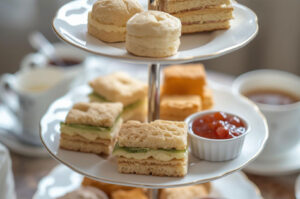
The ritual of British tea-especially the celebrated afternoon tea-conjures a very specific image: tiered cake stands laden with delicate finger sandwiches, fluffy scones, and exquisite cakes. This cherished tradition, born in the 1840s, is often attributed to Anna, the seventh Duchess of Bedford, who sought a small meal to bridge the long gap between lunch…
-
The Dance of Aroma: Appreciating Tea Through All Senses in Gongfu Cha
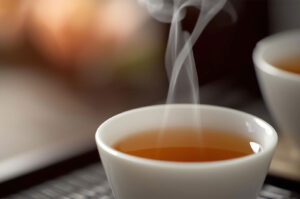
Imagine a wisp of steam carrying the scent of orchids from a tiny tea cup, a fragrance so vivid it transports you to a misty mountainside in China. This sensory immersion lies at the heart of the gongfu cha method, the traditional Chinese tea ceremony where every movement, from handling the tea leaves to pouring…
-
Japanese Tea Ceremony Principles: Harmony, Respect, Purity, and Tranquility
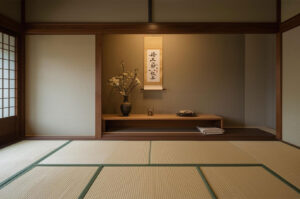
In a quiet tea room, a host moves with deliberate grace. The sound of hot water being ladled from an iron pot fills the air. This is the Japanese tea ceremony, known as Chanoyu or the Way of Tea, an art form that transforms the simple act of drinking tea into a profound experience. Far…
-
Beyond Chamomile: Exploring Lesser-Known Herbal Infusions from Around the World
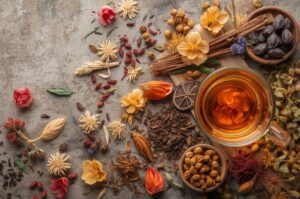
Tea is one of the most popular drinks worldwide, cherished for centuries as much for its taste as for its role in tradition and culture. While many people immediately think of green tea, black tea, or perhaps a steaming mug of mint tea, the spectrum of herbal infusions—blends using various herbs, fruits, and flowers—offers countless…
-
Raw vs. Ripe: Understanding the Two Paths of Pu Erh Processing
In the vast and ancient world of Chinese tea, few categories carry as much mystery and prestige as pu erh tea. Pu’er tea is renowned for its unique fermentation and aging techniques, which not only develop its complex flavor profiles but also contribute to its cultural significance and traditional production methods. Unlike most teas such…

From Keemun to Darjeeling: A Global Tour of Premium Black Teas
Black tea is more than just a morning ritual; it’s a global phenomenon steeped in rich history, cultural significance, and craftsmanship. From the misty mountains of India to the ancient gardens of China, each cup tells a story of its origin, flavor, and tradition. Throughout history, brewed tea has been cherished in various cultures, with…
-
Understanding Oolong Tea Oxidation Levels: The Spectrum of Oxidation in Tea Classification
When you step into the world of tea, you quickly learn about the main categories: white, green, oolong, and black. For many, green tea is fresh and vegetal, while black tea is bold and malty. But what about oolong? This category seems to defy easy definition, with some oolongs tasting light and floral like a…
-
Beyond Matcha: Exploring the Diverse World of Japanese Green Tea Varieties
Let’s be honest, when you hear “Japanese green tea,” your mind likely pictures a vibrant, frothy bowl of matcha. From trendy matcha lattes in every café to ice cream and desserts, matcha has become the undisputed global face of Japanese tea culture. And for good reason! It’s a delicious, versatile ingredient with numerous health benefits….
-
Silver Needle White Tea: The Delicate Emperor of Chinese Tea
In the vast and storied world of Chinese tea, few varieties command the reverence and prestige of Silver Needle white tea. Celebrated as Bai Hao Yin Zhen (白毫銀針)-meaning “White Hair Silver Needle”-this exceptional Chinese white tea sits atop the hierarchy of not just white tea, but among all tea types. Each slender ‘needle’ is not…
-
Thai Oolong Tea: Thailand’s Oolong Revolution in Ancient Tea Territory
In the shadowy folds of Northern Thailand’s mountains, where cool, misty air hugs the slopes and the morning dew clings to fragrant tea leaves, a revolution is steeping. Once known largely for its role in the Golden Triangle, this region now blossoms as a new epicenter for Thai oolong tea and innovative tea beverages like…