I never intended for tea to become a way of keeping track of my days.
It just happened.
There are mornings when I drink the first cup quickly, barely noticing the taste because my mind is already somewhere else. Then there are afternoons when I make tea and somehow manage to sit with it for twenty minutes without checking my phone.
Same kettle. Similar tea. Completely different pace.
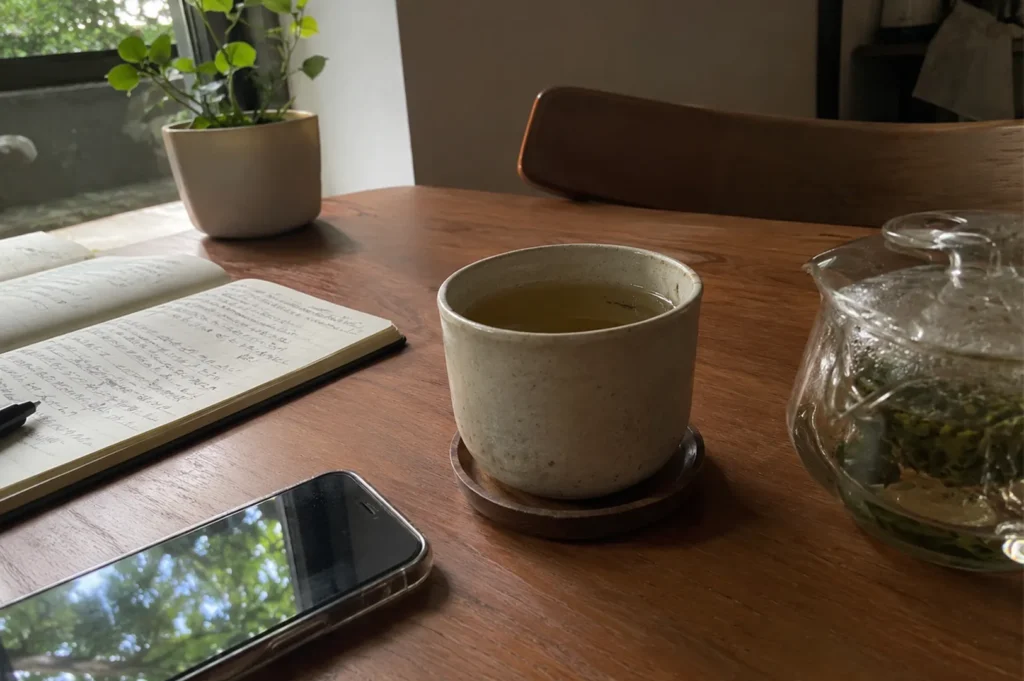
I started noticing this because of a particular cup I use almost every day. It is nothing special. It is not handmade or expensive. It simply feels right in my hands.
Over time, I began to notice something else.
The way I drink from it tells me more about my day than I expect.
When I am rushing, the tea disappears quickly. When I am tired, I let it cool beside me. When I am in a good mood, I often make another cup without even thinking about it.
Tea became a small mirror.
We often talk about tea as something that helps us slow down. I used to think that sounded a little too romantic. A cup of tea cannot magically make a busy day less busy.
But perhaps that is not what it does.
Perhaps tea simply makes us notice our pace.
The kettle takes a few minutes. The leaves need time to open. The cup stays warm for only so long. These are small reminders that not everything follows the speed of a notification or a deadline.
I have also noticed that my favourite tea is not always the one I want most.
Some days call for something light and bright. Other days seem to ask for something deeper. And sometimes, after an exhausting day, I want the most familiar tea I have.
There is something comforting about not having to think too much.
Maybe that is why I have stopped asking whether I am drinking tea the right way.
Instead, I sometimes ask a different question.
What is my tea telling me about the way I am living today?
If I am drinking too quickly, perhaps I am rushing too much.
If I keep forgetting the cup beside me, perhaps my attention is somewhere it should not be.
And if I find myself sitting quietly with a second cup, maybe I finally gave myself permission to slow down.
The tea does not judge any of it.
It simply waits.
And perhaps that is the lesson I keep returning to. We cannot always change the pace of our lives, but we can become more aware of it.
Sometimes all it takes is noticing how quickly the tea disappears.
With quiet regard,
N. P. Lim

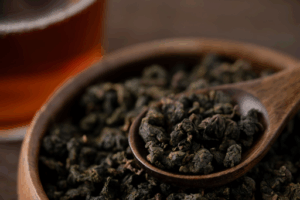
Dong Ding Oolong: The Artisanal Craft Behind Taiwan’s Most Famous Tea
Imagine a warm, inviting aroma that fills the room with essence reminiscent of delicate flowers, toasted nuts, honeycomb, chocolate, and ripe stone fruit. The initial scent from a freshly opened tin of Dong Ding Oolong loose leaf tea can feel almost transportive. Upon brewing, the tea’s infusion shines with a brilliant golden colour, and your…

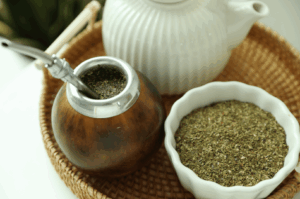
Yerba Mate Tea: Argentina’s Ancient Energy Brew and Modern Revival
Picture a sun-drenched plaza in Buenos Aires, where the air hums with laughter and the scent of fresh flowers. In the center, friends gather in a close-knit circle, a cherished gourd filled with fragrant yerba mate tea making its way from hand to hand. Each person sips this herbal tea-brewed from green yerba mate leaves-through…

The Complete Guide to Kenyan Tea Industry Transformation in the Great Rift Valley
Imagine standing at the edge of Kenya’s Great Rift Valley, the birthplace of world-renowned Kenya tea. Here, undulating hills blanket the landscape in a lush sea of deep green, where rows of thriving tea bushes stretch across the horizon. This breathtaking region forms the core of the Kenyan tea industry-a powerhouse producing some of the…
-
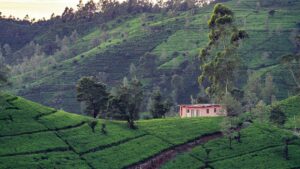
Ceylon High Grown Tea: The Bright, Crisp Profiles of Nuwara Eliya
Imagine standing amidst a sea of emerald green on the island of Sri Lanka, where manicured tea bushes climb rolling hills and disappear into a cool, persistent mist. This is the world of Ceylon high grown tea, centred in Nuwara Eliya – a region characterized by bright sunshine in the morning and cool, misty nights….
-
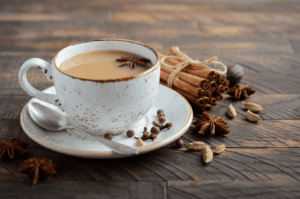
Masala Chai Origins: The Cultural Evolution of India’s Spiced Tea Tradition
The rhythmic clanging of metal kettles echoes through narrow lanes as steam rises from countless chai stalls across India. The intoxicating aroma of cardamom, cinnamon, and fresh ginger mingles with robust black tea, creating an olfactory symphony that has captivated souls for centuries. This is masala chai-not merely a beverage, but a cultural phenomenon that…
-
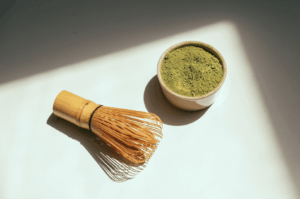
Matcha Tea: The Versatile Japanese Green Tea Powder
The vibrant green powder that transforms simple hot water into liquid jade has captivated tea enthusiasts worldwide. Matcha tea represents more than just a trendy beverage-it’s a bridge connecting ancient Japanese traditions with modern culinary innovation. This unique form of powdered green tea offers endless possibilities, from meditative ceremonial drinking to creative kitchen applications that…
-
The Dragon Well Legacy: Exploring China’s Legendary Longjing Tea
Among the world’s most revered green teas, few carry the prestige and cultural significance of China’s legendary Dragon Well. This premium tea has captivated tea enthusiasts for centuries, earning its place as an imperial favourite and modern icon alike. From its mystical origins at West Lake to its meticulous processing methods, Longjing represents the pinnacle…